

Exploring Housing Options in Multi-Family Condo Communities
Multi-family condo communities have become a mainstay of modern housing developments, offering a range of living environments that blend private ownership with communal amenities. These types of communities can serve as a beneficial solution for a variety of household sizes, lifestyles, and budgets. From low-rise complexes to high-rise towers, each style of multi-family condo development meets different priorities and preferences. Whether you are a first-time homebuyer seeking a sense of community, a downsizer looking for a low-maintenance space, or a young professional desiring proximity to urban centers, multi-family condos can be designed to fit a wide spectrum of needs.
Unlike single-family homes, multi-family condos provide opportunities for shared facilities, lower individual maintenance costs, and a sense of connectedness among residents. By combining individual ownership of units with common areas and amenities (like fitness centers, outdoor courtyards, and meeting spaces), these communities facilitate a more cohesive lifestyle. Below, we will explore various types of multi-family condos, the kind of amenities they often feature, potential considerations for buyers, and how these developments integrate into neighborhood life. Understanding these elements can help you determine which housing option best aligns with your personal or family requirements as you consider the benefits of condominium living.
Low-Rise and Townhouse-Style Condo Communities
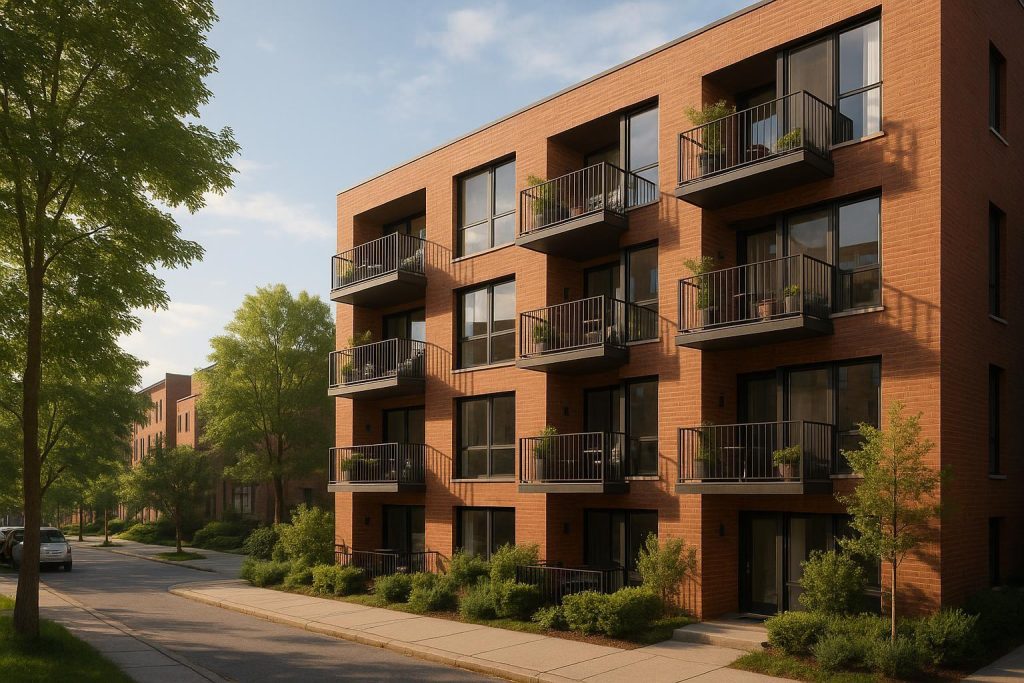
While many people think of sprawling towers when they hear the word “condo,” the truth is that some of the most appealing units are found in low-rise or townhouse-style developments. These usually range from two to four stories and often prioritize a more intimate setting. Here, each owner might enjoy direct street access, private garages, or entrances that open onto shared courtyards.
Townhouse-style communities in particular are well-suited for those who appreciate a hybrid housing option that feels close to a single-family home without the same exterior maintenance responsibilities. Owners typically share some upkeep duties, such as landscaping or structural repairs, but also benefit from the support of a management team or homeowners’ association. Because these communities have fewer total units, there can be a greater sense of familiarity among neighbors, which may be ideal for people who value close community ties.
Mid-Rise Buildings and Features
Moving upward from low-rise options, mid-rise condo buildings typically range from five to ten stories. These communities offer more expansive shared spaces, often including multipurpose rooms, rooftop gardens, or small fitness centers. They can still retain a level of personal connection for those who want a balance between a tranquil environment and quick access to urban amenities.
Mid-rise buildings might provide features like security systems, gated entries, and dedicated underground parking. Residents in mid-rise communities often enjoy a streamlined sense of security while sharing costs for building maintenance, landscaping, and community amenities. The shared association fees fund services that can enhance quality of life, from well-maintained lobbies to eco-friendly features like solar panels or car-charging stations. In this sense, mid-rise developments can enable owners to support sustainable options that might be cost-prohibitive in a smaller, single-family context.
High-Rise Towers and Urban Living
For those who thrive on the vibrancy of an urban environment, high-rise condo communities can be an attractive option. These buildings can rise upwards of ten to forty stories, depending on local zoning and the overall design vision. High-rise condo living typically focuses on vertical density, making the most of limited land. In many bustling cities, these developments include ground-floor retail spaces or office units, ensuring residents are only an elevator ride away from services like grocery stores or coffee shops.
A hallmark of high-rise condo living is access to a broader array of amenities. Some communities feature concierge services, extended fitness facilities, business centers, and even entertainment rooms that can be reserved for private gatherings. Residents seeking an elevated living experience often gravitate toward high-rise complexes because of these perks and the promise of stunning city or nature views. Although association fees may be higher to cover extensive amenities, owners benefit from a dynamic lifestyle that seamlessly merges convenience, comfort, and community interaction.
Amenities and Shared Spaces
The draw of multi-family condo communities often lies in their shared amenities. These amenities may include, but are not limited to:
- Fitness Centers: On-site gyms save both travel time and the cost of standalone gym memberships.
- Lounges and Rooftop Terraces: Many developments offer indoor and outdoor gathering areas where residents can socialize or enjoy city skyline views.
- Co-working Areas: As remote work becomes more common, having a quiet space within your building can enhance work-life balance.
- Outdoor Courtyards and Gardens: These spaces create a natural harmony within dense neighborhoods, offering a place to unwind or meet neighbors.
Because such amenities are collectively maintained, individual owners are freed from handling upkeep or repairs themselves. Additionally, the presence of communal resources can lead to a heightened community spirit among residents, with collective social events or gatherings throughout the year. Such shared areas can be an efficient use of space, ensuring that even in an urban high-rise, residents have access to the outdoors, leisure opportunities, and a sense of communal connection.
Ownership, Governance, and Homeowners’ Associations
When you invest in a multi-family condo community, you acquire ownership of your individual unit and an undivided interest in the common elements. These common elements can include hallways, elevators, lobbies, parking structures, and outdoor amenities. In conjunction with ownership comes the formation of a homeowners’ association (HOA) or a comparable governance body. Such associations are usually responsible for enforcing bylaws, collecting monthly fees, budgeting for repairs, and ensuring that standards are maintained throughout the complex.
Some associations coordinate with a professional property management company to streamline tasks. This might cover landscaping contracts, trash removal, building security, and more. Residents have a voice in how the community is run, often through board elections or scheduled membership meetings. It’s worthwhile for potential buyers to evaluate the community’s financial health, the condition of building reserves, and the association’s approach to maintenance before committing to a particular condo.
Financing and Long-Term Value
In many regions, purchasing a condo can be more accessible than acquiring a single-family property due to lower overall purchase prices. However, buyers should carefully weigh additional monthly costs, such as HOA fees and insurance. Because multi-family condo communities typically include communal elements, the management and overall health of the association can impact both monthly expenses and long-term investments. A well-managed condo community often retains its value or appreciates competitively in the housing market.
Mortgage lenders will typically consider the health of the HOA as well. For instance, if an HOA lacks sufficient reserves or is embroiled in legal disputes, some lenders may view the mortgage as higher risk. Prospective buyers are encouraged to read the condo’s governing documents and pay attention to any planned capital improvements, as these can meaningfully affect future fees or building assessments. If a community features amenities like high-end security systems, panoramic rooftop lounges, or cutting-edge eco-friendly solutions, those features may positively influence resale value but can come with higher maintenance fees.
Lifestyle Benefits and Community Interaction
One of the greatest advantages of living in a multi-family condo community is the built-in sense of community. Whether it is sharing a conversation in the hallway, meeting neighbors while taking advantage of a clubhouse, or planning resident get-togethers, condos often foster an environment where social connections can naturally form. Families might find it easier to meet other families, and individuals new to an area often appreciate the ready access to a peer group. A well-designed condo community can offer a variety of age groups, backgrounds, and activities under one roof, leading to a vibrant social atmosphere.
Additionally, multi-family condo developments can position residents close to shopping, dining, and transit centers. Proximity to essential services can be a huge benefit to urban dwellers who prefer to rely on walking or public transit rather than maintaining a car. Even in more suburban areas, developers often choose locations with an eye toward convenience and connectivity, strengthening the link between everyday life and the amenities that matter most.
Maintenance and Repairs
Among the most appealing aspects of condo living is the shifting of many repair responsibilities onto the homeowners’ association or management. While each owner is typically responsible for everything within their individual unit, exterior repairs, roofing, landscaping, and other communal systems fall under the association’s purview. This arrangement can be particularly beneficial for those who don’t want the burden of ongoing home maintenance, such as replacing siding, mowing lawns, or tending to roofing projects.
Still, it’s crucial to understand the association’s setup, budget, and reserve funds for major repairs. The last thing a new condo owner wants is an unexpected special assessment if the building needs extensive upgrades. By reviewing historical budgets and the association’s strategy for capital improvements, you can get a clearer picture of how prepared the community is for maintenance challenges.
Integrating into the Larger Neighborhood
Multi-family condo developments can play a significant role in shaping local neighborhoods. In many cases, they bring new retail spaces, public art installations, or improved streetscapes that enhance the broader community’s appeal. Meanwhile, new residents often breathe additional life into the local economy, supporting shops, restaurants, and community events. This synergy benefits not just those who live within the condo community but also the wider population.
At the same time, it’s important for developers and city planners to strike a balance between density and neighborhood character. Thoughtfully planned condo buildings that align with local design principles help ensure that increased housing does not overwhelm existing infrastructure, allowing the community to thrive sustainably.
Finding the Right Condo Community
Deciding which multi-family housing option is right for you depends on your lifestyle preferences, budget, and long-term goals. If you’re drawn to a quieter, neighborhood-centric environment, a smaller townhouse-style or low-rise community might be most appealing. If you want a modern building with enhanced security, robust amenities, and an energetic atmosphere, a mid-rise or high-rise complex could be the better choice. Thorough research, including a review of each community’s bylaws, fees, and amenities, ensures you make a confident and informed decision.
For those looking to compare different multi-family condo communities and explore their unique lifestyles, an examination of real-world developments can be invaluable. You might want to learn more about how new developments are meeting local housing demands, especially if you have specific neighborhood preferences. To see how these communities look in practice, consider viewing real examples of multi-family housing projects. For instance, you can explore diverse residential options at Projects to gain insight into how varying layouts, amenities, and communal spaces can fit your needs.
Conclusion: Choosing the Home That Fits You
Multi-family condo communities continue to evolve, reflecting changing lifestyles and market demands. They provide a broad selection of housing styles, from cozy townhouse units to lively high-rises filled with shared amenities. While every type of condo development has its own advantages, each one offers a potential pathway to homeownership that merges privacy, communal living, and the conveniences of a well-managed property. By assessing the overall design, association health, and location, you can pinpoint a community that supports your daily life and long-term aspirations.
Ultimately, investing in a multi-family condo is about more than just owning a property—it’s about embracing a community-oriented lifestyle that can enrich your day-to-day experiences. By weighing factors like location, building size, amenities, and potential association fees, you can make a choice that aligns with your personal values and preferences. As these communities continue to shape urban and suburban landscapes, they remain an appealing avenue for people seeking both private living spaces and shared connections with neighbors.
