

Understanding the Fundamentals of Premium Multi-Family Investments
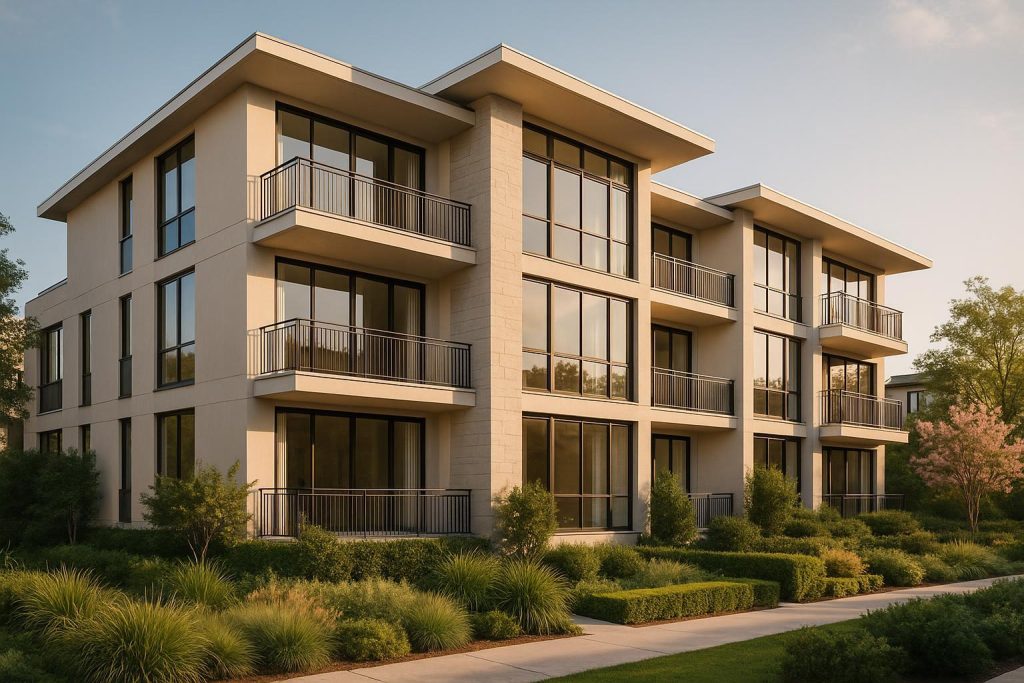
When you hear the term “premium multi-family property,” it often conjures up images of tasteful architecture, dedicated community features, and an elevated standard of living. Yet the appeal of these properties goes beyond appearance. Premium multi-family assets, sometimes called luxury multi-family developments, can deliver consistent rental income paired with the prospect of long-term value. This potential makes them especially interesting if you are an investor seeking stable, purpose-built rental housing in a well-connected neighbourhood. At the same time, the process of selecting and managing a premium multi-family property requires careful research and responsible decision-making.
Location: The Cornerstone of Value
Location plays a defining role in determining the success of any real estate project, but it is even more critical for premium multi-family properties. When an area includes transit access, strong economic activity, and local amenities, it helps maintain steady demand. Prospective tenants often weigh livability, walkability, and ease of commuting above all other factors. Think about how close a building is to grocery stores, parks, or community centers. Even simple aspects, such as good pedestrian infrastructure or bike lanes, can attract the types of residents who value convenience and connection. Ultimately, a well-situated multi-family property can offer consistent occupancy, support stronger rental rates, and retain its desirability over time.
Many investors prioritize areas undergoing positive growth, where new businesses are opening and local infrastructure is improving. This type of thoughtfully planned development fosters inclusive communities and helps ensure that, even with market shifts, the area remains appealing. A property built with a long-term vision, in a neighbourhood where demand is likely to grow, creates a roadmap for responsible development that benefits both tenants and investors.
Design and Build Quality: More Than Just Aesthetics
Those considering premium multi-family investments often ask: What distinguishes a luxury multi-family property from standard residences? Beyond a refined aesthetic, quality design is about meeting practical needs and ensuring livability. Materials must be durable to withstand everyday use, while interior layouts should be designed for people, focusing on comfort and functionality. Many modern renters expect open floor plans, ample natural light, and convenient storage solutions. Communal areas—such as shared lounges, rooftop patios, or secure bike storage—can influence an individual’s decision to lease.
Energy efficiency features are also increasingly vital. This goes beyond selecting energy-efficient appliances. Builders often evaluate insulating materials, advanced HVAC systems, and water-saving fixtures. Over time, sustainable design choices can translate to lower operating costs and higher tenant satisfaction. To learn more about the importance of sustainability in upscale rentals, you might visit Are sustainable design features common in high-end multi-family developments?. These insights underscore how thoughtful design aligns with long-term investment value.
Amenities That Reflect Tenant Expectations
In any premium multi-family property, the right amenities attract not only the initial wave of tenants but also contribute to longer retention rates. While it is easy to picture a well-equipped gym or a tastefully furnished lobby, top-tier lifestyle features extend further. Sleek co-working spaces, well-designed rooftop decks, communal kitchens for social gatherings, and secure package delivery systems are all features that resonate with urban dwellers looking for convenience and community. If you are curious about common features that upscale communities tend to include, explore What amenities typically come with upscale multi-family communities?. Understanding what today’s renters value can guide you in selecting properties that align with tenants’ evolving preferences.
Beyond indoor facilities, the external environment matters as well. Landscaped courtyards or rooftop gardens can provide pleasant outdoor spaces without requiring tenants to seek relaxation elsewhere. Spaces designed for gathering, socializing, and daily wellness foster a sense of community, thereby building trust with residents. When a property is designed from the outset to encourage social interaction, it becomes more than just another building—it becomes a neighbourhood focal point.
Management Structures and Operational Approach
Premium multi-family properties often come with heightened expectations around service. This includes rapid maintenance responsiveness, well-maintained amenity areas, and transparent communication with tenants. An asset manager or property management firm that upholds high standards can help safeguard both the building’s infrastructure and its reputation.
Investors must understand that ongoing operational costs in a high-end building are typically more than those of a standard rental. Amenities and services require vigilant upkeep, which can include staffing, utility expenses, and routine updates. Your objective is to manage these details in a way that maintains resident satisfaction while protecting your bottom line. This emphasis on property management also matters if you choose to partner with an external management provider. Their approach can have a direct impact on the property’s finances and on word-of-mouth among renters.
Evaluating Financial Viability
Any potential investor should also ask: How can I evaluate if a luxury multi-family rental aligns with my budget? Determining anticipated returns involves more than just the purchase price. Conducting a thorough financial analysis means taking into account local taxes, insurance fees, and possible vacancy periods. You might find it useful to check out How can I evaluate if a luxury multi-family rental aligns with my budget? for detailed tips on budgeting and forecasting.
Utilizing models like cap rate or cash-on-cash return provides a basic estimate of performance. However, when dealing with premium multi-family assets, you should also factor in systematic upgrades. This could include amenities that need periodic refreshing or high-tech equipment that may require replacement over time. A well-planned strategy for such improvements can extend your investment’s longevity, enhancing its long-term value. The key is balancing day-to-day cash flow needs with a vision for maintaining (and even increasing) the property’s quality over the years.
Long-Term Value and Community Impact
Responsible investors go beyond short-term interests. They also consider how a multi-family property fits into the broader social and environmental fabric of a neighbourhood. Premium buildings designed for people contribute positively to local growth, offering rental living that is inclusive and high-quality. To get a sense of how new projects can offer both style and utility, you can take a look at some of the developments on our Projects page. Observing actual examples of responsible development can clarify how such strategies affect residents, community stakeholders, and the property’s long-term performance.
A strong community-centered approach can help retain tenants, lower turnover, and reinforce good relationships with local businesses. By aligning with local needs and ensuring your building supports the surrounding area, you can create an environment of trust. Moreover, focusing on the wellbeing of tenants tends to foster word-of-mouth recommendations, making your property stand out in a competitive marketplace. Whether you are renovating a historic building or constructing a new tower, integrating community-driven design can deepen your impact—both socially and financially.
Regulatory Considerations and Emerging Trends
Real estate regulations can vary significantly across municipalities and provinces, so part of your due diligence involves researching any current or upcoming regulatory shifts that may affect your property. New green initiatives, changes in property tax assessments, or zoning adjustments could all influence your operating expenses. Additionally, regulatory bodies may introduce or update rental policies aimed at protecting tenants. Staying informed about these changes is essential for anyone looking to preserve their property’s high standards and protect their cash flow.
On a broader scale, there is an emerging movement toward sustainable and community-minded building practices, especially in premium properties. This shift is driven by tenant demand for responsible development and by municipalities striving to reduce a building’s environmental footprint. For more detail on this evolving focus, read Are sustainable design features common in high-end multi-family developments?. Adopting environmentally friendly designs, from high-efficiency windows to integrated recycling systems, can help investors comply with regulations and attract conscientious renters.
Comparing Luxury Multi-Family Assets to Traditional Options
While the conversation around premium rentals frequently centers on design, it is equally important to highlight their inherent differences from mainstream properties. Higher-end materials and more comprehensive amenity packages can lead to premium rental rates, but they also require investors to fully understand their target audience. If you are looking to dive deeper into the distinguishing traits of luxury units, visit What distinguishes a luxury multi-family property from standard residences?. These insights include the nuances in tenant expectations, the level of community involvement, and the strategic decisions developers make regarding building functionality. Recognizing these contrasts is vital when positioning your asset in a competitive market.
For some investors, the higher upfront costs in a premium building could seem daunting. Yet, the long-term payoff often emerges in the form of resident satisfaction, minimal maintenance issues, and the enduring appeal of a well-designed structure. Pair these elements with a well-connected location, and you may find that a premium multi-family property represents a trusted long-term investment that outperforms more conventional offerings.
Navigating Partnerships and Development Teams
Working with an experienced development team can influence not only the success of your investment but also how smoothly the process unfolds. When evaluating potential partners, consider their track record with purpose-built projects, their approach to local communities, and their awareness of market conditions. By doing so, you can align yourself with professionals who genuinely understand the complexities of building and operating a high-caliber multi-family property.
Open and transparent communication between stakeholders, from architects to property managers, is crucial. A multi-family asset is more than just a building—it is a micro-community that houses myriad daily routines, from families to young professionals. Having a collaborative, proactive team can make all the difference in delivering on resident expectations while meeting investor goals. This synergy is a hallmark of thoughtful real estate development and an indication to prospective tenants that they will be well cared for.
Key Takeaways for Potential Investors
- Conduct thorough location research: Focus on regions with strong growth potential, good transit links, and a sense of community for long-term stability.
- Assess design and sustainability: Explore modern layouts, durable materials, and energy-efficient features that align with evolving regulations.
- Look for inclusive, purpose-built offerings: Seek out buildings intentionally designed for rental living, with amenities that enhance well-being and livability.
- Examine operational costs: Premium services boost resident satisfaction but require meticulous budget planning to sustain over time.
- Check financial viability: Calculate realistic returns, from vacancy rates to ongoing maintenance, to see how the building aligns with your budgetary framework.
- Stay mindful of shifting regulations: Keep track of changes in rental regulations, local taxes, and energy standards to maintain compliance and attract quality tenants.
- Collaborate with trusted teams: Skilled development, design, and management partners can enhance both the immediate appeal and long-term resilience of your asset.
Conclusion: Building Value with Intentional Strategies
Investing in a premium multi-family property is not just about short-term windfalls; it is about nurturing a community and ensuring that residents feel at home. By selecting a well-located, thoughtfully planned building in a growing neighbourhood, supported by purposeful amenities and professional management, you can pave the way for robust returns. Successful investors look beyond the architectural details and weigh community impact, design excellence, and financial soundness. In doing so, you build a responsibly developed, high-value asset that meets modern living standards and retains its appeal well into the future.
If you are interested in learning more about new multi-family developments, you can explore our Projects, where you will find real-life examples of how we integrate purpose-built features and community-minded design. You may also wish to contact our team if you have any questions about potential partnerships or if you are simply curious about market trends and future opportunities. Our approach removes the guesswork by prioritizing reliable, quality-driven development that fits the evolving needs of both renters and investors alike.
