

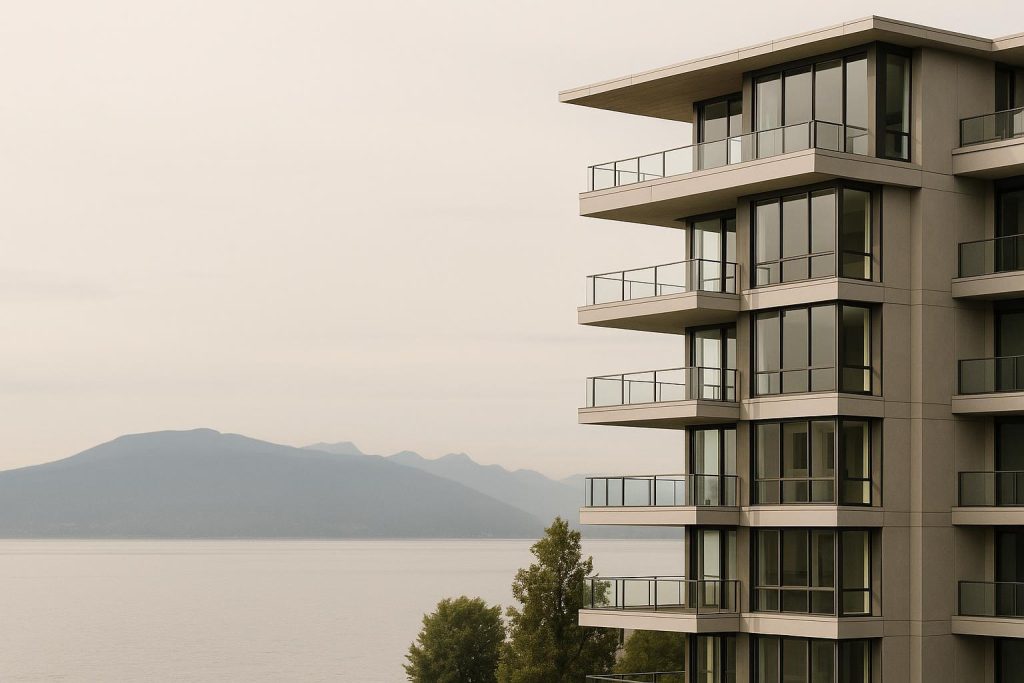
In Vancouver’s dynamic real estate landscape, exclusive modern communities have become a defining feature of the city’s architectural evolution. From striking high-rises to thoughtfully planned low-rise developments, these unique communities contribute to Vancouver’s reputation for forward-thinking urban design. However, a major factor that shapes how these projects come to life is Vancouver’s extensive network of local building guidelines and regulations. The question many people ask is whether these exclusive modern communities truly align with municipal standards. In short, most do — and they often set higher benchmarks for sustainability, safety, and neighborhood integration. Understanding how and why they adhere to local guidelines can yield insights into the various benefits of living in, or investing in, such communities.
Local building guidelines in Vancouver serve as the backbone for new construction, including zoning bylaws, environmental standards, architectural compatibility criteria, and more. These regulations affect everything from the materials developers choose to how each building interacts with its immediate surroundings. In many cases, the City of Vancouver encourages developers to innovate while still respecting longstanding community values. This combination of tradition and progress underscores the city’s emphasis on livability and long-term value.
But what does this adherence to local rules look like in practice? It typically starts at the earliest stages of any project, when architects and developers collaborate with municipal officials to submit proposals, gather feedback, and receive approval. The permitting process is rigorous and involves multiple steps to ensure safety codes, environmental considerations, and community impacts are thoroughly addressed. High-end properties and unique architectural projects are often put under the spotlight, as they draw public attention and require more extensive reviews to confirm compliance with safety features, green building practices, and local aesthetics. As a result, Vancouver’s exclusive modern communities not only meet the city’s regulations but are also likely to exceed them in many aspects, such as energy efficiency and structural resilience.
The Role of Municipal Regulations
Municipal regulations in Vancouver exist to maintain a balance between innovation and tradition. These regulations also preserve public safety, ensure environmental stewardship, and safeguard neighborhood character. Throughout the development process, the City of Vancouver’s planning committees examine proposed buildings for fit with existing zoning bylaws, potential impact on traffic, alignment with sustainability goals, and general architectural cohesion. Because exclusive modern communities are often broad in scope, featuring multiple buildings and an array of amenities, city planners sometimes place additional conditions to ensure thorough integration into the local ecosystem.
For instance, if a development stands in an area prone to seismic activity, local guidelines mandate that the construction must meet specific earthquake-resilience standards. Additional energy-saving conditions may also come into play, prompting developers to incorporate high-performance insulation, heat recovery systems, or solar-ready rooftops. This level of scrutiny encourages a culture of responsible development, where modern creativity is tempered by practical requirements for safety and community well-being.
In many ways, these municipal codes and bylaws serve as a roadmap for design. While some might think limitations stifle creativity, many architects and urban planners view them as opportunities to create purpose-built communities that stand out for their functionality, longevity, and ecological responsibility. The result is an environment where structural guidelines and architectural flourish can coexist, ultimately providing a cohesive look and feel that resonates with the local neighborhood’s identity.
Balancing Design, Safety, and Community
Beauty and functionality go hand in hand in Vancouver’s exclusive modern developments. Architects understand that their projects represent more than just buildings; they shape communities. Every design element, from rooftop terraces to street-level storefronts, must align with Vancouver’s commitment to public safety and inclusivity. This approach requires balancing aesthetic ambitions with practical elements, including fire safety measures, accessibility requirements, and energy efficiency mandates.
During the approval phase, many developers highlight how their projects will address local needs, such as convenient pedestrian access or improved public green spaces. Consequently, these communities tend to feature ample walkways, thoughtful landscaping, and other design elements that benefit both residents and the broader public. Embracing local guidelines ensures that the aesthetics are not simply ornate veneers, but rather deeply integrated solutions that reflect shared values, like sustainability, neighborhood cohesion, and civic pride.
Vancouver’s focus on community well-being extends well beyond the building envelope. Public areas such as sidewalks, plazas, or interconnected courtyards often need to meet standards for accessibility, environmental impact, and responsible drainage systems. The city’s insistence on open communication and public consultation leads to better outcomes, allowing designers and city planners to consider real neighborhood issues. By balancing design, safety, and community feedback, these developments end up representing a vision that is bold but also deeply aligned with local priorities.
Sustainability at the Core
Many exclusive modern communities in Vancouver emphasize sustainability as a core value, going beyond the minimum requirements set by local building guidelines. Motivated in part by the city’s broader vision for a greener future, developers often integrate advanced water conservation features, energy-efficient appliances, and even on-site renewable energy generation. These environmental priorities are not simply a selling point; they are also a response to Vancouver’s official green building policies, which encourage reductions in carbon emissions and conservation of natural resources.
To comply with initiatives like the Green Buildings Policy for Rezonings, a development might incorporate features such as triple-glazed windows and specialized ventilation systems. Some projects even adapt their landscaping to feature native, drought-tolerant plants, minimizing the irrigation needs and promoting biodiversity in the process. By meeting — and often surpassing — these sustainability guidelines, exclusive developments are helping Vancouver set precedents in responsible urban growth.
In addition, many high-end developments today provide electric vehicle charging stations and easy access to public transit, underscoring their commitment to reducing the overall carbon footprint. Well-planned bike storage and other amenities that promote a car-free lifestyle are also increasingly common. This dedication to sustainability resonates with residents who value conscientious living, making these communities more attractive in a city that prioritizes environmental stewardship.
Collaboration among Developers, Architects, and Planning Committees
One of the key reasons exclusive modern communities align so closely with local building guidelines is the collaborative approach involving architects, developers, and city authorities. Early in the conceptual phase, developers typically consult with municipal staff to identify potential compliance issues and ensure that design aspects satisfy codes. Throughout the review process, architects refine or revise their plans to address input from city planners, engineers, and community stakeholders.
This collaboration minimizes confusion and delays, offering reassurance that the final outcome will satisfy diverse perspectives. Architects benefit from the expertise of municipal officials who are intimately familiar with Vancouver’s evolving regulations and priorities. Meanwhile, local authorities appreciate the developer’s willingness to listen and adapt, thereby facilitating a smoother path to building permit approvals.
Public hearings and community consultation events further shape the final design. These sessions allow neighbors to voice their thoughts on the building’s appearance, traffic impacts, or environmental considerations. In turn, they foster transparency and trust, proving to nearby residents that the project aims to enhance the community rather than disrupt it. While the term “exclusive” may suggest a certain level of refinement, it does not mean these communities exist in isolation. On the contrary, they often fit seamlessly into their neighborhoods, reflecting shared objectives.
The Impact on Architecture and Landscape
Vancouver’s building guidelines place a high value on integrating new developments into existing streetscapes. For exclusive communities, this often means blending modern design elements with the city’s characteristic charm. Thoughtfully chosen materials, color palettes, and building scales help each project contribute to the aesthetic continuity of the neighborhood. The guidelines also promote active street fronts, which encourage pedestrian activity and support local businesses.
Landscape architecture plays a significant role in meeting Vancouver’s standards. Urban greenery, stormwater management, and public seating areas are typical features that must align with city objectives. In fact, well-executed landscaping can transform what might have been a stark, modern façade into a vibrant, welcoming space. By adhering to local guidelines, developers create communities that are not only visually appealing but also beneficial to local ecosystems. This approach helps preserve natural features, encourage biodiversity, and maintain the city’s reputation for balanced urban living.
In some projects, the inclusion of community gardens or rooftop green spaces promotes sustainable living while offering residents additional areas to relax, socialize, and even grow their own produce. These design elements link environmental stewardship with everyday life, echoing Vancouver’s overall approach to healthy, community-focused urban environments.
Community Engagement in the Permitting Process
One reason many exclusive modern communities in Vancouver successfully adhere to local building guidelines is the structured process of public engagement required for many projects. When developers submit proposals for new communities, particularly those that introduce significant architectural changes or encompass multiple buildings, Vancouver’s planning committees may organize open houses, workshops, or online forums. The purpose is to collect feedback on the project’s design and assess how well it meets local guidelines around environmental responsibility, density, and connectivity.
This feedback loop can range from suggestions about more pedestrian-friendly sidewalks to recommendations for noise mitigation strategies. As a result, the final iteration of a development is often refined to reflect both official planning guidelines and real community needs. This conscientious approach not only helps the development team earn local support but also ensures that the community feels heard during the transformation of their neighborhood.
When the public sees that their concerns are addressed constructively, trust grows. For an exclusive modern community, securing neighborhood trust is especially critical because higher-end projects often spark questions about affordability, traffic flow, or the preservation of local character. Demonstrating adherence to local building guidelines is one tangible way to show that a project is aligned with more than just private interests. It helps illustrate the broader societal benefits, such as better infrastructure, energy efficiency, or widened sidewalks, augmenting greater acceptance and support from the community.
Real-World Examples and Ongoing Developments
Numerous built projects throughout the city showcase how stringent local guidelines can produce forward-thinking spaces. Whether redeveloping older lots in established neighborhoods or introducing entirely new master-planned communities, Vancouver’s regulatory framework ensures each project can enrich the urban fabric rather than overwhelm it. Some developments incorporate mixed-use features, including commercial premises and community services. If you wonder how these aspects integrate with exclusive neighborhoods, you might be interested in exploring our related discussion, Do exclusive modern communities often include mixed-use spaces?
Another angle prospective homeowners or renters often explore is whether local regulations ensure a range of housing types. In many cases, exclusive communities offer unique layouts or specialized building designs, yet they remain lined up with citywide goals like improved housing variety. To understand more about the design approaches that shape these dwellings, consider reading our article, How do these communities offer different types of condos? This synergy between novelty and regulation often brings out the best in architectural creativity, melding modern style with practical, everyday usability.
Encouraging Walkability and Green Spaces
Walking around Vancouver’s modern communities reveals how guidelines can purposefully shape public spaces. Development plans typically incorporate inviting sidewalks, relaxation areas, and green nooks, all designed to create a more livable environment. These guidelines not only serve new residents but also offer benefits to the entire neighborhood by encouraging walking over driving, connecting people to local shops, and preserving greenery in an urban setting. Over time, these features contribute to healthier lifestyles, reduced emissions, and greater neighborhood collaboration.
For example, many new developments in Vancouver integrate pedestrian-only pathways that wind through communal courtyards or small parks. Traversing these spaces connects residents to public transit stops, local businesses, and communal amenities. With local guidelines in place, it is standard to provide seamlessly paved surfaces, accessible ramps, and adequate signage, reflecting the city’s commitment to inclusivity. By thinking beyond mere building structures, exclusive modern communities evolve into holistic, well-connected neighborhoods that foster social exchange.
Overall, by shaping each element of construction and landscaping, Vancouver’s municipal guidelines ensure that the city’s identity is preserved, even as new high-end projects add fresh architectural layers. These principles encourage synergy between the built environment and the everyday lives of residents. Developers that respect these rules help the city grow responsibly, staying true to Vancouver’s reputation for thoughtful design and conscientious urban planning.
The Benefits of Compliance for Residents
When projects comply with local building guidelines, residents stand to gain in multiple ways. First, they can trust that their homes are structurally sound and built to the highest safety standards. Next, eco-friendly features help reduce utility costs and minimize environmental footprints. Finally, by building around shared amenities, city planners and developers reinforce a sense of community. Principles like walkability and green space integration further improve the living experience, making daily errands or recreational outings both convenient and enjoyable.
Beyond the immediate advantages, dwelling in a community that adheres to stringent regulations can also boost property value over time. Quality construction, sustainability credentials, and neighborhood character all contribute to an area’s desirability. If you’re curious about other highlights offered by exclusive modern developments, including social and lifestyle benefits, consider reading our piece on What are the key benefits of living in an exclusive modern community?. Understanding how guidelines and thoughtful design intersect can be crucial in making informed decisions about where to live or invest.
Exploring Projects that Exemplify Local Compliance
If you want to see first-hand how these guidelines come to life in actual constructions, feel free to browse our Projects. Each featured endeavor highlights the attention to detail and certification processes that underscore Vancouver’s building ethos. You might discover how advanced seismic resilience measures are integrated into a high-rise’s structure or how green roofs supply valuable insulation and community gardening opportunities. Observing real-life examples of compliance provides a deeper perspective on what local guidelines mean for day-to-day living.
Through these examples, it becomes evident that Vancouver’s stringent regulations are not mere red tape; they are foundational instruments aimed at creating safe, livable, and future-focused communities. By exploring specific projects, you’ll notice a consistent effort to ensure each new building respects the character of its neighborhood. This is especially clear when looking at transitions between older architectural styles and contemporary designs, demonstrating that modernization can coexist with a community’s historic aesthetic.
Should you wish to delve even deeper into the distinct elements that shape exclusive modern communities in Vancouver, you can also consult our overview of how these neighborhoods foster a sense of community for residents. Whether you are a newcomer to the city or simply an individual eager to learn more about Vancouver’s development landscape, an appreciation for local building guidelines brings new clarity to understanding the foundations of sustainable, people-centered real estate projects.
In the end, exclusive modern communities in Vancouver do more than simply abide by municipal regulations — they frequently champion higher standards across the board, collaborating with city planners, architects, and local stakeholders to demonstrate responsible development in action. Through meticulous adherence to zoning bylaws, sustainability measures, and public consultation, these neighborhoods aren’t just visually striking; they are well-integrated, community-minded spaces that strengthen Vancouver’s broader urban fabric. By fostering trust, transparency, and innovation, local guidelines and exclusive modern communities evolve together, ensuring that Vancouver grows responsibly while still embracing the aesthetics and amenities its residents have come to expect.
