

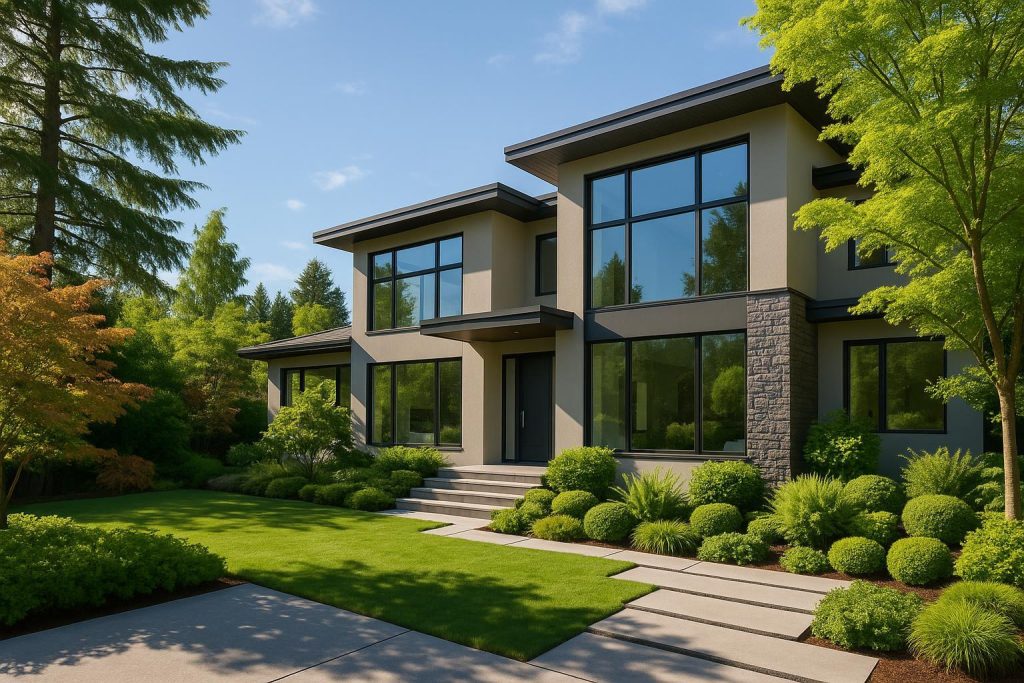
Understanding How Exclusive Estate Designs Differ from Typical Vancouver Condos
Finding the right home or investment property in Vancouver’s real estate market can be a challenge, especially with so many options available. One key distinction that often arises is the difference between exclusive estate designs and typical condos. While both property types serve as residences, they differ significantly in terms of scale, architecture, functionality, and overall lifestyle. This guide provides an in-depth look at the unique attributes of exclusive estate designs versus more conventional condo living, with attention to important factors like community integration, long-term value, and thoughtful planning.
What is an Exclusive Estate Design?
Exclusive estate designs typically refer to larger, purpose-built residential properties that are custom-crafted with a particular vision in mind. They often feature expansive interior spaces, unique architectural details, and an emphasis on privacy. In many cases, these properties are built on sizable plots of land, allowing for outdoor areas that can include gardens, courtyards, or amenities tailored to the owner’s lifestyle. Designers and developers who create exclusive estates focus on longevity, refined materials, and the integration of aesthetics with everyday functionality.
Such designs are characterized by careful attention to factors like lighting, landscaping, and the surrounding natural environment. The goal is to craft a home experience that feels both luxurious and attuned to the property’s location. In Vancouver, with its lush greenery, mountain backdrops, and proximity to the ocean, exclusive estate designs might incorporate large windows to capture scenic views, generous terraces for outdoor gatherings, and design elements that fit the local climate, such as energy-efficient windows or sustainable building materials. These choices highlight a commitment to comfort, livability, and a strong sense of place.
The Typical Vancouver Condo
On the other side of the housing spectrum, typical condos in Vancouver are part of multi-unit buildings where ownership is divided among several residents. These buildings are generally regulated by a strata or condo board, meaning each owner must adhere to certain rules about shared amenities and communal spaces. Condos often include features like shared gyms, pools, or lounge areas, offering convenient amenities for those who want a low-maintenance lifestyle.
Vancouver’s condo scene has expanded rapidly over the last few decades in response to rising housing demands. As a result, many of these developments are strategically located near transit hubs, retail shops, and urban conveniences. Typical condos can be excellent options for individuals who want to live in vibrant, well-connected neighborhoods without the upkeep of larger properties. However, condos usually provide less customization than exclusive estates, as owners must conform to building-wide policies and design standards. While these shared settings foster community, they can limit individual expression for homeowners seeking a more tailored environment.
Architectural Design and Personalization
One clear contrast between exclusive estate designs and typical condos lies in the level of architectural personalization. Condos are typically created from standardized plans, with many units sharing a similar layout, finishes, and square footage. This promotes efficiency in construction and helps control overall costs. Buyers often have minimal influence on the look of their unit beyond standard finish selections, such as countertops or flooring options that are part of the developer’s package.
Conversely, exclusive estate designs allow for substantial customization. Developers of estate properties collaborate with architects, planners, and the owners themselves (if the future occupant is known in advance) to map out every aspect of the property with an emphasis on individuality. This can include selecting high-quality materials, incorporating energy-efficient innovations, and generating architectural expressions that reflect the personality and needs of the household. Whether it’s a large entryway to display an art collection or a private courtyard for family gatherings, estate designs offer a level of personalization rarely found in typical condos.
Space, Privacy, and Scale
When exploring exclusive estates versus typical condos, space and privacy often top the list of differences. Estate properties are frequently situated on expansive plots of land, which naturally allow more room for personal outdoor areas, gardens, or even private recreational facilities. This means residents can enjoy a heightened sense of seclusion and a closer connection to nature.
In a typical condo development, units are more compact. Shared hallways, community amenities, and close proximity to neighbors are standard. While this fosters a communal atmosphere, it may not appeal to those who value solitude or the ability to modify and use outdoor space however they wish. The scale of an exclusive estate tends to support a more retreat-like living environment, whereas a condo often emphasizes efficient urban living.
Amenities and Lifestyle
Condos in Vancouver frequently come with building amenities such as fitness rooms, communal lounges, and shared roof decks. These features can simplify life for residents who prefer low-maintenance options. Maintenance of these amenities is handled collectively through strata fees, ensuring upkeep without individual owners spending time or effort to manage them. However, shared amenities might be less private and have usage regulations set by the condo board.
Meanwhile, exclusive estates provide the freedom to create customized amenities suited to the residents’ tastes and needs. Home gyms, home offices, separate guest quarters, or elaborate outdoor cooking areas are just a few possibilities. Because estate designs often have a broader footprint, homeowners are more at liberty to add unique or specialized features—for example, a pool, a greenhouse, or even a small orchard. This level of personalization helps shape a very distinct, self-contained living experience that aligns with one’s priorities, whether that means focusing on health and fitness, hosting extended family, or showcasing local landscaping.
Community Connection
Despite their individualistic nature, exclusive estate designs can still be thoughtfully planned to integrate with the surrounding neighborhood. Developers committed to responsible development usually conduct area research, consult with municipal authorities, and consider how each property will interact with existing infrastructure. This means exclusive estates can be neighborly and well-connected, incorporating sidewalks, pathways, or community-oriented green spaces if the property’s size permits. There’s often a strong focus on maintaining the local character and preserving greenery—particularly important in a city prized for environmental stewardship.
Typical condos, by comparison, exist in a shared living environment, which inherently fosters community interaction. Many units within a single building mean neighbors are more accessible, and communal amenities become natural hubs for socializing. A condo can facilitate a sense of togetherness, especially for those who prefer being surrounded by an active group of fellow residents. In Vancouver, condos frequently appear in rapidly developing areas, contributing to the urban dynamism that some people appreciate.
Long-Term Value and Investment Perspective
From an investment standpoint, both exclusive estates and condos can offer long-term value, but in different ways. Exclusive estate properties typically cater to a niche market of buyers seeking spaciousness, privacy, and custom features. The cost of land, specialized development, and premium materials often makes these properties more expensive initially. Yet, they can retain or even increase their value substantially if they are well-maintained and located in areas with strong demand for distinctive, private residences.
Condos, in contrast, can be more accessible to a broader segment of the market. They may be easier to rent or resell due to their relative affordability and appeal to urban dwellers. Vancouver’s condo market typically benefits from ongoing demand, given the city’s reputation for livability. People who prioritize a convenient location, a balanced lifestyle, and proximity to cultural, commercial, and transit hubs often gravitate toward condos—making them a stable investment choice in many situations.
Maintenance and Management
The maintenance requirements for exclusive estates are usually greater, largely because of the property’s size and the presence of features like gardens or extensive landscaping. The owner, or a dedicated property manager, must address any issue that arises, whether it’s replacing a roof tile or managing seasonal yard care. However, this level of responsibility also means the homeowner has full control over how the property is maintained and upgraded.
For condos, a significant portion of upkeep is covered by strata fees, which go toward common-area maintenance, landscaping, and shared facility upkeep. Individual owners handle the interior of their units, but tasks like exterior painting, window cleaning, or corridor repairs are managed collectively. As a result, condo living can be less labor-intensive, making it an attractive option for those who do not wish to handle the responsibilities that come with a large estate property.
Sustainability and Design Innovation
Another point of difference is the scope of sustainability measures and design innovation. Exclusive estate designs afford owners and developers more freedom to implement cutting-edge technologies, such as advanced insulation systems, geothermal heating, or solar panel installations. Because of the tailored and often larger-scale nature of an estate, these eco-friendly approaches can be integrated into the property’s architecture and landscaping from the very start, enhancing overall efficiency and environmental performance.
Condo developments in Vancouver also increasingly adopt green building standards—such as LEED certification—to meet city regulations and appeal to eco-conscious buyers. Features like green roofs, rainwater capture systems, or shared electric vehicle charging stations are gradually becoming standard in new condo builds. While an individual condo owner cannot single-handedly revamp the entire building, they benefit from collective sustainability efforts that help reduce energy costs and carbon footprints for all residents.
Balancing Lifestyle Goals with Location
When weighing the differences between an exclusive estate design and a typical condo, lifestyle goals often take center stage. Someone seeking tranquility, ample space, and the freedom to customize every inch of their home may lean toward an exclusive estate. Meanwhile, those looking for urban connectivity, simplified upkeep, and shared amenities may find condo living more practical. It largely depends on how one values privacy, personalization, and the ability to shape an entire property to fit individual preferences versus the convenience and community feel of a strata-governed condominium.
In an urban region like Metro Vancouver, factors such as commute times, local zoning, proximity to cultural attractions, and access to public transportation can also weigh heavily. Exclusive estates tend to be located in less densely populated areas, which sometimes means a longer drive—or a reliance on a personal vehicle—to reach daily necessities. Condos often flourish in city centers or emerging hubs, granting quick access to grocery stores, workplaces, dining, and recreational facilities.
Choosing the Right Property Type
Whether you opt for an exclusive estate design or a typical Vancouver condo, the decision should suit your present needs and your long-term goals. Consider the overall budget, including any premiums for high-quality materials or large plots of land. Reflect on maintenance commitments, future expansion, and how you wish to engage with a community. No property type is universally better—what matters is choosing the right fit to align with your aspirations and lifestyle.
If you would like to explore purpose-built projects that are thoughtfully planned, you can Explore Our Projects for a closer look at how various developments can match your needs in terms of design, comfort, and community engagement. Understanding these options enables you to find a space that resonates with your priorities while benefiting from Vancouver’s distinctive mix of natural beauty and urban amenities.
Final Thoughts
The landscape of Vancouver real estate offers a broad spectrum of choices, but perhaps none illustrate such stark differences as exclusive estate designs and typical condos. Each approach boasts distinct advantages and caters to different lifestyles. Estate designs prioritize individualized living spaces, more expansive surroundings, and complete design freedom. Condos emphasize efficiency, shared amenities, and proximity to urban life. Ultimately, the right choice depends on personal preference, investment objectives, and the unique demands of each prospective homeowner.
By recognizing these key distinctions, anyone seeking to make an informed decision in Vancouver’s competitive housing market can better navigate the path to their ideal property. Whether you’re searching for a tranquil estate retreat in a lush neighborhood, or a bustling condo at the heart of the city, thoughtful research and clear priorities will help ensure you choose a space that truly feels like home.
