

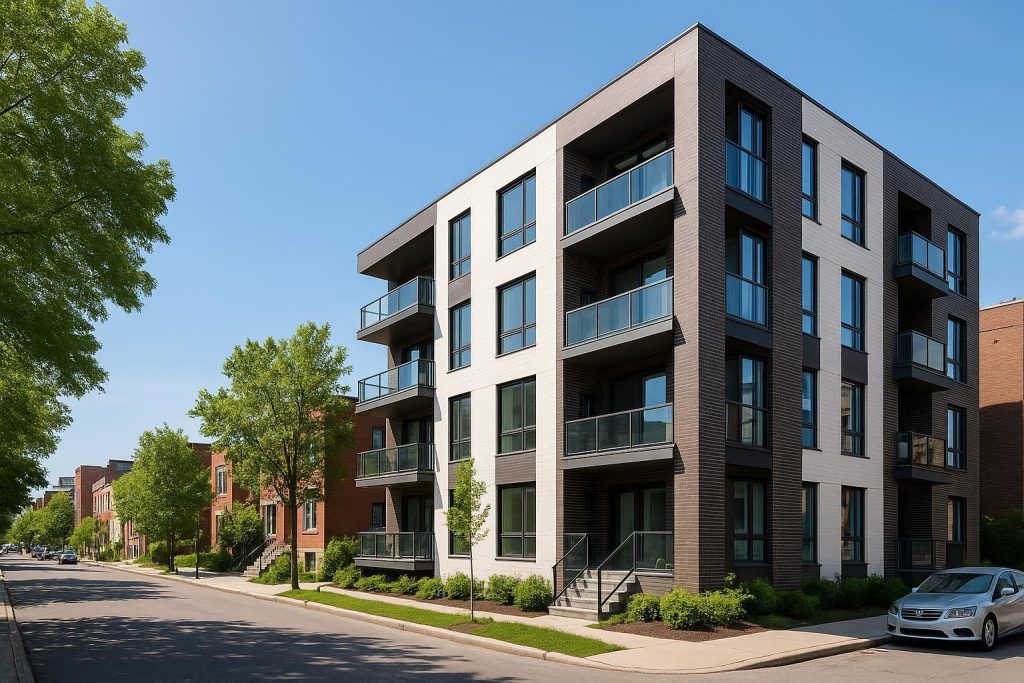
Understanding the Advantages of Multifamily Development
Investing in multifamily real estate can be an effective way to achieve stable, long-term returns in today’s competitive property market. Multifamily developments often include apartment complexes, stacked townhomes, or purpose-built rental buildings. Beyond generating monthly income, these properties contribute to the growth and sustainability of a community, making them an appealing choice for investors who value both financial return and social impact.
In areas like Metro Vancouver and other urban centers, multifamily developments help to counter an undersupplied rental market, enhancing quality of life for tenants and potentially increasing property values. Below, we explore the various reasons why multifamily investment can be an excellent opportunity for those seeking consistent returns and community-minded real estate ownership.
1. Potential for Consistent Cash Flow
One of the most notable benefits of multifamily development is the potential to create a steady income stream. Multiple units in a single property bring rental income on a regular basis. Even during economic downturns, multifamily properties often maintain occupancy better than other real estate asset types, such as single-family rentals, because they cater to a broader segment of renters. This stability can also help smooth out seasonal or market-driven fluctuations.
By design, multifamily developments typically target a large pool of tenants. In many urban locales, including Vancouver, there is consistent demand for professionally managed rental housing. This tenant demand can bolster occupancy rates, thereby contributing to reliable monthly revenues. Moreover, well-designed and properly managed buildings that offer quality living environments often attract longer-term renters, increasing the likelihood of reduced turnover expenses and a more predictable cash flow.
2. Economies of Scale and Operational Efficiencies
When you invest in a multifamily development, you may see lower expenses on a per-unit basis compared to holding multiple single-family properties scattered across various neighborhoods. Maintenance, property management, and repairs are more centralized, which can lead to more efficient processes. Property management companies can address routine maintenance for multiple units in one location rather than traveling between multiple sites.
Consolidating management in a single building also reduces complexities. You can standardize lease agreements, unify policies, and handle tenant inquiries under one roof. This streamlined approach typically makes operational budgeting more predictable. From an investor’s standpoint, thorough cost management is essential to optimizing profitability over time, and multifamily developments often lend themselves to these streamlined systems.
3. Mitigating Risk Through Diversification
Diversification is a common investment principle: it can help reduce overall risk exposure. A multifamily property often houses multiple tenants, which means one or even several vacancies do not eliminate the overall income stream. In contrast, if you rely on rental income from a single-family home and that property becomes vacant, you lose all rental revenue until you find a new tenant.
Because a multifamily development distributes risk across many leases, the impact of a few vacancies is typically far less dramatic. This resilience is particularly beneficial in uncertain market conditions. Rather than depending on one tenant or one unit, investors have multiple sources of income in a single site, creating a more dependable revenue structure.
4. Meeting Community Needs and Adding Value
Multifamily developments can address local housing shortages, especially in urban areas where the demand for rental living is high. Purpose-built rentals respond to the immediate needs of a growing population looking for quality, professionally managed housing. In cities like Vancouver, Calgary, or Toronto, rising real estate costs often underscore the need for rental options that balance affordability with livability.
By investing in multifamily communities, developers and investors can help shape the surrounding neighborhood. These buildings don’t just provide a place to live – they often include amenities like communal spaces, energy-efficient features, and walkable connections to transit or local businesses. Over time, well-designed developments that respond to community needs can enhance a location’s reputation, enrich the urban fabric, and increase property values. Contributing to the vibrancy of an area can translate into positive public perception and stable demand for the property, fostering long-term returns.
5. Long-Term Appreciation Potential
Real estate has traditionally been associated with long-term value growth, and multifamily properties are no exception. In many regions, the scarcity of well-located land and the consistent push for housing solutions have propelled the value of multifamily developments upward over time. While market cycles can affect prices, properties that maintain high occupancy and command market rents often experience steady capital appreciation.
In addition, multifamily buildings with reliable operational histories and a strong tenant base can see enhanced resale value if the investor eventually decides to sell. Prospective buyers will typically review established income statements, streamlined management protocols, and maintenance records, which can lead to a higher resale price. In some cases, an investor may choose to reposition a multifamily property through renovations or the addition of new amenities, further increasing its market value.
6. Potential Leverage in Financing
Securing financing for multifamily developments can sometimes be more accessible than for single-family rentals, as lenders often consider the property’s projected or existing income stream when evaluating the mortgage. With multiple units generating rent, financial institutions see diversified cash flow, which may reduce the lender’s risk profile. This perceived lower risk can open doors to more favorable loan terms and interest rates, effectively improving an investor’s returns.
Additionally, established developers or qualified investors may leverage this type of financing to fund expansions, renovations, or entirely new projects. Over time, successful property performance and a history of stable occupancy can strengthen the investor’s reputation with lenders and potentially open up additional opportunities to acquire or build more complexes in desirable markets.
7. Ongoing Demand in Urban Centers
In metropolitan areas, the shortage of quality rental housing drives ongoing demand for multifamily properties. Occupants often prefer the convenience of living near amenities such as public transit, schools, and local businesses. Multifamily developments that incorporate thoughtful design and practical features, like shared green spaces or communal lounges, may be better positioned to remain competitive over time.
Vancouver, for example, faces well-documented housing pressures, including limited affordability and aging inventory. New and well-managed purpose-built rental communities offer a modern alternative for individuals who prefer renting over ownership or who need flexible living arrangements. When a building caters to everyday needs—good layouts, thoughtful design elements, and consistent property management—it tends to maintain high tenant retention and attract new renters quickly. Such strong demand is a key reason that investors remain interested in this type of housing.
8. Positive Social and Economic Impact
Another strength of multifamily development is the ability to positively shape neighborhoods. By creating housing that is inclusive and well-connected, investors can help bolster local businesses and services. More residents can mean increased foot traffic for nearby shops and restaurants, encouraging economic growth and a heightened sense of community. These developments promote livability, address real housing needs, and can enhance the identity of an area.
Additionally, well-constructed, purpose-built rentals are designed to be long-term assets. They often incorporate energy-efficient systems or thoughtful design choices—features that can reduce their environmental impact. By planning developments that last, investors are not only supporting their individual financial goals but also contributing to wider community sustainability and well-being.
9. Professional Management and Ease of Oversight
When it comes to day-to-day operations, efficiency in tenant relations and building upkeep is essential for success. Many investors choose to hire professional property management firms, which handle rent collection, maintenance requests, and tenant communications. By streamlining these tasks, owners can free up time to focus on other priorities or pursue additional investments.
Even for private owners, managing one unified building—rather than multiple single-family homes—often requires less travel between sites. Setting up standardized procedures for screened applications, lease renewals, and annual maintenance tasks can further improve oversight. This clarity is beneficial to tenants, as they know exactly who to contact and how to report issues, leading to a smoother tenant-landlord relationship overall.
10. Aligning Investment with Community Goals
Multifamily developments, especially those oriented around responsible development practices, can align well with local government initiatives aimed at increasing rental stock. Municipalities often prioritize housing strategies that offer solutions for middle-income families, young professionals, and older residents seeking modern, comfortable rentals. By participating in such initiatives, developers may receive incentives such as zoning flexibility, expedited permitting, or property tax relief—further boosting investment returns.
These alignment opportunities underscore how investing in multifamily development is not solely about financial gains. It also involves using real estate as a tool to foster community well-being. From a branding perspective, forging a reputation for creating tangible neighborhood benefits can be valuable over the long run, fostering goodwill with residents, city planners, and future partners.
Practical Ways to Get Involved
Whether you’re an experienced real estate investor or someone exploring multifamily properties for the first time, there are a few ways to proceed:
- Direct Ownership: Purchase a multifunctional building outright or as part of an investment group. You directly manage or partner with a management company to handle day-to-day operations.
- Joint Ventures: Collaborate with firms that specialize in land acquisition, design, and construction to share both risks and rewards.
- Partnership with Established Developers: Partnering with a reputable development company can offer access to expertise in planning, construction, and long-term management. This approach may reduce some of the regulatory complexities.
Investors who partner with experienced developers often benefit from established relationships with architects, contractors, and city officials. Additionally, these partnerships simplify many of the bureaucratic and logistical challenges of complex projects, allowing you to focus on strategic decisions that support your goals.
Conclusion
Multifamily developments remain an attractive investment avenue for those seeking a combination of stability, risk diversification, and opportunities to shape thriving communities. They offer steady income potential, leverage operational efficiencies, and bring the possibility of long-term capital growth. In markets grappling with housing shortages, such as major urban centres, demand for these purpose-built units often stays resilient.
Beyond the financial upside, multifamily investments can create a lasting sense of place and belonging within their neighborhoods. By taking a responsible and thoughtful approach, developers and investors can cultivate rental communities that are inclusive, well-designed, and seamlessly integrated into the local environment. In doing so, they address key challenges in the housing market while building value for both residents and stakeholders.
For investors motivated by consistent returns and a desire to foster vibrant communities, a multifamily development project stands out as both a prudent and impactful choice. Bringing together strong market demand, diversified income streams, and tangible benefits for the wider community, this asset class promises a compelling blend of stability and social contribution.
