

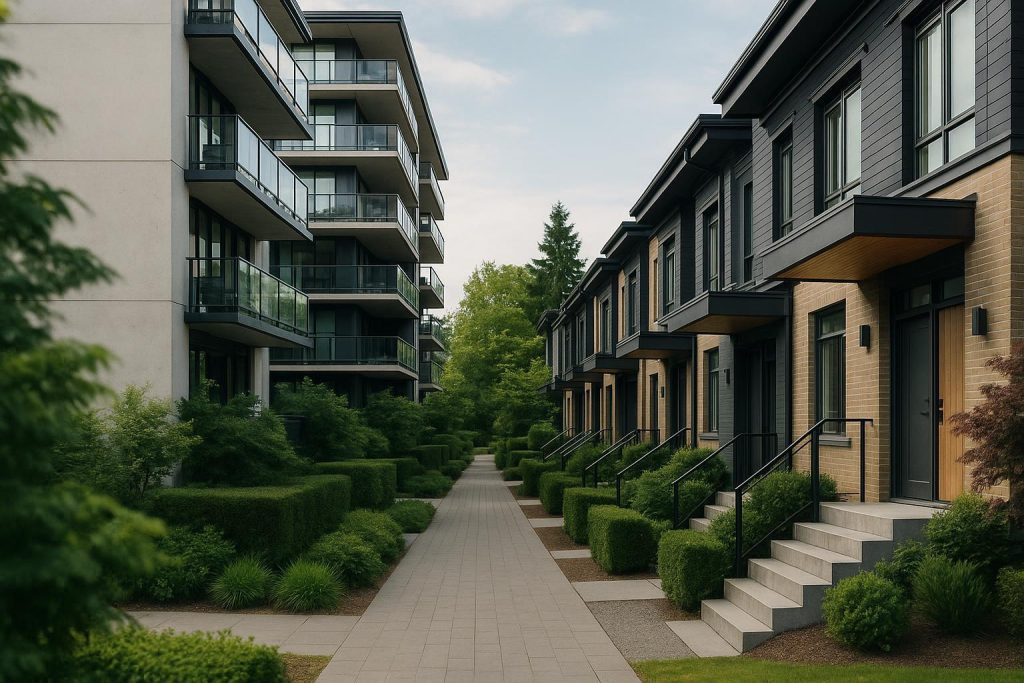
Comparing Condos and Townhouses in Vancouver
Vancouver’s real estate market is diverse, vibrant, and constantly evolving. Within such a dynamic environment, deciding between a condominium (condo) and a townhouse can be challenging. Both housing types serve different needs, lifestyles, and budgets. In this comprehensive guide, we’ll look at the main distinctions between condos and townhouses in Vancouver, touching on factors like ownership models, maintenance responsibilities, living space, and community atmosphere. By the end, you’ll have a clearer sense of which option might best suit your goals, whether you’re planning a long-term residence, expanding your housing portfolio, or simply exploring the city’s real estate possibilities.
1. Understanding Vancouver’s Housing Landscape
Vancouver is known for its stunning waterfront views, cosmopolitan culture, and limited space for new construction. Demand for housing in the city has historically been high, and supply is often constrained by geography and zoning regulations. As a result, multi-family dwellings like condos and townhouses have become essential parts of Vancouver’s residential makeup. They promote density, help manage land use, and offer more accessible entry points into homeownership. However, picking one over the other requires a look at personal preferences and priorities. Factors such as cost, location, lifestyle, and future plans all play a significant role in determining what works for you.
2. What Is a Condo?
A condo is a private residential unit within a multi-unit building or complex. In Vancouver, many high-rise developments and mid-rise buildings are structured as condominiums. As a condo owner, you own your individual unit but also share ownership of common areas. These areas can include hallways, lobbies, landscaped grounds, amenities like gyms or pools, and other shared facilities. Legally, these shared spaces are managed collectively by a strata council (often referred to as a condo board in other regions). Strata fees are paid by each owner to maintain common areas, cover building insurance, and sometimes pay for communal amenities like heating in common areas or a concierge service.
One of the key advantages of condo living is simplicity. Day-to-day upkeep of exteriors, landscaping, and shared facilities is handled through the strata or professional property management. If you have a busy lifestyle, travel often, or prefer not to worry about landscaping, snow removal, or exterior repairs, a condo can be a suitable choice. Additionally, condos in Vancouver often come with amenities like shared rooftop decks, fitness centers, communal lounges, or bike storage rooms—features that can enhance comfort and social interactions. Keep in mind, however, these perks often require monthly strata contributions to cover ongoing expenses.
3. What Is a Townhouse?
A townhouse, sometimes referred to as a townhome, is typically a multi-level attached property that shares walls with neighboring units but has its own separate entrance. Compared to condos, townhouses give a stronger sense of independent living. You often have a small yard or patio area, and in many cases, you own both the interior and exterior of the unit, including the roof and sometimes the land beneath the property. Townhouses also frequently feature multiple floors, which helps provide a layout more reminiscent of a single-family home—albeit on a narrower lot.
Just like condos, most townhouses in Vancouver operate under a strata arrangement. This means there may still be monthly fees for exterior maintenance, common property upkeep, and shared amenities. The extent of your maintenance responsibility can vary significantly, depending on how the strata is set up. In some cases, the strata may only maintain shared driveways or gardens, leaving you responsible for the exterior of your unit. In others, the townhouse strata might manage roof repairs and exterior painting but expect you to handle landscaping. The specifics are governed by a set of strata bylaws, so potential buyers or renters should always review these documents before signing on the dotted line.
4. Cost and Maintenance Differences
Budget considerations are often at the forefront when choosing between a condo and a townhouse. Generally, condos can be more cost-effective to purchase than comparably sized townhouses, though this is not a hard-and-fast rule. Key factors influencing price include:
- Location: A condo in a prime downtown district may cost more per square foot than a similarly sized townhouse located farther from the city center.
- Size and Layout: Townhouses often offer more square footage and multi-level layouts, which can drive up the initial purchase price.
- Amenities: Condo buildings with extensive amenities—like pools, gyms, or concierge services—will have higher strata fees. Townhouses with fewer shared facilities may have lower monthly fees, but individual upkeep can still be significant.
In terms of ongoing maintenance, condo owners share the financial burden of building upkeep through strata fees. Meanwhile, townhouse owners may find more of their responsibilities are individual, potentially resulting in more hands-on involvement (e.g., personal landscaping, minor outdoor repairs). It’s worth weighing these pros and cons carefully. Some people prefer paying a monthly fee for peace of mind, while others want a stronger sense of control over property maintenance decisions.
5. Space and Layout Considerations
When it comes to interior space, condos typically come in a variety of layouts: studio, one-bedroom, two-bedroom, and more. However, the majority of condos operate on a single-floor plan. Townhouses, by contrast, commonly feature two or three floors, allowing for a separation of living and sleeping areas. This multi-floor arrangement can be ideal for families or those who prefer an upper level for privacy and a main floor for entertaining.
Because of their design, townhouses often feel more like a traditional house. They may include private garages (attached or underground), direct front doors that open to the street, and yard-like outdoor spaces or patios. That said, if climbing stairs is an issue or if you’re looking for a smaller, more compact home, a condo may be a smoother fit. It’s essential to think about your current and future needs—perhaps you foresee a growing family or may soon require accessible living arrangements. Visualizing how you’ll use each room can help you determine the right choice for you.
6. Lifestyle Considerations
Ultimately, lifestyle factors can guide whether you choose a condo or townhouse in Vancouver. Here are a few scenarios to consider:
- Urban Convenience: If you love being in the heart of the city, close to restaurants, cultural centers, and major transit lines, a condo may be more common in those prime central locations. Many high-rise condo developments are within walking distance of workplaces, shops, and public transit hubs, reducing the reliance on a car.
- Desire for Community: Both condos and townhouses can have strong community elements. In a condo building, you might end up interacting with neighbors in elevators, shared lounges, or recreation areas. With townhouses, a smaller cluster of neighbors often fosters a closer-knit community. People who value privacy might prefer the direct street-level entrance of a townhouse, while those who enjoy communal gatherings might appreciate the amenities in a condo building.
- Future Growth: If you plan on starting a family or need more space for a home office, a townhouse’s multi-floor layout might offer more flexibility. Meanwhile, if you’re busy or traveling frequently, the relatively low-maintenance nature of condo living can be very appealing.
Vancouver’s diverse neighborhoods present endless possibilities, and each housing type offers unique advantages. The key is to assess your immediate priorities and look down the road at what you might need in the future.
7. Strata Living and Rules
Both condos and townhouses in Vancouver fall under strata living regulations. These rules govern everything from bylaws on renovations to guidelines around noise and use of shared amenities. While strata living helps maintain building standards, protect property values, and ensure consistent upkeep, some individuals might find it restrictive. Depending on the building or complex, you may see requirements around parking, rental permits, or even what types of improvements can be made to your exterior. Asking for the latest copy of the strata bylaws and a record of strata council meeting minutes can provide valuable insight before you commit. It’s always best to fully understand the community’s approach to fees, repairs, and daily living guidelines.
8. Resale Value and Market Demand
In Vancouver’s highly competitive market, both condos and townhouses tend to retain strong demand. Condos typically attract first-time buyers, downsizers, and investors seeking central locations or rental possibilities. Townhouses, on the other hand, may appeal to families, couples looking for more elbow room, or individuals with an eye on a single-family home lifestyle but who can’t justify a detached house’s price in the city. Townhouses usually provide more square footage and a private entrance, often translating into a higher initial cost but also a potential for robust resale value.
It’s also worth noting that certain Vancouver neighborhoods naturally favor one type over the other. Areas with limited land might see more condo development, while neighborhoods with slightly more space might offer townhouse complexes. Since real estate trends can shift, keep tabs on local market reports and consider working with a knowledgeable advisor or real estate professional who understands the intricacies of each micro-market.
9. Making the Right Choice for You
To make the most informed decision, clarify what you value most in a home. Consider these key questions:
- Do you need additional space or private outdoor areas for children or entertaining? If so, a townhouse might be your top pick.
- Does the thought of ongoing exterior maintenance stress you out? A condo may be easier to manage since maintenance and major building repairs are handled collectively.
- Is community engagement or a sense of neighborly connection a top priority? Both housing types offer social opportunities, but a condo might have more group amenities, whereas a townhouse community might feel smaller and more personal.
- What about future flexibility or expansion? If you’re planning to grow your household, a townhouse layout can be a practical investment. On the other hand, if you’d prefer a lock-and-leave lifestyle, a condo might be simpler.
As you weigh these options, keep your budget, ongoing costs, and personal needs in focus. Both condos and townhouses can be outstanding investments and places to call home, but the best choice hinges on your specific circumstances.
10. Exploring Purpose-Built Housing
Vancouver’s push toward more sustainable, community-focused real estate has led to new developments that blend the benefits of condo living, townhouse design, and purpose-built rental projects. While many prospective owners are drawn to private ownership, renting may also be a smart option depending on your life stage or short-term plans. Purpose-built rental communities can often offer amenities that echo those found in condo complexes, such as well-designed shared spaces and professional management.
If you’re curious about examples of modern multi-family development in Vancouver, you might want to take a look at local innovations. By exploring projects that incorporate thoughtful design, reliable construction, and a long-term vision, you can discover a property type that aligns with your lifestyle. Some developments aim for a balance between shared amenities and private living—an approach that appeals to those who appreciate a tailored community experience. Whether you’re leaning towards owning a townhouse, purchasing a condo, or even exploring rentals, staying up to date with well-planned developments can give you a better sense of how these housing types are evolving in Vancouver.
11. Final Thoughts
Choosing between a condominium and a townhouse involves more than just comparing square footage or the number of bedrooms. It’s about envisioning how a particular space, community structure, and location can support your life in Vancouver. A condo might be perfect if you value convenience and a lock-and-leave lifestyle. A townhouse could be ideal if you’re seeking a blend of house-like space and easier upkeep than a detached home. Regardless of your choice, Vancouver’s real estate market offers a variety of well-connected neighborhoods, each with its own local charm. Spending time on research, reviewing strata regulations, and understanding your personal housing goals is the best way to make an informed decision.
If you’d like to explore some of the city’s community-driven developments or rentals under a single umbrella—whether to learn about design standards or get a sense of modern urban living—consider visiting our Projects page. You may also want to browse our Rentals offerings if you’re weighing different housing options. Gathering a broad perspective can help you see how new buildings are integrating into the fabric of Vancouver’s neighborhoods, ultimately guiding you toward the type of property that aligns with your needs and vision.
Whether you decide on a condo’s simplicity or a townhouse’s multi-level charm, Vancouver provides ample opportunities to find a home that promotes long-term value, livability, and a sense of connection to the local community. By balancing budget, lifestyle, and future aspirations, you can feel confident in selecting the right fit in this dynamic city.
