

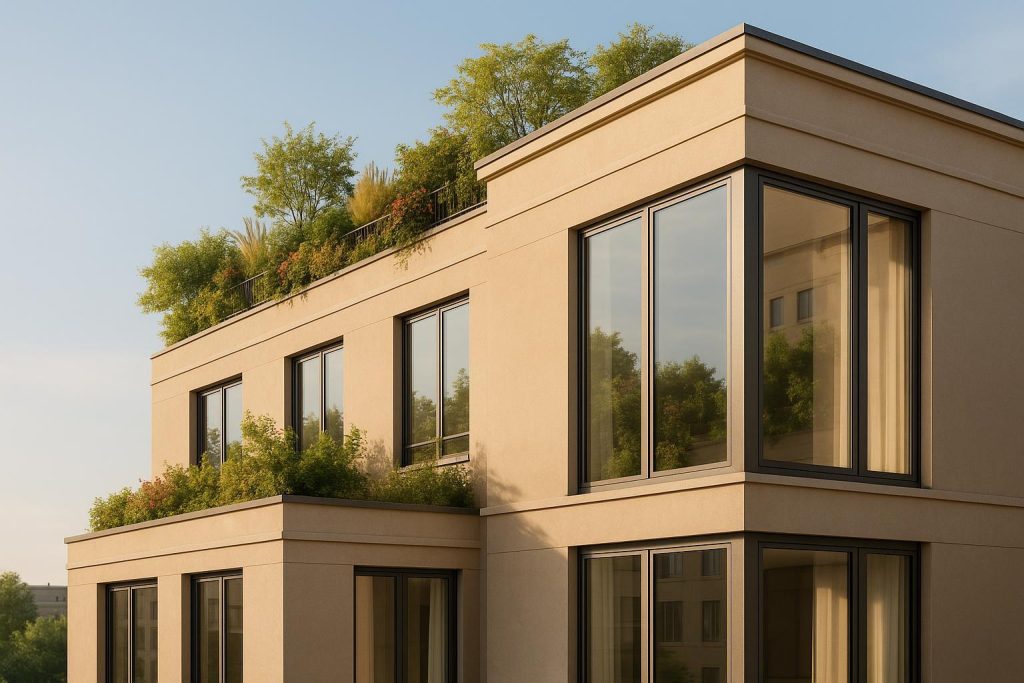
Eco-conscious building and design principles have seen remarkable growth in recent years, especially within upscale housing developments. More prospective homeowners and investors are seeking out residences that offer both comfort and sustainable living solutions. This shift is driven by increased environmental awareness, a desire to reduce carbon footprints, and the long-term economic advantages that come with energy efficiency. As a result, features once considered exceptional—such as solar installations and advanced insulation—are now increasingly common in high-end communities. In this comprehensive guide, we explore why eco-friendly features are so prevalent in upscale enclaves, what specific innovations are being implemented, and how these choices improve quality of life. Whether you’re considering buying, renting, or investing, understanding the role of sustainability in luxury residential spaces can help you make the best possible decision for your home and your future.
Where Luxury Meets Responsibility
Luxury living and environmental stewardship were once perceived as two separate goals, but the landscape has changed. Upscale communities are marrying the aesthetics and amenities of high-end design with responsible resource management. Developers now realize that the modern homeowner values both the beauty of a well-appointed residence and the guarantee that their property is built with low-impact materials and technologies. This trend goes beyond trendiness; it represents a conscious choice to blend luxury lifestyle preferences with a sense of global and community responsibility. In fact, eco-friendly features are frequently leveraged to provide healthier environments and lower operating costs, offering a return on investment for prospective buyers and aligning with a more conscientious approach to housing.
This emphasis on marrying luxury and eco-friendliness is seen in everything from the choice of building materials to the layout of entire properties. For instance, developers have embraced sustainable resources such as bamboo flooring for its rapid growth rate and minimal impact on forestry. Likewise, windows in many upscale units now incorporate double or triple glazing to ensure maximum insulation. Even landscaping practices have advanced, with more architects turning toward native plant species that require less water and chemical intervention to thrive. These elements do not compromise on style; if anything, they often enhance the overall look and feel of a residence, cementing the idea that being environmentally responsible and living in luxury can coexist seamlessly.
Why Energy Efficiency Matters
Energy efficiency tops the list of concerns for homeowners who seek sustainable solutions. Technologies that reduce energy usage can lower utility bills, minimize greenhouse gas emissions, and create a comfortable indoor environment. Many upscale communities now incorporate advanced HVAC systems, geothermal heating solutions, and smart-home automation that fine-tunes heating and cooling based on real-time conditions. In colder climates, high-performance insulation—often utilized in walls and roofing—helps maintain stable indoor temperatures. Upgraded windows, doors, and sealing materials minimize heat loss in the winter and keep interior spaces cooler in the summer.
Additionally, some luxury properties are integrating on-site renewable energy technologies. Solar panel arrays, once a rarity, are increasingly commonplace. When installed correctly, solar systems can generate enough electricity to offset a significant portion of a home’s energy consumption. This approach aligns with the growing movement toward net-zero living, where a structure produces as much or more energy than it consumes. Energy efficiency is not only good for the planet but helps maintain consistent, comfortable conditions within the home. The result? Residents benefit from lower monthly costs, while the property commands long-term value, creating a win-win scenario.
The Role of Healthy Materials and Indoor Air Quality
While energy efficiency is crucial, the materials inside a home are equally important for sustainable building. Eco-friendly building materials typically have lower levels of volatile organic compounds (VOCs), which can off-gas and affect indoor air quality. Upscale developments often specify paints and finishes that are non-toxic, drastically minimizing the presence of common pollutants. Beyond obvious materials like paint and flooring, responsible builders also consider the adhesives and sealants used during construction. These invisible elements can significantly influence indoor air quality, impacting health and comfort.
High-end communities also take advantage of advanced HVAC systems that filter outdoor pollutants and circulate fresh, purified air. Ventilation plays a major role in ensuring that moisture is properly managed so that mold and allergens do not accumulate. Another subtle yet vital element is sound insulation: by using strategic acoustic designs and materials, developers can block out noise pollution, promoting a serene environment for residents. Altogether, these and other features create a refined atmosphere that is not only visually appealing but fosters a sense of well-being aligned with a sustainable outlook.
Smart-Home Automation for Sustainable Living
Automation systems have surged in popularity, and programmable technologies are vital tools in creating an eco-friendly lifestyle. Luxurious residences increasingly feature centralized automation hubs that manage lighting, thermostats, and even irrigation systems. In practice, this translates to lights that switch off when rooms are not in use, thermostats that self-adjust to maintain efficiency, and irrigation setups that respond to local weather data, ensuring exactly the right amount of water is delivered to lawns or gardens. These systems reduce unnecessary resource consumption and can be customized to the resident’s daily routines and preferences.
Moreover, smart-home platforms typically provide real-time feedback on energy usage, enabling homeowners to pinpoint areas of high consumption and make targeted improvements. Energy monitoring dashboards offer insights that go far beyond traditional utility bills, highlighting particular appliances or habits that draw excessive power. The value of this data cannot be overstated, as it empowers residents to refine and improve their daily habits. By integrating technology thoughtfully, upscale communities ensure that sustainability is not just an abstraction but a well-informed lifestyle supported by real-time analytics.
- Lighting control: Smart systems automatically dim or switch off lights based on occupancy and daylight levels.
- Temperature management: Sensors adapt heating and cooling to daily patterns, cutting energy use without sacrificing comfort.
- Water conservation: Irrigation systems connect to local weather forecasts to prevent over-watering lawns and gardens.
- Energy consumption tracking: Dashboards display usage in real-time, helping residents identify areas for improvement.
Landscaping and Water Conservation
Outdoor spaces are a defining characteristic of luxury living, and eco-friendly landscaping is increasingly a key aspect of upscale development. Native plant species, which are already adapted to local climates, require less irrigation and fertilization. This not only cuts down on water consumption but reduces reliance on chemical fertilizers and pesticides. Sustainable practices, such as using mulch from organic waste and installing drip irrigation systems, further optimize water usage. The result is an outdoor environment that is aesthetically pleasing but requires fewer resources to maintain—and those savings are often passed on to residents.
Another important innovation is the use of permeable surfaces on driveways and walkways. These surfaces allow rainwater to seep back into the ground, reducing stormwater runoff and minimizing erosion. Rainwater capture systems are also rising in popularity, funneling collected water for tasks like landscaping, car washing, or other non-potable uses. By embracing these approaches, upscale communities showcase how landscapes can be both beautiful and lower-impact. It’s also worth noting that thoughtful landscaping improves air quality and helps maintain biodiversity, thus enhancing the overall appeal of a property. The stewardship that developers and residents show in caring for green spaces reflects a broader move toward responsible growth.
Enhancing Property Value and Community Appeal
Sustainability-focused investments often lead to tangible returns. Eco-friendly features can boost property values by appealing to a broad range of buyers and renters who value both modern comfort and environmental consciousness. Building certifications such as LEED (Leadership in Energy and Environmental Design) or other local green building standards can validate these efforts, which in turn elevates a community’s status. In the luxury sector, such recognitions demonstrate that quality and sustainability are pursued in tandem, adding an extra layer of prestige. Potential buyers who might otherwise compare properties based primarily on location and aesthetics are more likely to opt for a complex that demonstrates forward-thinking design and resource efficiency.
These benefits go beyond aesthetics and recognition; cost savings from reduced energy consumption and less frequent maintenance can offset the initial price premium of green features. Both short- and long-term gains are realized through decreased utility bills, fewer repairs, and overall greater longevity of materials. Over time, these properties often maintain a higher resale value compared to conventional developments, essentially rewarding sustainable choices for years to come. Developers committed to eco-friendly practices stand out in a competitive market, and the communities they build attract residents who appreciate mindful living and innovation. Even those who focus primarily on the “luxury” aspect soon discover that a home with an eco-friendly foundation tends to be more robust and offers greater tranquility.
A Broader Context: Urban Integration and Mixed-Use Possibilities
Eco-friendly building is not conducted in isolation. Many developers are exploring how green design intersects with other forward-thinking concepts like mixed-use developments. Combining residential spaces with commercial and communal areas in a single project can reduce commute times, encourage walkability, and foster vibrant communities. If you are curious about whether mixed-use developments are suitable for high-end residential living, you can find more insights on how this approach benefits both inhabitants and local businesses.
On a broader scale, eco-friendly luxury developments can help shape the neighborhoods around them by setting new standards of responsible design. These communities often include well-planned common spaces, green rooftops, and other shared amenities that are accessible to both residents and visitors. The outcome is a more holistic and inclusive environment. City planners and community stakeholders frequently look to such developments as models for integrating sustainable strategies with top-tier amenities. By leading through example, luxury enclaves can contribute to a ripple effect that encourages neighboring communities to adopt greener models.
Smart Planning, Multi-Family Enclaves, and the Bigger Picture
The path to an environmentally responsible upscale community involves meticulous planning from the earliest stages. For instance, architects and engineers collaborate with local officials to align new projects with municipal sustainability goals. If you are intrigued by the strategic blueprint behind such initiatives, our FAQ, What goes into the planning of a multi-family enclave in an upscale area?, dives deeper into land usage, resource allocation, and community engagement. These efforts ensure that every aspect—from the orientation of buildings to the choice of green construction materials—is given proper attention.
This approach is especially relevant in bustling metropolitan areas like Vancouver, where land is at a premium and careful resource management is vital. Developers who adopt a holistic mindset are typically better equipped to navigate the complexities of land acquisition, zoning approvals, and stakeholder needs. By embracing eco-friendly elements, high-end communities showcase that luxury can—and should—address challenges such as limited space and environmental strain. When homes are designed with longevity and resilience in mind, they can better withstand everything from evolving energy regulations to changes in climate patterns. The result is a living space that remains desirable for decades to come, fostering stable investments and satisfied residents.
The Importance of Collaboration and Community Engagement
Another crucial factor in ensuring sustainability within upscale neighborhoods is the collaboration between developers, residents, and the wider community. Public consultations often help refine building plans and amenity offerings in ways that respect local priorities. Residents, for their part, can participate in programs aimed at reducing energy usage, like community-wide recycling, composting initiatives, or even car-sharing services. By involving all stakeholders, developments become more than just buildings—they transform into shared environments where each individual can contribute to collective stewardship. This kind of engagement ensures that eco-friendly principles are not simply a matter of technological adoption but become woven into the daily routines of people who live there.
Moreover, active collaboration can encourage local innovation and job creation. From architects specializing in green design to landscaping companies that focus on sustainable horticulture, local economies benefit when environmental considerations are front and center. This synergy between developers and the community promotes a sense of shared responsibility, making it more likely that green features remain well-maintained and continually improved upon. Through education and open dialogue, communities lay the groundwork for lasting change, rooting themselves in the idea that each resident plays a part in preserving shared amenities. Engaged homeowners, city officials, and industry professionals can tap into these connections to keep pushing boundaries, ultimately ensuring that upscale living aligns with a broader environmental mission.
Examples of Subtle (Yet Significant) Green Upgrades
When we speak of sustainability in luxury contexts, high-profile systems like solar panels or geothermal heating often take the spotlight. Yet many subtle features also profoundly contribute to eco-friendly homes. For instance, using responsibly sourced lumber certified by organizations that ensure reforestation can drastically lessen the environmental toll of a project. Low-flow faucets and showerheads reduce water usage without compromising on comfort or water pressure, an innovation particularly significant in regions experiencing water scarcity. Thoughtful lighting design, incorporating a combination of skylights and energy-efficient LEDs, not only lowers electricity bills but creates a more inviting ambiance throughout the day.
Builders also pay attention to how different building materials work together to achieve an energy-efficient envelope. The synergy of thermal break technologies, air barriers, and well-fitting windows can produce dramatic reductions in heating and cooling demands. In tropical or humid climates, cross-ventilation can optimize air circulation and lessen reliance on mechanical air conditioning. While these measures may appear incidental compared to the installation of photovoltaic systems, their combined impact can be substantial. They are often cost-effective as well, unveiling smaller but consistent benefits that add up over time. By recognizing the importance of these less conspicuous yet highly effective design strategies, upscale communities maintain an environment that is both elegant and respectful of natural resources.
A Practical Approach: Learning from Real Projects
Sometimes, seeing is believing. Prospective buyers or tenants can learn a great deal by examining real-world examples of eco-conscious construction. In many of our Projects, for example, the development philosophy focuses on complementing the natural surroundings. Open spaces, water-conserving gardens, and energy-efficient building exteriors offer a glimpse of how environmental mindfulness shapes both design and functionality. Features such as advanced building envelopes, carefully selected insulation materials, and strategic window placement illustrate the practical steps developers are taking to merge style with sustainability.
Taking time to research successful precedents can clarify how these principles translate into daily living. If you’re looking at whether to invest in a community that incorporates similar elements, consider speaking with current residents or scheduling a property tour. Observing how a well-kept complex integrates sustainability into its day-to-day operations can provide reassurance that these features truly enhance living conditions. Moreover, living in a neighborhood that has embraced eco-friendly methodologies encourages continued education and shared enthusiasm for tackling environmental challenges. Such environments often serve as catalysts for further personal or communal green initiatives, illustrating the ripple effect that intentional design can spark.
Looking Forward: Sustainable Luxury as the New Normal
The future of upscale residential living is undeniably bound to sustainability. As governments strengthen green regulations and the public’s awareness of climate change intensifies, eco-friendly designs will become standard rather than exceptional. Already, many homeowners expect builders to use environmentally responsible materials, commit to reducing waste, and integrate renewable energy sources. For those contemplating the potential impact on real estate values, consider that environmentally conscious building trends continue to gain momentum. To delve deeper into the economic side of upscale real estate, you may find the companion piece, What factors influence high-end real estate prices in Vancouver?, particularly insightful. Not only are green properties more resilient to shifts in government policy and market preferences, but they also attract discerning buyers who value long-term well-being.
Despite the growing popularity of these enhancements, the essence of luxury remains unchanged: comfort, elegance, and thoughtful design. What is changing is the perspective that such luxury can exist in harmony with sustainability. Modern communities willingly invest in top-tier features that reduce waste, preserve air and water quality, and foster a sense of connection to the environment. These priorities resonate with homeowners who want both the benefits of sophisticated living and the satisfaction of knowing that their home treads lightly on the planet. In short, upscale developments are leading the way, demonstrating that responsible construction and elevated lifestyles can indeed go hand in hand.
Conclusion: Finding the Right Eco-Friendly Community
So, are eco-friendly building features common in upscale communities? The short answer is a resounding yes. High-end developments are increasingly moving beyond conventional ideas of design to incorporate cutting-edge, earth-conscious principles. Whether it’s reducing monthly utility bills, improving indoor air quality, or harnessing renewable energy sources, green innovation is at the forefront of modern architecture. Responsible builders like Vittori Developments excel at weaving sustainability into every phase, from initial planning to final finishes, ensuring homeowners not only gain a luxurious living experience but also a profound sense of place and purpose.
If you’re currently searching for a home or planning to invest in a property, exploring the diversity of eco-friendly features can help you determine your priorities. Investigate how communities handle water usage, look at their air quality measures, and ask about the building materials utilized. This knowledge will empower you to choose a residence that aligns with both your lifestyle and your ethical beliefs. Living in a community shaped by green objectives is about more than accolades; it’s an investment in the future. Whether you desire advanced insulation, smart-home automation, or simply a healthier environment for your family, eco-friendly components add immeasurable value. In today’s market, sustainable living is not only a practical choice—it’s an integral part of the luxury experience.
