

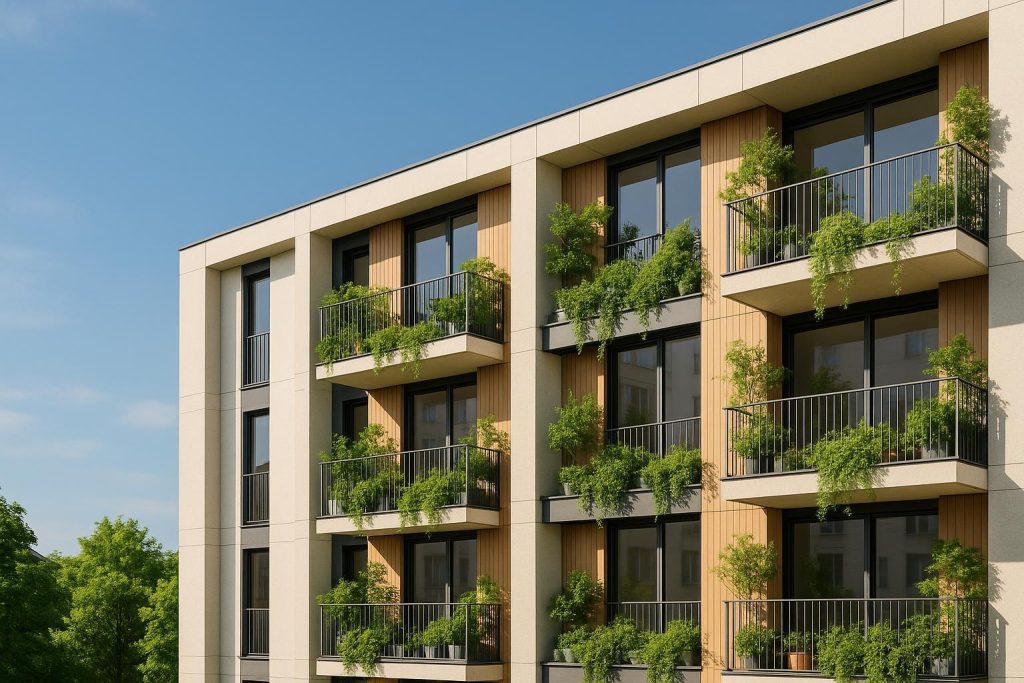
Understanding the Costs and Benefits of Eco-Friendly Building Materials for Condo Developments
Eco-friendly building materials have steadily gained momentum among developers and residents seeking sustainable living. While these materials can sometimes have a higher initial price tag, increasing numbers of people acknowledge the long-term returns. There is curiosity about whether these added costs really pay off, and how sustainable design choices affect condo developments over time. In this comprehensive explanation, we will explore the potential expenses, returns, and broader advantages of integrating eco-friendly materials. We will also examine the responsibilities of developers, highlight popular green materials, and see how such innovations shape the entire condo experience.
When we refer to eco-friendly building materials, we mean those that minimize harm to the environment through their production, sourcing, or lifecycle. Examples include recycled steel, renewable woods, and non-toxic insulation. At a glance, you might see a higher price for such materials compared to conventional options. However, the true question lies in understanding how these more responsible choices can eventually lead to savings and broader benefits. By factoring in future energy efficiency, durability, and resale value, many discover that what appears expensive upfront often balances out—and sometimes even surpasses—the performance of traditional materials in the long run. Many condo owners also appreciate living in modern, health-focused buildings that reduce their impact on the planet.
Why Eco-Friendly Materials Sometimes Cost More
The higher initial costs of eco-conscious materials stem from factors such as specialized production methods, resource management, and limited availability. For instance, creating recycled steel requires advanced processing to ensure the metal remains strong, while responsibly sourced timber must be certified by organizations that confirm its sustainability. Some of these producers are also smaller or local, which can translate to a higher price because they do not mass-produce on the same scale as mainstream manufacturers. Meanwhile, rigorous research and quality checks can lead to extra upfront expenses for developers mindful about meeting green certifications, such as LEED (Leadership in Energy and Environmental Design). All these considerations contribute to a price difference when compared to standard building components.
Another influencing factor is that eco-friendly materials may involve transportation from specialized suppliers, especially if local, sustainably managed forestry or metals are not immediately nearby. This distance can add to shipping costs and logistical complexities. However, as more consumers demand green building solutions, the market is evolving, and production processes are becoming more streamlined. Over time, this shift may lead to broader availability and fewer cost barriers. The narrative around the price of eco-friendly materials thus continues to fluctuate. Developers who keep an eye on these trends can benefit from the growing number of suppliers and innovative technologies that bring these materials closer to affordability.
Recovering Costs Through Long-Term Savings
A major selling point for using eco-friendly building materials is the potential for long-term savings. These can appear in several forms. The most significant tends to be utility bill reductions due to improved insulation, efficient windows, and other energy-saving features. For instance, well-installed insulation prevents drafts and reduces the need for high heating or cooling levels, providing monthly savings on electric or gas bills. Over the course of years, small savings can accumulate, ultimately covering the initial cost difference for environmentally responsible materials. Technique and design can also reduce dependence on artificial lighting and temperature regulation, which further influences overall operating fees for condo residents.
Beyond reduced utility bills, green building components often have lower maintenance requirements. Recycled steel, for example, can be more resistant to corrosion than some conventional materials, translating to fewer repairs. Sustainably sourced timber can also be processed in ways that ward off pests, mold, or other hazards that might necessitate frequent replacement. This durability reduces upkeep costs, sparing condo associations and residents from frequent, pricey renovations or replacements. In other words, if you are a developer or homeowner, investing in high-performing materials becomes a practical strategy for reducing ongoing property expenses in the long term. For a deeper exploration, you might want to see how certain developers approach upkeep by reading Do eco condos require special maintenance to remain energy-efficient?
The Impact on Market Appeal and Core Value
Eco-friendly building materials not only benefit finances but also elevate the image of a condo development in the marketplace. Many potential buyers and renters are increasingly motivated to find homes that align with their values on climate responsibility and healthier living environments. By selecting sustainable materials, the developer signals a commitment to long-term stewardship. This enhanced reputation can help attract residents who place a premium on environmental responsibility, and in turn, can translate to greater tenant loyalty and sometimes a higher resale value. In addition, living spaces featuring clean air, natural lighting, and optimized temperature control make for a more comfortable and pleasant environment.
In a competitive urban real estate market, demonstrating green initiatives can set a building apart. Where prospective buyers can choose from numerous developments, the inclusion of green building methods provides a unique selling point that fosters trust and interest. Over time, these advantages have the potential to bolster a property’s asset worth. If you are interested in how eco-conscious development can amplify future outcomes, the sibling resource How does living in an eco-conscious development benefit long-term property values? offers greater detail on the bigger financial picture.
It is also worth noting that environmentally responsible buildings often ease the process of obtaining certain loans or green mortgages. Although conventional financing remains popular, there are developers who investigate special financing available for sustainable condo projects. This can significantly lower borrowing costs and further offset the high startup expenses inherent in eco-friendly building plans. As more financial institutions embrace green initiatives, these specialized programs will continue to open more doors for developments aiming to strike a balance between cost and sustainability.
Key Eco-Friendly Materials and Their Advantages
Before deciding whether or not to invest in green materials, it is useful to understand how they function and how they can make a real difference in condo development. Here are some of the most popular choices:
- Recycled Steel: Used frequently for structural frames, recycled steel preserves natural resources and avoids the energy-intensive process of extracting new ore. It is extremely durable, safeguarding buildings from common issues such as pests and moisture buildup. Although it can cost more upfront, it rarely requires substantial maintenance over time.
- Sustainably Sourced Timber: This wood comes from responsibly managed forests where trees are harvested at a rate that allows reforestation to happen smoothly. Certified timber ensures that ecosystems are maintained and sometimes improved through harvesting practices. Not only does this cater to environmental concerns, but it also resonates with condo owners who prefer natural aesthetics and lower carbon footprints.
- High-Performance Insulation: Whether made from recycled denim, cellulose, or specialized foam, insulation that meets higher green standards helps control internal climate more efficiently. This lowers heating and cooling bills and keeps living spaces more comfortable overall. Some eco-friendly insulation materials also have fewer chemical irritants, improving indoor air quality.
- Low-VOC Paints and Sealants: Volatile Organic Compounds (VOCs) are chemicals that can evaporate into the air and contribute to respiratory problems or severe allergies. Low-VOC or zero-VOC paints significantly reduce these emissions. Choosing products with fewer toxins is beneficial for both human health and the surrounding environment.
- Engineered Wood Products: A blend of techniques allows manufacturers to use smaller pieces of wood to create beams and panels that are even sturdier than standard lumber. This process can lower waste, optimize performance, and cut costs under certain conditions. It is another option for condo developers wanting the look of wood without high consumption of raw trees.
Each of these materials plays a part in reducing the environmental footprint of a building. By knitting them together into a cohesive design, developers can create structures that are comfortable, cost-effective, and ready for the future. For a wider view of additional green components, What eco-friendly features can I expect in a green condo building? outlines a range of innovations, from water-saving appliances to solar panel integration and beyond. Another related topic is how solar power influences utility expenses, explained in How can solar panels help reduce condo electricity costs?
Navigating the Upfront Investment Barrier
Because green building materials can come with a higher cost, many developers, owners, and prospective buyers wonder how best to handle natural budget constraints. One approach is to set priorities early in the design phase. Developers can identify which components deliver the greatest environmental and financial payoff. For instance, they might decide to allocate a larger portion of the budget to high-efficiency insulation or high-quality windows, confident that these features drive immediate and measurable reductions in monthly utilities.
In addition, some governments or municipalities offer incentives and rebates for builders who adhere to certain sustainability principles. Over time, such incentives can help cover the gap between standard material costs and their eco-friendly equivalents. In condo settings, these benefits do not only help the budget but also contribute to a healthier living experience for all residents. Meanwhile, thoughtful planning reduces waste during construction, which also translates to cost savings. If you are curious about other ways to make eco-conscious living more accessible, you may want to read about community-focused amenities in eco-friendly condo complexes or explore how to reduce water usage in a condo setting. These features can factor into broader budget considerations since they create efficiencies for residents and lower overall resource demand.
Another technique involves the phased introduction of eco-friendly materials. In that scenario, developers tackle the most critical elements first—such as environmentally conscious insulation, structural frames, or essential finishes—and gradually incorporate additional green features over time. Rather than absorbing a single large expense, this staged approach can help keep building costs on track while still moving toward a more sustainable final product. Moreover, it helps buyers or condo boards to appreciate immediate benefits while anticipating further enhancements down the road.
In parallel, it is beneficial to educate residents on how these features can improve their daily life and encourage them to support, or even invest in, further green initiatives. People who understand the tangible benefits of insulation and renewable materials are often more willing to participate in ongoing improvements. Likewise, they may be open to paying slightly higher condo fees if the returns in terms of reduced utility costs and a healthier living space are evident. This culture of collaboration is essential in condos that champion earth-friendly philosophies.
Enhancing Modern Amenities Through Sustainable Choices
Choosing green building materials does not mean sacrificing style or convenience. Those living in eco-conscious developments can still enjoy modern amenities while living in an eco-friendly condo. For example, advanced HVAC systems work closely with efficient insulation, creating indoor spaces that are as comfortable as they are efficient. Interiors can still feature stylish design, whether that is polished concrete floors made from recycled components, or elegantly finished timber that underscores the warmth of natural materials. If you want to explore actual condo projects that effectively balance style, comfort, and sustainability, feel free to explore our projects to uncover how sustainable principles come to life in real-world communities.
Moreover, the environmental benefits do not end once construction wraps up. Ongoing operations and shared spaces can be enhanced by sustainable strategies. Rooftop gardens and community lounges furnished with natural materials are increasingly popular, creating a sense of unity among residents eager to enjoy a cleaner, more soothing environment. It is this synergy between design, materials, and daily life that truly captures the essence of eco-friendly development.
When well-executed, condos built with green materials blend seamlessly into the broader goal of responsible development. They present an option for people who want to integrate environmental consciousness into every facet of their lives, from how they commute to how they maintain their homes. Residents often become more conscious of waste, energy, and water usage, creating a community where everyone is collectively committed to sustaining the environment. Such communal efforts can even influence condo insurance rates by demonstrating lower risk profiles. This further highlights the ripple effect of green initiatives.
Final Thoughts: Weighing Costs, Values, and Outcomes
Ultimately, the question of whether eco-friendly building materials are more expensive for condo developments lacks a one-size-fits-all answer. Yes, the sticker price can be higher upon purchasing advanced insulation, renewable structural elements, or non-toxic finishes. Yet when developers and residents consider prolonged energy savings, reduced maintenance bills, increased market value, and the intangible benefits of healthier living areas, they often see that the net value justifies the cost. In some cases, it can even outperform traditional materials.
Investing in responsibly sourced timber, recycled steel, and other green building elements is also an investment in ethical, community-driven construction. From fostering quieter, more comfortable units to curbing carbon footprints, these materials directly shape how people experience their homes. As environmental awareness grows, more organizations and municipalities offer financial incentives and partnerships, fueling innovation in sustainable materials. By carefully prioritizing and budgeting for green choices, developers can meet modern expectations without compromising the essentials of comfort, convenience, and aesthetic appeal. This synergy between eco-conscious principles and prudent design can set the path for smarter, more resilient condo developments that serve both current and future generations.
