

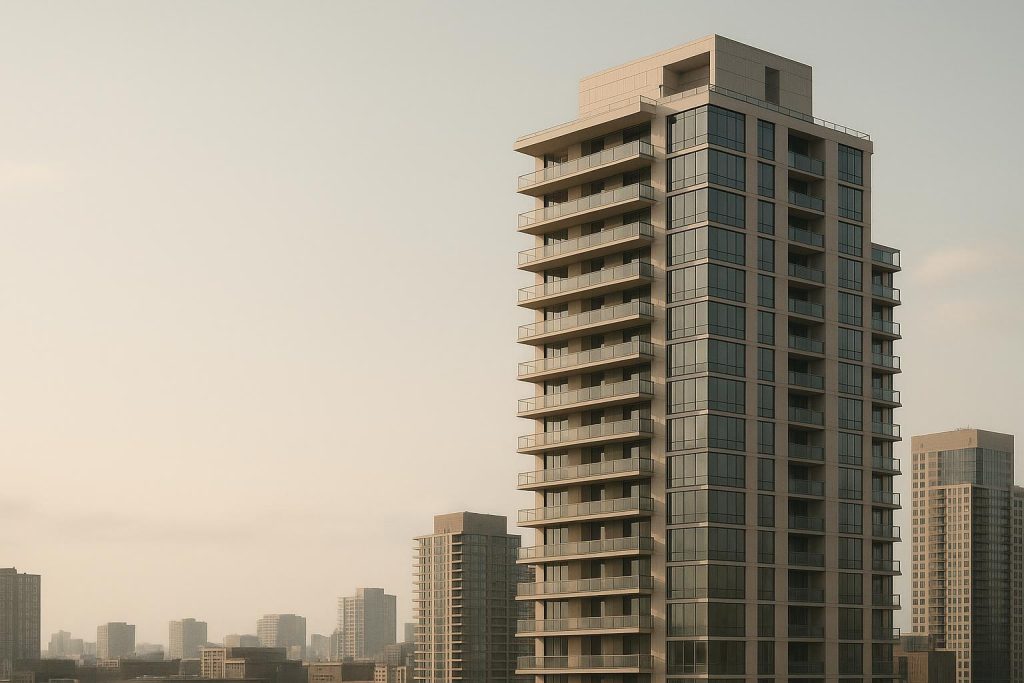
Understanding High-Rise Condos as High-Density Residential
High-rise condominiums are a significant component of modern urban landscapes. They offer numerous advantages for both individuals and communities, especially when it comes to addressing housing demands. By definition, high-density residential refers to developments that accommodate a large number of households within a relatively small geographical footprint. Because high-rise condos can stack individual units vertically, they are typically considered high-density residential living. Below, we will explore why that is, examining the structure, advantages, community dynamics, and design elements of high-rise condos, as well as their broader impact on urban neighborhoods.
Defining High-Density Residential
Before diving into the specifics of high-rise condominiums, it helps to unpack what “high-density” actually means. High-density residential developments are properties or complexes where the number of housing units is significantly greater than in lower-density environments. For instance, single-family homes on large lots represent a low-density pattern, whereas multi-story apartment buildings or high-rise condos are recognized as higher-density because more people share a single parcel of land. The approach behind these developments emphasizes efficient space usage, encouraging more residents to live in well-connected areas without urban sprawl.
High-density residential construction is often the outcome of thoughtful planning, especially in cities under pressure to maximize limited land resources. When properly designed, these developments can yield multiple benefits, including enhanced walkability, better access to public transit, and a sense of community among residents. If you would like to learn more about the benefits of living in a high-density residential development, be sure to check out our sibling content, What are the main benefits of living in a high-density residential building?
key Features of High-Rise Condos
High-rise condos stand out for their unique structure and the different amenities they typically contain. While the specifics vary, a common trait is that these buildings often reach significant heights—many surpassing a dozen floors—and feature:
- Multiple Floors of Units: Each floor houses numerous individual units designed for people who want the convenience of living in a centralized building structure.
- Shared Amenities and Common Areas: From sustainably planned lobbies and communal fitness facilities to rooftop gardens, these shared spaces are a hallmark of high-density living. They aim to foster inclusivity and connection among residents.
- Strategic Urban Locations: High-rise condos typically appear in or near downtown cores, business hubs, or emerging neighborhoods, ensuring residents remain well-connected to employment centers, local shops, restaurants, and public spaces.
- Efficient Use of Land: Because units stack vertically, more people can live on a smaller piece of land, which in turn reduces the environmental footprint and encourages responsible development.
These structures, in part, serve to address housing shortages in growing cities by offering multiple living spaces within the same footprint. Such an approach helps ease pressure on sprawling, low-density regions while preserving open areas or farmland on the city’s periphery. The configuration also allows residents to stay closer to jobs, services, and recreational spots, including cultural centers or major transit lines.
Why High-Rise Condos Qualify as High-Density
The classification of high-rise condominiums as high-density residential boils down to several interrelated elements. First, these projects are purpose-built for a large resident population, often featuring floor counts that quickly add up to hundreds of units. This density can yield a sense of vibrancy as numerous individuals share the same building, navigating common hallways, elevators, and amenity areas. By contrast, a similar number of single-family homes would stretch across a much larger swath of land.
Second, high-rise condos are an example of thoughtfully planned design that leverages vertical space rather than horizontal sprawl. Cities that encourage such developments tend to reduce traffic congestion in certain areas and provide more accessible resources, from shops to cultural institutions, all within walking distance. This strategy promotes livability and a sense of neighborhood connectedness that many people value.
Finally, the allowance for communal spaces, like open courtyards, rooftops, lounges, and co-working areas, ensures that more people can share amenities. This collaboration can foster community engagement, giving individuals a place to meet, socialize, and build long-term connections. Spreading out these facilities in separate low-rise buildings would often be less efficient and might not create the same inclusive residential atmosphere.
Urban Advantages of High-Rise Living
Many planners view high-density housing as an essential strategy for building more well-connected communities and cities. Because high-rise condos are often located in urban cores or near comprehensive transit lines, residents benefit from shorter commutes and quicker access to day-to-day services or workplaces. In many major metropolitan areas, easy access to public transit is especially noteworthy. By clustering communities around central stations or key bus routes, city dwellers can spend less time traveling, reducing stress and pollution in the process. If you’re curious about how high-density neighborhoods influence transportation infrastructure, you may find it helpful to read another related FAQ, How do high-density neighborhoods impact public transit availability?
High-rise condos also encourage community vitality. More residents living in the same area means greater foot traffic for nearby shops, cafes, restaurants, and other small businesses. The resulting energy can transform underutilized spaces into prosperous hubs of activity, bringing new opportunities for economic growth. At the same time, this heightened population density inspires city officials to invest in infrastructure improvements, such as expanded service roads, water systems, and waste management facilities. With thoughtful design, these upgrades can enhance daily life considerably.
While long-term value is often a major factor in condo ownership, high-density properties also engage different demographics, including students, young professionals, families, and retirees. By offering varied unit sizes and layouts, developments can suit a variety of lifestyles, from spacious floor plans to efficient studios. If you would like tips on making apartment homes inside high-density buildings feel more open and welcoming, you can explore What features make apartments in high-density buildings feel more spacious?
Design Considerations for High-Rise Condominiums
Contrary to the assumption that high-density housing always results in cramped, impersonal living quarters, well-designed high-rises can provide a sense of openness and comfort. Developers who prioritize quality materials, resource efficiency, and user-focused design measures are more likely to create buildings that fit their surrounding environment while enhancing daily life. Key design features often include:
- Sound Insulation: With many units side by side, limiting noise transfer is essential. Modern buildings often prioritize high-grade materials and construction techniques to ensure a quieter living experience.
- Sustainable Systems: Many developers incorporate green roofs, solar panels, or energy-efficient lighting and HVAC systems to promote responsible development. This approach not only reduces environmental impact but can also improve indoor comfort.
- Intentional Communal Spaces: Everything from lobby design to rooftop terraces can feel designed for people, allowing residents to enjoy fresh air, interact with neighbors, or even work remotely in shared lounges.
- Respect for Local Context: Innovations in urban design ensure that these buildings fit well with the local character, an approach that fosters trust and acceptance among existing community members.
Whether you are a potential buyer, investor, or simply curious about the future of cities, recognizing how design factors influence living quality is crucial. If you would like to explore ways high-density developments may affect your investment perspective, you can read our sibling FAQ, Are high-density developments a good option for real estate investors?
Promoting Community Well-Being
One concern people sometimes have about high-rise living is related to a perceived lack of community. However, many high-density developments overcome this challenge by providing meaningful shared amenities and opportunities for neighborly interaction. Examples include resident events in communal spaces, hobby groups, and online platforms that help individuals connect with each other. In some cases, high-rise condos may offer coworking areas, allowing self-employed professionals to save time on travel, collaborate with like-minded neighbors, and even support local businesses together.
Because the populations in these buildings tend to be more diverse, high-rise condos can become a testament to inclusivity. That means families with children, seniors, young couples, and single professionals all share the same property, requiring thoughtful community management. When the building’s management supports a positive, humane environment, residents may find that strong social ties form more quickly compared to low-density neighborhoods where people rarely meet in shared spaces.
High-Rise Condos and Urban Sustainability
Alongside promoting vibrant urban living, vertical developments often make sustainability more achievable. By consolidating utilities and using land more proficiently, cities can lower their carbon footprint. Compact living reduces energy usage per household, and centralized systems can be more efficient to maintain. Residents in high-density buildings are also more likely to use mass transit, walk, or bike. This shift helps reduce both traffic congestion and pollution, directly improving the quality of air in the immediate area. For people committed to reducing their environmental impact, living in a high-rise condo can be a practical solution.
Additionally, well-executed projects can reserve more space for green areas around smaller footprints, integrating parks or recreational spaces in adjacent lots. Tree-lined sidewalks and pocket parks create a welcoming environment that enriches wellbeing and provides an antidote to the noise of the city. In that sense, a high-rise and its residents can coexist seamlessly within a larger natural or urban ecosystem if local authorities, residents, and developers build around shared environmental values.
Challenges and Considerations
While high-rise condos bring many benefits, they also come with certain challenges. Chief among them is the potential for density to strain public utilities and local infrastructure if not carefully planned. Water supply, waste management, road systems, and public schools might face higher demand, requiring collaboration between city planners, developers, and communities to ensure that essential services keep pace with population growth. Skilled urban planning and thoughtfully planned developments can mitigate these issues, turning concerns into constructive improvements.
Another consideration is affordability. While living in a vertical condominium may create more housing options within city limits, pricing can still be a barrier, especially in regions where land values are extremely high. Balancing the desire for long-term value against the need for inclusive housing is something many municipalities actively address through policies such as inclusionary zoning and affordable unit requirements. When implemented properly, these measures broaden the demographic base of a condo community, allowing a more diverse group of residents to benefit from short commute times, essential services, and neighborhood amenities.
High-Rise Condos: A Trusted Option for Many Lifestyles
Over the last few decades, numerous homeowners and renters have come to appreciate high-rise living, particularly those seeking a more social and well-connected lifestyle. Whether you are a working professional who craves a short commute or a semi-retired individual who values nearby entertainment, high-rise condos can provide quality housing in areas you want to be, without requiring you to maintain a large plot of land. The time saved on property upkeep, combined with ready access to communal facilities, can translate into a higher level of day-to-day convenience and social interaction.
Moreover, real estate investors and developers recognize the resilience and potential profitability of well-located, high-density projects. Well-executed towers maintain strong value over time, revealing that high-density properties have been and will likely remain a central facet of urban planning. Those with an eye toward the future often regard high-rise condos as a key element in shaping progressive cityscapes.
Seeing Examples of High-Density Developments
In practice, high-rise condominiums and other multifamily projects require the right combination of design talent, thoughtful architecture, and responsible stewardship. If you would like to see examples of how modern multifamily and mixed-use projects are realized, you can view our Projects. Reviewing real-life case studies can provide deeper insights into how these developments balance visual appeal, sustainability, and immersion in the local community.
Each project reveals unique approaches to maximizing urban spaces, employing thoughtful design, and addressing local neighborhood needs. By exploring these examples, prospective buyers, current residents, and community members can better understand how high-rise condos form part of the larger strategy for building vibrant, enduring, and inclusive metropolitan areas. These projects often contribute to the dynamism of the cities they inhabit, driving innovative thinking and new living solutions.
Conclusion: High-Rise Condos as a Cornerstone of High-Density Residential Living
Ultimately, high-rise condos remain an important and trusted answer to urban housing challenges. Their vertical design enables significant numbers of people to live in desirable neighborhoods with minimal land usage, creating a viable solution to population growth that does not sprawl outward. These developments encourage walkability, reduce reliance on cars, and spur local commerce, all while delivering hotels of convenience and modern amenities under one roof. As urbanization continues to evolve, high-rise condominiums will keep playing a major role in meeting housing needs while advancing city life and architectural innovation.
By embracing high-density residential building styles, cities and residents alike can benefit from improved livability, environmental sustainability, and an environment where communities thrive. The structure, amenities, and location-driven efficiencies of high-rise condos combine to make them a vital resource for those seeking a welcoming and connected place to live. Understanding how they fit into broader conversations around urban design, transit, and responsible development positions them as an appealing, long-term housing choice for a wide range of individuals and families.
