

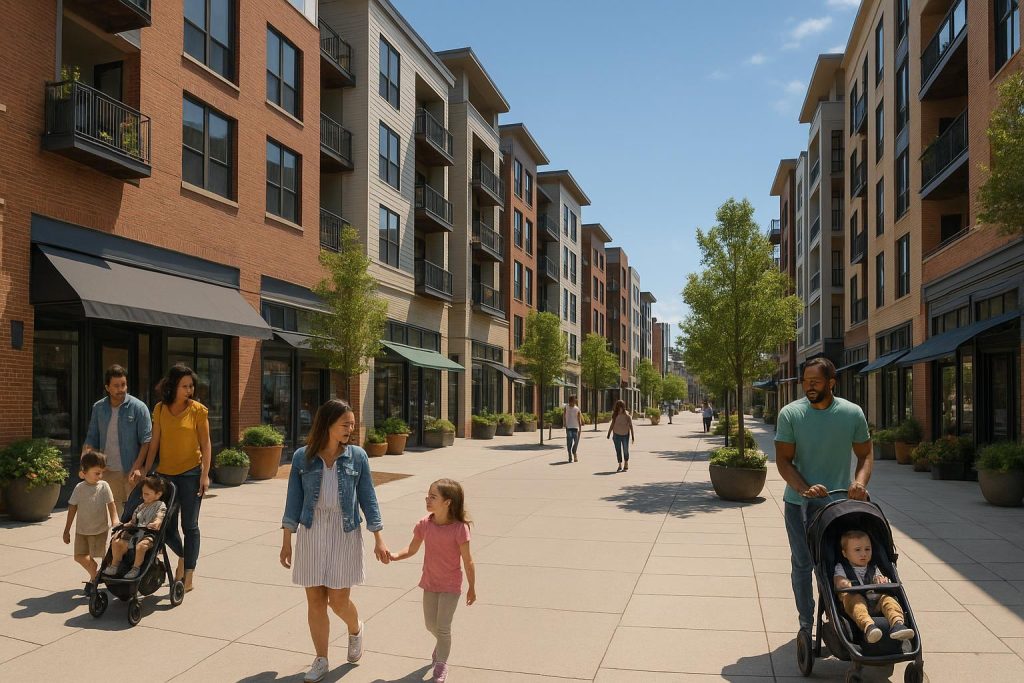
Building Family-Centric Neighborhoods Through Integrated Commercial Zones
When families look for a new home, they often want more than just a nice place to live. They seek a supportive community, convenient access to amenities, and safe, well-lit public areas for children to explore. Integrated commercial zones combine these desires into a single setting by blending residential and commercial spaces in a cohesive environment. In these integrated areas, homes, shopping districts, and essential services coexist, ensuring that families have what they need within walking distance. Whether it is running out for groceries or letting the kids meet friends at a nearby green space, life in an integrated commercial zone can be considerably simpler and more enriching than living where services and amenities are further apart.
In this expanded guide, we will explore how integrated commercial zones benefit families from many angles. We will discuss lifestyle advantages, the sense of connection often found in well-designed mixed-use developments, and how these neighborhoods can foster healthy habits and lasting relationships. We will also take a look at property value trends and how integrated commercial districts can nurture vibrant local economies. By thoroughly understanding the strengths of these family-centric communities, you will be able to decide if this setting aligns with your long-term goals.
The Convenience Factor
A significant reason families choose integrated commercial zones is the convenience of accessing daily necessities close to home. For example:
- Shorter Commutes: Instead of driving long distances for groceries or pharmacy runs, you can walk or bike to local shops within minutes. This reduction in travel time translates into more opportunities for family dinners or weekend outings together.
- Centralized Services: Many integrated commercial zones include health clinics, childcare facilities, and educational centers. With essential services gathered in one location, families have an easier time scheduling medical appointments, enrolling in extracurricular programs, or finding community resources like the local library.
- Everyday Savings: Over time, reduced travel costs can save money. This could mean fewer tank fill-ups and less vehicle maintenance. Additionally, an environment that promotes walking or bicycling may help trim daily expenses and encourage healthier habits.
By placing day-to-day conveniences within reach, integrated commercial zones create a simpler, more streamlined family routine. No family is the same, but the availability of services nearby tends to free up time once spent in traffic or on lengthy errands. As a result, parents can invest that regained time in moments that matter, whether it is guiding their children through homework or planning a weekend getaway.
A Strong Sense of Belonging
Communities thrive on neighborly connections. In many typical neighborhoods, chances to meet and engage with fellow residents may be limited. However, in an integrated commercial zone, the presence of shops, cafes, green areas, and well-planned public spaces naturally promotes interaction. These places encourage simple, casual get-togethers that break the ice and can develop into meaningful friendships. When you frequently see the same families at the local bakery or chat with the business owners near your residence, a sense of trust and camaraderie emerges.
Beyond day-to-day interactions, many integrated commercial developments schedule community events. These might include farmer’s markets, local festivals, or neighborhood beautification projects. Such activities unite families to share experiences, celebrate milestones, and cultivate a sense of belonging. Over time, these friendly routines can lead to a neighborhood culture where people genuinely look out for one another, fostering greater security and mutual support.
Encouraging Healthier Lifestyles
An important feature of living in a mixed-use development is the increased walkability. Children can often walk to school, friends’ homes, or recreational spaces without needing lengthy rides. Parents benefit from having gym facilities, open parks, or walking paths easily accessible. This convenient access to physical activities can establish a foundation for well-being that helps the entire family develop solid habits. In addition:
- Green Spaces: Many integrated commercial zones design specialized areas where kids can play safely, such as pocket parks, courtyards, or well-maintained playgrounds. By exploring nature and enjoying fresh air, children stay engaged and active.
- Biking Culture: Some developments include designated bike lanes, encouraging both adults and children to ride bicycles for daily errands. The result is less car use and a focus on energy-efficient, family-friendly travel.
- Balanced Nutrition: With local farmers’ markets or fresh produce vendors just around the corner, families can shop for healthier foods. This immediate access to balanced ingredients paves the way for wholesome home-cooked meals.
All these elements contribute to a lifestyle that places parenting and well-being at the forefront. Plus, children gain invaluable experiences by interacting with their environment in safe, active ways, learning independence and confidence along the way. This approach aligns closely with a vision of responsible development, where communities are designed around people rather than cars.
Integrating Work and Leisure
A neighborhood that incorporates both residential and commercial components often helps families achieve a smoother work-life balance. Some parents may find job opportunities within the same development or within a short commute, allowing them to be closer to home during the day. This can be especially helpful for busy households that need to juggle responsibilities like school pickups and extracurriculars. And for those who work off-site, the presence of local cafes, coworking spaces, and social areas provides valuable outlets for relaxation, networking, or brief help with tasks during the workday.
Moreover, a well-designed mixed-use environment makes it simpler to combine work with leisurely activities. Instead of traveling long distances to gather for lunch or complete errands, parents and children can do so within their own neighborhood. This seamless blending of work and leisure fosters a sense of unity in the family’s daily routine and emphasizes the importance of time spent together. Couples or friends might catch up at a local coffee shop, while children play in a nearby courtyard, all within a few blocks of one another.
Boosting Safety and Community Awareness
One of the more subtle benefits of living in an integrated commercial zone is the heightened awareness of neighborhood life. Because people live, work, and spend leisure time in the same area, there is a level of familiarity and oversight that can deter petty crime and create a safer environment. Residents and business owners who develop personal bonds often look out for each other, reporting issues more promptly and ensuring that communal areas remain clean and welcoming. Over time, these relationships build trust, resulting in neighborhoods where families feel protected and at ease.
The consistent foot traffic also contributes to a more watchful community. With more people around at various hours, there is less opportunity for unwanted or suspicious activities to go unnoticed. Well-planned lighting, maintained sidewalks, and active storefronts further enhance the sense of security within these mixed-use districts.
Supporting Children’s Growth and Learning
Beyond the benefit of shorter commutes to schools or daycare centers, mixed-use neighborhoods provide children with unique learning environments. By witnessing daily commerce and community interactions up close, kids gain firsthand insights into social and economic dynamics. For example, they might watch a local artisan create handmade items in their shop or help parents pick out fresh produce in a weekend market. These experiences can spark curiosity and teach kids the value of collaboration and communication.
Children living in such neighborhoods might also be likelier to form friendships with peers from diverse backgrounds. The shared spaces in integrated commercial zones foster a sense of inclusivity, bringing families together from different walks of life. This exposure teaches young people about empathy, cooperation, and respect for others and their environments. Taken together, these day-to-day experiences can have a lasting positive influence on a child’s social development.
Long-Term Property Value Trends
For families considering a home purchase, property value can be a top concern. Integrated commercial zones have historically seen favorable property value trends, thanks to their focus on both livability and economic activity. A thriving commercial sector in the same district often raises the profile of the residential spaces. Families do not need to travel far to shop, dine, or enjoy recreational activities, which in turn attracts more businesses and services. This cycle can bolster the neighborhood’s desirability and ensure that real estate values remain steady or grow over time.
For an expanded look at factors that appeal to property investors in these zones, you may want to explore the resource What factors make an integrated commercial zone appealing to property investors?. It highlights how stability, convenience, and demand drive long-term interest for those placing their capital in mixed-use developments. From better retention of residents to the attraction of new commercial ventures, the benefits are broad and mutually reinforcing.
Nurturing Local Economies
When residential spaces share a close relationship with commercial hubs, local shops and services benefit from steady foot traffic and an engaged customer base. This stable local economy can yield a positive cycle of growth: more patrons can lead to a broader range of offerings, and a growing set of amenities can draw additional families to the neighborhood. This synergy between residential and business activities can foster economic resilience, as the vitality of one sector can buoy the other during challenging times.
Those interested in learning more about how these developments support local businesses and daily conveniences may find helpful details in How do integrated commercial zones support local businesses and daily conveniences?. The article covers the various benefits for shops and eateries that set up in these mixed neighborhoods, from consistent clientele to improved community visibility.
Green Spaces, Walkability, and Public Life
Green spaces are not merely decorative elements in urban landscapes. They serve as communal grounds where families can relax and children can safely play. In an integrated commercial zone, developers often place great emphasis on parks, plazas, and landscaped walkways. Families strolling around these neighborhoods can soak in nature while running their errands, bridging the gap between urban convenience and a close relationship with the outdoors.
If you would like further insights on the role of walkability and public spaces within these zones, check out How can integrated commercial zones boost neighborhood walkability and public spaces?. This resource delves deeper into how thoughtful planning can create a more pleasant and user-friendly experience for families, pedestrians, and visitors alike.
Design Strategies for Seamless Connectivity
Successful integrated commercial developments often hinge on how well the residential and commercial aspects flow together. Streetscape design, traffic management, and thoughtful architecture all play major roles in connectivity. Pedestrian-friendly pathways and well-lit alleys inspire people to explore, while blending landscaping with sidewalks helps maintain an inviting community identity. If you want to explore in more detail how developers ensure smooth transitions between family living spaces and business areas, see What are some common design strategies to ensure seamless connectivity between residential and commercial spaces?.
By striking the right balance of public and private zones, developers can create a setting where noise, traffic, and commercial activity do not disrupt family life. In well-planned communities, a short walk from your home might lead to a small bakery or boutique, while also allowing for sufficient space and privacy back in your residential unit. This purposeful design is particularly valuable for families who seek both a sense of togetherness and the quiet of a more private lifestyle.
Choosing the Right Community for Your Family
Integrated commercial zones require careful planning and commitment from developers, city planners, and community stakeholders. When deciding if one is right for you, consider how the location fits with your family’s routine, daily commutes, and leisure activities. Some mixed-use neighborhoods may have a stronger emphasis on professional services and public transport, while others might highlight green spaces and cultural events.
It is also wise to look into a community’s long-term vision. Do the plans for business expansion match your family’s needs? If you anticipate having children or are already raising young ones, do local schools have a good reputation? Does the layout of the neighborhood encourage outdoor play and cordial social encounters? By answering these questions, you can narrow your neighborhood options to those that best support your family’s lifestyle goals.
Explore Thoughtfully Planned Communities
For families seeking a fulfilling, balanced lifestyle, integrated commercial zones can be a welcome alternative to traditional residential developments. Their focus on convenience, social connection, and holistic planning makes daily life easier, particularly for parents who are balancing countless responsibilities. With shops, schools, and social spaces all woven into the neighborhood fabric, you can spend less time on the road and more time watching your children explore, learn, and thrive.
If you want to explore thoughtfully planned projects that embrace these principles, feel free to explore our projects. You will find examples of modern, well-integrated developments that aim to serve the needs of families, professionals, and community members at large. These communities reflect the idea that successful neighborhoods go beyond housing—they create supportive environments where everyone has a chance to flourish and connect.
Whether you are focusing on safety, convenience, or economic potential, integrated commercial zones offer a world of benefits. By prioritizing both private life and communal experiences, these developments champion a style of living that values neighborhoods as interconnected spaces. For many families, this can mean a richer daily routine—and a more promising future.
