

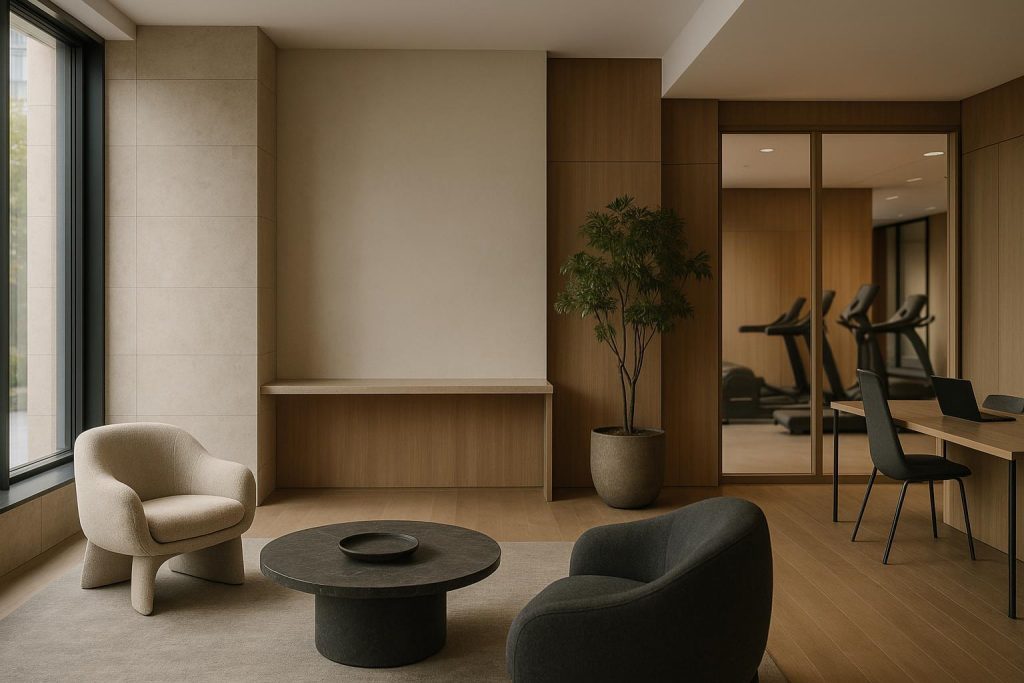
Exploring Shared Amenities in Downtown Condos
Shared amenities have become a core feature of urban condo living. As more people gravitate to dynamic downtown environments, modern developments strive to cater to a diverse range of needs within a single property. Rooftop terraces, on-site fitness centers, and coworking areas are just a few examples of these shared spaces, which offer convenience, encourage community engagement, and enhance the overall condo lifestyle. Whether you are relocating for work, downsizing from a larger home, or simply seeking a vibrant urban hub, understanding how these communal facilities are integrated can help you identify the perfect residence.
The Unique Appeal of Downtown Condo Amenities
Downtown condos often offer a host of amenities that go beyond basic convenience. In many of these properties, designers and developers aim to blend modern architectural elements with practical features that make day-to-day life more efficient and enjoyable. Living in a building that includes communal resources—like a state-of-the-art fitness studio, cozy lounge areas, or a rooftop garden—can save you time and money. You can forgo separate gym memberships or hefty coworking subscriptions if your building already meets those needs under one roof.
Shared spaces also offer residents an opportunity to connect with neighbors and form new friendships. In buildings that emphasize community-driven design, group events and social gatherings may be frequently organized. Whether it’s a weekend yoga class or a reception in a shared lounge, these interactions can help foster a sense of belonging, which makes city living feel more welcoming and grounded.
Common Shared Amenities in Downtown Condos
While some developments stick to smaller-scale amenities—like a simple lobby or a modest fitness room—others elevate the experience with an entire suite of shared facilities. Below are a few common amenities you might find in downtown condos:
- Fitness Centers: Many buildings offer fully equipped gyms, complete with cardio machines, free weights, and strength-training areas. This feature is nearly standard in new developments, catering to residents who value a healthy, active life.
- Coworking Spaces: As remote and hybrid work models increase in popularity, coworking lounges, study rooms, and conference facilities have become an important selling point. These designated areas provide fast internet access, comfortable seating, and a productive environment without having to commute.
- Rooftop Terraces: A rooftop deck or terrace offers a serene spot for relaxation amidst the bustle of downtown. It’s also an ideal place for social gatherings, boasting city views that transform typical apartment life into a distinctive urban experience.
- Resident Lounges: Many condo buildings feature lounges furnished with plush seating, communal tables, and even kitchenettes. These spaces are perfect for reading, casual group meetings, or hosting small events.
- Outdoor Gardens: Green spaces, whether on ground level or elevated, not only beautify a property but also deliver a refreshing place to enjoy some sunlight, do light gardening, or chat with neighbors.
- Entertainment Rooms: Some developments take it a step further by providing game rooms, private event spaces, or even screening theaters for residents to enjoy.
The presence of any or all of these amenities can significantly impact your overall satisfaction as a resident. Identifying which features align best with your lifestyle—be it an on-site workspace, a well-appointed gym, or a rooftop spot for relaxation—will help you narrow your search when evaluating listings.
Benefits of Well-Appointed Communal Spaces
Condo amenities are more than just a marketing perk. They cater to the evolving needs of urban dwellers who prioritize efficiency, social connections, and balanced living. For busy professionals, the ability to transition seamlessly from work to exercise to leisure without leaving the building streamlines a hectic schedule. Students and retirees might appreciate the opportunity to meet new people in shared spaces or enjoy quiet reading rooms closer to home.
Additionally, many find that communal amenities can help stretch their living space. For example, if a building provides a dedicated coworking lounge, you may choose to live in a slightly smaller unit while benefiting from an extension of your home office just down the hall. This approach can be especially appealing in higher-density downtown neighborhoods where space commands a premium.
Tailoring Amenities to Different Lifestyles
Every resident’s needs vary. A young professional might be drawn to upscale meeting rooms or a coworking lounge, especially if they frequently dial into video calls or collaborate with colleagues remotely. Meanwhile, fitness enthusiasts who prioritize health may gravitate toward a building with a spacious, thoughtfully designed gym. People who value social engagement might look for developments that encourage friendly interactions or host community events in lounge areas or rooftops.
At the same time, those who cherish privacy may favor condos with amenities that are expansive enough to accommodate social distancing or peaceful solo time. Understanding your own lifestyle and day-to-day habits is vital before committing to a property. By doing so, you ensure that the amenities provided truly align with your schedule, personality, and future plans.
Assessing the Quality and Management of Shared Amenities
Although most new or renovated downtown condos incorporate some level of communal space, it’s important to investigate how these facilities are managed. A shiny, spacious fitness center is of little use if it’s poorly maintained or frequently closed for repairs. Likewise, a coworking lounge becomes less appealing if overcrowding is the norm.
When researching a condo building’s shared amenities, here are a few considerations to keep in mind:
- Maintenance and Upkeep: Ask about the frequency of cleaning, repairs, and any additional fees that residents might pay for amenities. A well-maintained environment usually signals a responsible property management team.
- Access and Hours: Determine the operational hours for each facility. You’ll also want to understand if you can reserve certain areas, like a private event space, and whether there are guest privileges.
- Security Features: Check if there is keycard or FOB access. Especially for fitness centers and lounges, secure entry ensures that these spaces remain exclusive to residents and their authorized visitors.
- Community Rules: Inquire about policies and guidelines. For instance, if you plan to use a coworking lounge frequently, clarify whether there are restrictions on phone calls or capacity limits at peak times.
By gathering details on how shared spaces are handled, you gain insights into the building’s overall sense of organization, investment, and resident well-being. Strong management fosters an environment where communal areas become part of a thriving daily routine.
Maximizing the Value of Amenities
The true worth of shared amenities lies in how they integrate into your lifestyle. If you work from home, you could treat the condo’s coworking suite as a dedicated office, effectively separating your professional and personal environments. Similarly, a spacious rooftop terrace might function as your go-to spot for unwinding after a long day. Embracing these shared facilities often opens up creative ways to relish condo living without feeling confined to a single unit.
Moreover, engaging with your neighbors builds a sense of community. Attending events or using shared spaces for periodic gatherings can introduce you to people from diverse careers and backgrounds. These relationships not only enrich your social life but might spark unexpected collaborations—particularly if your condo community fosters networking within its coworking or lounge areas. In many buildings, the property management team will organize seasonal or monthly events, helping you take advantage of these communal benefits from the moment you move in.
Exploring Different Scales of Amenities
Not every building offers the same scope or sophistication. An older complex may feature only a basic lobby and small gym, while newer, purpose-built developments could include expansive coworking lounges, fully equipped kitchens in common rooms, and luxurious rooftop vistas. Some properties also incorporate unique additions like yoga studios, music practice rooms, or spa facilities.
Assess your priorities carefully. If a tranquil setting for reading is important, look for a building with a well-appointed library or lounge. If you love cooking but prefer to entertain guests outside your personal space, a condo that has a shared entertainment kitchen might be ideal. While these offerings can elevate the building’s appeal, they may also increase monthly fees or overall rent, so it’s wise to weigh convenience against cost.
Examples of Thoughtful Amenity Integration
Several newer developments today serve as prime examples of how shared amenities can create a strong sense of community and livability. Properties like Collina and Edmonds Heights highlight ways that rooftops, fitness centers, and coworking lounges can be thoughtfully constructed for long-term value. These shared spaces often come with well-researched design choices, seamless layouts, and a management team that proactively addresses resident feedback.
Other developments might place more emphasis on flexible outdoor spaces, such as rooftop terraces or landscaped courtyards. You may also come across buildings that focus on robust coworking provisions, akin to 4059 Hastings or 4711 Hastings, which cater to professionals who crave a workstation closer to home. Recognizing various designs can help you pick a location that genuinely complements your daily routine.
Tips When Touring Potential Condos
Before finalizing a contract, make sure to tour the communal amenities. Pictures online can be deceiving, and seeing the spaces in person helps you determine whether they are truly comfortable, functional, and well-maintained. During your visit, you might want to:
- Ask about membership policies or any additional fees.
- Check the condition of gym equipment or furniture in lounges.
- Request details about security protocols or visitor policies.
- Speak with current residents, if possible, to gather firsthand feedback.
Taking these extra steps ensures that the communal amenities you see in a listing match the reality you’ll be living with every day.
Finding the Best Match for Your Lifestyle
When discovering your ideal downtown condo, it’s crucial to look beyond the private unit’s square footage. The presence and quality of shared amenities can substantially influence how you experience daily life. Whether you prioritize a quick workout in a well-equipped fitness center or a multi-use lounge for social or professional gatherings, there’s a building tailored to your preferences.
Carefully balancing your personal priorities, your budget, and your desire for community can help guide you to a property where shared amenities truly enhance your lifestyle. If you’re interested in comparing a variety of different buildings and amenities firsthand, you can also explore local listings—or visit a selection of thoughtfully planned rental communities, such as those highlighted on our rentals page. This approach can offer valuable insights into how various creative layouts and features may tie into your everyday routine.
Downtown condos continue to evolve as urban populations grow and lifestyles change. Today’s properties not only focus on providing private, comfortable residences but also emphasize making communal areas part of a holistic, resident-centric environment. Ultimately, shared amenities transform condos into spaces where busy professionals, families, and retirees alike can experience convenience, social interaction, and a sense of belonging—right in the heart of a well-connected neighborhood.
