

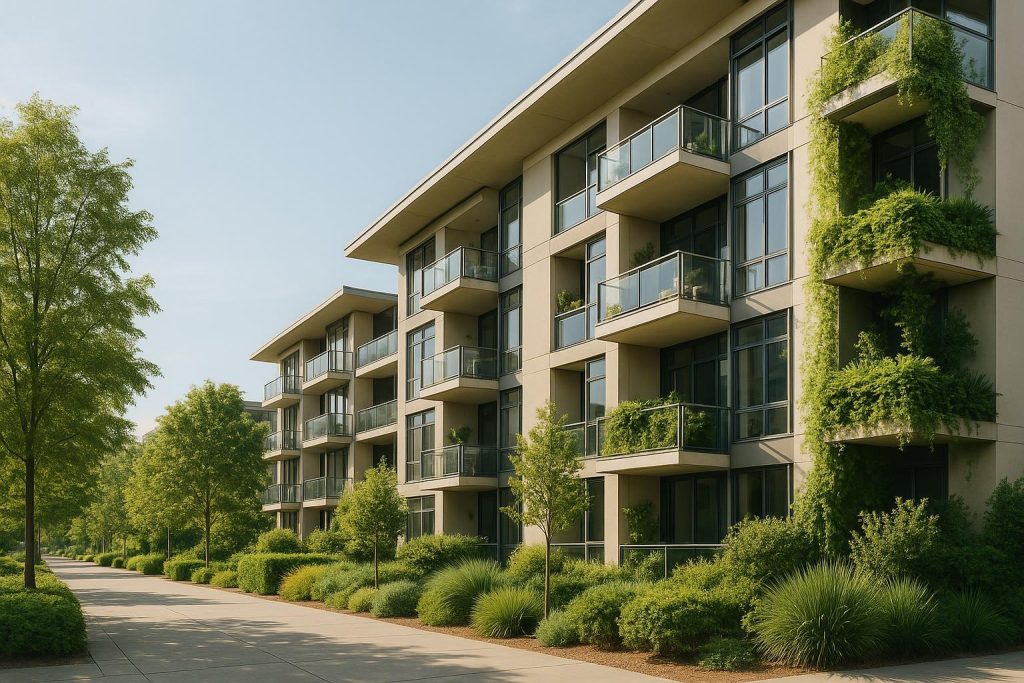
Designing Condos with Low-Impact Principles
Low-impact development (LID) has become a vital part of today’s urban planning as communities everywhere look for ways to build responsibly. For condo complexes, this approach involves balancing residential density with ecological stewardship. When applying LID concepts, developers and property managers focus on considerate building techniques and site strategies that protect the environment without sacrificing modern comfort. Below, we explore key guidelines for implementing low-impact design into condo buildings, why it matters for urban neighborhoods, and how these measures improve the long-term well-being of both residents and the surrounding community.
Overview of Low-Impact Development Guidelines
Low-impact development guidelines, often set by municipalities or regional environmental agencies, help designers and property owners meet local standards for sustainable building and management practices. These protocols typically address features such as:
- Stormwater management: Mitigating runoff through technologies like rain gardens, bioswales, or permeable pavement that allow water to naturally seep into the soil.
- Green roofing systems: Adding vegetation and growing media on rooftops to filter rainwater, reduce heat islands, and support local biodiversity.
- Resource-efficient materials: Selecting sustainable or recycled materials that reduce the building’s overall ecological footprint.
- Landscaping strategies: Incorporating native plant species, which require fewer resources to thrive and help maintain local biodiversity.
By adhering to these guidelines, condo developments can proactively lessen negative effects on local ecosystems. In many regions, official low-impact protocols also emphasize integrated design, encouraging urban planners, architects, and civil engineers to collaborate from the earliest planning stages. This means everything from soil analysis to roof selection and energy use is considered under one holistic framework of sustainability.
Stormwater Runoff and Condo Buildings
One of the most pressing issues in any urban environment is stormwater runoff. Traditional development patterns often involve impervious surfaces such as asphalt or concrete, which create water overflow when it rains. That overflow can pick up polluting agents—like oil residue or heavy metals—and transport them into nearby waterways. To prevent this, condo buildings can adopt techniques like:
- Permeable pavements: Using carefully engineered surfaces that allow water to soak into the ground.
- Bioswales: Landscaped channels that filter and slow stormwater so it can be absorbed by vegetation and soil.
- On-site retention: Storing stormwater in cisterns or designed wetlands for gradual release or reuse, minimizing runoff volume.
These straightforward strategies offer many benefits. They significantly reduce the strain on municipal infrastructure, lower the risk of flash flooding, and help keep local rivers and streams safer from contaminants. Besides that, the green spaces and attractive plantings that come with these designs can bring a sense of calm and well-being for residents. Implementing these measures effectively can also align with municipal requirements that many communities now have in place to encourage more thoughtful water management.
Creating Green Rooftops and Biosolar Systems
Condo developments often have large rooftop areas that typically serve mechanical units or are simply left unused. However, those rooftops can become valuable ecological resources. Green roofs feature layers of soil, plants, and sometimes seating areas, while biosolar roofs combine vegetation with photovoltaic (solar) panels. Both approaches contribute to:
- Lower ambient temperatures: Greenery helps cool the building and the surrounding air, reducing reliance on air conditioning.
- Greater energy efficiency: Biosolar systems enhance the performance of solar panels while the plant layer supports natural insulation.
- Habitat creation: Rooftop gardens can support pollinators and small wildlife, encouraging biodiversity.
While these features can require a more intensive initial setup, their long-term advantages include better stormwater retention, reduced urban heat island effects, and potential financial savings on energy costs. For those curious about the economic side of green roofs, you might also explore related discussions, such as Is low-impact design more expensive to build initially? to understand the short- and long-range costs and savings associated with sustainable installations.
Leveraging Municipal LID Protocols
Many regions publish official low-impact development guidelines that cater specifically to high-density complexes like condo buildings. These guidelines often detail best management practices through comprehensive resources, explaining how to integrate methods like:
- Rainwater harvesting: Capturing roof runoff for reuse in landscape irrigation or flushing toilets.
- Enhanced landscaping standards: Using native, climate-appropriate species for shrubs, trees, and groundcover to encourage wildlife and cut back on water use.
- Improved pollution prevention: Encouraging on-site infiltration areas that naturally remove contaminants before water leaves the property.
When condo owners and managers adhere to these protocols, they not only comply with local regulations but also help preserve adjoining rivers and streams, maintain healthier wildlife corridors, and alleviate demand on municipal water treatment systems. In some cases, conscientious design might even qualify for incentives or tax credits, making the investment in sustainable solutions more financially appealing.
Sourcing Sustainable Materials for Condo Complexes
As part of a low-impact development plan, choosing the right materials is just as important as designing a strong stormwater management system. Sustainable materials can mean anything from concrete with low-carbon cement blends to responsibly harvested wood and recycled metals. These choices help reduce the overall carbon footprint of the development by minimizing extraction of virgin resources and limiting waste. For a deeper dive into material selection, explore Which sustainable materials are most commonly used in low-impact building?.
Additionally, elements like indoor air quality and occupant health often hinge on material selection. Using low-VOC (volatile organic compound) paints, adhesives, and floor finishes can enhance interior living spaces by reducing harmful off-gassing. Over the lifespan of the condo complex, these choices contribute to a consistently healthier living environment.
Maintenance Considerations and Long-Term Planning
One of the keys to successful low-impact development lies in thorough, ongoing maintenance. Condo associations commit to ensuring that infiltration basins, bioswales, and green roof installations remain performant. This can include:
- Routine inspections: Checking for blockages in drainage channels and removing debris from gutters.
- Seasonal upkeep: Pruning, planting, and reseeding roof vegetation as needed to keep the system healthy and effective.
- Reevaluating performance: Monitoring water flow rates to confirm that infiltration systems are functioning as intended.
Some municipalities require property owners to submit periodic reports on environmental performance. Beyond regulatory compliance, these efforts ensure the built environment remains both aesthetically appealing and fully functional over time. By incorporating consistent, clear maintenance schedules, condo managers can also control costs and catch small issues early, preventing bigger expenses down the road.
Encouraging Community Engagement
Low-impact design and environmental stewardship offer educational opportunities for residents within the condo community. By hosting regular info sessions or distributing newsletters that clarify how the building’s systems function, residents can better appreciate the significance of eco-conscious design choices. They can learn how to separate recycling, compost properly, and operate energy-saving thermostats or lighting controls. Such awareness fosters a sense of collective ownership, leading to:
- Positive resident perception: When residents see tangible benefits, such as attractive communal gardens or lower utility bills, they become more invested in the condo’s well-being.
- Less operational friction: Clear guidelines and open communication reduce confusion about trash disposal, water conservation, or other daily green practices.
- A sense of pride: Knowing you live in an environmentally responsible building can elevate resident satisfaction and retention rates.
This community-driven approach, combined with formal LID protocols, ensures that sustainability remains a priority for everyone involved, not just the developer or property manager.
Connecting Low-Impact Design with Broader Urban Goals
As cities grow denser, maintaining livable environments becomes more challenging. High-rise condos are a popular solution to housing demands, but density has to be balanced with ecological needs. Low-impact development strategies extend beyond a single building’s footprint, tying into operations such as improved public transportation, walkability, and better air quality. This synergy helps shape healthier, more dynamic neighborhoods that value open space and natural habitats. For a broader perspective on how these methods tie into large-scale development, see How do multi-family projects integrate low-impact design solutions?. You’ll learn how LID concepts can scale effectively and influence entire communities, not just individual condo developments.
Additionally, adopting these approaches can create consistency with evolving real estate market trends. Buyers and renters alike are increasingly looking for living spaces that align with responsible development goals. Adhering to LID principles, therefore, is both an environmental decision and a strategic investment in community well-being.
Optimizing Indoor Environments for Comfort and Efficiency
A major part of low-impact development is reducing resource consumption inside the building. The technologies and practices that stand out for condos include:
- Efficient lighting systems: Installing LED fixtures in common areas and sensors that switch lights off when not in use, lowering energy bills and environmental strain.
- High-performance HVAC: Selecting heating and cooling systems that adapt to real-time conditions, improving indoor air quality and reducing emissions.
- Smart water fixtures: Employing low-flow toilets, showerheads, and faucets that conserve water without compromising user experience.
These measures can directly reduce condominium fees by diminishing shared utility expenses, a key selling point for many condo buyers. For more tips on how low-impact design can achieve cost efficiencies, you might explore How can low-impact design reduce utility costs for renters?. Even though that article focuses on rentals, many similar principles apply to condo settings.
Aligning with Neighboring Communities
Because many condos occupy shared property lines with other developments, it’s prudent to consider how your building’s eco-friendly measures link up with surrounding areas. Joint initiatives can include:
- Communal green corridors: Aligning neighboring green roofs or communal gardens to form continuous pathways for local fauna.
- Coordinated stormwater strategies: Partnering with adjacent buildings to develop integrated systems that capture and reuse rainfall across multiple sites.
- Shared public spaces: Setting aside open courtyards or small parks accessible to the broader neighborhood, encouraging social connections and a spirit of environmental stewardship.
As more developers and property owners adopt LID, entire blocks can be transformed to better handle climate challenges and provide robust, healthy environments for residents and visitors alike.
Examples and Inspiration
Whether you’re a condo owner looking to retrofit common areas or a planner eyeing a new high-rise development, real-world examples offer valuable insights. Head to our Projects page to see how low-impact development transforms living spaces in ways that are both practical and inspiring. These examples illustrate:
- Scaled approaches to water capture and reuse, showcasing how rooftop gardens and permeable walkways function day to day.
- Material selection strategies that reduce the carbon footprint of large developments.
- Collaboration among architects, engineers, and environmental consultants for streamlined sustainability outcomes.
Researching real projects underscores how far-reaching the benefits of LID can be, beyond simply meeting regulations. Well-implemented strategies protect local ecosystems, improve resident satisfaction, and often generate positive community impact by setting a high standard for neighboring developments.
The Bottom Line
Low-impact development guidelines for condo buildings go beyond buzzwords or short-lived trends. They represent an integrated, thoughtful effort to harmonize density with ecological health, while still meeting the demands of modern living. By taking advantage of LID protocols, incorporating energy-saving technologies, and engaging residents in sustainable practices, developers and owners can deliver tangible advantages—both immediate and long lasting. Whether it’s stormwater management, renewable energy integration, or the use of greener construction materials, each step reflects a commitment to responsible growth and community well-being.
As condo buildings continue to shape urban skylines, these low-impact strategies will remain an essential part of thoughtful development. By championing efficient water use, environmentally friendly construction, and communal green spaces, high-density projects can reduce their footprint, enhance resident comfort, and contribute meaningfully to local ecosystems. For more insights on related topics, see What features should I look for in a low-impact apartment building? and other discussions in our FAQ. Together, these resources illuminate how we can build, live, and thrive responsibly in a changing world.
