

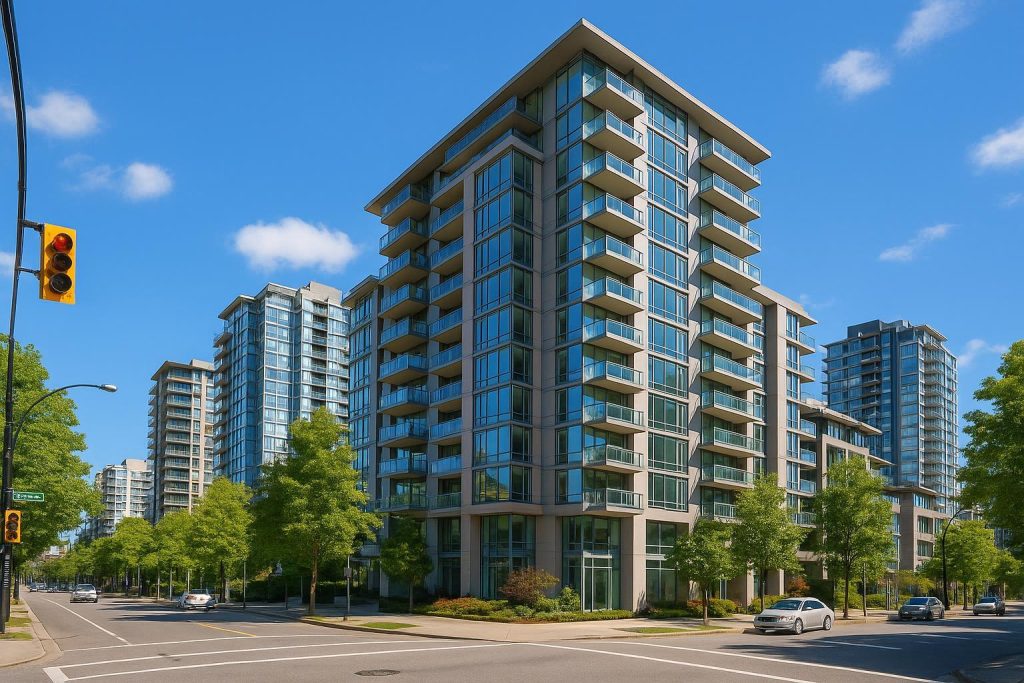
Why Choosing a Vancouver Condo Makes Sense for First-Time Homebuyers
Stepping into homeownership is a significant milestone for many individuals seeking to establish roots, build personal equity, and find a place to truly call their own. In a city as vibrant and diverse as Vancouver, one of the most common ways newcomers enter the property market is through purchasing a condominium. Condos often present a more accessible price point than single-family homes, especially in a region where real estate demand perpetually runs high.
This guide will dive into the perks, challenges, and long-term considerations that make Vancouver condos appealing for first-time buyers. From saving on major maintenance costs to capitalizing on an active, walkable lifestyle, there are plenty of reasons to consider a condo as your first home. We will also explore how monthly fees and future investment potential factor into the ownership experience. By the end, you will have a thorough understanding of whether owning a condo suits your situation and how to plan smarter for this very personal investment.
1. The Financial Benefits of Buying a Condo
One of the biggest draws to buying a condo in Vancouver is affordability compared to a detached home. Condos generally command lower sticker prices, which translates into a smaller down payment and potentially more manageable mortgage payments. For first-time homebuyers eager to establish roots without overextending their finances, this difference in cost often proves decisive.
Lower Initial Costs: While Vancouver’s real estate market is renowned for its competitiveness, purchasing a condo is commonly more feasible. First-time buyers can start building equity sooner, rather than waiting for price points on single-family homes to align with their savings.
Set Monthly Budget: Aside from the mortgage, condo living entails predictable strata or condo fees. These fees cover services that may include garbage collection, landscaping, common-area maintenance, and building insurance. Although these fees represent an additional monthly expense, they can also simplify your budgeting by consolidating many costs into one recurring payment.
2. A Lower Maintenance Lifestyle
When you own a detached home, yard work, roof repairs, and other property upkeep become your full responsibility. For many first-time homebuyers, it can be overwhelming to navigate these unexpected and sometimes costly tasks. In contrast, condo ownership can offer a level of reassurance and predictability.
- Shared Upkeep: Major system repairs and exterior replacements often fall under the strata’s responsibilities. This arrangement significantly reduces stress for individuals who prefer not to handle those tasks alone.
- Predictable Fees: The monthly condo fee may seem like a drawback at first. But it serves a strategic purpose: it pools money from all owners to pay for shared costs. To discover more details about how condo fees typically work, visit How do Vancouver condo fees typically work?.
For many people, the freedom from yard care and exterior repairs lets them focus on career development, local activities, and personal interests. This lifestyle can be especially appealing if you have a busy schedule or if you prefer devoting time to other pursuits rather than spending weekends on home maintenance projects.
3. Urban Convenience and Walkability
Vancouver is celebrated for its stunning surroundings, availability of outdoor recreation, and progressive urban policies. Many condos are situated in areas with abundant public transportation options, shops, and recreational amenities within easy walking distance. As a first-time buyer, you may appreciate the ability to live near your workplace, restaurants, cultural venues, or scenic waterfronts.
- Accessibility to Transit: Being close to bus routes and SkyTrain stations can reduce commute times and potentially eliminate the need for owning a car. If you are curious about whether having a bus stop nearby impacts property values, you might check out Does a bus stop devalue the price of a Vancouver condo?.
- Attractive Neighborhoods: Many of Vancouver’s most sought-after districts feature high-rise and mid-rise condo buildings. These areas often boast lively coffee shops, green spaces, and cultural hotspots, making them great for those seeking community connection. For insights on which neighborhood might best suit a walkable lifestyle, visit What is the most walkable neighborhood in Vancouver?.
- Local Amenities: Whether it is a grocery store in the lobby of a mixed-use building or a gym accessible without crossing the street, condo dwellers often enjoy on-site or nearby features that simplify daily errands.
This easy access to amenities can be an especially compelling reason for first-time buyers to choose a condo rather than waiting until they can afford a single-family property. By living in a well-connected location, you can embrace Vancouver’s outdoor and urban lifestyle without extended commutes.
4. Community and Shared Spaces
When you live in a condo, you are not just buying a private unit. You also gain access to communal areas that can enrich your daily life. From rooftop lounges and BBQ decks to shared fitness facilities and meeting rooms, these resources cultivate a sense of community that is sometimes more challenging to find in a detached property.
Opportunities to Connect: Common areas like lounges, gardens, or fitness centers create natural gathering spots. If you want to form friendships or broaden your social network, these shared spaces offer a convenient way to meet neighbors and organize casual get-togethers.
Social Events: Some condo communities host events, such as holiday parties or resident workshops. These gatherings allow newcomers to settle in smoothly. Over time, you can build friendships that make condo life more than just a financial investment; it becomes a place where connections are formed.
Of course, not everyone prioritizes social engagement. Condo living typically allows you to choose how interactive you want to be. There is the benefit of a built-in community, but also the privacy of your own unit whenever you crave solitude.
5. Important Considerations and Due Diligence
While condos can be an ideal entry point into the market, there are critical areas to research when deciding if this path is the right one for you:
- Strata Bylaws: Each building has its own regulations on items like pet rules, rental policies, noise restrictions, and use of shared spaces. If you plan on renting out your unit someday, you may want to read about relevant regulations by visiting Are there restrictions on renting out your condo in Vancouver?.
- Reserve Fund and Financial Health: Review the strata’s public documents to assess whether there are sufficient funds set aside for major repairs and renovations. A healthy reserve fund indicates good management and reduces the risk of special assessments.
- Upcoming Maintenance Projects: Large-scale improvements, such as roof replacements or elevator upgrades, can lead to temporarily increased fees. Make sure you factor these possibilities into your budget.
- Condo Owners’ Association Role: Understanding how the owners’ association or strata council operates is crucial. They set policies and make decisions on behalf of all owners. To learn more, consider What is the role of a condo owners’ association in Vancouver?.
Practicing thorough due diligence protects you from surprises that surface after you have already moved in. It is worth reading through strata minutes and thoroughly investigating both the building’s and council’s track record before making an offer.
6. Balancing Condo Fees and Long-Term Investment
Monthly strata fees might appear to be an added financial burden, but there is more to the story. Part of these costs go toward maintaining residential standards, improving amenities, and preserving shared areas. In essence, they help protect your property’s value and overall desirability. If you need to sell or rent out your condo later, a well-managed facility typically translates to fewer buyer objections and better rental appeal.
Moreover, as Vancouver’s housing market has historically trended upward, many owners notice their condo’s appreciation over time. For those who prefer a stepping-stone approach, the value gained can help you transition to a larger property, like a townhouse or detached home, down the road. To explore more on condo valuations in the city, turn to What is the trend in condo prices in Vancouver?.
While every real estate investment carries some risk, Vancouver condos have long demonstrated stable growth and consistent buyer demand, thanks to the area’s strong jobs market, abundant amenities, and natural beauty. This performance can lead to an increase in your equity, which also strengthens overall financial security.
7. Key Questions Before Taking the Plunge
Purchasing your first condo is both exciting and challenging. Clarifying certain details can help you feel more confident about your decision:
- Have you compared the costs of a condo with those of a single-family home? If not, see Is it better to invest in a condo or a single-family home in Vancouver?.
- Do you know the average condo fee in Vancouver? You can find insights about typical ranges at What is the average condo fee in Vancouver?.
- Have you investigated the strata’s meeting minutes and budget? This will reveal potential red flags or strong management practices.
- Do you understand the amenities offered in the building? Amenities can include fitness centers, lounges, or even green-building features. If you are interested in eco-friendly building trends, consider Do Vancouver condos commonly include green building features?.
- What questions should you ask before signing any contract? Learn more at What questions should you ask before buying a condo?.
By clarifying these points early, you set yourself up for a smoother transition into condo living and minimize the chances of budget or lifestyle mismatches that might otherwise occur.
8. The Role of Condo Amenities in Enhancing Value
Condo projects can differ greatly in the amenities they provide. Some buildings come with advanced security systems, elaborate rooftop gardens, or indoor swimming pools. Others may emphasize simplicity and strive to keep fees more modest by limiting amenities to essentials such as secure parking or a bike room. If you want to dive deeper into popular condo features in Vancouver, take a moment to browse What amenities are most popular in Vancouver condo developments?.
Having access to these shared spaces enhances the livability of your home and can also affect resale appeal. Even smaller perks—like communal gardening plots or shared balconies—can hold value for prospective buyers who appreciate a sense of community. For families or individuals who plan on living in the unit for a long time, well-chosen amenities can mean daily enjoyment and convenience without ever leaving the building.
9. Planning for Future Growth
Many first-time homebuyers eventually outgrow their initial condo space. Perhaps you envision starting a family or simply would like more room in the future. The good news is that, in a strong market, moving toward your next property can become more realistic if your first purchase appreciates in value. Condos in premium locations often serve as a springboard toward larger homes, whether you aim for a townhouse or a fully detached property later on.
However, the flexibility offered by condos goes beyond that. Presale opportunities, for instance, let you secure a unit before the building is completed, often at an earlier stage of development—an approach that can be particularly beneficial if you need extra time to arrange finances. If you are curious about how presale condos function, you might consult How do presales work in Vancouver?.
On the other hand, if you become interested in turning your condo into a rental property in the future, you will want to be sure to check the strata bylaws. Many owners find that short- or long-term rentals help them generate additional income or offset expenses.
10. Balancing Condo Life with Family Needs
First-time homebuyers who anticipate raising children often wonder whether a condo can accommodate family life. While apartments and smaller units might be more challenging if you need multiple bedrooms, Vancouver also offers condo buildings designed specifically for family-friendly living. Daycare facilities, larger playgrounds, and multi-bedroom units with easy access to parks can meet the requirements of young parents.
If this is a central concern, you may want to explore How can I find family-friendly condo complexes in Vancouver?.
11. Where to Go from Here
All things considered, Vancouver condos remain one of the most viable entry points into property ownership for first-time buyers. Their relatively lower price tags, lower maintenance demands, and central locations continue to appeal to those looking for both a strong real estate investment and a place to call home. If you decide to move forward, be sure to conduct thorough research into your prospective building’s financial health, bylaws, and amenities. Doing so helps you confirm that your chosen property meets your current needs and aligns with your future goals.
If you are simply in the early stages and want to discover projects that could fit your vision, feel free to Contact our team. We can help you learn more about condo developments and explore how condo ownership can enhance your experience in Vancouver’s dynamic housing market.
As you take the first step toward owning a home, remember that every buyer’s situation is unique. While a condo may work for one first-time buyer, another individual might gravitate to different property types based on budget, space needs, or long-term plans. Yet for those who want a balanced combination of affordability, community, walkability, and manageable upkeep, a well-chosen condo in Vancouver can be the perfect stepping-stone into Canada’s real estate landscape.
Ultimately, your journey into first-time homeownership should not only reflect your budget, but also your lifestyle and personal aspirations. With thoughtful planning, comprehensive due diligence, and a clear vision for the years ahead, opting for a Vancouver condo can be a rewarding choice that sets you up for both immediate comfort and future possibilities.
If you are ready to learn more about specific condo projects that align with your goals, take a moment to explore our Projects page. This resource can help you identify developments that fit your preferences for size, location, and amenities. By exploring these possibilities, you will gain a clearer picture of how condo living can serve as the foundation for your future in one of Canada’s most active and inviting real estate markets.
