

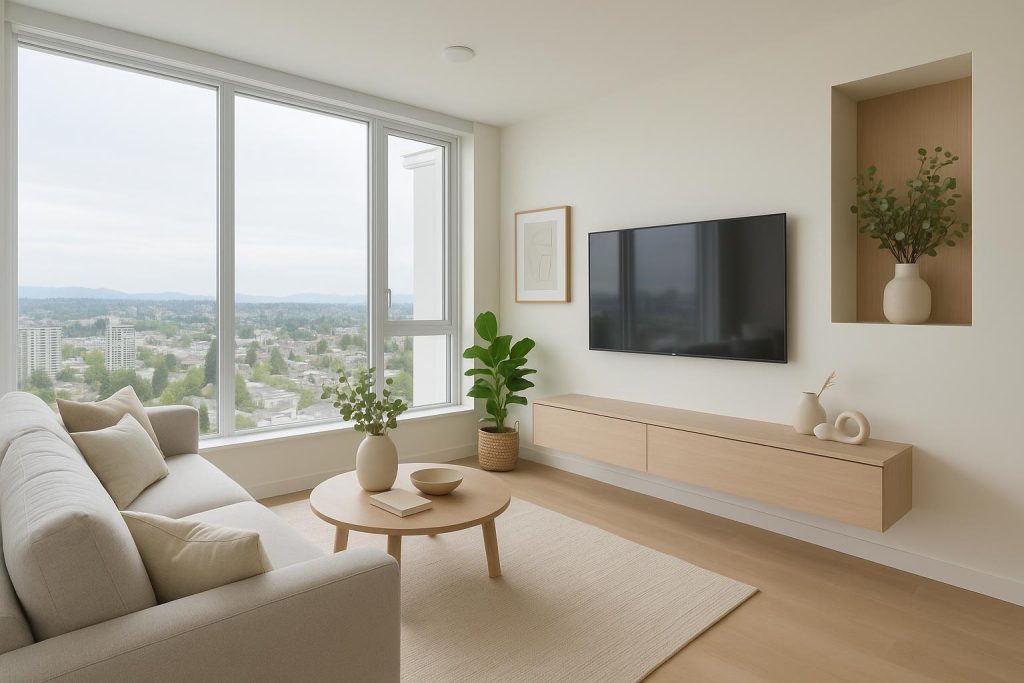
Personalizing Your Presale Condo in Burnaby: A Comprehensive Guide
When you purchase a presale condo in Burnaby, you enter a world of possibilities that new homeowners in a completed building do not always experience. One of the most appealing aspects is the chance to tailor the interior of your future home. Whether you want to choose your preferred finishes or embark on more significant layout modifications, presale projects often let you shape your living space from the beginning. However, it is important to understand how customization opportunities vary among developments and what to expect when working with a developer’s timeline, design guidelines, and policies. This guide explores how you can customize the interior of a presale condominium in Burnaby, common types of available upgrades, and practical considerations for achieving a cohesive, long-lasting design.
Why Personalize Your Presale Condo?
Modern homeowners value interiors that cater to their specific lifestyle and tastes. Because presale projects allow you to make key decisions at an early point in construction, it can offer the freedom to align your condo’s overall look with your preferences. If you love entertaining, for instance, you might choose an open-concept kitchen layout or invest in higher-grade appliances. If you work from home, customizing a den or incorporating built-in shelving could be essential. Personalization not only enhances your daily comfort, but may also support your condo’s resale value. A carefully curated interior can be especially attractive to future buyers, since they will see a home that was designed with clear intent, quality, and functionality in mind.
Common Customization Options
Buyers who secure a presale unit early often have the greatest range of choices. Many developers present a menu of finish packages or allow a level of mix-and-match customization from a set of materials. Below are a few typical upgrades and design choices to consider:
- Flooring: You may be able to pick between hardwood, laminate, or tile, choosing colours and textures that speak to your design vision.
- Kitchen Finishes: Countertops, cabinetry, backsplashes, and hardware can often be personalized. Some developers offer a few distinct palettes, while others let you specify more custom details if their schedule permits.
- Bathroom Features: From tiling to faucets and sinks, bathrooms offer myriad opportunities for creative flair. You could select more durable fixtures or intelligent storage solutions to maximize the room’s usability.
- Lighting and Electrical Upgrades: Recessed lighting placements, accent pendant lights, or additional electrical outlets can be requested early. Many developers have dedicated packages that you can opt-into so everything is routed properly before walls are closed.
- Built-In Storage: If seamless organization is important, ask about custom closet systems or shelving. Properly integrated storage not only looks polished but also helps you stay organized.
On the whole, presale buyers willing to engage early in the design process can enjoy meaningful upgrades. If you value high-quality finishes and a cohesive aesthetic, it is wise to discuss your priorities with the developer or sales team as soon as you register an interest in the property.
Understanding Developer Policies
Not all developers approach customization in the same way. Some offer curated packages that allow you to select from standardized combinations of flooring, cabinetry, and paint schemes. Others maintain a more flexible approach, opening the doors to deeper personalization. This variation means it is important to assess each developer’s guidelines before committing to a presale purchase.
Ask about the timeline for choosing finishes and whether there are any associated design or consulting fees. Sometimes, selecting custom items that are outside the standard offerings can involve a higher cost or require specialized materials that must be sourced. Additionally, developers adhere to local building codes and maintain a schedule for construction. If structural changes are desired, they might need special permits or additional inspections. Whenever structural modifications are possible (such as extending a wall to create a larger closet), review how it will affect your budget and the project’s completion date.
Working Effectively with Developers
Once you identify a presale condo that fits your vision, it is a good idea to establish open communication with the developer. Many times, a presale contract will outline the upgrade options, costs, and deadlines for making decisions. If you have specific ideas, confirm how far along the building is in its construction process. The earlier you get involved, the more flexibility you typically have. Some points to consider:
- Official Design Guidelines: Acquire copies of the official design guidelines or finishing schedules so you know the scope of what is actually available.
- Budget and Payment Details: Determine if customization costs are wrapped into the final condo price or if you need to pay for upgrades separately. Also, confirm the timing of these payments.
- Timeline Implications: Find out whether any of your proposed changes could alter the completion date of your unit. Even a seemingly small structural update can involve various steps that extend the construction schedule.
- Professional Input: If you are aiming for a certain aesthetic, consider engaging interior designers who have experience with presale condo projects to translate your ideas into feasible requests.
Always keep in mind that developers are balancing individual requests with the overall progress of the building. Clear, timely communication helps ensure that your vision becomes reality without creating significant disruptions.
Considering Structural Changes
Minor cosmetic updates, such as selecting different tile or opting for upgraded countertops, tend to be simpler. But when you want structural adjustments—like repositioning doorways or removing non-load-bearing walls—more planning is required. These kinds of alterations might call for extra approvals or building permits. Developers often must re-check architectural plans, confirm code requirements, and delegate specialized contractors to handle the changes.
Before you commit to bigger modifications, evaluate the long-term advantages. Will this structural change dramatically improve your layout or functional needs? Do you have confidence it will not overcomplicate your condo’s design factors? If so, it may be worthwhile. However, if the changes are harder to implement and risk numerous construction delays, weigh your options carefully. In some cases, a well-chosen finish package combined with thoughtful furniture placement may accomplish what you want without significantly altering the bones of the unit.
Timeline and Budget Factors
Presale developments typically follow a strict schedule to complete the project on time. When you request custom finishes or structural modifications, you may face time-sensitive deadlines related to design sign-offs and upgrades. Missing these deadlines could limit your choices or result in penalties. Make sure to stay in close contact with the project’s sales team so you can submit your preferences on schedule. If you need extra time or want to explore custom materials not on the developer’s standard list, communicate this early to avoid rushed or suboptimal decisions.
In terms of budgeting, anticipate that non-standard finish packages or high-end upgrades will add to the total cost. While some upgrades might be reasonable, a series of small improvements can quickly increase overall expenses. For instance, swapping standard quartz countertops for a premium marble or adding a custom lighting plan in multiple rooms can substantially impact your final purchase price. Work closely with your developer’s team to see if changes are bundled or itemized. This hierarchy of options can help you choose which features will bring you the most joy and value in the long run.
Resale Power and Long-Term Value
Many buyers who invest in Burnaby’s presale condos are thinking strategically about long-term value. While customization can make your home feel more personal, you might also want to consider how these customizations resonate with future buyers. Overly specific or niche designs could limit potential resale opportunities down the line, especially if they are overly bold or do not align with broader tastes. At the same time, thoughtful upgrades—like high-quality countertops, energy-efficient fixtures, or well-planned storage—can be strong selling points.
If you are weighing how customization affects the broader investment picture, it may help to read about the potential of presale units in general. We discuss this more in our sibling FAQ post, Are presale condos in Burnaby a good long-term investment?. Seeing the bigger picture can guide your decisions so that they align with both personal enjoyment and future market appeal.
Anticipating Possible Delays and Changes
Even the most well-managed presale development can face unpredicted setbacks, such as supply chain issues or weather-related construction slowdowns. Any time customization is involved, these factors may be magnified. If, for example, you order a unique flooring material that takes longer to ship, it can delay the timeline for installing cabinets or fixtures that rely on floors being 100% complete. Staying informed about overall project milestones can safeguard you from unwanted surprises. You can also explore the related FAQ, What happens if the presale development in Burnaby is delayed?, to learn more about what to expect in such scenarios.
By asking questions, building a respectful relationship with the developer, and recognizing that schedules often shift in large-scale constructions, you can lower the risk of frustration. Open dialogue remains the best way to ensure that your customization has minimal impact on completion times while still meeting your highest priorities.
Assessing Materials, Quality, and Maintenance
Part of responsible development focuses on creating a home that stands up to daily use while remaining aesthetically appealing. When you select finish upgrades, evaluate their durability and ease of maintenance. While a particular stone countertop might look stunning, it might also demand extra care. Similarly, certain hardwood flooring types can be more prone to scratching or warping in humid conditions. Make sure the developer or your design consultant explains the care instructions, so you feel comfortable committing to a specific material.
In addition to your personal preference, think about how well various materials align with the climate and living patterns in Burnaby. There is ample rainfall for much of the year, so you may want to consider moisture-resistant flooring or a robust ventilation system. These details add up to a more comfortable space and can help when the time comes for resale.
Planning for Future Possibilities
When customizing your presale condo, imagine how you may use the space in the years to come. Today, you might have specific design preferences, but your needs could evolve over time. For instance, if you plan on gradually transforming a den into a home office, thinking ahead about electrical outlets or built-in desks could save money later. A purposeful, forward-thinking design approach will let you adapt your home more readily without major renovations.
Some buyers also consider the option of renting out their condo at some point. If that is part of your plan, or if you want to explore the rental market in this community, consider whether your customization choices reflect features that would also be appealing to prospective tenants. While you do not want to eliminate personalization altogether, aim for a balanced design that remains widely functional.
Practical Tips and Key Questions to Ask
Your path to successful customization is guided by the right questions. Approaching each step with clarity saves time, money, and hassle. Before committing to any design choices, consider asking:
- What is the deadline for upgrade selections, and how will late decisions affect my home’s readiness?
- Is there room to swap out specific materials if I have an alternative in mind, and how will that impact costs?
- Are structural changes allowed at this point in construction, and do they align with local building codes?
- How might these improvements enhance the condo’s efficiency or long-term value? Are there energy-saving fixtures I should prioritize?
- Does the development have any guidelines on paint colours or exterior uniformity that I need to respect?
- What do I need to know about potential changes to the completion date if certain customization paths are chosen?
Armed with these questions, you will have deeper insight into what is possible for your presale condo in Burnaby and how best to navigate the developer’s processes. The aim is to find a balance between the vision you have for your interior and the practical steps needed to bring that vision to life.
Exploring Additional Resources
If you want to learn about timelines, budgets, or other considerations around purchasing a presale condo in Burnaby, reviewing related FAQs can be incredibly helpful. For example, our guide on How long do presale projects in Burnaby usually take to complete? can clarify construction durations and milestone dates. You might also explore our Projects page to see current or upcoming offerings, many of which highlight thoughtfully designed spaces. Each development is different, so browsing multiple options can give you a sense of what customization opportunities are out there.
Finally, when you are ready for a deeper conversation or want to discuss specific design changes, do not hesitate to reach out through our Contact page. Whether you are a first-time buyer or a seasoned investor, taking the time to understand your customization choices helps ensure that your future home reflects both your personal style and a strong sense of lasting value. By partnering with a developer who appreciates quality and long-term community growth, your presale condo can truly become an extension of who you are.
