

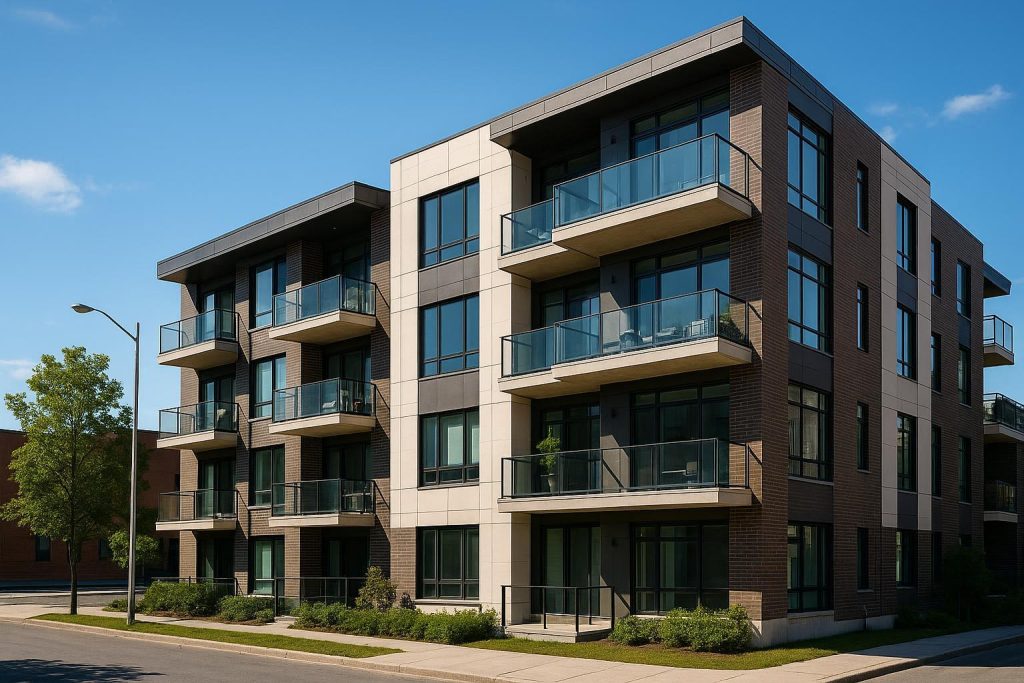
Exploring Condos in Multi-Family Developments with Strong Investment Potential
Investing in real estate is often regarded as one of the more stable ways to build long-term wealth, and condos within multi-family developments can be an intriguing segment of the market. While many prospective buyers or investors might consider detached homes or duplexes, condominiums within larger communities offer unique advantages—both for individuals looking to reside in these homes and for investors looking to expand their real estate portfolios.
Below, we explore what it means to invest in condos in multi-family developments, why it can be advantageous, and how to evaluate potential returns. We will also discuss key considerations such as the location of the property, the design and build quality, the broader community context, and the role of thoughtful, purpose-built developments in creating enduring value.
What Are Multi-Family Developments?
Multi-family developments encompass a broad category of residential projects that include apartments, rentals, and condominiums, all managed under a unified vision. Typically, multi-family properties share common amenities such as lobby areas, recreational spaces, and in some cases, retail or commercial units on lower floors. Some highlights:
- Diverse housing types: A multi-family development may offer a variety of units—studio apartments, larger condos, or combined residential and commercial spaces—catering to different occupant needs.
- Shared amenities: These developments frequently feature amenities like fitness rooms, landscaped courtyards, or social lounges that residents collectively enjoy.
- Community integration: Well-designed multi-family communities consider the broader neighbourhood context, ensuring that whatever is built has a meaningful relationship with its surroundings—be it through pedestrian-friendly designs, proximity to transit, or steps taken to strengthen the local economy.
How Condos Fit into Multi-Family Developments
Condos within multi-family developments tend to blend private ownership with the shared aspects of community living. You own a specific unit, yet also benefit from a collective structure where a strata or homeowners’ association helps oversee the maintenance of common areas. This arrangement offers both convenience and cost-sharing:
- Maintenance support: Routine upkeep of hallways, elevators, and exterior elements is often covered through monthly condo fees, allowing owners to avoid the day-to-day burden of property management.
- Shared costs: Major repairs—from roof work to structural scans—are managed by the collective fund. This predictable financial structure can be especially helpful for first-time investors who want stable overhead costs.
- Community focus: You also participate in the larger vision of the building or complex, giving you a voice (via strata meetings or votes) in decisions about upgrades, aesthetic changes, and overall direction for the property.
What Drives Strong Investment Upside?
Not all condos carry the same potential for returns. A few specific factors indicate robust investment upside:
- Location and connectivity: A condominium project in a thriving, well-connected neighbourhood with strong transit links, vibrant retail corridors, and essential services nearby typically commands higher rents and long-term property value appreciation.
- Design and build quality: A thoughtfully planned development, relying on quality materials and forward-thinking architecture, attracts discerning tenants or buyers. These features reflect long-term value, bolstering demand over time and resulting in stronger returns.
- Purposeful community integration: Modern developments that prioritize community well-being—whether through green spaces, well-lit walkways, or neighbourhood-facing retail—tend to fare better in the long run. These features can influence rent levels and resale pricing.
- Proven rental demand: In areas where housing supply is limited relative to the demand for high-quality options, condos can attract stable, long-term tenants. Investors are more likely to maintain steady occupancy levels, ensuring healthy cash flow.
Assessing the Investment Potential of Condos
When determining whether a condo in a multi-family development is likely to offer an attractive investment opportunity, it’s useful to approach the process methodically. Consider researching:
- Historical appreciation: Check trends in the local market. In some urban centers, condos can exhibit historically consistent growth in property values.
- Tenancy structure: If you plan to rent your unit, investigate average vacancy rates, typical rental prices, and whether the building enforces any rental restrictions through the strata. This will help you determine how easily you can find tenants.
- HOA or strata fees: Factor in the monthly cost of maintenance. Although this fee can simplify property management, excessive charges can diminish profit margins. Look for balanced budgets and transparent reporting.
- Developer track record: Work with or research developers who consistently deliver high-quality, responsible development projects. A proven reputation signals reliability, attention to detail, and a commitment to building sustainable and livable spaces.
The Role of Purpose-Built Rental Communities
While condominiums are one compelling aspect of multi-family housing, the real estate market also features purpose-built rental developments—areas designed specifically for rental living. These communities can be a marker of a developer’s approach to quality, since they’re often intended to remain under consistent management for the long term. Investors sometimes look for condo properties in the vicinity of purpose-built rental developments, drawn by the broader uplift to the neighbourhood that community-minded, high-quality projects can bring.
When such developments appear in growth areas—especially those close to transit and local services—they can spark renewed interest, driving foot traffic to local shops and spurring economic revitalization. For condo owners, this can translate into:
• Increased desirability: Precisely because the overall area has multiple upmarket housing options, potential buyers or tenants see a cohesive, well-cared-for neighbourhood.
• Stable surrounding infrastructure: The consistent presence of property managers helps maintain the property’s appearance. This fosters a secure sense of place and broadens the appeal for prospective tenants or buyers.
Understanding Community Impact
A good benchmark for spotting multi-family developments with strong investment upside is how the project contributes to its neighbourhood. Thoughtful, community-driven development stands out for:
- Enhancing local amenities: Commercial spaces within mixed-use projects, such as coffee shops, retail spaces, or restaurants, can elevate the daily living experience. These amenities draw consistent foot traffic, benefiting both residents and local businesses.
- Improving walkability: Well-planned developments often improve walkways and landscaping, making the immediate area more pedestrian-friendly. Over time, this fosters stronger community engagement and encourages a healthier, more accessible lifestyle.
- Supporting affordability: Though condo pricing can vary, properly scaled developments in well-connected areas help diversify housing stock. This can indirectly create more opportunities for residents of various income levels in the broader neighbourhood.
Professional Management and Strata Collaboration
An essential aspect of investing in condos within multi-family complexes is understanding the property management structure. Usually, there is a strata council or homeowner association that, along with the management team, ensures that the building’s amenities, hallways, and public areas remain well-maintained. This system helps preserve the property’s vital infrastructure, boosting its longevity and attractiveness.
Look for signs of effective communication between management, owners, and strata council members when assessing a property’s rental and resale prospects. Transparent budgeting, regular property updates, and a clear plan for capital improvements (such as roof or building envelope replacements) indicate a stable environment poised for continuous growth.
Potential Challenges and Mitigating Strategies
As with any real estate investment, condos in multi-family developments also involve certain risks:
- Market fluctuations: Real estate prices can be cyclical. Investors should plan for potential short-term dips and maintain a long-term perspective.
- Strata restrictions: Be aware of any stipulations that could limit rental arrangements or renovations you might want to undertake. Knowing these in advance helps you assess whether an investment aligns with your future plans.
- Competition within the community: If the development is large, multiple units may come on the market simultaneously, which can affect rental pricing or resale value. Diversifying your portfolio or timing your sale carefully can alleviate this issue.
Why Consider New Projects from Established Developers
Investing in condos in brand new or soon-to-be-completed projects is another route to potentially higher returns. Established developers with a track record of success put emphasis on:
- High construction standards: Quality construction reduces the likelihood of major repairs within the first decade of operation, making it easier for owners to project consistent operating expenses.
- Designing for people: Well-laid-out floor plans, efficient use of space, and thoughtful offerings like communal courtyards or lounge areas signal a strong focus on livability.
- Ongoing commitment: Developers who both build and continue to manage their properties (or maintain strong relationships with professional management firms) often have a long-term stake in the project’s success. This can inspire confidence in the longevity of the building’s quality and community support structures.
Building Your Strategy
When seeking a condo in a multi-family environment, three factors remain crucial for developing a sound plan:
- Objective clarity: Identify if you’re purchasing primarily for rental income, eventual resale profit, or as a personal residence.
- Thorough due diligence: Investigate everything from condo bylaws and financial statements to local development plans—particularly lessons gleaned from other completed purpose-built and condo projects around the neighbourhood.
- Professional advice: Consult real estate agents, financial advisors, or property management experts who understand multi-family investments. Their insights can help you navigate complex regulations and pin down an accurate valuation.
Keeping Long-Term Value in Focus
Ultimately, choosing a condo in a multi-family development can be a rewarding way to build long-term value, especially when the property is well-located, skillfully managed, and anchored by a thoughtful vision of community. By examining market trends, evaluating the developer’s track record, and understanding the nuances of the strata structure, you place yourself in a stronger position to see durable investment returns.
As you explore opportunities, consider areas where new developments—or revitalized ones—are aligning with transit and amenities. Responsible development that respects the local environment and fosters social connections can enhance property desirability, effectively supporting consistent demand. In this context, a condo is more than a unit in a tower: it can represent both a comfortable home for owners or renters and a stable, reliable investment vehicle.
Conclusion: Condos as a Catalyst for Community and Growth
In many thriving urban regions, multi-family developments that include condominiums present a compelling blend of comfort, convenience, and potential appreciation. Though no investment is entirely without risk, condos within evolving neighbourhoods can serve as a stable cornerstone of a broader portfolio—especially when guided by strategies that prioritize the people they serve and the communities they support. By focusing on quality, location, and responsible stewardship, you can find a condo that not only delivers a strong investment upside, but also contributes to vibrant, well-connected neighbourhoods for years to come.
If you’re interested in discovering more about intelligently planned developments, or if you want to explore specific opportunities in rapidly growing areas, feel free to Contact Our Team or Explore Our Projects for additional information. Clear communication, purpose-built design, and a commitment to community remain key elements in identifying the right property—attributes that can help you confidently secure a condo with long-term potential in a multi-family development.
