

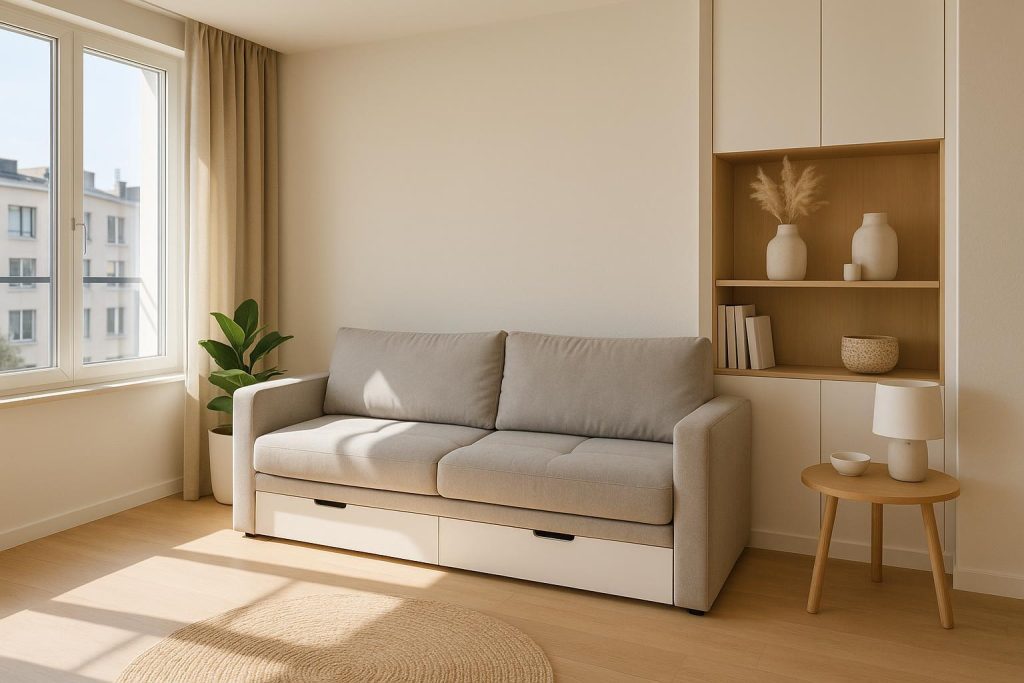
Maximizing Condo Space with Multifunctional Furniture
In today’s world, many people are embracing the efficiency and convenience of condos. Square footage can be limited, but that doesn’t mean you have to feel restricted or cramped. One of the most effective ways to optimize any compact living area is by incorporating multifunctional furniture. These versatile pieces can expand or shift purpose as needed, ensuring that you get the most out of every corner of your home without sacrificing style or comfort.
1. Understanding Multifunctional Furniture
Multifunctional furniture refers to any household item that serves more than one purpose. Think of a coffee table that unfolds into a desk or a sofa that quickly converts into a bed. Whether the goal is to entertain guests, store personal belongings, or simply relax, these well-designed pieces can adapt to each scenario. In a condo where square footage is a precious commodity, multifunctional items help maintain an open, organized layout. Instead of dedicating separate areas to each household activity, you can transform the same area to accommodate different needs throughout the day.
Because of their adaptable nature, multifunctional furnishings are increasingly sought-after. They are carefully engineered to be both user-friendly and visually pleasing. The best examples combine aesthetic appeal with a high level of practicality. Ultimately, multifunctional designs let you coexist with your furniture in ways that go beyond a static sofa, table, or shelving unit.
2. Key Benefits for Condo Living
Living in a smaller home doesn’t have to mean giving up on comfort. Multifunctional furniture helps you make the most of the space you have by:
- Optimizing floor plans: Because each piece can serve multiple roles, you don’t need separate items for sleeping, dining, or working. This frees up more open space for walking around or simply enjoying a wider interior.
- Reducing clutter: Many multifunctional pieces, such as bed frames with built-in drawers, are designed with storage in mind. This helps keep your condo tidy without the need for bulky cabinets or wardrobes.
- Improving design coherence: Having fewer yet more functional pieces can simplify your décor, creating a seamless and sophisticated look that contributes to a less cluttered environment.
- Saving costs in the long run: Instead of purchasing multiple distinct items, you buy fewer, higher-quality ones that can serve you longer. While cost may vary, well-made multifunctional pieces often balance out the expense by eliminating the need for extra furniture down the line.
By tackling these core challenges head-on, multifunctional furniture can transform even the most limited floor plans into comfortable and spacious living areas. For a broader look at how other design choices can amplify your condo’s sense of openness, you may want to explore How can open-concept layouts make a condo feel bigger?.
3. Types of Multifunctional Furniture
The category of multifunctional furniture is wide-ranging, and your choice depends on your lifestyle, aesthetic preferences, and the specific layout of your condo. Below are a few popular categories:
- Sofa Beds and Convertible Sofas: These are classic examples of multifunctional pieces, quickly transforming a living area into a sleeping space at night. Many models also include hidden storage beneath the cushions.
- Foldaway or Extendable Tables: Designed for people who love to dine or work on a larger surface but don’t want to sacrifice space. Some fold neatly against a wall, while others expand or contract based on how many guests you have.
- Modular Shelving Units: These can serve as storage, room dividers, and even decorative installations. Because they can be rearranged, modular shelves grow with you. If your layout changes, the furnishing can adapt.
- Hidden Storage Beds: A bed with built-in drawers or compartments maximizes bedroom organization. Bedding, clothes, or seasonal items can easily go under the mattress instead of cluttering up closets.
- Transforming Desks: For people who work from home, foldable or convertible desks create a dedicated workspace when needed, but can be tucked away or reconfigured to save space during off-hours.
Each category addresses a particular challenge of condo living, from the need to host occasional overnight guests to the desire to keep daily clutter under control. Having one or more of these pieces in your home goes a long way in creating a comfortable and versatile layout.
4. Designing for Adaptability
When selecting or arranging your multifunctional items, take the bigger layout into account. Begin by identifying specific zones in your condo: a lounge area, dining spot, workspace, and so forth. Even if you only have a studio, you can define these zones through strategic furniture placement or a modular shelving unit that doubles as a divider. This helps create an easy flow while maximizing every inch of your home.
Remember that design shouldn’t just look good; it should add convenience to your day. A convertible sofa placed in the right spot might allow you to pull out a desk extension without moving other furniture. Similarly, a fold-up dining table can be placed against a wall until guests arrive, freeing the center of the room for daily activities. By mapping out how you use each space, it becomes easier to pick pieces that align with your needs.
5. Tips for Choosing the Right Piece
How do you choose the multifunctional furniture that suits your condo best? Here are some guidelines:
- Measure carefully: Even the most clever furniture becomes useless if it doesn’t fit. Measure your available space, consider door and hallway widths, and note any obstructions like radiators before you make a purchase.
- Examine build quality: An item that is meant to flex between uses will get a lot of wear and tear. Look for sturdy materials, reinforced hinges, and reputable manufacturers.
- Consider ease of transformation: Will you be converting your sofa to a bed each night? If so, make sure the mechanism is easy to operate. The same rule applies for folding tables or desks.
- Stay consistent with your décor: Your new piece should match or mingle well with the existing style of your condo. Neutral colors and timeless designs often work best, letting you swap accents without needing to replace the furniture entirely.
- Plan for the future: Multifunctional furniture is an investment. Opt for pieces you can imagine using for years, in case you ever move to a larger or differently shaped condo.
As you refine your home layout, think about storage solutions as well. Reducing clutter makes any home feel bigger. If you’d like more insights into why storage matters, you might read Are modern storage solutions essential in a spacious condo?.
6. Common Challenges and Solutions
Even with multifunctional furniture, you may encounter a few challenges:
- Overcrowding: It’s possible to get excited and add multiple multifunctional pieces that overwhelm your living area. Keep an eye on the overall balance. One or two well-chosen pieces can make a stronger impact than several large items that crowd the space.
- Quality trade-offs: Sometimes, a cheaper model doesn’t offer the same durability or comfort as a higher-end piece. Since you’re relying on these items for daily use, invest in good build quality.
- Style mismatch: Multifunctional doesn’t have to mean boring or purely utilitarian. The market has plenty of beautiful options. By doing a bit of research, you can find versatile furniture that suits your personal style—without compromising function.
Solving these challenges involves planning, a little research, and a willingness to invest in furniture that fits your longevity goals.
7. Integrated Storage and Organization
Clever storage is integral to an efficient condo. While many multifunctional pieces come with built-in compartments or hidden drawers, you can also look at organizational strategies like vertical shelving, under-bed containers, or wall-mounted cabinets. These solutions help keep your floors clear. A tidy floor plan is one of the easiest ways to make a room feel larger.
Include trays or baskets within shelving units so that smaller items like mail, keys, or electronics charging cables don’t become visual distractions. This approach keeps surfaces neat, maintaining the clean lines and openness that multifunctional design tries to achieve. The more easily you can hide away items you don’t need at the moment, the greater the feeling of calm you’ll have at home.
8. Psychological Impact of a Clutter-Free Home
Certain design choices influence how you feel when you walk into a space. When you remove visual distractions and maintain clear surfaces, you create a more peaceful atmosphere. Multifunctional furniture helps accomplish this because it can tuck away what you don’t want to see. Having a workspace that disappears at the end of the day or a dining table that folds up after a meal signals closure of each activity, visually “resetting” the room for its next purpose.
This sense of order can alleviate daily stress, improve relaxation, and even boost productivity. A home that quickly adapts to your needs can feel invigorating, allowing you to focus on living rather than constantly reorganizing.
9. Building a Cohesive Style
A common misconception about multifunctional furniture is that it might lack personality or clash with your existing décor. In reality, these items come in a vast range of styles, from minimalist modern designs to more traditional looks. By selecting pieces with complementary colors, textures, and finishes, you can maintain a cohesive design scheme across your condo. Even a neutral gray sofa bed can pair seamlessly with bright accent pillows, rugs, or artwork.
Some multifunctional items feature adjustable shelving, allowing you to change the arrangement to show off collectibles or decorative pieces. This makes it easy to refresh your look whenever you like. If you prefer a more subdued aesthetic, consider sticking to neutral color palettes, then bringing in personality through smaller, easily replaceable accessories.
10. Transitioning from Day to Night
A key element of multifunctional design is the quick transition between day and night usage. In a single day, your living room might need to be a workspace, a relaxation spot, and an area where you can entertain friends. By the evening, perhaps it transforms into a cozy sleep zone. Having furniture that effortlessly adapts to these shifts is vital in a condo where these functions often overlap.
If you routinely work from home, look for a sofa with a built-in desk attachment or a coffee table that elevates to a comfortable height for a laptop. If you host overnight guests, a stylish couch that unfolds into a bed is likely your best bet. The ability to shift from one function to another in mere seconds can make your condo feel as though it has multiple rooms instead of just one or two.
11. Future Trends in Multifunctional Design
As urban living evolves, so do the innovative solutions for small spaces. The next wave of multifunctional furniture includes smart technologies that allow you to adjust lighting, height, and other features with an app. For those seeking minimal effort, motorized components can raise or lower certain sections of a bed, table, or shelf. Meanwhile, eco-friendly materials and sustainable structures appeal to homeowners who want to reduce their environmental impact.
Beyond mechanics, there is also a stronger focus on aesthetics. Designers pay close attention to combining high-quality textures, unique shapes, and versatile features that add sophistication to a modern home. As these pieces become more popular, shoppers have an ever-growing selection to match their taste, ensuring that functional no longer means bland or industrial.
12. Multifunctional Furniture and Condo Well-Being
Ultimately, investing in adaptable design pays dividends for condo dwellers. Every day, you’re empowered to shift your home to serve your immediate needs, whether that’s practicing a hobby, working remotely, or hosting friends. This sort of adaptability cultivates a sense of self-sufficiency and comfort. If you pair these furnishings with thoughtful organization and open layouts, you might be surprised at how spacious your home feels.
If you want to explore more ways to enhance your condo’s sense of space, check out Does natural light really make condos appear larger?. Natural light pairs beautifully with multifunctional furniture to transform your environment. And if you’re planning an overall condo refresh, you may also be interested in What should I look for in a condo floor plan to maximize living space?. It delves deeper into specific layout attributes that make a condo feel bigger from the moment you move in.
For more real-world ideas, you can browse our Projects page, where you’ll see how different design principles come smoothly together in apartments and mixed-use buildings. While your own condo might present unique constraints, multifunctional furniture is a reliable key to unlocking more comfort and flexibility. Instead of feeling like you always need more room, you’ll be able to do more with the space you already have.
By embracing adaptable furniture and a well-thought-out layout, you can enjoy a condo that is cozy yet spacious, multi-purpose yet uncluttered. Each addition to your home contributes to a greater sense of freedom and ease, ensuring that small-space living never comes at the cost of functional daily life. Whether you’re revamping your existing space or designing a brand-new condo from scratch, the thoughtful application of multifunctional furniture could be the one change that helps you feel truly at home.
