

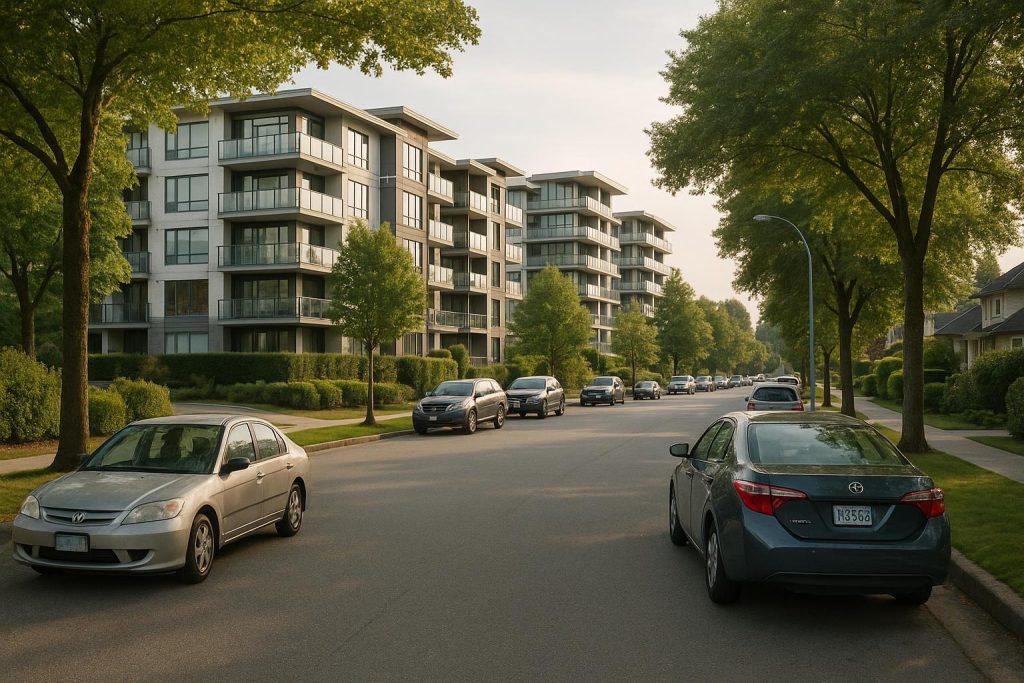
Understanding Residential Street Parking in Burnaby
Parking on residential streets in Burnaby can be relatively straightforward compared to other metropolitan areas, but it does come with several regulations and considerations that both visitors and residents should keep in mind. Whether you live in an established neighborhood or are new to the city, being aware of the rules governing street parking helps ensure you avoid tickets or towing and that your community remains safe and accessible.
In this guide, we explore the key points you need to know about parking in Burnaby’s residential areas, from general bylaws and permit requirements to tips on how to handle overnight parking. We will also provide insight into how these regulations may mesh with various rental living scenarios, especially if you are renting a home or considering a purpose-built residential building in Burnaby.
1. Overview of Burnaby’s Residential Parking Regulations
Burnaby follows specific bylaws (often referred to collectively as the city’s Street and Traffic Bylaw) that dictate where and how you can park. In general, most residential streets in Burnaby allow parking unless a sign states otherwise. However, it is crucial to note the posted signs, which may specify time limits, indicate permit-only zones, or prohibit parking at certain times of day for city services like street cleaning.
Many neighborhoods that see frequent visitor traffic or are close to public institutions—like schools or hospitals—often have more detailed restrictions to curb congestion. Before leaving your vehicle on the street, always scan the immediate vicinity for signs that indicate any limitations or enforcement details.
2. Time-Limited Parking Spots
One of the most common types of residential street parking control in Burnaby is time-limited parking, which usually allows parking for one to three hours. These limitations help ensure a turnover so that residents and their visitors can find a spot. While these time restrictions may seem minor, they are enforced regularly, and exceeding the posted time can lead to a ticket. It’s always recommended to set an alarm or otherwise remind yourself to move your vehicle or check the area if you suspect your limit may be approaching.
For visitors, these time-limited zones can be convenient for short stays, dropping off items, or making deliveries. However, for those who expect to park for longer periods, consider exploring alternate options, such as off-street parking lots or areas of the neighborhood with no time restrictions.
3. Permit Parking Zones
In some residential areas with high parking demand, Burnaby has instituted permit-only parking zones. These zones are typically marked with a sign that specifies “Permit Parking Only” and references the applicable permit area. Residents who live in these areas may apply for a permit from the city, which generally involves proof of residence and payment of any applicable fees. In these zones, vehicles that do not display a valid permit are at risk of receiving a penalty.
Permit zones can help reduce long-term street congestion and discourage commuter parking. However, if you are planning to move to a neighborhood that features permit parking, it’s important to research how many permits a household can obtain, which could be limited, and what the associated costs might be. This can influence whether you rely on street parking or opt for a rental property that includes designated parking stalls on-site.
4. Bylaw Enforcement and Ticketing
Parking tickets in Burnaby can range in cost depending on the violation, and fines typically increase if left unpaid beyond a certain period. Parking enforcement officers patrol residential streets, paying close attention to areas with posted time limits or permit requirements. Additionally, blocking driveways, fire hydrants, or crosswalks may lead to immediate enforcement action, sometimes including towing.
To stay compliant, always park within the legally defined space, leaving enough distance from driveways, intersections, and no-parking zones. Even if a street seems quiet or you’re only stopping briefly, ignoring the rules risks inconvenience and added cost down the road.
5. Overnight Parking Considerations
Overnight parking is often allowed in Burnaby’s residential neighborhoods unless signs state otherwise. Certain streets, however, might have posted time limits or restrictions during late-night or early-morning hours. These rules might be in place to accommodate street cleaning or discourage use by non-residents.
If your property does not include a personal driveway or parking space, you may frequently rely on these residential streets for overnight parking. In such circumstances, consider looking into a monthly or annual residential permit if it’s offered in your neighborhood. This helps safeguard you from coming out in the morning to discover a ticket or, in worst-case scenarios, that your vehicle has been towed.
6. Parking Near Driveways and Intersections
When parking in residential areas, it’s important to respect the clearance distances to driveways, intersections, sidewalks, and fire hydrants. By law, you must leave a certain amount of space between your vehicle and these features to maintain visibility and safety. Failing to leave adequate space not only inconveniences your neighbors but can also result in fines.
In addition, pay attention to yellow or red curbs that sometimes mark zones where you cannot park. These markings are often found near intersections or crosswalks, serving as visual cues that help prevent obstructions for pedestrians and other drivers.
7. Temporary Restrictions: Road Maintenance and Events
Occasionally, the city implements temporary parking restrictions for certain streets due to maintenance work (e.g., repaving, line painting) or local events. When this occurs, signs are typically posted in advance, specifying the dates and times when vehicles cannot be parked in the affected zone. These measures allow city crews or event organizers to complete their work quickly and safely.
If you see these temporary restrictions, plan accordingly by moving your vehicle to another legal spot before the start time. Vehicles left on the street in defiance of such notices may be ticketed or removed to accommodate the event or maintenance effort.
8. Large or Non-Standard Vehicles
If you drive an oversized vehicle (such as certain cargo vans or recreational vehicles), keep in mind that Burnaby’s residential street parking regulations may prohibit or restrict parking these vehicles in residential zones for extended periods. Such vehicles might also require specialized permits or the consent of the city, particularly if they exceed height or length limitations set by local bylaws.
Furthermore, if you plan on moving items and are renting a sizable truck, check whether your street area allows short-term parking for loading and unloading. Certain neighborhoods or blocks might have specific guidelines for this scenario, especially if the vehicle temporarily obstructs traffic lanes or sidewalks.
9. Balancing Street Parking with Rental Options
Many individuals living in Burnaby’s purpose-built rental communities find on-site parking options to be an essential convenience. While not all rentals provide a reserved parking stall, many do, which can help alleviate the stress of searching for curbside spaces on crowded streets. If you’re considering a new rental home, it’s worth exploring the building’s parking allotments and whether monthly rates or restrictions apply.
In certain cases, you might still prefer or need to park on the street, whether you have more vehicles than the rental property’s parking area can accommodate or you frequently have visitors. Stay informed on the local street k regulations, including time-limited or permit-only areas, so that you and your guests can park legally. If you’d like to learn more about purpose-built rentals in Burnaby, you may find it useful to browse our rentals page to get an idea of current availabilities and features, including onsite parking.
10. Using Technology to Simplify Parking
Many community members and visitors use navigational apps or local city resources to check for parking data. In some cases, these apps can show you the nearest streets without posted restrictions, along with how busy an area might be. While these tools can provide guidance, always remember that the official posted signage on the street is the final authority. If an app’s indication conflicts with street signs, follow the signs to avoid fines.
Additionally, if your neighborhood offers online permit applications or electronic visitor passes, take advantage of these digital options to expedite the process. This approach often saves considerable time compared to paper-based methods and streamlines how you or your guests register a vehicle for overnight or extended stays.
11. Tips for Avoiding Parking Citations
- Check the signs: Always look for official city notices that list time limits, permit requirements, or street sweeping schedules.
- Give enough space: Ensure you’re parking far enough from driveways, curbs, intersections, and hydrants.
- Mind the clock: Time-limited parking is strictly enforced. If the sign says two hours, set a reminder on your phone to move your vehicle.
- Seek a permit (if applicable): If your neighborhood uses a permit system and you qualify, apply promptly to avoid hassle.
- Use your driveway or building lot: Whenever possible, park in designated private areas or on-site parking stalls to reduce street congestion.
- Stay aware of updates: Follow community bulletins or city postings announcing temporary street closures or special permits.
By taking these precautions, you’ll help ensure that you, your neighbors, and visitors all benefit from clean and accessible streets.
12. Finding the Right Balance of Convenience and Compliance
Burnaby’s residential street parking aims to serve the needs of its diverse neighborhoods, balancing convenience for those who live there with general traffic safety. Understanding the regulations and following the posted signs is often enough to avoid negative experiences.
By respecting parking limits, applying for necessary permits, and being mindful of city enforcement, you help maintain a harmonious environment. This reflects the community-minded spirit that Burnaby and its residents value—ensuring that the roads remain open, safe, and welcoming for all. If you ever find your existing plan is not meeting your needs, consider checking with local rental offerings that include dedicated parking.
Conclusion
In most cases, you can indeed park on residential streets in Burnaby, provided you follow the city’s regulatory framework. Pay attention to posted restrictions, remember to move your vehicle if you’re in a time-limited area, and investigate local permit requirements if you plan on leaving your car on the street for extended periods. Many purpose-built rentals in the city offer on-site parking, which can simplify your day-to-day routine if you’re a resident who prefers guaranteed parking options.
Whether you rely on street parking for short visits, require long-term solutions, or simply wish to follow the guidelines correctly, staying informed is key. Burnaby’s bylaws are designed to ensure shared spaces remain safe, uncluttered, and equitable. When in doubt, check the signs, consult local regulations, or reach out to the city. By following these best practices, you’ll be helping preserve the quality and livability that characterize Burnaby’s neighborhoods.
