

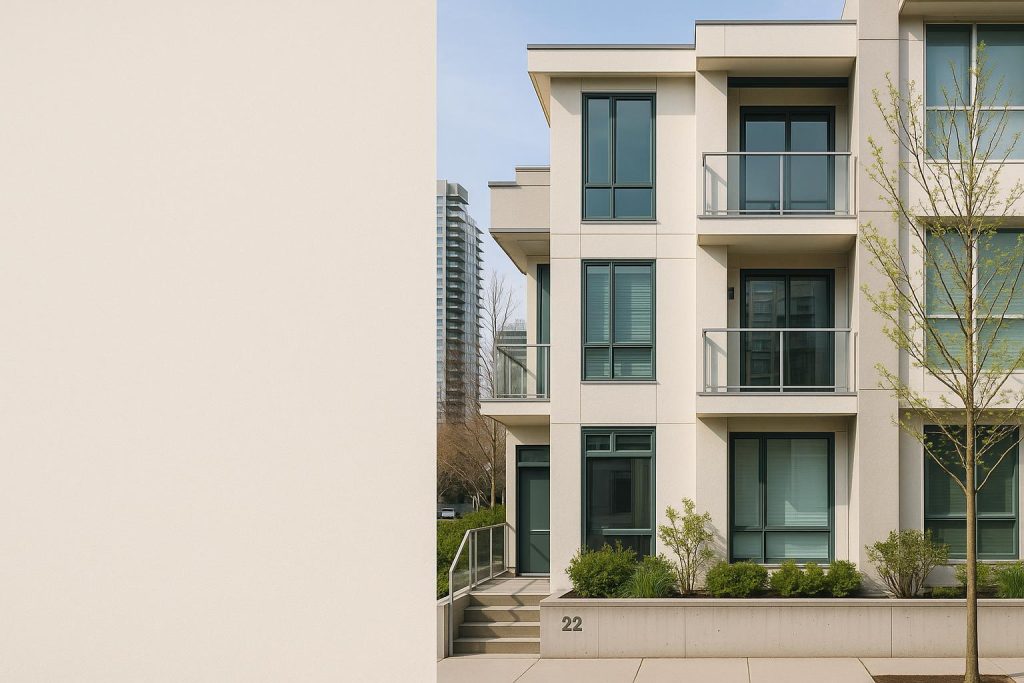
The Influence of Custom Build Solutions on Future Resale Prospects
When people decide to customize their home or rental development, they often wonder whether these unique touches will affect resale in the long run. Custom build solutions give property owners the freedom to express their preferences and introduce features that suit their lifestyle, community context, and sustainability goals. In addition, customizing a new construction project can help position a property advantageously if it reflects contemporary tastes, includes energy-efficient systems, or provides high-value amenities that stand out in the market.
Yet, it is important to recognize that adding custom touches does not always guarantee a significant boost in value. Future buyers have their own varied preferences, and an over-personalized design may limit potential interest. In the sections below, we will explore the topic at length, offering practical insights into how custom build solutions can enhance your property, maintain broad market appeal, and potentially increase long-term resale prospects.
Prioritizing Broad Appeal While Personalizing
The primary challenge of customizing any property lies in balancing personal desires with broadly appealing design choices. For example, you might prefer an ornate style or a certain specialized feature that fits your exact taste. However, future buyers may want a more neutral or modern feel. To mitigate limits on future demand, consider the following:
- Choose timeless aesthetics: Stick to architectural and interior designs that have proven enduring across various market trends, such as clean lines and calming color palettes.
- Avoid overly specific features: Be mindful of additions that speak to highly specialized hobbies or lifestyles, such as a custom-built indoor greenhouse or a fully equipped recording studio. While these features may be valuable to you, they could narrow your future buyer pool.
- Emphasize functionality: Layouts that optimize space, improve flow, and offer multifunctional areas are more likely to appeal to a wide range of buyers or renters looking for convenience and livability.
Maintaining a sensible blend of personal customization and broad appeal is one of the most straightforward ways to balance today’s preferences with tomorrow’s resale considerations.
The Role of Location and Market Conditions
Location, of course, remains a key factor in determining resale potential. A well-designed custom property that is situated in an up-and-coming or popular neighborhood may become a sought-after listing in the future. Conversely, a home featuring impeccable design in a market area with low demand may struggle to stand out, even with the most thoughtful finishes.
Most real estate experts agree that while customizations can boost perceived value, broad economic or local market factors—such as supply and demand, employment rates, and the availability of similar properties—will weigh more heavily on resale outcomes. It is wise to stay informed about potential developments in your neighborhood, including future infrastructure, retail growth, or public transportation expansions. This information can help ensure that your custom build aligns with the evolving character of the broader community.
Popular Custom Features That May Boost Value
Some types of custom work capture interest without alienating many potential buyers. These additions or design modifications often improve everyday living and can stand the test of time. When incorporating them, consider whether they match the size, type, and location of your property:
- Energy efficiency: From high-grade insulation to modern window systems and solar panels, these features help reduce utility expenses and reflect a commitment to responsible development. Buyers who value sustainability often look for properties that cut down on long-term costs and environmental impact.
- Flexible living spaces: Especially in urban settings, rooms that can adapt to multiple purposes—like a home office, guest space, or family gathering area—are popular. Flexibility accommodates evolving lifestyles and can appeal to a wide demographic.
- Durable, high-quality materials: Flooring, countertops, and fixtures that resist wear and tear preserve the property’s appearance and reduce maintenance requirements. A visually appealing environment that minimizes upkeep can be a strong selling point.
- Timeless textures and neutral palettes: Neutral colors allow potential buyers to envision how they might personalize spaces. Wood paneling, stone accents, and other timeless finishes can complement many design preferences, giving your property a broader market reach.
By focusing on features that simultaneously elevate daily living and appeal to a large segment of prospective buyers, you can ensure your custom build remains competitive for years to come.
Aligning Customizations with Local Demand
Every community has its own particular set of desired amenities and architectural styles. For instance, in areas with a strong emphasis on environmental responsibility, green building standards are especially valued. In many urban zones, layouts that maximize living space and storage are extremely attractive. By tailoring your custom build solutions to these local needs, you enhance the property’s value in the eyes of potential future buyers.
If you are unsure about local demand, consider consulting real estate professionals or architects familiar with the region. They can provide guidance on whether your customization ideas will help or hinder value in that specific environment. You might also explore related questions for deeper context, such as Can custom building be adapted to unique neighbourhood requirements? to gather insights on coordinating your vision with local regulations and community standards.
Overcoming Regulatory Hurdles
A custom construction approach often involves navigating municipal building codes, city-specific guidelines, and other regulatory frameworks that shape what you can or cannot include. For instance, in dense urban centers, the scope of customization might be limited by shared walls, strict bylaws, or heritage conservation requirements. Keeping these constraints in mind can help you avoid costly adjustments down the line.
Furthermore, if you plan on customizing a condo or multi-family unit, you may find yourself subject to strata rules or specific building guidelines. These regulations exist for many reasons, including maintaining consistency in the structure’s appearance and functionality. Understandably, such frameworks affect everything from exterior finishes to balcony modifications. If you are curious about how these factors might impact your vision, explore Are there city regulations that impact customizing a new condo? to learn more about navigating code requirements while still achieving a personalized look and feel.
How Customizations Impact Different Property Types
Tailoring a single-family home differs from customizing an entire multi-family development. In single-family residences, owners enjoy greater freedom to shape the design as they see fit, though they risk isolating future buyers if the aesthetic is overly unique. Meanwhile, customizing multi-family properties involves coordinating with architects, potential tenants, and possibly city planning officials to ensure each unit meets broader guidelines. If you are considering a larger project, you might want to review Are custom build solutions suitable for multi-family housing projects? for additional clarity on how your decisions can influence long-term property value across multiple units.
It is also worthwhile to note that mixed-use developments, which combine residential and commercial spaces, bring an additional layer of complexity and potential upside. By introducing bespoke amenities such as shared green roofs, rooftop gardens, or thoughtfully designed communal areas, you can boost the appeal to both residents and local businesses. At the same time, thoughtful custom touches can strengthen connections within the immediate community. If you are interested in learning more about these implications, Does adding bespoke amenities in mixed-use projects boost community appeal? can offer further perspective.
Designing to Withstand Market Fluctuations
Even in volatile real estate environments, certain properties remain resilient because they embody strong design principles, quality construction, and a forward-thinking approach. When you choose materials that do not age quickly, incorporate energy-saving systems, and introduce flexible living spaces, you make your property more adaptable to changing times. This adaptability can serve as a buffer against erratic market shifts.
Additionally, people appreciate a property that exhibits consistent care and thoughtfulness. Prospective buyers often interpret high-quality workmanship and premium finishes as signs that a home has been well-maintained. The perceived reliability these features bring can lead to a positive impression, even during a market slowdown, potentially sustaining property value better than less thoughtfully developed alternatives.
Sustaining Long-Term Value Through Eco-Friendly Practices
A powerful trend shaping modern developments is the implementation of eco-friendly practices, ranging from water-saving installations to rooftop solar. Incorporating green features can significantly influence future resale perceptions. As more individuals become environmentally conscious, properties that offer tangible sustainability benefits may stand out.
Examples of eco-friendly initiatives include using low-VOC (volatile organic compound) paint, integrating natural lighting strategies, or installing smart home systems to monitor energy usage. Buyers who consider health and sustainability central concerns value homes built with these principles in mind. If you want to explore specific eco-friendly measures that can be added to your property, How can I add eco-friendly features when customizing a rental property? may offer the deeper insights you need.
Factors That Influence Your Return on Investment
Several interlocking factors shape the return on investment (ROI) for custom build projects. While the uniqueness of the space and built-in functionality are integral, a robust ROI also depends on less controllable elements like interest rates, employment levels, and broader economic cycles. Here are key influences:
- Property size: Larger homes with considerable outdoor areas or multiple units may have greater customization possibilities, but these can also cost more to maintain and upgrade over time.
- Local demand: Does the neighborhood attract a demographic that appreciates custom design or specialized amenities? If so, the property may sell more easily down the line.
- Savvy budgeting: Overextending on elaborate or specialty customization can hamper your long-term returns if the resulting final price is out of step with comparable listings in the area.
- Lifecycle planning: Engaging with professional planners or architects early on helps ensure that designs remain relevant over multiple decades, contributing to steadier value retention.
By keeping these considerations on your radar from the start, you can increase the likelihood that your custom build will generate a meaningful return if or when you decide to sell.
Strategic Steps to Guide Your Custom Build
Approaching a custom build with strategic planning can help avoid pitfalls, contain costs, and maximize long-term appeal. Consider adopting the following steps:
- Engage experienced professionals: Involve an architect or designer who grasps both your personal goals and the market context. A knowledgeable professional can offer clarity on material choices, style continuity, and regulatory feasibility.
- Research building codes and permits: Familiarize yourself with municipal guidelines and zoning bylaws in advance. This proactive approach ensures you do not spend money retroactively fixing any violations.
- Build with efficiency in mind: Prioritize features like properly insulated walls and energy-efficient windows. Not only do these elements provide comfort, but they may also prove beneficial when marketing your property’s unique selling points in the future.
- Maintain design consistency: Each room and exterior element should complement the next. A cohesive look signals professionalism and makes your property more appealing.
- Plan for adaptability: Implement flexible layouts that can evolve with diverse occupant needs. Whether for families, professionals, or shared living arrangements, spaces that can shift between functions often attract a broader audience.
Why Not All Customizations Increase Resale Value
Certain customizations may actually reduce your future resale potential if they are too niche, too expensive to maintain, or simply out of step with the wider buyer market. Features like extravagant media rooms, specialized hobby spaces, or luxury fixtures that inflate the overall property price can become obstacles. While these elements may enhance personal enjoyment, prospective buyers might see them as a burden or extra cost to remove.
In addition, properties that disregard local housing norms or push the boundaries of personalization without strategic intent risk alienating a significant share of potential buyers. Even in strong markets, unusual or overly specific customizations require good timing and a matching buyer profile—a gamble that does not always pay off. Before you commit to any major additions, weigh the personal satisfaction these features offer against the possibility of reduced market appeal.
The Long-Term Commitment to Quality
Whether you are customizing a single-family residence, a multi-unit building, or a mixed-use development, the longevity and durability of your decisions hold substantial weight. Installing quality materials and using skilled labor can help ensure that the property ages gracefully. Over time, it is easier to maintain—and eventually sell—a structure with fewer repairs, updates, or concerns about outdated finishes.
This focus on quality also signals to future buyers that your home was built with care and stewardship. For investors, thoughtful custom build decisions can lower long-term operational costs and reduce turnover related to wear and tear. To understand more about how customized developments can enhance value across multiple property types, you may want to read How do custom build solutions affect property value in mixed-use developments?.
Conclusion: Striking the Right Balance
Custom build solutions can indeed influence future resale prospects—often positively, if approached with a balanced perspective. By tailoring your property to meet common standards of design excellence, energy efficiency, adaptability, and market-savvy appeal, you create an investment that resonates with today’s homeowners or tenants as well as tomorrow’s.
Even so, custom builds require a rigorous evaluation of what future buyers might want. Property owners should stay in tune with the evolving real estate market, local housing needs, and shifts in design trends. If you have questions regarding how to craft a tailored approach for your unique development goals, consider learning more from related insights such as What should investors know about custom build solutions in real estate? or What is the process for tailoring interior layouts in new developments?.
If you are looking for real-world examples of modern, thoughtful designs that stand the test of time, feel free to explore our Projects. There you will find developments that incorporate contemporary style, responsible building practices, and community-oriented features. By planning carefully and combining quality craftsmanship with forward-thinking design, your custom build can enjoy strong resale potential and make a lasting impact for years to come.
