
Understanding How Multiple Housing Types Coexist in Mixed-Use Developments
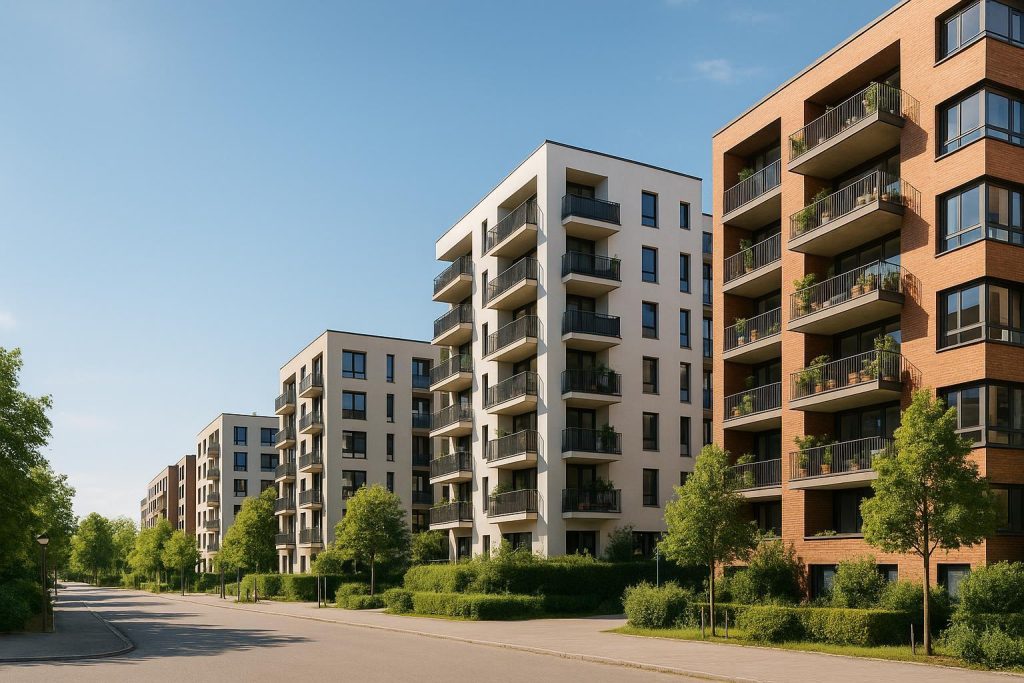
Modern real estate development increasingly centers on mixed-use communities that combine different housing types under one comprehensive plan. When planners and developers choose to integrate apartments, condominiums, and sometimes even townhomes into a single development, they create diverse opportunities for residents of varying budgets, household structures, and lifestyle needs. Children can grow up within the same community where they started in a studio or a one-bedroom, then move into a larger space when forming a family of their own, and later downsize in the same familiar neighborhood once the children are grown. In short, a broad range of housing in the same location allows individuals and families to transform their living situations without giving up the sense of belonging they have cultivated.
Promoting Inclusivity and Community Engagement
Mixed-use developments that embrace multiple housing types are often designed with inclusivity in mind. By providing a range of floor plans and layouts, these communities serve single professionals, couples, families, and retirees all in the same ecosystem. Having such variety fosters daily connections among neighbors whose paths might otherwise never cross. Senior residents might live just a short distance from young professionals, enabling meaningful social exchanges and mentorship. Parents of teenagers might find more community support than in a setting where families are more dispersed. Meanwhile, single residents can observe and learn from those at different life stages while building deeper connections.
An inclusive environment mitigates social isolation and encourages residents to look out for each other. Common gathering areas, such as co-working spaces or shared lounges, bring diverse interests under one roof and can spark new friendships. In these mixed environments, individuals from all walks of life find themselves sharing not just hallways or elevators, but also experiences and aspirations. This inclusivity benefits the broader community: local shops, cafes, and small businesses get patronized by a well-rounded cross-section of residents, boosting the area’s economic resilience.
Maximizing Pedestrian Friendliness and Reducing Transportation Needs
A key goal of many mixed-use projects is to reduce reliance on cars and encourage pedestrian-focused living. The inclusion of ground-floor amenities like grocery stores, restaurants, or small boutiques within or near the residential spaces means shorter travel distances for daily errands. Residents might step out of their apartment and immediately enjoy a cup of coffee downstairs, or pick up essential items at a neighborhood store without needing a vehicle. This thoughtful layout not only saves time, but also contributes to environmental sustainability through lower emissions.
Moreover, walkability fosters spontaneous encounters among neighbors who opt for short walks instead of car rides. Frequent casual interactions add to a more connected and pleasant atmosphere. For individuals who do prefer or require a car, shared parking facilities ensure that space is used efficiently, while thoughtful landscaping and pathways encourage safe strolling and cycling. Residents can benefit from green spaces or small community parks, which further reinforce the sense of neighborhood life beyond just housing units.
Diversity in Housing Options
When planners integrate a range of housing types into a single complex, many factors come into play. First, it recognizes that different income levels exist within the same geographic area. Second, it allows people to remain in the same neighborhood as their needs change—an invaluable benefit for those who value stability and familiarity. By providing apartments, condominiums, or townhomes under one umbrella, developments lessen the hassle of searching for new communities whenever personal or financial situations shift.
For example, a recent graduate or early-career professional may look for a cost-efficient one-bedroom or studio within the property. Over time, as this person’s family grows or career matures, they may upgrade to a larger apartment or consider a townhome, staying rooted in the community. Later, as family members move on to their own homes, downsizing again becomes possible within the same development. This continuity not only benefits the resident but also strengthens neighborhood ties, ensuring that individuals who form community bonds can remain close by, supporting each other.
Shared Amenities that Benefit Everyone
A hallmark of these multi-housing developments is the array of shared spaces that foster community ties. Amenities like fitness centers, multipurpose lounges, co-working rooms, and communal rooftops serve as meeting spots, offering more than just convenience. These spaces become social hubs where neighbors hold friendly get-togethers, professional networking events, or casual evening chats. There’s also the opportunity for resource sharing. For example, residents might reserve co-working areas for collaborative projects, or hold community cooking classes in a common kitchen.
A well-rounded set of amenities attracts a broader mix of lifestyles, further strengthening the community. Prospective residents see tangible benefits beyond a private unit. Young professionals might prioritize an on-site collaboration space to work remotely, while a retired couple might focus on the walking trails connecting the different parts of the property. When everyone has a place that meets their needs, the sense of belonging becomes even more pronounced, enhancing satisfaction over the long term.
Examples of Community Mixed-Use Properties
Across many urban areas, you will find real-case scenarios of thoughtfully planned developments that incorporate multiple housing types. Properties like 4059 Hastings and Collina balance user-friendly layouts with a focus on shared gathering areas, modern designs, and easily accessible daily essentials. In these developments, you might see open lobbies that invite interaction, or ground-floor retail shops perfectly aligned with the living spaces above.
Another example, 4711 Hastings, locates apartments and condos in a community-centric setting. Alternatively, Edmonds Heights shows how multiple floor plan types come together under a cohesive architectural design. The property’s layout encourages foot traffic between retail shops and residential areas, leading to a more vibrant street atmosphere and a stronger sense of shared identity.
To see how these developments relate to broader community needs, you might explore even more details in the local ecosystem of projects. Mixed-use communities vary in size, but the core purpose remains the same: to create spaces where people can live, work, and connect without leaving the neighborhood they appreciate.
Sustainable and Efficient Urban Growth
Diverse, integrated housing aligns closely with responsible development strategies. By combining various housing types in one place, developers can make better use of land while maintaining green spaces. This approach often includes energy-efficient building designs and features like optimized insulation, communal heating systems, or quality materials that minimize long-term energy consumption. If you want to understand more about how such properties incorporate eco-friendly designs, explore What sustainable features are often included in community mixed-use developments? for a deeper look.
Additionally, placing commercial and residential aspects together reduces the average travel distance for day-to-day activities, which lessens traffic congestion and carbon emissions. Over time, these integrated communities can help foster healthier lifestyles by encouraging walking, cycling, and more face-to-face interactions. As environmental considerations grow in importance, mixed-use developments that house multiple demographics under one roof are often seen as a forward-thinking solution for cities looking to enhance both livability and sustainability.
Economic Advantages for Local Businesses
When a development concentrates a diverse population in a specific area, local businesses benefit in several ways. Restaurants, coffee shops, small boutiques, and even professional services gain a reliable customer base. People who might have traveled across town to shop now have convenient retail options within walking distance. This not only boosts local commerce but also encourages the success of various new businesses. In many cases, local entrepreneurs find it less risky to open a store or launch a startup in a place full of potential customers.
You’ll often see ground-floor spaces rented by small grocery stores, hair salons, or professional service providers. The foot traffic generated by a variety of residents keeps these commercial spots thriving. This synergy between business needs and residential demand fuels lasting neighborhood vibrancy. Over time, as the community matures and more residents move in, these commercial tenants can further expand their offerings, leading to a virtuous cycle of economic growth.
Long-Term Community Growth and Building Connections
One of the most significant benefits of bringing multiple housing types together is the steady, long-term growth of a neighborhood. Empty nesters might already have relationships with younger neighbors and can remain in the area as their housing needs evolve. First-time renters can watch families and retirees who have chosen to age in place, gaining insight and advice on navigating life’s transitions. With a stable, engaged community, schools, parks, and essential services can adapt more cohesively to shifting demands. This cycle of growing and changing together helps sustain a robust local culture.
If you’re curious about broader impacts, you can check out resources like Are mixed-use properties a worthwhile choice for first-time real estate investors? to see how these environments can attract and retain various forms of investment. For some individuals, a mixed-use property is more than just a place to live; it might also serve as an introduction to real estate investing via a rental condo or an additional residential unit. The vibrant community setting and built-in amenities can make mixed-use ownership appealing to diverse groups.
Practical Tips for Navigating Mixed-Use Living
- Study the Layout: Before choosing a specific unit, understand where it sits relative to key features like entrances, elevators, or common areas. This helps you gauge daily convenience.
- Explore the Amenities: Check out co-working spaces, fitness rooms, and communal lounges. These can greatly enhance your living experience if they align with your work or leisure preferences.
- Engage with Neighbors: In a mixed-use community, socializing can be a wonderful way to feel connected. Introduce yourself at community events or in common spaces. Simple gestures can lead to lasting friendships.
- Balance Privacy and Community: While integration encourages neighborly interactions, it’s also important to find a place that respects your personal boundaries. Look for developments that offer both shared and private areas.
By keeping these pointers in mind, you can discover how a mixed-use community can fit seamlessly into your daily routines. You may also want to explore related topics, like How can mixed-use properties support a healthier work-life balance? or What amenities do mixed-use communities commonly offer for residents and businesses? to pick the right property for your lifestyle.
Looking Ahead: Why These Developments Continue to Grow
Mixed-use communities that bring together multiple housing types are not a fleeting trend. They are part of a larger shift toward building neighborhoods around people’s actual needs. Developers see an opportunity to create living spaces that adapt over time and address realities like population aging, urban densification, and environmental awareness. Residents appreciate the convenience, the social benefits, and the sense that they aren’t forced to uproot their lives whenever their circumstances evolve. Local economies profit from the steady flow of diverse residents supporting shops and services, while city planners welcome a more efficient use of space.
Ultimately, the strength of these developments lies in how they unify people under a shared vision. Whether you are a single professional in a small apartment, a family in search of more space, or a retiree who wants to remain engaged in the community, there is a place for everyone. To see a range of examples firsthand, you could explore Projects or browse Rentals to learn more about available units. If you have questions or want to connect, consider visiting our Contact page. Mixed-use developments are shaping the future of urban living. By offering diverse housing types in a single location, they create dynamic communities that grow alongside the people who call them home.
