

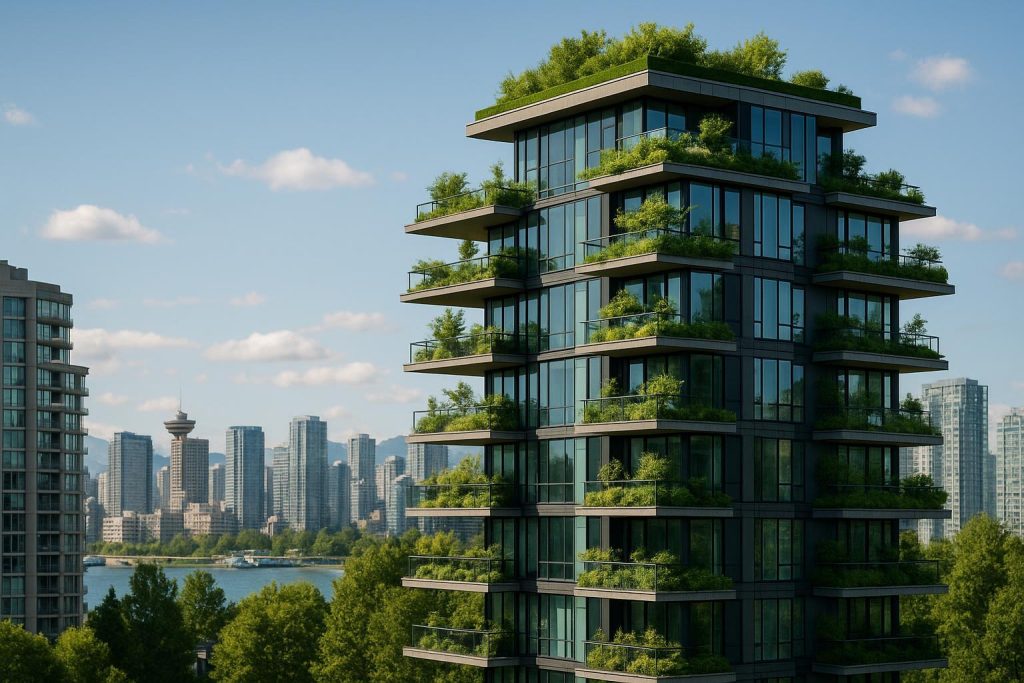
Understanding Green Building Practices in Vancouver Condos
Vancouver has earned an international reputation for its commitment to sustainability and green practices. This dedication can be seen throughout the city, including in the growing number of condos designed to reduce their environmental impact. While eco-friendly features may have once been a novelty, they are now quickly becoming a core expectation among homeowners, renters, and investors. From energy efficiency and waste reduction to support for more environmentally conscious transportation options, Vancouver condos are often built with a forward-thinking mindset that places sustainability front and center.
Why Sustainability Matters in an Urban Setting
The emphasis on green building features in Vancouver condos ties directly to the city’s focus on creating vibrant, livable neighborhoods over the long term. Urban settings sometimes struggle with reduced air quality, noise pollution, and heavy reliance on resources due to dense populations. By integrating greener design elements—such as advanced ventilation systems, high-performance insulation, and efficient energy usage—developers aim to lessen environmental strain while providing healthier living conditions.
On a broader scale, sustainable building practices in Vancouver also reflect Canada’s national goal of lowering greenhouse gas emissions. Buildings that meet or exceed local energy and environmental standards help the city work toward its climate targets. Additionally, these eco-friendly strategies often translate into tangible benefits for homeowners and tenants, including reduced utility bills and an improved in-home atmosphere.
Key Features of Green Building Design
Vancouver’s green condos incorporate many design elements that focus on eco-efficiency and occupant well-being. Here are a few of the strategies you might find when exploring sustainable condo developments:
- Energy-Efficient Appliances: Most new condo units in Vancouver offer appliances that meet rigorous energy-saving standards. Refrigerators, dishwashers, washers, and dryers are often selected for their ability to run efficiently, using less water and electricity while maintaining top performance.
- High-Performance Windows and Insulation: Well-sealed windows and proper insulation play a huge role in retaining indoor warmth during cooler months and keeping spaces comfortable in warmer seasons. This reduces the need for intensive heating or air conditioning, ultimately lowering carbon footprints and utility costs.
- Eco-Friendly Materials: Developers frequently choose materials like locally sourced lumber, recycled glass, and certified sustainable wood. Using these responsibly sourced materials not only looks good, but also minimizes the impact on forests and landfills.
- Advanced Ventilation and HVAC: Proper air circulation systems help maintain good indoor air quality and prevent the buildup of pollutants. Many Vancouver condos feature heat recovery ventilation (HRV) or energy recovery ventilation (ERV) systems, ensuring fresh air is regularly circulated while temperature is regulated for comfort.
- Rooftop Gardens and Landscaped Terraces:These green spaces serve multiple purposes, from aiding rainwater management to fostering local biodiversity. They give residents places to relax, enjoy nature, and help mitigate the urban heat island effect by cooling rooftops and surrounding areas.
In addition, many projects pursue recognized sustainable building certifications including LEED (Leadership in Energy and Environmental Design). Such certifications set guidelines to ensure that the building meets high benchmarks for efficient energy usage, environmental responsibility, and healthy indoor environments.
Community Impact and Urban Biodiversity
Green building designs in Vancouver condos often foster a positive relationship between humans and their environment. Rooftop gardens may encourage pollinators like bees, butterflies, and birds to visit the buildings, creating miniature sanctuaries amidst the cityscape. Some condos employ rainwater harvesting, using captured water to irrigate these rooftops or landscaped courtyards. This can alleviate pressure on city water systems while nurturing plant life.
Likewise, a focus on biodiversity can improve the mental well-being of residents and promote a shared sense of responsibility for environmental stewardship. Offering spaces for gardening or composting encourages community interaction and raises awareness of the role individuals play in preserving Vancouver’s natural splendor.
Boosting Energy Efficiency and Long-Term Savings
A major incentive for green building approaches is their promise of reduced long-term costs. While sustainable features might slightly increase initial construction expenses, they often generate savings on utilities and maintenance. Energy-efficient windows, insulation, and appliances can decrease monthly bills, whereas durable materials reduce long-term repair or replacement expenses.
Condo developers sometimes collaborate with local organizations or government programs to incorporate renewable energy solutions like solar panels or innovative heating systems. These systems can produce clean energy onsite, further cutting operational costs. Over time, environmentally conscious attributes can enhance a property’s resale value, making it a more appealing investment. For further perspectives on strategic condo investments in the region, consider reading Is it better to invest in a condo or a single-family home in Vancouver?.
The Role of Transportation in Sustainable Condo Living
Besides energy usage and resource management, sustainable condo developments often address mobility. Vancouver strongly encourages walkable neighborhoods and extensive public transportation use. Newer condo buildings might reserve space for bike storage, offer electric vehicle charging stations, or provide easy access to public transit lines. These features can encourage car-free or low-car lifestyles, alleviating traffic congestion and pollution.
Owning a car in central Vancouver can become an expensive proposition, particularly with parking fees and insurance rates. In contrast, living near bus lines, SkyTrain stations, and designated bicycle routes can save residents time and money. To learn more about the importance of public transit, see our related post, How important is public transit for Vancouver condo owners?. Incorporating multiple transportation options also helps promote inclusivity: families, seniors, or individuals who do not drive can still enjoy seamless connectivity to jobs, schools, and healthcare services.
Local Building Codes and Certifications Driving Innovation
A significant driver behind green condo development is Vancouver’s commitment to stringent building codes and sustainability targets. Projects that aim to follow eco-friendly practices often pursue one or more certifications, such as:
- LEED: Short for Leadership in Energy and Environmental Design, LEED serves as one of the most recognized rating systems for green construction. It evaluates areas including water efficiency, energy use, materials, air quality, and innovation.
- Passive House: Though not as widespread as LEED, Passive House structures aim for superb insulation and airtight building envelopes that dramatically reduce energy consumption.
- BOMA BEST: Designed for commercial and multi-family residential buildings, BOMA BEST focuses on performance in energy, water, waste, emissions, and occupant comfort.
These and other designations help ensure developers meet or surpass best practices in sustainable architecture. They also reassure potential buyers or tenants that their condo community is proactively addressing environmental concerns. Energy efficiency continues to be a strong selling point for investors, potentially contributing to elevated demand and property values.
A Focus on Health and Wellness
A building’s environmental performance and resident health are closely linked. Research shows that well-ventilated, daylit spaces can lead to improved mood, lower stress levels, and better productivity. features like daylight harvesting reduce the need for artificial lighting by maximizing natural light, further cutting electricity costs and creating an airy ambiance.
By carefully selecting construction materials, condo builders can also minimize volatile organic compounds (VOCs), which contribute to indoor air pollution. Low- or zero-VOC paints, finishes, and adhesives help maintain healthier indoor environments. Ventilation systems that filter incoming air can protect residents from external air pollutants, a particularly relevant consideration in dense urban contexts.
Sustainable Mobility and Eco-Conscious Living
Beyond enhancing building performance, many Vancouver condos offer infrastructure that supports eco-friendly daily routines. Common examples include:
- Secure bike racks or designated bike storage rooms, encouraging cycling as a primary mode of transport.
- Car-sharing partnerships, where the building may host shared vehicles for residents to book when needed.
- Onsite electric vehicle charging stations, supporting the shift away from gasoline-powered cars.
By facilitating greener transportation alternatives, developers help reduce overall carbon emissions while also improving living convenience for residents who value accessible, low-impact strategies for getting around.
Financial and Lifestyle Considerations for Condo Buyers
If you’re in the market for a Vancouver condo, sustainability should be part of your research. In addition to exploring factors such as fees and building governance, take note of the property’s green credentials and design features. Higher efficiency means you could see lower monthly costs over the condo’s lifetime. Plus, robust environmental initiatives tend to align with well-maintained buildings, potentially translating into a better protected investment.
It’s also useful to understand how these features might affect rental demand or resale value. Vancouver’s real estate market is competitive, and prospective renters often show strong interest in properties with advanced amenities, efficient appliances, and environmentally friendly elements. If you’re thinking about renting out your unit at some point in the future, you may want to look into any applicable regulations by reading Are there restrictions on renting out your condo in Vancouver?. You can also explore Which factors impact the rental appeal of Vancouver condos? to understand how sustainability might factor into your property’s overall desirability.
Long-Term Prospects and Condominium Resilience
As the Vancouver area increasingly aligns with low-carbon goals, condos that provide substantial reductions in energy demand or carbon emissions may stand out to buyers, renters, and investors. Forward-thinking developers are interested in future-proofing their properties through resilient materials, good insulation, and flexible interior layouts. Over the longer horizon, this approach has the potential to protect a building’s viability in a changing climate—offering stronger defenses against extreme weather events or rising energy costs.
Additionally, eco-conscious materials often require less maintenance, and modern HVAC systems can last longer when they’re built to high-efficiency specifications. This can mean lower condo fees in the long run, although the exact structure of fees varies across different buildings. For more detail on fees, check out our tips in How do Vancouver condo fees typically work?. By combining improved quality with potential cost savings, these features can increase the sense of security for condo owners and condominium associations alike.
The Developer’s Perspective
As demand for green living continues to flourish, many reputable developers in Vancouver persistently seek ways to implement fresh ideas for sustainable building. Some, such as Vittori Developments, integrate these practices to align with local community goals, shaping neighborhoods that blend livability, aesthetics, and environmental stewardship in a balanced way. If you’re curious about real examples of sustainable design and modern construction, you can Explore Our Projects to see how green building elements take shape.
Vittori and other forward-thinking developers in the area focus on adhering to green codes and often strive to exceed minimum standards. A strong environmental framework helps keep Vancouver resilient and competitive in a global market that increasingly values climate responsibility.
Summing Up the Benefits of Sustainable Condo Living
In Vancouver’s dynamic real estate landscape, eco-friendly condo features resonate with the city’s goals of lowering carbon emissions and supporting healthier communities. Owning or renting a green condo provides more than just reduced utility bills—occupants often enjoy enhanced comfort, cleaner indoor air, and the satisfaction of living in a home that reflects responsible development principles. When you decide to invest in a property designed with ecological considerations, you’re embracing the future of urban living and contributing to a more sustainable local environment.
For those interested in learning more about condo life in Vancouver, you may find additional insights in related FAQs such as Are Vancouver condos suitable for first-time homebuyers? or What are the long-term benefits of investing in Vancouver condos?. The city’s condo market offers much more than a place to reside—it embodies an evolving vision of how urban living can respect both people and the planet. Whether you choose a purpose-built rental or a condo to own, Vancouver’s eco-focused developments illustrate a tangible path toward creating greener communities, one building at a time.
