

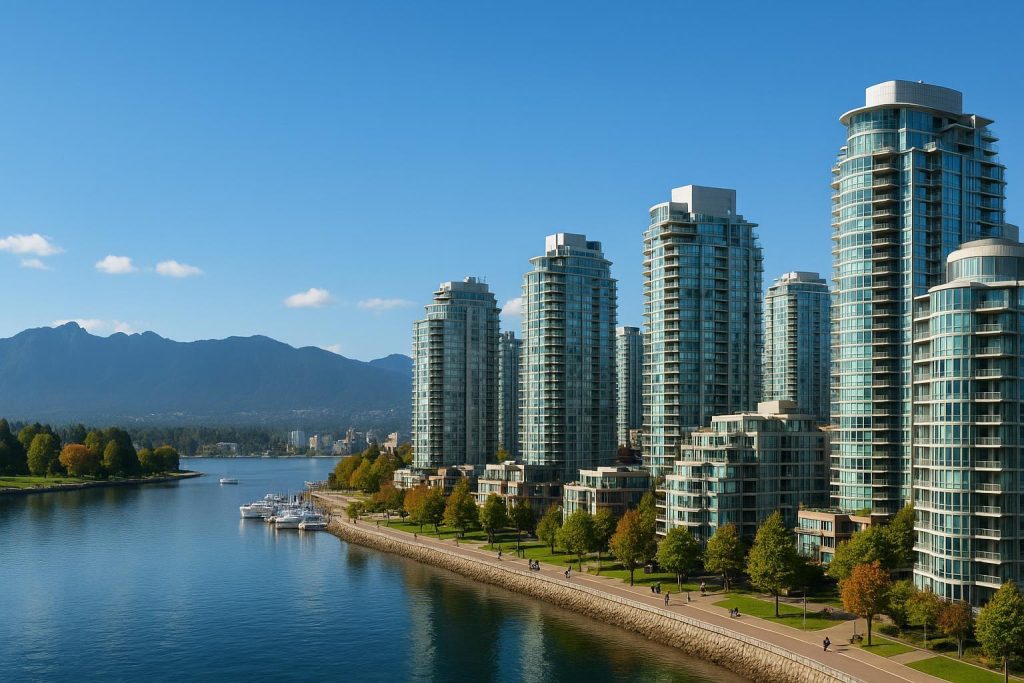
Understanding Vancouver’s Condo Market: Have Prices Actually Dropped?
The Vancouver real estate market has long been a conversation starter among Canadians and international buyers alike. Tucked between the mountains and the Pacific Ocean, Vancouver boasts scenery that draws new residents all year round. It’s also home to a dynamic economy and diverse cultural landscape. Yet these appealing qualities come with a challenge: property prices in Vancouver have historically been some of the highest in Canada. This raises a key question for anyone considering buying a condominium here: have condo prices in Vancouver actually dropped, or are they still holding steady? Below, we explore the trends, factors that drive price fluctuations, and considerations that potential condo buyers and renters should keep in mind.
1. The Historical Context of Vancouver Condo Prices
Over the last few decades, Vancouver real estate has been on a steady (and at times steep) upward climb. Many people who purchased condos in the early 2000s saw substantial value increases, spurring interest in further development of purpose-built housing. Several factors combined to drive these prices skyward, including:
- Supply and Demand Imbalance: Demand for condos often exceeded available inventory, which pushed prices higher.
- Geographic Constraints: The city’s location between the ocean, mountains, and the U.S. border limits land for new developments.
- Global Investment: International buyers looking for stable real estate assets contributed to a growing demand, particularly in well-known nodes within Greater Vancouver.
- Desirability of Urban Living: Many people prefer living near amenities, transit, and job centers, making condominiums in core areas highly sought after.
These fundamental drivers don’t tend to disappear overnight. However, real estate markets often oscillate in response to economic and social changes. In Vancouver, some downturns have periodically slowed or reversed rising prices, but historically, these dips have often been relatively short-lived within the bigger picture of long-term property growth. Nonetheless, it’s important to look at the present market conditions to establish whether we’re seeing an actual decline in condo values.
2. Market Trends Over Recent Years
In the past few years, Vancouver’s condo market has shown a mix of stability and slight price corrections. While Vancouver’s real estate prices remain among the highest in the country, certain conditions contributed to a short-term drop in condo prices. Specific time windows, for instance mid-2018 to early 2019 or around the first and second quarters of 2020, saw temporary softening in condo prices in specific Vancouver neighborhoods. Yet in subsequent quarters, activity tended to pick up again.
Alongside these fluctuations, tighter restrictions and changing mortgage regulations also shaped condo pricing. Shifts in global investment patterns, including changes to foreign buyer taxes and speculation taxes, prompted different purchase behaviors. In short, each upswing or dip emerged from unique policy moves, economic cycles, and local buyer trends. As a result, whether condo prices have notably dropped can depend on the exact timeframe and sub-market you consider.
3. Recognizing Location Differences
Vancouver is not a single, uniform market. Within the city, there are many communities, each with its own character, price points, and development patterns. For example, pricing trends in Downtown Vancouver may vary from those in East Vancouver, South Vancouver, or the areas around the University of British Columbia. Similarly, adjacent cities such as Burnaby, Richmond, and Coquitlam have their own condominium supply and demand dynamics.
Why does this matter? Because a city-wide statistic might show a small price drop, but one district may have increased in price while another might have declined. Understanding these distinctions is key if you’re actively looking to buy or waiting for the “right” time in a particular neighborhood. In many instances, looking at local data, recent condo completions, and upcoming construction is more relevant than broad, city-wide observations.
4. Key Factors Contributing to Price Shifts
Even a modest downward shift in Vancouver condo prices tends to catch attention, but these movements are seldom caused by just one factor. There are multiple forces at play, such as:
- Economic Conditions: Indicators like job growth or layoffs can influence housing demand. When the economy slows, some potential buyers hold off, impacting property values.
- Interest Rates: Rising interest rates can reduce a buyer’s purchasing power, possibly causing downward pressure on condo prices.
- Government Policies: Interventions like foreign buyer taxes, speculation taxes, and changes to mortgage rules can quickly reduce investment and homebuyer activity, influencing prices.
- Construction Trends: Large numbers of pre-sale condo units coming to completion at the same time may momentarily shift the supply-demand ratio in the buyer’s favor.
- Shifts in Buyer Preferences: Purchasing preferences are always evolving. Some buyers shift from condos to suburban townhouses or single-family homes if they see greater affordability or space for the same or comparable price.
Because Vancouver is so diverse, these factors can affect different neighborhoods in different ways. One area may see an influx of new condo developments, while another might have very little new supply. Meanwhile, policy changes can be felt quite differently in the condo resale market compared to the pre-sale or brand-new inventory categories.
5. Investor Versus End-User Perspectives
Whether or not the price of a Vancouver condo appears to have dropped can also depend on your perspective:
- Investors: Those who invest in condos often look at rental yields, potential capital appreciation, and overall returns. A minor drop in prices might be seen as an opportunity to purchase.
- End Users: Individuals looking to purchase a principal residence typically worry about monthly mortgage payments rather than short-term fluctuations in asset value.
Sometimes, a softening in condo prices does not necessarily scare away investors: it can be a trigger to buy in. For owner-occupiers, a price drop might mean their dream condo becomes slightly more attainable. At the same time, some prospective buyers hesitate to jump in during times of uncertainty, hoping that a further dip could occur. Regardless of your position, staying informed of key sales data, interest rate updates, and local policies is essential.
6. Comparing Renting and Buying Condos
As condo prices in Vancouver tread unpredictable waters, many residents weigh the advantages of renting versus buying. While some prefer the stability of homeownership, others choose (or need) the flexibility and lower upfront costs that renting can offer. If you’re not fully certain about purchasing a condo in a fluctuating market, renting in a professionally managed, purpose-built property may be more appealing. Purpose-built rentals, in contrast to privately owned condos, are developed from the ground up with residents’ comfort in mind, frequently featuring modern amenities and well-maintained communal areas.
Over time, some buyers may decide that renting in a convenient location with reliable management is a better fit than buying a condo in a nook of the city that might not truly meet their lifestyle. In a high-demand market like Vancouver, professionally managed buildings can help ensure a stable living environment. If you do prefer to explore purpose-built rentals, you might consider checking relevant local offerings to see if they match your ideal lifestyle, commute routes, and desired neighborhood character. For instance:
- View Available Rentals to discover purpose-built communities with modern design and secure tenancy.
Ultimately, the choice between renting and buying depends on your financial situation, long-term goals, and personal preferences. Neither choice is universally correct—both can be viable strategies in Vancouver’s market, depending on timing, budget, and risk tolerance.
7. How to Monitor Condo Pricing
If you’re asking whether condo prices in Vancouver have dropped, you’re likely looking for the best moment to buy or sell, or you’re simply curious about market health. In any case, gathering information from multiple credible sources is key. Try these approaches:
- Track Local Real Estate Board Data: Reports from the Real Estate Board of Greater Vancouver can show monthly changes in benchmark prices.
- Use Government and Financial Institution Reports: Bodies like the Canada Mortgage and Housing Corporation (CMHC) often provide data on supply, demand, and price trends.
- Consult Professionals: Real estate agents, mortgage specialists, and developers have on-the-ground insights that can help interpret broader statistics.
- Watch for Policy Changes: Remain alert to new legislation, property tax amendments, and changes in mortgage qualification rules that could shift market dynamics.
Keeping a balanced perspective is crucial. While sensational headlines may claim that prices have plummeted or soared, the reality is often less dramatic, hinging on subtle monthly or quarterly moves and local neighborhood variations.
8. Economic Indicators and Global Context
Real estate doesn’t exist in a vacuum. Economic forces—both global and local—play a significant part in shaping Vancouver’s housing sector. Factors like inflation, global market volatility, foreign investment flows, and national fiscal policies converge to set the stage for local price trends. Employment levels in major Vancouver industries, such as technology, tourism, film, and natural resources, also impact condo supply and demand.
When the global economy faces uncertainty, it can momentarily reduce investor appetite for luxury or high-end condos. On the other hand, Vancouver has historically been considered a “safe haven” for international capital, particularly in real estate, which sometimes offsets declines that might otherwise occur.
9. Housing Policy and Affordability Initiatives
In recent years, municipal and provincial governments have introduced policies meant to improve housing affordability. These include Foreign Buyer Taxes, Speculation and Vacancy Taxes, and the Empty Homes Tax within the City of Vancouver. Each was intended to moderate certain aspects of the housing market by disincentivizing owners from leaving properties unoccupied or speculating. These measures can sometimes contribute to short-term cooling in certain condo segments, particularly if international investors shift their focus elsewhere.
Long-term, however, Vancouver continues to grapple with a historically low vacancy rate in its rental market and high demand for different types of housing. While policies may create short-term downward movements in prices, deeper structural issues—like limited available land and sustained population growth—often mean that any sustained price declines can be harder to achieve or maintain.
10. Potential Reasons Behind a Price Drop—When It Occurs
It’s worth emphasizing that “dropping” prices might not be drastic. More commonly, you’ll encounter smaller, single-digit percentage decreases or a slower growth rate, as opposed to a massive downward correction. Here are typical scenarios where a dip is more likely:
- High Volume of New Inventory: When many condo units hit the market simultaneously, buyers may find themselves with more negotiating power.
- Rising Mortgage Rates: As rates go up, many prospective buyers may struggle to qualify for mortgages, reducing demand and putting downward pressure on prices.
- Weaker Economic Outlook: If job security or growth in Vancouver takes a hit, fewer people are in a position to buy, potentially softening prices.
- Policy Shock: A new or stricter policy—particularly one targeting investment—can quickly reduce the number of buyers and push prices down in the short term.
In short, while condo prices do occasionally dip, they tend to be relatively short-lived or highly dependent on real-time economic and policy conditions. Many owners opt to hold onto condos during minor price corrections, expecting that values will rebound over time.
11. Strategies for Today’s Buyers
For those actively looking to purchase a condo in Vancouver (whether prices are dipping or not), here are a few strategies to consider:
- Define Your Budget Carefully: Factor in not just the mortgage, but also strata (condo) fees, property taxes, and closing costs.
- Consider Neighborhood Growth Potential: Sometimes, an up-and-coming district adjacent to a hot neighborhood could offer slightly lower prices but strong long-term potential.
- Negotiate Wisely: In a balanced or buyer-friendly market, you may have more room to negotiate price, closing costs, or possession dates.
- Think Long-Term: If you’ll be living in the condo for many years, minor market dips may not have a big impact on you.
There’s no universal formula for when to step into the Vancouver condo market. Many experts suggest focusing on whether the decision fits your personal and financial situation, rather than purely attempting to time the real estate cycle.
12. Is Now a Good Time to Buy or Rent in Vancouver?
The timeless question of “Is now a good time to buy or rent?” cannot be answered in a one-size-fits-all manner. Condo prices may have dipped slightly relative to historic highs, but that doesn’t necessarily guarantee affordability for everyone. Mortgage lending standards, personal savings, family needs, and lifestyle preferences all come into play. Some find that renting a unit in a purpose-built property for a few years allows them to save more robustly before entering the ownership market. Others choose to purchase a condo as a long-term investment, betting on Vancouver’s continued desirability.
Either way, it’s wise to maintain a realistic perspective. Prices may be lower this month than they were a year ago in certain localities, but Vancouver has historically been a challenging region for dramatic price drops. Buyers who prioritize local amenities, commuting convenience, and reliable housing quality often see the value in well-built condos. Renters who want professional management and modern design might do well in newer properties that are maintained long-term with residents in mind.
13. Conclusion: Understanding the Bigger Picture
So, have condo prices in Vancouver dropped? In certain pockets, at particular times, yes. Overall, the market still remains robust, supported by strong demand, limited land, and an appealing city environment that draws a range of local and international buyers. A short-term price correction can provide opportunities for buyers, but whether it’s truly advantageous depends on how stable your finances are and what your long-term goals involve.
The Vancouver condo market is multifaceted and ever evolving. When you interpret headlines about price drops, it’s helpful to dig deeper and consider exactly where and when those changes have taken place. And whether you’re a buyer, seller, or renter, your decisions should be guided by complete, up-to-date information and a strong understanding of your own objectives. It’s always worth chatting with professionals, monitoring credible market data, and evaluating the city’s broader economic and social climate.
For anyone not yet ready to buy, exploring well-managed rental communities can be a practical route. These developments often focus on livability and long-term value rather than short-term market trends, giving residents a sense of security and reliability in a region where housing pressures can otherwise feel daunting. Whether or not condo prices are dipping, Vancouver remains a vibrant, evolving hub. The choice to rent or buy a condo is deeply individual, factoring in everything from interest rates and commute times to your vision of a dream home. By staying informed, you can make a decision that stands the test of time—even in a dynamic market like Vancouver.
