

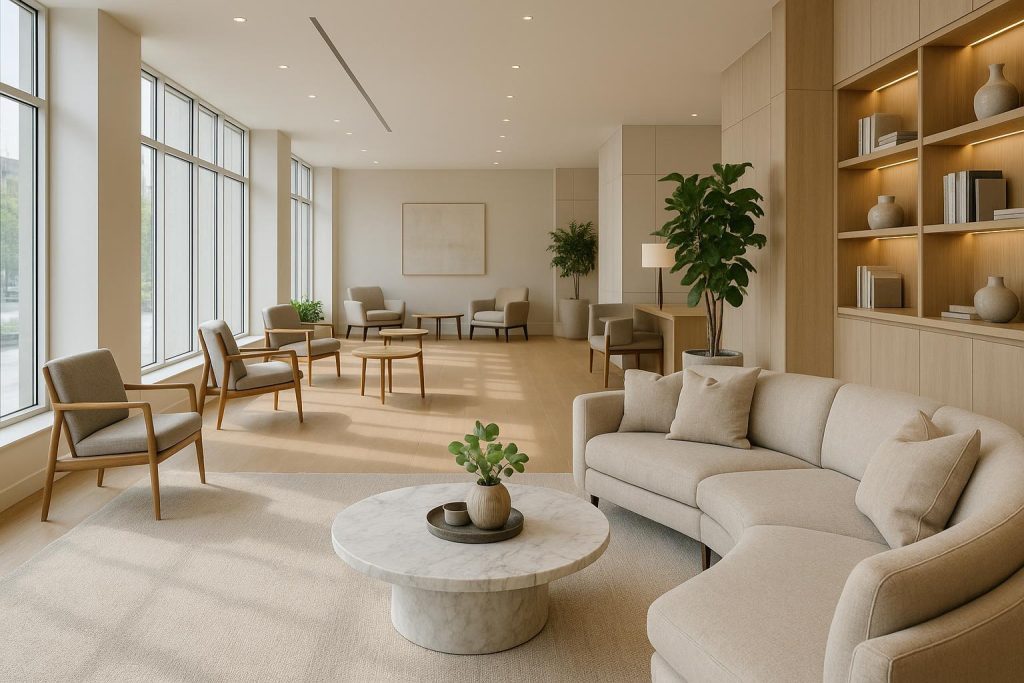
Mixed-use developments are on the rise in many urban and suburban settings, offering a unique blend of residential, commercial, and recreational spaces within a single project. These integrated communities are especially attractive to individuals who want convenience, variety, and a strong sense of place. Beyond their foundational design and location, mixed-use properties often benefit from the addition of premium amenities, which can significantly boost both property value and overall appeal for residents, investors, and business tenants alike.
Premium amenities serve multiple purposes. On the most basic level, they enhance day-to-day life by making it more convenient, comfortable, or enjoyable. Consider high-end fitness centers, rooftop terraces, modern co-working areas, and thoughtfully curated communal lounges. Each of these elements gives residents and visitors access to experiences that go far beyond the standard four walls of an apartment or office. In a competitive market, a development that integrates standout features can draw in discerning tenants who are willing to pay more for the enhanced lifestyle. Over time, these thoughtful additions can translate into stronger rental demand, higher lease renewal rates, and a noteworthy reputation in the broader real estate market.
Understanding the Appeal of Mixed-Use Communities
A successful mixed-use development aims to create a seamless environment where people can work, shop, dine, and socialize, all within their immediate community. From an urban planning perspective, mixed-use projects encourage walkability, reduce car dependency, and contribute to the vibrancy of a neighborhood. By thoughtfully designing these areas—incorporating wide sidewalks, green spaces, and easy access to essential services—developers can foster a sense of true community engagement.
Premium amenities become the heartbeat of these projects. For instance, imagine having a yoga studio or high-tech gym on the same floor as your contemporary residential unit, or being able to head downstairs to a specialty coffee shop that also doubles as a co-working hub. These conveniences allow people to blend home and work life in a way that is both efficient and appealing. Over time, these experiences shape a development’s identity, making it a sought-after place to live, work, and invest in.
The Role of Premium Amenities in Boosting Property Value
Property values are influenced by a range of factors, including location, design quality, market trends, and overall tenant satisfaction. While the importance of location remains constant, premium amenities can shift the conversation from simply being “well-situated” to being “exquisite” or “fully realized.” In other words, adding upgrades goes beyond checking a simple box. Amenities like rooftop green spaces, advanced security systems, communal lounges, or electric vehicle charging stations position a development as forward-thinking and user-centric.
When it comes to mixed-use developments, these added features have a multiplier effect. Because residents self-select into these environments for convenience and lifestyle, they are often willing to pay extra for the well-rounded living experience. At the same time, retail and commercial tenants benefit from an established, consistent foot traffic. A well-equipped fitness center, for example, not only draws health-conscious residents but can also become a wellness hotspot for local businesses. Such synergy has a direct impact on occupancy rates and fosters a more robust and stable revenue stream.
Luxury Property Expansions: Infusing Upscale Features
In some cases, a mixed-use development may begin as a modest project and then evolve with strategic additions over time. This approach is often referred to as a form of luxury property expansions, where the existing structure is enhanced by higher-end features or new specialized facilities. Imagine taking a standard communal courtyard and turning it into a landscaped plaza with integrated water features, seating areas, and space for local artisan markets. These expansions not only attract new tenants but also delight existing residents, reinforcing a sense of loyalty and satisfaction.
For real estate investors, the return on these expansions can be significant. Not only do they potentially raise monthly rental or lease rates, but they also position the property as a standout development for future resale or refinancing opportunities. Furthermore, an upscale environment often draws in like-minded businesses which, in turn, amplifies the sense of cohesion and exclusivity. When premium amenities are crafted with genuine care—such as using top-quality materials for renovations or ensuring designs evoke comfort and community—these expansions can pay dividends for years to come.
Types of Premium Amenities That Drive Value
While there is a wide array of amenities that can boost property value, here are some noteworthy types particularly relevant to mixed-use developments:
- Wellness and Fitness Centers: High-end gyms equipped with modern equipment, yoga studios, spin rooms, or wellness rooms offer convenience and encourage healthy lifestyles. These spaces might be complemented by personal training options and flexible usage schedules, making them a core driver of resident satisfaction.
- Rooftop Terraces or Green Spaces: Rooftop gardens, terraces, or lounges provide a sense of retreat. Urban dwellers especially welcome the chance to connect with nature. For properties in bustling neighborhoods, these elevated green spaces serve as an oasis right at home.
- Dedicated Co-Working Areas: As remote work and freelancing grow in popularity, well-designed co-working spaces offer professionals a quiet place to focus, network, or host small meetings. For commercial tenants, these shared workspaces can foster collaboration with various businesses and freelancers on site.
- Advanced Security and Technology: Features like biometric entry systems, 24/7 concierge services, and high-speed internet connectivity make residents feel safe while supporting modern needs. Effective security measures and tech-enabled entrances have become paramount for many people, especially in dense urban centers.
- Community-Oriented Common Areas: Club rooms, communal kitchens, event halls, or lounge spaces help residents socialize and build relationships. These areas might host gatherings, film screenings, or cultural events, contributing to a rich tapestry of community life.
Each of these additions can enhance the property’s appeal, making it a more compelling choice for those seeking a multifaceted lifestyle. When combined, these features are powerful differentiators that can position a development far above local competitors, attracting a stable and satisfied tenant base.
Fostering Community and Prolonging Tenant Relationships
One of the most understated but impactful benefits of premium amenities is how they shape a genuine sense of community. Apartments or condominiums can sometimes feel isolating if communal spaces are treated as afterthoughts. However, when spaces are designed with users in mind—comfortable seating, flexible event areas, and inviting landscaping—residents naturally converge and interact, forging ongoing relationships.
In many cases, these relationships directly affect retention rates. Residents who become emotionally connected to where they live are less likely to seek other accommodations. For rental properties, that translates to fewer vacancies and more predictable revenue streams. Commercial tenants also thrive in this environment. A bustling social scene means more foot traffic for shops, cafes, and service providers operating in the development.
Because timeless design and purposeful expansions often work hand in hand, many property owners find that investing in high-quality finishes and communal amenities pays off in the form of stable occupancy. When people talk about their positive experiences, whether through word-of-mouth or online reviews, it can bolster the development’s reputation for years. As a result, the sense of community becomes not just an intangible benefit, but a tangible advantage that boosts the entire property’s value.
Influence of Local Market Trends and Neighborhood Evolution
Every real estate investment exists in the context of broader market conditions. Neighborhoods evolve, and so do the expectations of residents. Premium amenities that were once novel—think automated package lockers or electric vehicle charging stations—might become the new normal. This is why staying informed about local preferences is critical. If your region has a growing population of young professionals who value flexible workspaces, an upscale co-working lounge can be a major draw. If sustainability is a priority, energy-efficient designs and recycling facilities can be decisive factors for eco-conscious renters.
For developers who want to ensure that expansions maintain their value, it’s essential to balance current trends with timeless utility. Some property owners ask, for instance, if local demographics or zoning regulations affect expansions of high-end condo projects in major cities. The short answer is yes: local zoning bylaws and shifting demographics can influence which amenities resonate the most. For more details on practical impacts of zoning, you might review resources like how zoning regulations affect expansions of high-end condo projects in major cities. Consider these regulatory factors early in your planning stages, so you can align expansions with both community needs and official regulations.
Polishing Market Perception: How Premium Amenities Straighten the Competitive Edge
In the real estate world, perception can be as crucial as reality. A property that consistently improves and modernizes its offerings can cultivate a reputation for quality and responsiveness. This positive impression can strengthen trust among local residents, prospective tenants, and even the municipality. When a property is known for offering a top-tier living experience, prospective residents often do not hesitate to sign premium leases, while retailers see the development as a prime location for establishing storefronts or offices.
Market perception also plays into investment potential. Investors are often drawn to projects that demonstrate ongoing innovation since it indicates that managers or owners will continue to invest in the property’s upkeep. In some cases, expansions that incorporate elegantly designed features can serve as a strong proof point for an owner’s commitment to excellence and financial performance. In the long run, those strong initial perceptions evolve into direct financial benefits, from lower vacancy rates to increased asset appreciation.
Practical Considerations and Potential Pitfalls
While adding premium amenities can be a game-changer, it is important to plan carefully to avoid possible missteps. One common pitfall is failing to account for ongoing maintenance costs. Luxury features like a rooftop pool or advanced ventilation systems in fitness areas can require more frequent upkeep, meaning these added expenses need to be reflected in your budgeting and rental price structures. If your upgrades are too expensive to maintain, the formerly “premium” spaces can deteriorate quickly and impact property perceptions.
An equally crucial consideration is ensuring that your upgrades remain relevant to your target audience. For instance, if your development caters primarily to families, adding a specialized co-working space might be less impactful than creating a dynamic outdoor recreational area or an all-ages community room. By striking a balance between high-end design and resident-focused usability, you will ensure that any renovation or expansion truly supports both short-term satisfaction and long-term property performance.
Additionally, expansions might be subject to layers of permits or inspections, depending on the local municipality. If you want to learn about navigating potential permit obstacles, you can find insights at Do expansions for luxury rental apartments require special permits or inspections?. Understanding the regulations before you break ground can save you from costly delays and ensure you stay in compliance with local guidelines.
Design Features and Thoughtfulness
Successful expansions hinge on careful design. Premium amenities should reflect a cohesive aesthetic while fulfilling a real need. This might mean introducing flexible spaces that can host anything from private gatherings to larger community events. It could also entail adding greenery and landscaping that’s visually appealing yet requires manageable maintenance. If you are curious about architectural or design nuances that can elevate expansions, check out what kinds of design features can elevate expansions for multi-family housing. This insight can help guide your approach so that you create an environment where even something as simple as a bench in a shared courtyard is designed for comfort and longevity.
Sometimes, property owners choose a more drastic approach, merging multiple units into one large space to create a thoroughly modern and spacious living environment. This might be appealing to individuals seeking a luxury upgrade or to an owner looking to attract high-end tenants. If you’re exploring this idea, you can read about the benefits of merging multiple condos into one large unit for a luxury upgrade. Though not every development will need such extensive remodeling, these transformations illustrate how design decisions can pivot the entire perception of a property.
Long-Term Growth and Sustainability
When planning expansions, consider how each enhancement supports the long-term sustainability of the property. Amenities that prioritize energy efficiency—whether through solar panels, LED lighting, or strategic insulation upgrades—can help lower operating costs and appeal to a broader audience. Elements like native plant landscaping or rainwater harvesting systems further promote environmental responsibility. Such eco-friendly additions align with modern consumer values, making them a potentially powerful differentiator.
Beyond environmental sustainability, successful expansions also require financial and community sustainability. In other words, the improvements must be designed and executed in a way that fosters continuous interest, occupancy, and mutual benefit. For instance, having a diverse mix of retail elements—such as local cafes, grocery markets, and healthy dining spots—can significantly boost resident satisfaction and ensure there is consistent foot traffic to support commercial tenants. This symbiotic relationship helps keep each piece of the project thriving.
Considering Neighborhood Changes and Future-Proofing
Urban landscapes often change more rapidly than expected. Adjustments in transportation infrastructure or new major employers can bring substantial shifts in tenant demographics. The last thing a property owner wants is to spend a fortune adding an expensive amenity that loses relevance in a few years. Staying updated on local developments, city plans, and population forecasts can help you choose expansions that remain viable through shifting market conditions. If you are curious about how local neighborhood changes might shape your expansion plans, explore why you should consider potential changes in the neighborhood when planning a property expansion.
Forward-thinking design also means building in flexibility. For example, a rooftop deck initially designed for small social gatherings might be upgraded later to include an area for outdoor fitness classes. If expansions and amenity upgrades are approached with a scalable mindset, the property can continually adapt and remain relevant, no matter what changes occur around it.
Real-World Examples and Next Steps
Numerous owners and investors have turned to premium amenities as a core strategy for invigorating older developments or differentiating newly built properties. These success stories demonstrate that with a thoughtful approach, the payoff is considerable. If you want to see a range of projects where mixed-use and high-quality amenities coalesce, feel free to explore our project portfolio. Observing specific real-world examples can give you a clearer understanding of how expansions can be executed effectively, whether you are a homeowner looking to spruce up your community space or a developer building a large-scale complex from scratch.
For those considering expansions, it’s also wise to learn from others’ mistakes. Certain pitfalls—like inadequate planning, mismatch between amenities and target audiences, and underestimating the complexity of local permit processes—can derail even the most well-intentioned projects. To gain more insights on avoiding common oversights, have a look at common pitfalls to avoid in a high-end property expansion project. Being prepared and proactive ensures your vision remains aligned with fiscal realities and community interests.
Conclusion: Building Vibrant Spaces for the Long Haul
Investing in premium amenities within mixed-use developments can be a game-changer for property value, community engagement, and long-term viability. Whether you begin with a property that already exudes potential or you’re starting from scratch, focusing on amenities that resonate with modern lifestyles will set your development apart. Rooftop lounges, co-working facilities, wellness and fitness centers, enhanced security, and community-driven spaces form the backbone of places where people love to stay.
Ultimately, the real value lies in creating an environment that seamlessly integrates living, working, and leisure activities. Over time, these experiences become ingrained in a development’s identity, shaping not only perceptions but also tangible financial outcomes. Residents who feel they have everything at their doorstep are more willing to pay a premium, remain loyal, and champion the development to their networks. Meanwhile, the synergy of commercial and retail tenants thriving off consistent foot traffic can fuel a bustling, self-sustaining ecosystem.
If you’re ready to explore more about how premium amenities integrate into contemporary projects or want to browse examples of expansions in progress, you can always see our latest projects for inspiration. By focusing on thoughtful design, consistent upkeep, and a keen understanding of community needs, these amenities become far more than mere “extras”—they pave the way for property expansions that hold their value for years to come and enrich the neighborhoods they call home.
