

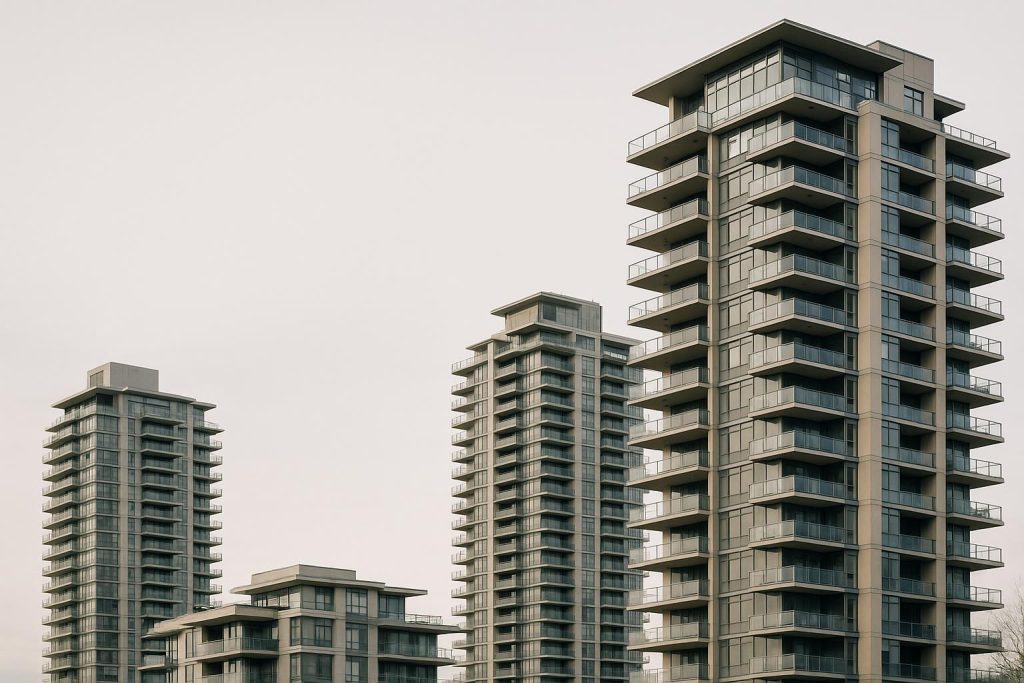
Understanding Burnaby Real Estate Prices Versus Vancouver
Burnaby and Vancouver are both thriving urban centers within Metro Vancouver, each offering unique characteristics, amenities, and housing opportunities. While Vancouver often dominates discussions about high real estate costs, Burnaby stands out as a dynamic city that provides a balance of convenience, affordability, and long-term value for prospective homeowners and renters. In the sections below, we'll delve deeper into how Burnaby's housing prices compare with Vancouver, considering factors like location, property types, livability, and ongoing urban development. By the end, you should have a clearer picture of which city might best fit your lifestyle or investment goals.
Historical Context and Evolving Markets
The Greater Vancouver region, sometimes simply called Metro Vancouver, has endured several distinct real estate cycles. Historically, Vancouver's downtown core and surrounding prestigious neighborhoods have set sky-high real estate values, reflecting the city's global appeal and limited land availability. At the same time, Burnaby, nestled just east of Vancouver, has grown from a largely suburban municipality into a key urban hub of its own. Over the last two decades, areas like Metrotown, Brentwood, and Edmonds have undergone major transformations, steadily attracting new residents, businesses, and investors.
These shifts mean that Burnaby's real estate market has also become more competitive and more valuable than it once was. However, prices in Burnaby still tend to sit below the uppermost tiers found in Vancouver's priciest locales, allowing homebuyers and investors to secure property with slightly less financial strain. Although Burnaby's upward trend in popularity has gradually raised prices, many prospective residents still view it as a responsible development zone that aims to remain inclusive and well-connected.
Variety of Housing Types
One of the core reasons Burnaby maintains relatively lower average purchase prices—compared to Vancouver—comes down to the variety of housing types and neighborhoods. Vancouver's downtown peninsula is famous for its dense, high-rise condo market and tightly packed, often older detached homes in traditional residential districts. These areas command premium rates, partly due to limited supply and an internationally recognized brand appeal.
Burnaby, on the other hand, presents a broad cross-section of property options that serve different budgets and preferences. While its major nodes like Metrotown and Brentwood are similarly populated with modern high-rises, you'll also find a range of mid-rise and low-rise developments, single-family neighborhoods, and purpose-built rentals. This diversity gives buyers and renters the room to choose homes that meet specific needs, whether that's a convenient transit-oriented condo near a SkyTrain station or a single-family home with a yard.
The presence of purpose-built rentals is also significant. Over the years, Burnaby has become a strong market for new rental housing, offering modern amenities for individuals and families seeking long-term, professionally managed living arrangements. These buildings are often thoughtfully planned, designed for people who want a sense of community, and integrated into existing neighborhoods for maximum livability. This segment helps maintain a healthy housing supply and can moderate the pace of price growth, because it broadens options beyond the secondary condo rental marketplace that is common in Vancouver.
Location, Connectivity, and Amenities
Burnaby sits directly east of Vancouver, making it a logical choice for those who want close proximity to the downtown core without taking on Vancouver's highest housing costs. As transit connections expand, Burnaby remains well-served by multiple SkyTrain lines—Expo, Millennium, and the upcoming expansion projects. This connectivity is crucial for residents commuting to Vancouver for work, education, or cultural activities, but who prefer to live in more suburban or mixed-use environments.
Vancouver, meanwhile, is renowned for city-center amenities like upscale dining, waterfront views, and vibrant cultural districts. Yet, Burnaby has developed its own robust infrastructure, offering large shopping centres, restaurants, community centers, parks, and entertainment hubs. Metrotown Mall, for instance, serves as a major retail destination, while the emerging Brentwood Town Centre has been designed to create a complete urban experience with shops, services, and public spaces. Burnaby increasingly places emphasis on walkability and inclusive public areas, which can rival Vancouver neighborhoods in convenience and lifestyle appeal.
The array of parks, green spaces, and family-friendly facilities in Burnaby also contributes to its strong quality of life. Burnaby Lake and Deer Lake Park offer natural retreats near bustling city districts. When weighed against Vancouver's famed Stanley Park or False Creek, Burnaby's offerings can feel comparably peaceful and less crowded. These features are particularly appealing for those who value being outdoors without straying too far from an urban core.
Affordability and Price Trends
Affordability remains a pivotal consideration for many looking to buy or rent in the Metro Vancouver region. While Vancouver's housing market commands high price tags and has made global headlines for its luxury real estate, Burnaby, in general, offers a slightly gentler entry point. First-time homebuyers, young professionals, or families seeking more space than central Vancouver condos can discover more approachable price points, especially if they consider condo buildings or townhome communities in established Burnaby neighborhoods.
That said, it's important to stress that "affordable" in Greater Vancouver doesn't always match the affordability definitions in other Canadian cities. Burnaby real estate can still be substantial. Single-family homes, for example, often come at a premium, especially when positioned in central or high-demand areas. Nonetheless, the combination of transit accessibility, diverse options, and a wide selection of property sizes means that many see Burnaby as providing "more home for the money."
Over the past decade, Burnaby has seen steady increases in property values, spurred by local population growth, a robust job market, and demand from individuals seeking a new home or a reliable investment. While Vancouver has also shown consistent value increases, its starting point tends to be higher, and anxious buyers can find themselves priced out more quickly. Conversely, Burnaby maintains a reputation for more balanced growth—offering a sense of long-term value to those who purchase or invest thoughtfully here.
Investment Potential
As Burnaby continues to draw attention from local and international buyers, it has established itself as a trusted option for individuals seeking moderate real estate prices with solid potential for appreciation. One factor behind this confidence is Burnaby's track record of responsible development and community-driven housing initiatives. Municipal regulations often prioritize new construction that includes open spaces, public amenities, and an intact sense of neighborhood character. These measures help keep Burnaby attractive to real estate investors and ensure the city remains well-connected, designed for people, and inclusive in its housing.
Moreover, property owners in Burnaby see advantages if they choose to rent out their homes, particularly given the limited rental stock elsewhere and the region's growing population. With the city's focus on purpose-built rental buildings, the gap between supply and demand can be less acute than in Vancouver, yet it still provides an opportunity for owners who want to lease residential units. This approach fosters a stable market dynamic and can contribute to a reliable return on investment.
The Role of Urban Expansion and Development
Burnaby's major corridors, like Lougheed Highway and Kingsway, are seeing ongoing redevelopment transformations—shifting from older strip malls and low-density lots to modern, mixed-use complexes. For instance, Brentwood Town Centre has rapidly evolved into a high-density, transit-oriented district supporting commercial, residential, and entertainment spaces. Similar expansions are happening around Metrotown, prompting increased local job opportunities and bolstering Burnaby's self-sustainability as a major regional destination.
One of the key outcomes of these transformative projects is enhanced livability. New developments typically incorporate green spaces, public art, and pedestrian networks that make daily life more convenient. This shift positions Burnaby as an alternative for individuals who appreciate an urban lifestyle but may not be inclined to pay Vancouver's central downtown premium. Urban expansion guided by thoughtfully planned strategies can also help even out the pressure on housing supply, potentially mitigating excessively steep rises in market prices.
Making the Choice: Burnaby or Vancouver?
Deciding whether to pursue real estate in Burnaby or Vancouver depends heavily on your lifestyle, finances, and personal priorities. Those who desire immediate proximity to Vancouver's business district, upscale amenities, and global cultural reputation might still gravitate toward Vancouver. Yet, the price differences between Vancouver and Burnaby—particularly for multifamily housing—can be significant enough to influence many buyers and renters. If you're looking for a quality home that is more attainable, Burnaby may present the right balance.
Additionally, commuting considerations play a big part. If you need to travel daily into Vancouver, living in a part of Burnaby that's close to SkyTrain lines makes the trip straightforward and reasonably fast. In some instances, this daily travel time might barely exceed what certain Vancouver residents face if they live in outlying or congested neighborhoods. In the end, it comes down to evaluating your target property type, budget, commuting tolerance, and the community environment you hope to find.
Tips for Prospective Homeowners and Renters
- Research Locations: Identify the Burnaby neighborhoods nearest to your work or close to major transit lines. Proximity to these corridors can save you time, provide long-term value, and keep your daily routine simple.
- Explore Property Types: Burnaby has everything from sleek high-rises to mid-rise condos and single-family homes. Decide which property style aligns with your lifestyle. If you prefer lower-maintenance living, modern condo developments with shared amenities might fit best.
- Monitor Price Trends: Keep track of the average price per square foot in both Vancouver and Burnaby to see how each market is performing. Split your research by property type for a more accurate comparison.
- Understand Local Regulations: Each municipality can implement its own zoning bylaws and development policies. These regulations can affect future property values, especially in areas poised for densification.
- Prioritize Livability: Don't just pick a property based on price. Consider whether the neighborhood is walkable, well-connected to transit, and provides the amenities that matter most—parks, schools, shopping, or community centers.
Long-Term Outlook
As Metro Vancouver continues to grow, both Vancouver and Burnaby face demand from those seeking quality housing in central, well-connected communities. Burnaby, in particular, has increasingly inserted itself into the regional spotlight by offering appropriate zoning for new developments, focusing on responsible development, and preserving sufficiently diverse housing types. These factors keep the city competitive and attractive, leveling some of the high-price disadvantages that might deter families or first-time buyers.
Looking ahead, Burnaby real estate is likely to stay on an upward trajectory as more individuals gravitate toward areas that are close to major industrial and commercial hubs without paying the steep Vancouver premiums. Meanwhile, Vancouver's real estate market is anticipated to remain strong, supported by its global city status, cultural attractions, and limited land supply. It ultimately boils down to local preferences, so prospective buyers and renters should be prepared to assess all variables carefully.
Where to Learn More
If you're interested in new developments or purpose-built rental communities in Burnaby, you may find it helpful to explore resources specific to the area. For instance, prospective renters or homeowners looking for modern living spaces can browse our Projects page, where you'll discover current and upcoming initiatives in Burnaby and beyond. You can also visit our Rentals page if you're exploring opportunities to lease in a thoughtfully planned building near essential amenities.
Whether you choose Burnaby or Vancouver, understanding the nuances of each market is central to making a confident decision. Burnaby offers notable advantages for people looking for a slightly more affordable entry into Metro Vancouver real estate. It stands out for its growing reputation as a trusted hub for investors, families, and everyone in between. As you weigh the costs, lifestyle features, and long-term outlook, remember that the right neighborhood and property type can bring you closer to the vibrant, inclusive community life you're seeking—at a price point that aligns with your budget. With careful planning, both Burnaby and Vancouver can provide fulfilling ownership or renting experiences that capture what it means to live in one of Canada's most dynamic regions.
