

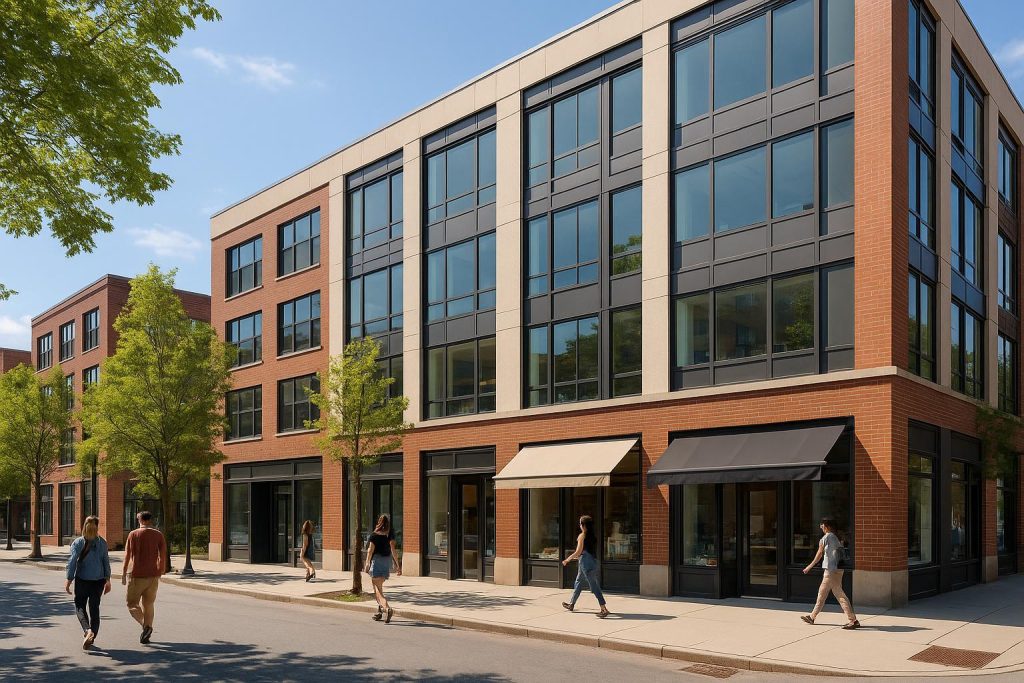
The Value of a Modern Mixed-Use Setting for Businesses
Operating a business in a modern mixed-use setting can offer advantages that go beyond mere visibility. These environments seamlessly combine residential, commercial, and sometimes even recreational spaces, creating a unique synergy that fosters growth. By placing shops, offices, and living areas in close proximity, business operators gain access to a steady flow of potential customers. Moreover, they can often enjoy additional benefits like shared facilities and networking opportunities with neighboring companies, all while being woven into the personality of the local neighbourhood.
1. Maximizing Foot Traffic
One of the most obvious rewards of selecting a modern mixed-use property is higher foot traffic. In structures where people live, shop, and work, traffic flows can be more constant throughout the day. Rather than depending on a singular lunchtime or evening rush, foot traffic remains steady as residents come and go. This built-in audience can be especially helpful for retailers, restaurants, gyms, and service-oriented businesses that thrive on spontaneous visits. The presence of office workers, for instance, creates opportunities for a quick bite during a break, while local residents might pop in for a coffee or grocery run at various times.
Simply put, visibility contributes to brand recognition. When people pass by a storefront or office repeatedly, it plants the seed of familiarity. Over time, a business can become more recognizable, especially if it aligns its external signage, interior design, and overall offerings to the culture of the development. High daily exposure significantly boosts the chance of lasting impressions, cultivating a trusted community presence.
2. Strengthening Community and Security
Modern mixed-use developments often focus on creating a strong sense of community. This focus can reduce isolation and make an area feel vibrant and welcoming. With businesses, offices, and residents sharing the same block or even the same building, a natural sense of ownership emerges. The result is a more secure environment, as each group has a stake in keeping the property well-maintained and safe. Many mixed-use developments employ communal security measures, from surveillance cameras to secured entrances, giving both businesses and customers peace of mind.
Furthermore, when professionals and residents are engaged in the same site, there is a natural inclination to support local events and activities. Businesses can partner with property management groups or neighborhood associations to organize promotions, seasonal events, or community gatherings. These shared efforts not only attract visitors but also encourage patrons to explore various offerings in the same location. If you are curious about related topics such as the broader community appeal of these developments, you might explore Does living in a mixed-use community really improve overall work-life balance? and learn how these environments are beneficial to residents as well.
3. Fostering Collaboration and Networking
Collaboration is often a key part of success, and mixed-use settings encourage it in several ways. Traditional commercial areas may be zoned and segregated, sometimes limiting connections between companies. In contrast, a modern mixed-use property may feature co-working areas, shared lounge spaces, or communal courtyards. These spaces allow business owners, entrepreneurs, and professionals to naturally interact, share ideas, and form partnerships.
For example, a graphic design firm located near a marketing agency could spark new product offerings simply by striking up a conversation in a shared workshop. The presence of eateries or cafés on-site can make impromptu lunch meetings convenient. With interactions happening regularly, meaningful relationships can form. Over time, these bonds can create advantageous alliances, whether through cross-promotions, joint events, or knowledge sharing about industry trends.
4. Flexibility in Design and Growth
Adaptability is vital in today’s business landscape. Markets change, consumer preferences evolve, and technology continually reshapes how services are delivered. Modern mixed-use developments often feature flexible floor plans and dynamic layouts that can be adjusted as tenants’ needs shift. For instance, a small shop might expand into a neighboring space if demand surges, while an established firm might convert office layouts to accommodate more collaborative areas.
This flexibility extends beyond the physical footprint. Many of these developments place a high value on responsible development and thoughtful design, meaning they are built to adapt. With a mix of residential and commercial tenants, developers often respond quickly to new trends to keep the community thriving. This level of readiness allows businesses to pivot without undergoing major relocations or interruptions. Through purposeful planning, they maintain the potential to scale up over time—or reorganize their operations—without sacrificing proximity to customers.
5. Enhanced Work Environment for Employees
A good business is powered by engaged, satisfied team members. Locating in a multi-use community often makes life easier for employees. They may have short commutes if they live nearby. Even if they do not live in the same building, they can enjoy convenient access to stores, restaurants, parks, and even fitness facilities—all within walking distance. This mix of amenities can contribute to higher retention rates, as employees appreciate the well-connected environment and the sense of inclusivity that these areas foster.
Moreover, having recreational and essential amenities close at hand saves time and lowers stress. Team members can run errands, grab lunch, or even attend social events without commuting across town. That convenience can boost morale and promote a better work-life balance. If you want to dive deeper into how this setting helps on a personal level, the FAQ What features make a modern mixed-use property appealing to renters? sheds light on the elements that enhance day-to-day living, many of which also benefit employees.
6. Shared Resources and Cost Efficiency
In a standalone commercial property, a business might need to engage individual vendors for services such as maintenance, cleaning, and security. In a mixed-use environment, some of these expenses are shared. Communal security measures, landscaping, and cleaning contracts often distribute costs among multiple entities—residents, outdoor retail spaces, and office suites—making them more budget-friendly than they might be otherwise. That can free up financial resources for marketing efforts, product development, or employee benefits.
Additionally, because there is more consistent foot traffic, marketing campaigns can focus on the immediate audience first. It can be economical and strategic to advertise special promotions or seasonal deals within the building’s digital platform or physical notice boards. This gives businesses direct access to the very people who frequent or live in the complex, which can significantly boost targeted marketing outcomes.
7. Cultivating a Vibrant Atmosphere
One of the largest draws of modern mixed-use developments is their vibrant energy. People bustle between boutique shops, coffee corners, fitness classes, and office lobbies, creating an environment humming with activity throughout the day and evening. This lively setting tends to attract a diverse demographic—families, young professionals, retirees, and travelers—bringing with them varied tastes and needs. For any business, diversity in the customer base can spur creative offerings, from specialized menus to curated retail selections that appeal to a wide range of tastes.
With social spaces built into the design, such as plazas, rooftop gardens, or communal courtyards, businesses might host pop-up events or mini-festivals. Such gatherings can become powerful marketing opportunities. Residents and visitors may learn about a new product, enjoy live music, or experience a workshop hosted in collaboration with nearby companies. This kind of activity helps businesses stand out and encourages both casual visitors and long-standing customers to return more often.
8. Greater Market Stability
In some single-purpose commercial districts, downturns in business traffic can be especially pronounced if local industries face economic challenges. Modern mixed-use settings, however, are often more resilient. Even if office occupancy temporarily declines, residential areas may remain steady, still bringing traffic to ground-floor stores and boosting visitor numbers. This diversity can cushion businesses during broader economic fluctuations. If a single sector struggles, a firm can still draw customers from residents, tourists, or other service providers in the complex.
Moreover, mixed-use projects frequently focus on long-term value creation, as they are designed for people to live, work, and spend leisure time in one place. This sense of permanence and thoughtful, sustainable design often attracts stable investors and fosters consistent property improvements. If you would like to explore how financing can vary for developments of this kind, consider reading Are there unique financing options for investing in a mixed-use development?.
9. Supporting Sustainability Efforts
The idea behind many new mixed-use communities is to promote walkability and reduce a reliance on lengthy commutes. By clustering residential, retail, and professional spaces, developers create an environment that encourages walking, biking, or using public transportation. From a business standpoint, this emphasis on sustainability can be appealing for clients who are conscious of their environmental footprints. There is growing support for organizations that adopt or operate in more eco-friendly settings.
On top of fewer carbon emissions, mixed-use designs frequently incorporate shared energy systems and conscientious use of natural resources. For instance, a building might feature roofs that collect and reuse rainwater or an integrated recycling program that is easy for both businesses and residents to utilize. Enterprises can thus highlight their participation in an eco-conscious community, enhancing their brand appeal in a culture that increasingly values responsible development. If you want to understand more about these aspects, the article What sustainability considerations go into designing modern mixed-use properties? explores this topic in depth.
10. Higher Retention of Clients and Employees
In a modern mixed-use community, customers and employees alike can benefit from livability and convenience. Residential tenants who live upstairs might remain loyal patrons of ground-floor businesses simply because they are steps away from their door. Likewise, employees in an office suite might find it easier to renew their lease if they can rely on a strong local customer base. This synergy fosters an ecosystem where businesses, tenants, and residents support each other.
Additionally, stable environments anchored by purpose-built design and inclusive neighborhood features often encourage people to stay put. Think of the employee who can start the day in a nearby café, finish up at the office, and then do grocery shopping at a store in the same complex. That holistic convenience is difficult for standalone business locations to match. Over time, it translates into sustained financial performance and a consistent exchange of ideas, which keeps the community dynamic and welcoming.
11. Marketing and Cross-Promotion Opportunities
Successful businesses often rely on effective marketing strategies. In a mixed-use setting, marketing need not be a solitary effort. You can coordinate with neighboring stores or service providers to offer combined promotions, discount packages, and loyalty programs. For instance, a restaurant might partner with a cosmetics shop to present a “dinner and pamper” deal. These cooperative campaigns can expand your customer base, encouraging people to visit multiple local businesses rather than just one.
Beyond joint promotions, some developments even conduct collective marketing campaigns that showcase the property as a whole. High-quality digital platforms, social media channels, or community newsletters might highlight upcoming sales, new openings, or special events. By tapping into an established promotional structure, individual enterprises benefit from well-organized publicity efforts they might otherwise lack the capacity or budget to implement alone.
12. Considering Potential Challenges
While the advantages can be plentiful, it is wise to weigh a few potential challenges. First, leases in sought-after mixed-use developments can sometimes be more expensive. The premium often reflects the built-in customer base and heightened convenience. Additionally, businesses must adapt to the nature of residential life—noise ordinances, parking regulations, and restrictions on late-night operations may be stricter in a setting where people also live.
In some cases, certain mixed-use communities have regulations on signage or exterior design, ensuring that the property maintains a cohesive aesthetic. While this can enhance the overall visual appeal, it also means that businesses have to be creative in how they display their brand. Finally, competition can be fierce. If the complex hosts similar retailers or service providers, it might take creativity to stand out. Yet, for many businesses, the chance of capturing a robust local market outweighs these concerns.
13. Exploring Future Potential
As consumer preferences evolve, modern mixed-use properties are often at the forefront of pioneering new trends, such as community-centered design or technology-driven building features. For example, some developments incorporate digital concierge services for residents. Others might host advanced co-working facilities that integrate seamlessly with local coffee shops or restaurants. By being part of a mixed-use setting, businesses gain an opportunity to embrace and shape these trends, potentially setting themselves apart in their respective industries.
Moreover, the nature of these projects invites ongoing improvement. Property managers commonly review tenant feedback and property performance, adding or enhancing amenities that keep the community attractive. This gives businesses the runway to explore fresh marketing angles or expand into new product lines that suit emerging local tastes. Continuous adaptation helps mixed-use developments stay relevant in dynamic markets, amplifying the likelihood that current tenants—business or residential—will remain satisfied over the long term.
14. Taking the Next Step
For entrepreneurs or established companies seeking fresh growth avenues, locating in a multi-use community can be transformative. It can connect you to a built-in audience, encourage collaborative thinking, and streamline daily operations by centralizing key amenities. The potential upsides for branding, marketing, and bottom-line performance are extensive. Despite some potential logistical challenges, the sense of neighborhood and the synergy that emerges from a live-work-play environment often make it worthwhile.
If you would like to learn more about specific opportunities or explore real-world developments, feel free to Explore Our Projects. You can also reach out through the Contact page to discover available rentals, collaborate with local property managers, or discuss future projects. If you are comparing multiple benefits for your organization, you may find it helpful to explore how amenities in these developments can appeal not just to businesses, but to renters and investors too.
In the end, the advantages of modern mixed-use settings for businesses boil down to a more integrated, people-focused way of working. As these properties continue growing in popularity, they will shape the commercial landscape for decades to come. Whether you’re a start-up looking to build brand awareness or a well-established venture aiming to expand into a new community, this model offers both convenience and tangible impact. By situating yourself in a well-connected environment, you can tap into collaboration, foot traffic, and a shared sense of purpose—all of which can lead to sustained, long-term value and success.
