

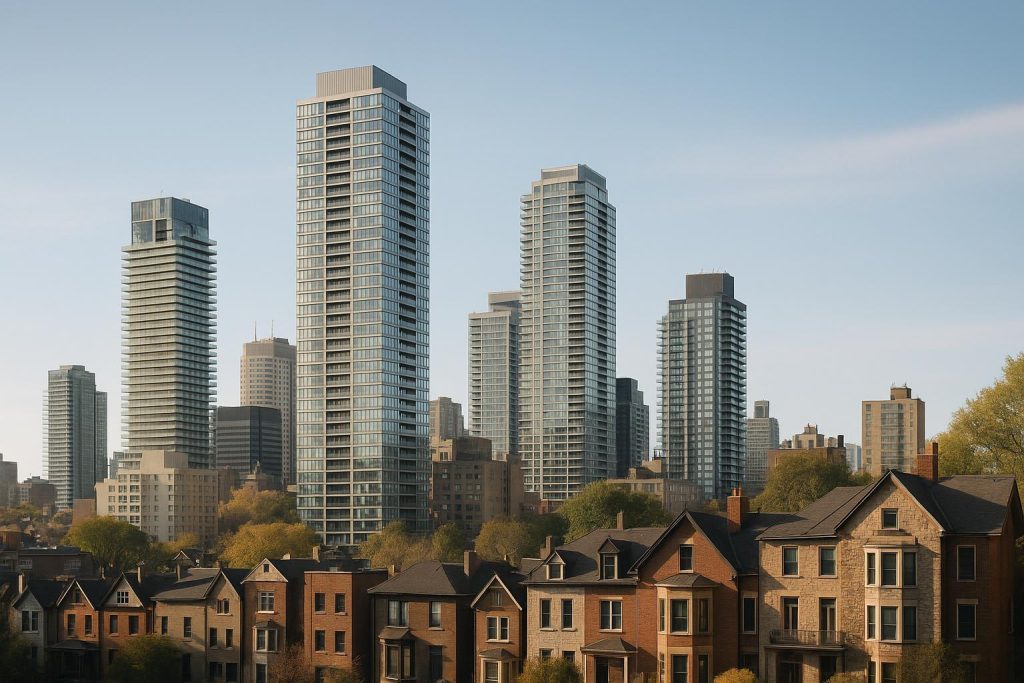
Exploring Monthly Condo Fees in Older vs. Newer Downtown Buildings
Monthly condo fees are a major consideration when selecting the right home in a vibrant urban setting. Whether you are eyeing an older character building or a sleek, newly constructed tower, understanding how these fees are determined—and why they vary—can provide clarity as you evaluate your options. Although no two condo buildings (or their monthly budgets) are exactly alike, several key factors can influence the typical fee structures attached to older and newer developments in any downtown area. By taking a closer look at recurrent costs, possible special assessments, and each building’s long-term viability, you can feel confident in selecting a condo that aligns with both your lifestyle and budget.
Why Monthly Fees Matter
It might be tempting to focus solely on a condo’s purchase or rental price, but monthly fees are a significant component of the property’s overall cost. These fees generally cover shared spaces, upkeep of amenities, utilities for common areas, and the ongoing maintenance of the building’s infrastructure. Often, they also contribute to a reserve fund that pays for future repairs and capital improvements. By weighing these fees alongside your mortgage or rental payments, you can get a more holistic understanding of your monthly financial obligations. In addition, exploring how these costs vary between older and newer buildings can guide you toward a condo that meets your short- and long-term needs.
Factors Influencing Older Condo Fees
For those who appreciate the charm and character of older condos, monthly fees can be notably different from those for newer developments. Before committing to such a property, consider the following factors:
- Maintenance of Aging Infrastructure: Many older buildings come with mature systems such as roofs, plumbing, and electrical wiring. While regular upkeep can maintain these systems effectively, the cost of addressing issues—especially when unexpected repairs arise—often gets reflected in higher monthly fees. For instance, an aging elevator or worn-out boiler system might frequently need parts replaced, contributing to bigger maintenance bills.
- Renovations and Upgrades: Common-area renovations can also influence the condo’s monthly fees. Lobbies, hallways, and amenities such as shared patios or lounge spaces might require modernization to meet contemporary standards or to enhance the building’s overall value. Regularly scheduled updates, from repointing brick facades to upgrading building security systems, typically draw on the collective funds owners pay each month.
- Reserve Fund Requirements: Older buildings often accumulate a more substantial reserve fund to prepare for future projects, reflecting the potential for large-scale improvements. This allocation helps the condominium association ensure that money is available to tackle roof replacements, HVAC updates, and other large capital items. Contributors to this reserve likely see higher monthly fees, but it provides a measure of financial security when major work becomes necessary.
- Historical Charm vs. Modern Efficiency: The architectural details and unique layouts of older condos can be attractive, but they may see higher ongoing operating costs than newer builds. For instance, older windows might be less energy-efficient, leading to increased heating or cooling costs for shared areas. These expenses can trickle into the monthly fee, even for owners who maintain efficient units themselves.
Factors Influencing Newer Condo Fees
Newer developments, particularly those styled with contemporary design and modern amenities, often have a distinct approach to monthly fees. If you prefer a more tailored, up-to-date space, consider the following:
- Modern Materials and Systems: A key advantage of newer buildings is the use of advanced construction materials and efficient mechanical systems, such as high-efficiency boilers and insulation. These elements can help reduce electricity and heating expenses in shared areas. Consequently, the fees may be lower initially, or at least more predictable, because fewer systems are approaching the end of their usability.
- Upfront Planning for Future Costs: Many developers for newly built condos integrate the long-term replacement of items like roofs or mechanical systems into the initial planning and budgeting. This can help stabilize monthly fees for owners, at least in the early years. By factoring in life-cycle costs and maintenance timelines, condo associations can steadily build up a reserve without significantly surprising owners down the road.
- Amenities and Lifestyle Features: Newer condo buildings often pledge state-of-the-art fitness centers, co-working spaces, rooftop decks, or even communal kitchens. While these additions enhance the day-to-day living experience, the upkeep of such amenities will likely be reflected in monthly fees. Still, for many residents, having these well-maintained, modern spaces is worth the added cost.
- Brand-New vs. Hidden Costs: Even the newest condo can encounter problems if construction or design issues become apparent over time. However, thanks to more rigorous building codes, advanced construction methods, and the possibility of developer warranties, the expense of resolving these concerns is often more manageable early on.
Tips for Evaluating Monthly Condo Fees
Regardless of whether you gravitate toward the charm of historic architecture or the clean lines of new construction, there are several considerations that can help you evaluate whether the monthly fees align with your personal financial comfort zone:
- Review Financial Statements: A healthy condo association has transparent records. By examining financial statements and budgets, you can see how funds have been allocated over time. In newer buildings, keep an eye on how reserve contributions are structured for future needs. In older buildings, look for evidence that the association has saved adequately for upcoming updates.
- Understand the Reserve Fund: If a building’s reserve fund is low, a shortfall might force the association to issue special assessments (one-time large fees) in the future. This is especially relevant for older condos with aging systems. On the other hand, if a new condo’s reserve fund is underfunded, owners might still be hit with unexpectedly high fees later on.
- Inquire About Special Assessments: Large repairs and unexpected projects can happen in any condo community. An upcoming roofing replacement or major structural repair in an older building could add a sudden, hefty expense for owners. Meanwhile, in new buildings, if the developer has not planned appropriately, a special assessment could arise for unforeseen issues.
- Amenity Costs: While luxurious amenities can boost a property’s value and your day-to-day satisfaction, they do come at a cost. Modern fitness centers, rooftop lounges, indoor pools, and staffed concierges all add convenience but also drive up monthly fees. Weigh how often you’ll realistically benefit from these amenities against the added expense.
- Building Management Quality: A proactive property management team—whether in an older or newer building—can go a long way in maintaining predictable expenses. Skilled managers anticipate maintenance schedules, address potential issues promptly, and seek cost-efficient upkeep solutions. Spending time to meet or research how management is handled in your desired building can lead to better peace of mind.
Balancing Charm with Efficiency
When weighing older condos, you might be drawn to architectural details that exude historic flair or unique floor plans, recognizing that these elements can come with heightened maintenance requirements. Meanwhile, newer buildings, with their sleek designs and updated systems, might showcase more consistent monthly fees. The decision often comes down to personal preference and financial priorities. Some residents place a high value on modern design and predictability, while others willingly trade that certainty for the character and charm of a heritage building.
Common Pitfalls and How to Avoid Them
Here are some typical missteps that prospective condo owners or renters may want to avoid when comparing older and newer buildings:
- Overlooking the Big Picture: A condo association that has kept fees artificially low for years may be deferring essential maintenance tasks. Eventually, those tasks will need to be addressed, potentially leading to a steep spike in monthly fees or a large special assessment down the road.
- Ignoring the Reserve Fund Status: A robust reserve fund is a safety net, providing financial security for your condo community. If it’s underfunded, future repairs or renovations may become a personal burden. Always ask about the balance of this fund, the property’s planned improvements, and whether the fees reflect realistic long-term needs.
- Failing to Read Meeting Minutes: Owners’ meetings are where critical decisions get made, including budgets, upcoming projects, and special assessments. Request recent meeting minutes to spot any red flags, such as frequent complaints about major systems failing or the repeated need for large emergency repairs.
- Rushing to Close Without All the Details: Whether you’re buying or renting, obtaining thorough documentation on the building’s financial health, management practices, and community guidelines can keep surprises at bay. Make sure you take the time to review this information before finalizing your decision.
Financial Health for Peace of Mind
One of the main reasons people choose a condo over a detached home is the opportunity to share costs for structural improvements, landscaping, and amenity upkeep. While this arrangement can reduce the individual burden, it relies heavily on a collective understanding of fiscal responsibility. Older buildings that demand frequent renovations might command higher fees, but that doesn’t necessarily mean they are poorly managed. Conversely, a newly built condo with very low fees could be a red flag if it hasn’t yet faced the real-world wear and tear that accrues over time. The key is to make an informed judgment by reading financial documents, knowing the building’s projected maintenance schedule, and developing a sense for its governance practices.
Planning for Your Future
When deciding between an older condo or a newer one, it’s wise to think beyond the current snapshot of monthly fees. If you expect to stay in the property long term, ask about the building’s plan for future repairs. Is the condominium association planning to replace crucial systems, like an aging boiler, within the next few years? Has the building management identified any projects that might be levied as special assessments soon? For newer builds, investigate how quickly systems might need replacing and if they’ve established a long-range budget.
If you want more insight into local developments wishing to stay informed about potential monthly fees, it can be helpful to look at different types of construction within your city or the surrounding service area. Newer, purpose-built rentals or condos are increasingly designed with durability and efficient systems in mind. Checking out examples firsthand, whether older refurbished spaces or newly unveiled towers, can give you a sense of the variety in fees and why they vary.
Choosing the Right Next Step
Finding the ideal condo is about balancing what you love and what you can comfortably afford. By assessing the condition of the building, the membership strength of its condo association, and the condition of reserve funds, you can navigate your decision with clarity. Those who value an established feel with historic allure may willingly accept higher monthly dues in exchange for unique character. Others appreciate a newer development’s efficiency and predictability, especially in places where building codes and design standards have advanced in recent years.
If you would like to explore thoughtfully designed new developments, you can learn more on our Projects page. For those seeking existing rental opportunities that might provide insight into typical monthly fees, consider visiting our various Rentals listings. By gathering the right information and comparing what older and newer buildings offer, you’ll be well on your way to selecting a downtown condo that supports your budget, lifestyle, and long-term peace of mind.
