

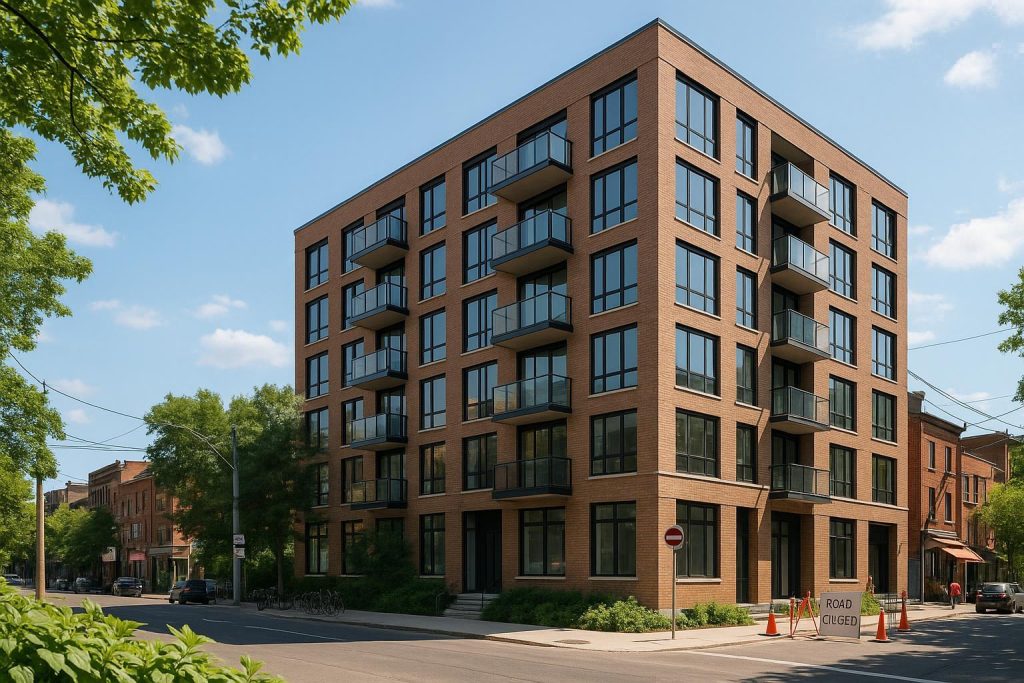
Building Vibrant Cities: How Real Estate Developments Elevate Urban Living
As cities continue to evolve, new real estate developments play a crucial role in transforming how people experience urban life. By blending thoughtful design, accessible amenities, and sustainable principles, these modern projects create more livable and connected neighbourhoods for residents and visitors alike. In many cases, a single development can shape an entire community’s character, influencing everything from local business growth to the way people commute to work. Below, we explore the key drivers behind this positive change and discover how carefully planned developments bring lasting value to today’s urban centers.
The Power of Walkability
One major element in many new real estate developments is a strong emphasis on walkability. In walkable settings, people can easily stroll to grocery stores, cafes, parks, and public transportation hubs, fostering a pattern of daily life that does not wholly rely on cars. By prioritizing sidewalks, pedestrian-friendly streetscapes, and adjacent commercial services, developers bring convenience and a sense of place to urban neighborhoods. This structure saves residents time and money, and also improves public health by encouraging daily movement.
Walkable environments can also strengthen the social ties within a community. Casual interactions on sidewalks or in corner shops promote a feeling of familiarity and shared identity. When people feel comfortable walking around their neighborhood, opportunities for interaction and local engagement are bound to grow. For an in-depth exploration of how apartments in walkable neighborhoods can bolster a sense of community, see our sibling FAQ How do apartments in walkable neighborhoods foster a sense of community?.
Mixed-Use Environments for Modern Lifestyles
Mixed-use developments, which integrate residential, commercial, and retail spaces into one cohesive area, have grown in popularity among urban dwellers seeking convenience and flexibility. People who live in these multi-functional locales need only step out their front door to grab a coffee, shop for groceries, visit the gym, or even head to work. Having multiple needs met in a single neighborhood can reduce travel times and lower stress, which is one reason mixed-use developments have become especially appealing to young professionals. For more insight on why these mixed-use projects matter, check out our sibling FAQ Why are mixed-use developments appealing to young professionals?.
The seamless integration of housing and commercial services is not just convenient; it also fuels local economies. A store, restaurant, or office strategically placed within a residential building often sees steady foot traffic. In turn, these businesses stimulate job creation and offer essential amenities to residents at a more immediate scale. Whether it is a small café or a well-known grocery chain, such establishments add to the vitality of the overall community.
Driving Sustainable and Eco-Friendly Growth
Another key component of modern real estate developments is sustainability. More developers are recognizing the importance of building in a way that respects limited resources and minimizes environmental impact. By incorporating energy-efficient fixtures, reusable materials, and site designs that feature greener landscaping, new projects can reduce carbon emissions. When entire neighborhoods are planned with sustainability in mind, communities experience better air quality, cooler public spaces, and less waste sent to landfills.
Many newly built residential spaces also include advanced insulation, weather-resistant windows, motion-sensor lighting, and other features aimed at conserving energy. These measures yield lower utility costs, making everyday living more affordable. From an urban planning angle, purposefully located developments near transit networks can curb reliance on personal vehicles, further decreasing congestion and pollution. This is especially significant in rapidly growing cities, where populations continue to rise. To delve deeper into responsible urban growth, see our sibling FAQ How does multi-family housing support sustainable city growth?.
Promoting Community Through Shared Spaces
Communal areas within residential complexes or around new developments enrich the lives of city-dwellers, providing spaces for events, social gatherings, or peaceful outdoor moments. A well-designed courtyard, rooftop garden, or community lounge can serve as a focal point for neighbors. These spaces help combat any sense of isolation that can arise in large cities, enabling people to find genuine connection right where they live.
Furthermore, when public amenities such as parks, green walking trails, and well-lit public squares are baked into the design, it fosters a positive relationship between developers, local authorities, and local residents. These amenities act as venues for farmers’ markets, outdoor concerts, or neighborhood picnics. Over time, these traditions become a cherished part of the local culture, enhancing the broader identity of the area.
High-Quality Construction and Modern Design
In today’s competitive market, quality craftsmanship and thoughtful architecture have become expected features of new real estate projects. The benefits of investing in high-quality construction are vast: greater energy efficiency, enhanced durability, and a far more comfortable living environment for residents. Contractors and project teams who invest in long-lasting building materials can help ensure that structures retain their value over multiple decades.
Developers also consider aesthetic appeal when designing residential façades and internal living spaces. Clean lines, open-floor concepts, and abundant natural light remain popular for modern condos and apartments. Many residents appreciate the blend of elegant common areas, well-landscaped outdoor spaces, and technologically advanced features, such as secure entry systems or integrated home automation. If you are curious about specific condo design elements that can make daily life both beautiful and practical, you might explore our sibling FAQ What design features should I look for in a modern condo?.
The Impact of Transit-Oriented Developments
Transit-oriented development (TOD) is an approach that positions new buildings near mass transit systems like subways, commuter rails, or bus lines. This strategy benefits both individuals and communities. It allows people to save on transportation costs, reduce travel times, and enjoy more reliable commutes. On the macro level, such developments can decrease traffic congestion and cut down on carbon emissions—two outcomes that large metropolitan areas desperately seek.
Real estate projects that embrace TOD principles tend to command higher property values. Homeowners and renters often view easy access to public transportation as not just a perk but a necessity. By clustering residential, commercial, and office spaces around transit hubs, it is easier for people to adopt car-free or car-light lifestyles, creating neighborhoods where pedestrian and cyclist safety is prioritized.
Economic Growth and Local Opportunities
New developments can fuel economic expansion by generating new jobs—both during construction and when the building is in operation. Additionally, innovative neighborhoods can attract a diverse group of professionals, including entrepreneurs eager to open shops, small businesses, or co-working spaces close to a growing customer base.
When populations concentrate in well-located and well-designed areas, local economies flourish. Regular foot traffic encourages a thriving business ecosystem, leading to more options and higher-quality services for residents. Over time, these developments can turn previously underutilized sections of a city into vibrant districts. With shops, restaurants, and entertainment venues nearby, people may spend more time outside their homes, forging connections and generating a sense of camaraderie.
Longevity, Resilience, and Value
Urban living can come with its own set of challenges. However, when projects are designed with a long-range outlook, they can adapt to shifting needs and future growth. This flexibility might involve reserving certain areas for future expansions or retrofits, installing flexible utilities like electric charging stations, or adopting architectural approaches that allow buildings to evolve over time.
Real estate developments that plan for longevity and resilience have a better chance of weathering market changes. Their community-minded design and robust infrastructure often appeal to a broad cross-section of residents, investors, and municipal decision-makers. By adding in necessary amenities, ensuring stable property management, and maintaining connections to the community, these projects remain attractive over decades.
The Appeal for Renters and Investors
Beyond improving everyday life, thoughtfully planned developments hold unique advantages for both local renters and potential investors. Renters often prefer newly constructed buildings that blend modern design elements with efficient layouts, as this usually means lower energy costs and greater comfort. On-site amenities, from secure fitness rooms to co-working areas, elevate daily living and can save time that might otherwise be spent traveling to external locations.
Investors, meanwhile, see merit in backing developments that demonstrate sustainable design and strong tenant retention. Well-connected properties are typically more resilient to market fluctuations. They also cater to people seeking a higher quality of living, which in turn attracts stable tenants. Discover more about the current investment landscape by checking out our sibling FAQ Is now a good time to invest in modern urban developments?.
Examples of Real Estate Innovations
From redesigned historic buildings to entirely new constructions, the range of possibilities for innovative real estate developments is vast. Projects that incorporate rooftop community gardens, multipurpose courtyards, or ground-floor cafes illustrate how small touches make a big difference in an urban resident’s day-to-day routines. Similarly, the inclusion of public art, thoughtful landscaping, and well-maintained walkways enriches the neighborhood’s ambience. These finer details help shape a pleasant environment where people feel welcomed.
Many new developments are also leveraging technology, such as energy management systems that track usage in real time or building-wide Wi-Fi networks. Smart control features for heating and lighting create more efficient resource consumption while maintaining comfort. The future likely holds even more advanced tools, including systems that measure water usage and adapt to weather changes automatically.
Exploring Further and Finding Your Place
If you are curious about how real estate developments can enhance your everyday life, you can Explore Our Projects to see firsthand examples of vibrant, sustainable communities. Each project highlights the potential for long-term value, responsible development, and enhanced quality of life. For renters looking to streamline their daily routines, you can also View Available Rentals to find opportunities in neighborhoods that are designed for people and built with longevity in mind.
For those who want to connect directly with our team and learn more about how these developments come to life, feel free to Contact Our Team. Whether you are seeking a new home or exploring investment prospects, staying informed is a valuable step toward securing your future in a rapidly changing urban landscape.
Conclusion: How Thoughtful Development Transforms Urban Living
Real estate developments have the power to reshape cities by adding new life, convenience, and resiliency to the places we call home. When projects are planned with a community-centered mindset, they can offer myriad benefits—from promoting local entrepreneurship to fostering healthy lifestyles and social connections. By integrating walkability, mixed-use design, and eco-friendly features, developers create neighborhoods where residents can enjoy a sense of belonging, access essential services, and reduce their environmental impact.
As more projects across the globe continue to adopt these principles, urban living will likely become more sustainable, inclusive, and enriching. New developments that focus on long-term value, thoughtful design, and practical amenities will help shape cities that work for every generation. Whether you decide to rent or invest, it is clear that a balanced approach to real estate development can lead to a diverse and robust urban landscape—one that ultimately elevates our day-to-day experiences and fosters a stronger sense of collective well-being.
