

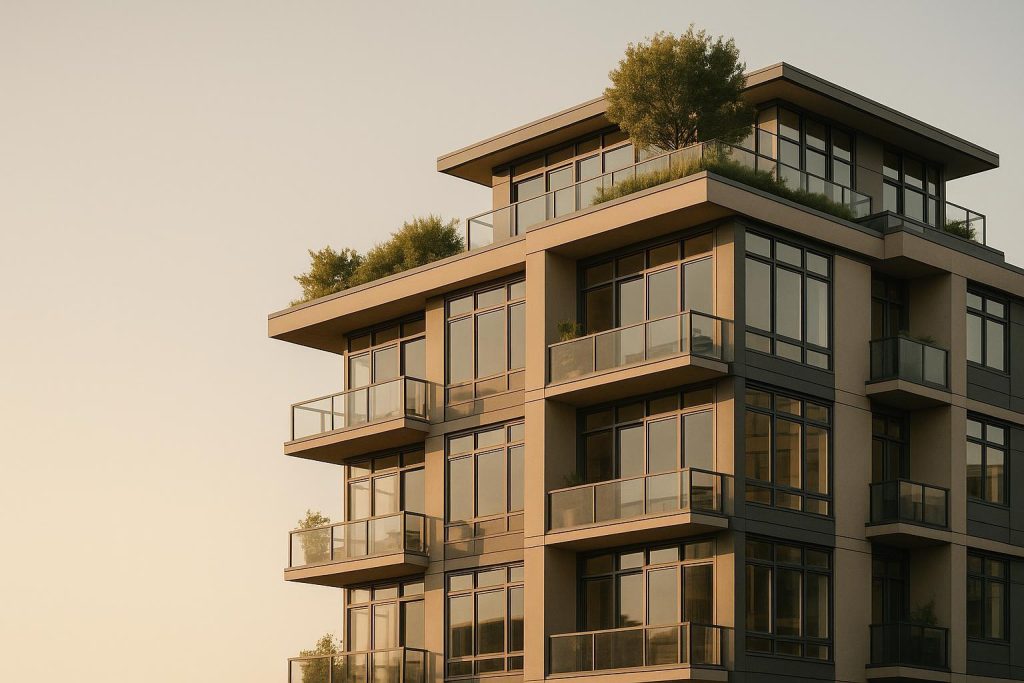
Sustainable Innovations in Vancouver’s Modern Apartment Developments
Vancouver’s apartment developments are increasingly recognized for their forward-thinking approach to sustainability. As housing demands rise, so does the need for environmentally responsible construction and day-to-day operation. Today’s developers often embed green building features into the very foundation of a project, ensuring that sustainability is more than just an afterthought. Instead, it becomes a guiding principle that shapes fundamental decisions—like material selection, energy efficiency measures, and communal amenities that encourage a lower carbon footprint.
At its core, a sustainable apartment development goes beyond simply installing solar panels or adding bike racks. It involves thoughtful design at every phase, from land selection and architectural planning to ongoing management and resident engagement. When a city like Vancouver sets ambitious targets for emissions reduction and recognizes the importance of resilient urban architecture, developers are challenged to exceed traditional standards and seek out new ways to protect the region’s natural beauty. Through these efforts, sustainability becomes a strategic investment in the long-term health of both the building’s occupants and the broader community.
Designing for Efficiency and Community
A sustainable mindset begins the moment a development is conceived. Architects strive to balance aesthetic form with environmental function, factoring in how the building interacts with its surroundings. Window placement, for example, is often customized to maximize daylight while minimizing heat loss. Additionally, high-performance insulation and strategic window treatments help regulate indoor temperatures year-round, particularly crucial in Vancouver’s mild but varied climate. Green building design can also include advanced technologies like energy recovery ventilation (ERV) systems that capture heat from outgoing air and pre-warm or pre-cool incoming air, further reducing energy waste.
These design choices are not only aimed at reducing monthly utility costs but also at enhancing the daily experience for residents. Spaces that harness abundant natural light tend to foster a greater sense of well-being, while robust insulation contributes to a quieter living environment. On a city-wide scale, these incremental efficiencies add up, supporting Vancouver’s goals for cutting greenhouse gas emissions and driving innovation in construction. By embedding sustainability at the design level, new developments become proactive allies in climate stewardship, rather than reactive participants.
Meanwhile, community considerations ensure that sustainability extends beyond the building’s physical envelope. Designs often incorporate welcoming common areas, co-working lounges, or multi-purpose rooms that encourage residents to gather, reducing the need for expansive private spaces. Shared amenities such as fitness centers, rooftop gardens, or communal lounges also promote social interaction while lowering each resident’s overall resource use.
Choosing Environmentally Responsible Materials
Material selection serves as a pivotal second step in elevating an apartment project’s environmental profile. Modern developers may opt for low-carbon concrete mixes, sustainably sourced wood, or other materials that carry third-party certifications. These products have reduced lifecycle emissions and often support healthier indoor air quality because they minimize harmful off-gassing and the release of volatile organic compounds (VOCs). For example, non-toxic paints and finishes lessen indoor pollutants, contributing to a more comfortable and safe home environment.
The push toward responsible development also includes smart waste management on the construction site. Many Vancouver-area projects now incorporate advanced recycling protocols, ensuring metal, wood, and other salvageable materials skip the landfill and are instead repurposed in other building operations. This approach prolongs the usability of materials, reduces total waste, and aligns with Vancouver’s broader ambition to forge a circular economy. Within the framework of sustainable construction, every recycled board or repurposed steel beam not only lessens environmental impact, it also signals a strong community ethos grounded in resourcefulness and respect.
Additionally, landscaping elements are no longer a mere afterthought. Native plant species adorn rooftops, courtyards, and walkways, creating mini microclimates that support local pollinators and reduce water consumption. By adopting thoughtful landscaping designs, many developments simultaneously provide beauty, foster biodiversity, and help mitigate the urban heat island effect.
Operational Practices for Greener Living
Once the building is completed, the commitment to sustainability continues in its day-to-day operations. Developers increasingly include features like on-site recycling centers that simplify waste sorting and disposal, raising awareness among residents about responsible consumption. Secure bicycle storage facilities make car-free living more feasible in transit-friendly neighborhoods, and electric vehicle (EV) charging stations encourage the shift toward green transportation options.
Modern buildings also invest in smart technologies that track and optimize energy usage. From motion sensor lighting in hallways and parking garages to resource-monitoring apps that help residents better understand their energy and water consumption, these innovations place the power to live more sustainably directly into occupants’ hands. Some developments even partner with utility providers to pass along incentives or rebates for adopting greener habits, such as replacing older appliances with more energy-efficient models.
In addition to preserving the environment, these operational improvements can lessen the burden of monthly bills. Lower energy consumption translates directly into reduced costs for both developers and residents, making sustainability a mutual benefit rather than a trade-off. Furthermore, well-maintained communal spaces, from shared roof decks to co-working lounges, maximize resources by reducing the need for each household to individually invest in extra space or amenities like private gyms.
Fostering a Culture of Eco-Consciousness
While technology and design play critical roles, many developers strive to build a deeper, people-centered culture that embraces environmental stewardship. In practical terms, this might involve community-building events focusing on sustainability topics—workshops on composting, for instance, or educational sessions about rooftop or communal gardening. Residents benefit from a sense of shared purpose, and the development itself becomes a place where knowledge is exchanged, not just a structure for living.
To reinforce these values in the long run, some buildings introduce digital or physical bulletin boards that display real-time data about water usage, recycling achievements, or energy savings. Seeing tangible outcomes can motivate further improvements and inspire friendly competition among floors or units. Over time, residents recognize that small lifestyle changes, like using energy-efficient lightbulbs or opting for public transit, collectively yield substantial positive effects on the environment. In a highly engaged building community, sustainability evolves from a “nice-to-have” feature into a defining characteristic embraced by everyone who calls the development home.
Scaling Up Sustainability Citywide
As more projects incorporate and refine sustainable features, Vancouver benefits from the collective impact. This aligns with the city’s ambition to reduce carbon pollution and protect natural habitats. By using less energy and water, and by emphasizing local, eco-friendly building materials, the city’s residential developments become tangible demonstrations of low-impact living. In turn, urban planners and policymakers can note what works well in specific neighborhoods, using these lessons to shape broader regulations and goals. This continuous exchange of information between developers, city officials, and residents pushes sustainability standards higher and cements Vancouver’s reputation as a green leader.
Beyond environmental benefits, these efforts have social and economic ripple effects. Energy-efficient buildings are often more comfortable and can experience higher long-term property values. In rental and condo markets, prospective tenants or buyers increasingly gravitate toward residences that reflect their values of livability and carbon-consciousness. This willingness to invest in sustainable living sparks further competition among developers, generating even more creative solutions to reduce environmental footprints.
How Purpose-Built Rental Helps Advance Sustainability
Among the most significant contributors to Vancouver’s sustainable housing market are purpose-built rental buildings. Often designed with longevity and long-term community integration in mind, these developments can include robust environmental frameworks, tested building methods, and ongoing asset management. Because these residences are specifically built to be rented (rather than sold individually as condominiums), developers typically maintain ownership and responsibility for maintenance and improvements over time. This creates a unique incentive to integrate durable materials, optimize efficiency, and keep operating costs in check.
In many cases, purpose-built rental also opens doors for collaborative initiatives with local organizations. For instance, property managers may facilitate partnerships with environmental nonprofits to organize tree planting days or biodiversity projects in neighborhood green spaces. They can also implement specialized recycling programs or even coordinate group orders for green products among community members. Over time, these collaborations foster a sense of ownership and pride among residents, as they actively support a sustainable environment in and around their building.
Smart Growth: Sustainable Transportation and Transit Access
Addressing carbon emissions effectively means tackling transportation habits as much as building operations. Many modern apartment complexes in Vancouver, particularly those in transit-oriented areas, strive to reduce car dependence by emphasizing walkable access to amenities and public transit lines. Locating developments near major bus and SkyTrain routes, for example, neatly aligns with the city’s broader goals for congestion relief and reduced emissions. In tandem, offering EV charging places these apartments at the forefront of a shift toward clean transportation options.
In the pursuit of long-term value, advanced urban integration strategies help ensure that residents do not need to rely on private vehicles for every trip. Through thoughtful urban design, robust cycling infrastructure, and walkable streets, sustainability merges seamlessly with day-to-day living. This inclusive approach to transportation helps mitigate traffic congestion, improves air quality, and contributes to a healthier, more vibrant metropolitan area.
Contributing to Healthier Neighborhoods
Sustainability efforts in multi-family developments also reflect a commitment to wellbeing. Buildings that prioritize clean indoor air, allow natural light to filter through common areas, and provide outdoor communal spaces nurture both mental and physical health. Green roofs or rooftop gardens can even provide places to grow fresh herbs or vegetables, connecting urban dwellers more directly with their food sources and reducing the carbon footprint of commercially transported produce.
From the street level, thoughtful landscaping and conscientious design also improve the “walkability” of a neighborhood. Strategic use of greenery, such as trees and local plants, not only makes sidewalks more inviting but also functions as part of the city’s ecological network, boosting local biodiversity. Residents benefit from purposeful, human-scale environments that make errands and recreation within walking distance, alleviating reliance on cars and cutting stress associated with urban living.
Looking Ahead: Building for Resilience and Service
Ultimately, sustainable apartment developments in Vancouver form a mosaic of forward-thinking construction, inclusive community design, and ongoing environmental management. By weaving together resilience strategies, energy efficiencies, and occupant engagement, these developments set a powerful example of what responsible city living can look like. Their success hinges on collaboration among architects, developers, municipal authorities, and, most crucially, the residents themselves. From zero-waste initiatives to drought-resistant landscaping, sustainability is not one single tactic but a series of interlocking components that together create a healthier, more livable urban environment.
To fully embrace these values, many developers adopt a transparent approach, offering guided tours or posting sustainability reports online. This openness helps educate prospective renters, buyers, or community members about what truly goes into creating a green, resilient building. As the city grows, these conscientious approaches serve as positive role models, reinforcing that preserving natural resources, reducing emissions, and offering healthier lifestyles are all achievable goals. Over time, the cumulative effect of such developments will reshape Vancouver’s urban fabric, creating neighborhoods resilient to environmental challenges and poised for a bright, safe, and sustainable future.
If you’d like to see real examples of how eco-friendly living is shaping local apartment life, explore our projects or view available rentals to discover modern communities designed with responsible development in mind.
