

Choosing the Right Floor in a Luxury Condo Building
When deciding on a luxury condominium, the question of whether to opt for a top-floor residence or a lower-floor unit often surfaces. Both options come with a range of advantages and considerations, making the decision highly personal. In a multi-floor property, living on the top floor may provide panoramic views and quieter surroundings, while a lower-floor space can offer greater convenience and potentially a different sense of connection to the neighborhood. Below, we delve into key factors to consider when making this choice, so you can feel confident about selecting the floor plan that best suits your lifestyle, budget, and long-term vision for your home.
1. Embracing the Views
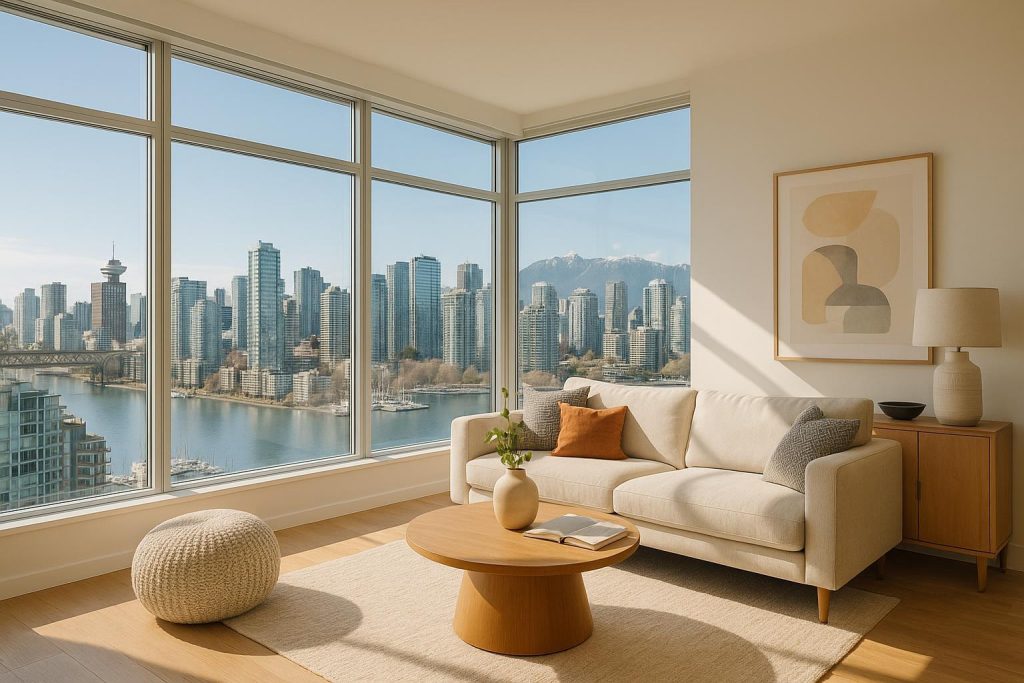
Top-Floor Benefits: One of the most cited advantages of living in a top-floor condominium is the ability to look out over the cityscape, waterfront, or surrounding landscape. If the building is situated in an area with scenic beauty—such as coastal vistas or mountain skylines—top floors can present these sweeping panoramas every single day. This aspect is not merely about aesthetics; it can also enhance the feeling of space within your residence. Large windows offer an abundance of natural light, potentially making rooms feel open and expansive. The psychological impact of waking up to a breathtaking skyline or coming home to a sunset over the water can be transformative, contributing to a sense of serenity in a bustling urban environment.
Lower-Floor Benefits: While you may sacrifice some of those grand sights, lower floors sometimes provide a closer connection to street life, greenery, and adjacent amenities. If the property is located near a vibrant retail strip or well-landscaped courtyard, looking out your window can keep you informed of neighborhood happenings. Some find this perspective more stimulating: you can see the community in action and feel more deeply integrated into the everyday rhythm of the area. Additionally, having a slightly lower vantage point could reduce your exposure to higher winds and intense sunlight, offering a more moderate indoor temperature.
2. Privacy and Noise Levels
Top-Floor Privacy: A top-floor condo tends to be more private. Residences at the highest elevations typically experience less street noise, easing the clamor that can reverberate at ground level. This can be particularly appealing if the building is situated near a busy downtown area or close to major transit lines. Fewer overhead neighbors can also mean fewer internal disturbances—there’s no one pacing around in the unit above you. If peace and quiet are focal considerations, top floors have a distinct edge.
Lower-Floor Tradeoffs: On the flip side, lower-floor units may be more exposed to outside commotion. Street traffic, pedestrian noise, and occasional construction work can be more noticeable. That said, well-engineered luxury developments typically incorporate robust soundproofing materials, from advanced insulation to specialized window glazing, minimizing these issues so you can still enjoy a sense of calm in your home. In many buildings, the difference in noise level between floors might be less dramatic than anticipated, especially if the developer has taken steps to reinforce acoustic protection throughout the structure.
3. Convenience for Daily Living
Lower-Floor Advantages: For some people, easy access to ground-floor amenities can be a game-changer. Whether you’re frequently using the on-site fitness center, communal lounge, or lobby services, residing on a lower floor means quicker elevator rides—or even the option of using the stairs. Families with young children often appreciate having fewer flights to travel when carting strollers, groceries, or other daily essentials. Similarly, if you’re coming in and out often for short errands, the time savings can be significant.
Top-Floor Challenges: While it’s not generally difficult to ride an elevator up to a luxury penthouse, it can be a small inconvenience if you do it multiple times a day. Maintaining a busy schedule—especially if you must frequently let guests, service providers, or deliveries in—could make repeated elevator trips feel cumbersome. However, top floors often compensate with private elevator lobbies or express lifts that minimize wait times. If your building offers these features, you may still find top-floor living relatively hassle-free, though it’s wise to confirm these details with the property manager or developer before making a purchase or rental commitment.
4. Cost Differences and Value
Pricing Factors: In many luxury developments, top-floor units fetch a premium due to their rarified status and panoramic views. They might also offer unique architectural elements like vaulted ceilings, wraparound terraces, or customized layout options that amplify their exclusivity. These features can drive up both rental rates and purchase prices. If you’re investing, it may hold potential resale benefits down the line since penthouses—or units close to the penthouse level—often retain a strong market appeal.
Balancing Budget Sensibly: Lower-floor units can still feature high-end finishes and thoughtful designs but at a friendlier price point. This makes them an attractive option for those who prioritize quality and livability yet wish to maintain a certain budget. Rather than sacrificing luxury entirely, you might simply compromise on the lofty skyline perspective. You can still enjoy the same premium materials, on-site services, and building amenities that define the typical luxury condo experience. It’s about deciding how valuable the extended view or greater privacy is to you compared to saving on monthly payments or initial investment.
5. Lighting and Energy Considerations
Top-Floor Illumination: Natural light can be especially abundant in top-floor residences. Expansive windows and fewer adjacent buildings at your level may mean your living area is flooded with daytime brightness. Enhanced sunlight can reduce reliance on artificial lighting, potentially cutting down on electricity usage. For many, having bright spaces contributes to an uplifting atmosphere and can help create an ambiance that feels refreshing and inviting.
Temperature Regulation: However, because hot air rises, top-floor units may become warmer than those nestled on lower levels. Depending on the building’s design, efficient ventilation systems and modern insulation can mitigate this heat gain. Still, it’s worth considering the potential for higher cooling costs during warmer months. In cooler climates, being on the top floor could be an advantage in winter, as rising heat from units below might keep you toasty.
Lower-Floor Energy Efficiency: Lower floors can sometimes benefit from energy savings, especially if other units above you naturally insulate the vertical space. However, these floors might receive less direct sunlight, necessitating more artificial lighting during daytime hours. If the building is well-designed, differences in energy consumption might be minimal, though every structure varies. It’s wise to inquire about the property’s insulation standards, window glazing, and HVAC performance, as all of these can influence monthly costs and comfort.
6. Structural Features and Reliability
Elevated Engineering: Top-floor condos in modern luxury buildings are frequently built with specialized structural solutions. Developers may invest in advanced soundproofing materials, thicker window glass, or high-grade steel frames to counter wind loads and maintain stability. It’s also not uncommon for top floors to showcase upgraded fixtures or exclusive layouts that reflect the property’s premier status. If you’re drawn to these top-floor residences, consider investigating how the building’s architects and engineers approached sustainability measures. Ask about aspects like energy recovery ventilation systems or water-efficient appliances, which can underscore a careful, future-focused design.
Lower-Floor Consistency: While top floors might receive extra design enhancements, lower-floor units can still provide reliable quality. In reputable developments, these residences are constructed using the same foundational standards, ensuring that critical aspects—like safety and durability—are uniformly addressed throughout the building. If you connect with a trusted developer or management team, you can gain clarity on specific improvements each floor receives, so you have a realistic grasp of what you’re buying or renting.
7. Lifestyle Alignment and Personal Preferences
Selecting an ideal condo floor is largely about aligning your personal comfort and daily routines with what the property offers. Do you prefer hosting gatherings that dazzle with skyline views, or do you value straightforward access to the lobby and neighborhood shops? Are you someone who loves an abundance of natural light, or would you rather keep your living space reasonably cool year-round without relying heavily on air conditioning? Taking stock of these preferences helps refine your priorities.
Moreover, it’s worth considering how your needs might evolve. For those planning to stay long-term, factors like accessibility and minimal elevator travel could become increasingly significant. For others, the design perks of a top-floor setting might align better with the desire for a serene living space tucked away from road noise or city hustle. Creating a home is about more than just the physical layout; it’s about finding a place where day-to-day experiences are as positive as possible.
8. Amenity Access and Community Integration
Quick Trips to Amenities: In many luxury developments, essential amenities—like parking, shared lounges, mail services, or even co-working spaces—are located on the lower or ground floors. Being near these facilities can simplify errands, short visits, or the daily routine of heading to the on-site gym. If you’re someone who exercises frequently or likes to pop into the lounge for coffee in the mornings, consider how frequently you’ll commute inside the building.
Elevated Exclusivity: Conversely, living on higher levels often fosters a more tranquil atmosphere. When you head to communal spaces, the journey could be more deliberate rather than spontaneous, possibly offering a restful home environment. If your idea of community-minded living involves connecting in the building’s common areas, a lower-floor residence might encourage that. Meanwhile, if privacy is your priority, a top-floor home can provide a feeling of retreat, letting you engage with neighbors and building events precisely when you choose.
9. Building Support and Maintenance
A well-run property management team can create a pleasant living environment regardless of floor height. Whether you’re on the penthouse level or just above ground level, you can benefit from timely maintenance, reliable utilities, and proactive communications that keep you informed of any building-wide updates. It’s also helpful to know how the developer handles building upkeep, including potential renovation schedules or equipment checks. Knowing your building is in trustworthy hands can make the overall experience smoother, whether you’re enjoying evening views or stepping outside to run errands.
10. Making a Confident Decision
Ultimately, the choice between top-floor and lower-floor living in a luxury building depends on which aspects matter most to your way of life. If sweeping panoramic views, ample daylight, and maximum privacy are at the top of your priority list, the heightened exclusivity of a top-floor condo might be well worth the investment. If, however, convenience, closer proximity to amenities, and a more accessible budget speak to your situation, the lower floors might offer a streamlined, comfortable alternative without compromising on the overall aesthetic or quality you expect from a well-crafted development.
Before finalizing any decision, it is valuable to explore the property in person—touring both upper and lower units. Pay attention to noise levels, elevator wait times, and the general ambiance across different floors. Observe natural lighting at various times of day, as well as the overall temperature and air circulation in each unit. You will often find that small details become apparent only through an in-person visit. Checking out where the parking spaces are located, how residents use the communal areas, and what the surrounding neighborhood offers is all part of picturing yourself within that specific living environment.
Next Steps
For a deeper look into different floor options and configurations, you may consider browsing available rentals or new developments. By comparing properties and floors, you’ll get a clearer understanding of how cost, access to amenities, and scenic views align with your personal objectives. Since each building is uniquely designed, you might discover a mid-level residence that still provides excellent natural light and partial city views, or a top-floor corner unit that offers an exceptional sense of privacy and spaciousness. Keep your ultimate lifestyle, budget, and day-to-day preferences at the forefront, and remember that a well-chosen condo is one that offers a balanced sense of community, convenience, and overall livability.
Taking the time to consider your priorities—including view, budget, convenience, energy efficiency, and personal style—can guide you toward a confident and informed choice. Whether you opt for the soaring views of a top-floor home or the straightforward accessibility of a lower-floor unit, the right decision is one that brings you lasting comfort and satisfaction in your luxury building.
