

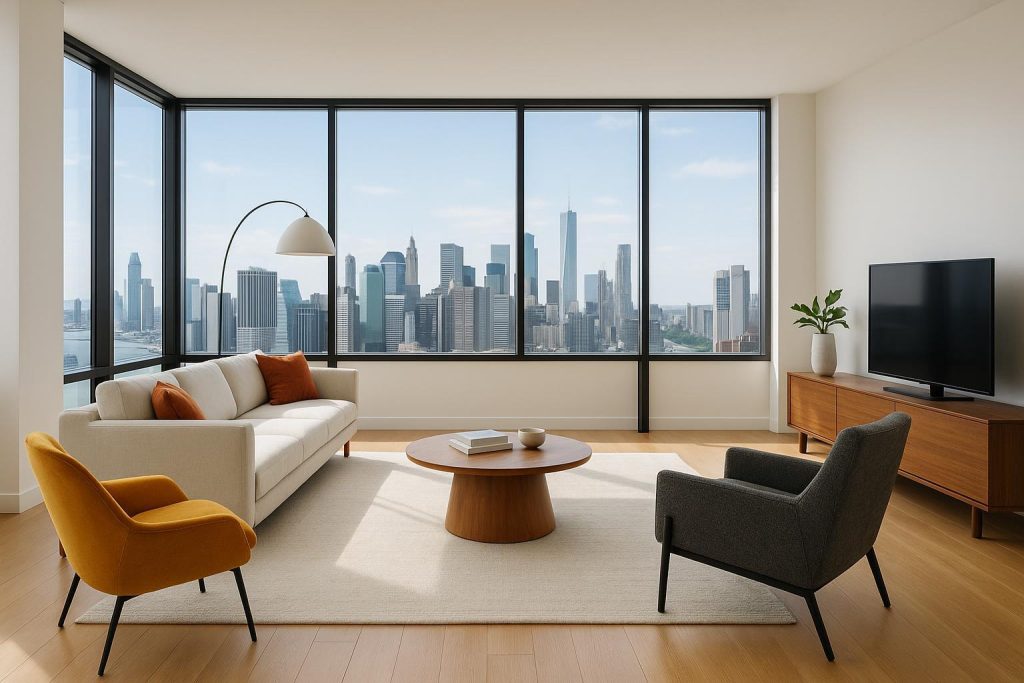
Finding the Right Fit: Upscale Rentals vs. Condo Ownership
Choosing between an upscale rental and buying a condo in a premium building requires thoughtful consideration. Both options can provide you with a luxurious living experience, complete with amenities such as fitness centers, rooftop lounges, or on-site maintenance staff. Yet the lines between renting and owning extend beyond obvious differences in monthly costs. Understanding factors like long-term financial commitments, maintenance responsibilities, personal freedom, and the potential for equity can help you identify which path aligns best with your goals.
In this comprehensive overview, we will explore the core distinctions that define upscale rentals and condo ownership. We will look at financial obligations, ongoing responsibilities, lifestyle impacts, and how each choice influences your day-to-day comfort and convenience. Whether you are weighing the possibility of building long-term equity through condo ownership or seeking the flexibility that rental living can offer, this guide will clarify the most important aspects to keep in mind.
Considering the Financial Commitment
One major difference between renting and owning emerges at the financial level. When you purchase a condo, you are likely committing to a substantial down payment—often in the tens of thousands of dollars—as well as ongoing mortgage payments. In addition, you will need to factor in insurance costs, property taxes, and any applicable homeowners’ association (HOA) or strata fees. These expenses can add up every month, forming a tight budget framework that does not necessarily change if your financial situation fluctuates.
Upscale rentals, conversely, generally ask for the first and last month’s rent, plus a security deposit. This streamlined initial outlay can feel refreshingly straightforward, especially if you prefer not to tie up too much capital at once. While renting does not let you build direct equity in the same way as owning property might, it also frees you from the risks that come with potential real estate market downturns and unforeseen repair bills. You enjoy many of the benefits of a premium building—like high-quality finishes or thoughtful common areas—without the same level of financial and legal commitment.
It is worth noting that in some regions, rental prices, especially for upscale options, can be quite high. Yet, for those who prioritize convenience and consistency in budgeting, the predictable monthly rent amount may be easier to plan around. If your circumstances require regular relocation for work or personal reasons, an upscale rental can prevent you from becoming locked into a long-term mortgage. As you compare your options, ask yourself how comfortably you can manage upfront costs and whether a more flexible arrangement best serves your lifestyle.
Maintenance and Ongoing Responsibilities
In an upscale rental, property management teams often handle repairs, landscaping, and even common areas so you can enjoy a care-free environment. When the dishwasher breaks or the faucet leaks, you can typically submit a maintenance request, and the management team will fix it without charge. This simplicity is a notable benefit, particularly if you do not have the time or inclination to arrange for your own contractor or manage repairs yourself.
By contrast, condo owners need to plan for ongoing maintenance expenses out of their own pocket. While condominium buildings often have shared fees for the upkeep of hallways, lobbies, elevators, and other communal spaces, owners maintain direct responsibility for their individual units. If an upgrade or renovation is needed, or if you need to fix appliances, you will be footing that bill. This approach can offer more autonomy—if you want to choose a certain style of faucet or high-end cabinetry, you can do so—but your budget will have to accommodate these variables. Over time, the cumulative cost of maintenance and repairs can shift the financial landscape more than you might expect.
Lifestyle and Flexibility
An upscale rental in a premium development can deliver a lifestyle that is every bit as luxurious as a condo. Whether you love the idea of a shared rooftop patio, a lavish lounge area, or a dedicated concierge who greets you by name, you can find rentals that cater to your preferences. If you value a sense of community or want time to enjoy local eateries, curated events, or nearby entertainment, rental living may grant you that freedom without adding the stress of property ownership.
For some, this sense of flexibility is crucial. Renting allows you to change locations more fluidly if your job relocates or your personal interests shift. This mobility lets you adapt to changing circumstances without having to manage property sales or market listing timelines. Meanwhile, condo ownership can feel grounding if you are seeking a longer-term stake in a neighborhood. You might prefer to establish connections with neighbors, local businesses, and civic organizations, all while building equity in a sought-after building. The trade-off is that you are more rooted: selling or renting out your condo is an option, but it can be time-consuming and incur extra costs.
Market Exposure and Potential Equity
Building equity is often seen as the biggest reason to buy a property. By purchasing a condo in a premium building, you could see gains in market value over time. Holding onto your condo for several years might allow you to sell at a profit, especially if you live in a rapidly appreciating area. This is an appealing proposition for many homeowners who want their living situation to double as an investment vehicle.
However, that same market exposure can be a double-edged sword. When the housing market stabilizes or declines, homeowners bear the brunt of any reduced property value. Economic shifts can also influence your ability to make timely mortgage payments, and fluctuations in interest rates can have a ripple effect on monthly costs. For these reasons, some prospective buyers find the inherent risks of condo ownership concerning, particularly if their career plans are not firmly rooted in one spot. By contrast, renting shields you from immediate repercussions of housing market declines. Your monthly rent remains consistent (although subject to lease terms and market conditions upon renewal), and you are not responsible for property value changes.
If you are interested in exploring how upscale residential projects can involve unique investment strategies or if you want to weigh more information about property value changes, you might find our related discussion helpful: How do investment opportunities differ in upscale residential projects?
The Appeal of Bespoke Environments
Contemporary residential developments often pride themselves on delivering more than just a place to sleep. Many upscale rentals and premium condo buildings incorporate high-quality finishes, modern appliances, and a balanced blend of comfort and style. These buildings are frequently designed to integrate seamlessly with their surroundings, enhancing both livability and aesthetic appeal.
For property owners, this attention to detail can prove especially satisfying, as your condo may come with unique touches like custom cabinetry, upgraded flooring, or panoramic views. Ownership fosters a sense of permanence that can be fulfilling if you are committed to that building and neighborhood. On the other hand, renters can enjoy the same design elements without incurring the upfront costs of renovations or specialized improvements. This scenario can appeal to those who love tasteful spaces yet prefer a more flexible living arrangement. Regardless of whether you rent or own, living in a well-designed community can influence your well-being and day-to-day happiness.
Customizing Your Living Space
When you own a condo, you have near-total control over how you customize your interiors. Whether you wish to install modern lighting fixtures, redo the kitchen backsplash, or cultivate a built-in home office, you generally have the freedom to make those changes—subject to building guidelines. Customization can be rewarding, especially if you aim to boost your property’s market value or enhance personal enjoyment. If you are curious about how unique design features can impact the overall worth of a property, you might also explore Do tailored floor plans add resale value to upscale residences?
However, upscale rental communities may also offer a distinctive ambiance—often with professionally curated color palettes, refined finishes, and smart home technology. While your ability to redesign the space is restricted because you do not own it, the building may already reflect a style that aligns with your tastes. This is especially appealing if you are inclined toward a move-in-ready home with minimal renovation demands. Rather than overseeing contractors and ensuring the quality of install work, you can settle in and start decorating with furniture, artwork, and other personal touches right away.
Location and Mobility
Before deciding whether to rent or buy, consider your geographical preferences. Highly sought-after cities or urban centers often feature premium condo developments with desirable amenities and prime walkability. Buying a condo in these areas may yield prime resale or rental potential in the future. On the flip side, if you crave the same upscale amenities but prefer not to commit to a permanent address, an upscale rental can be an elegant solution.
This mobility factor can be essential for those who foresee career changes, personal relocations, or simply want more freedom to explore different parts of town. You might enjoy the notion of sampling living arrangements, from city-center high-rises to quieter, tree-lined neighborhoods. When you rent, leaving for a new opportunity is often more straightforward than going through the real estate sale process. Additionally, some upscale rental developments have short-term or mid-term leases, making it easier to pivot when new opportunities emerge.
Exploring the Bigger Picture
As you weigh the trade-offs, it might help to investigate additional aspects of condo ownership versus upscale renting. There can be broader implications for how these choices align with sustainability and community integration. If you are interested in exploring trends such as multi-family development efficiency or how high-end condo buildings differ from more basic structures, you may appreciate reading How do high-end condos differ from standard condo units?
Beyond your day-to-day comfort, it helps to think about the social and cultural landscape of your chosen living arrangement. Many upscale buildings, rental or ownership-based, encourage interaction among residents through communal areas. These shared amenities can nurture a sense of connection, and in some cases, they may provide dining, retail, or coworking spaces for a more vibrant daily life. Whether you prioritize solitude, an active community, or a culture of networking, investigate what each building has to offer before making your choice.
Making the Decision That Serves You
At the heart of this discussion lies the recognition that your ideal living arrangement will match your personal, financial, and lifestyle priorities. If you crave the sense of stability that can come with owning property, a condo in a premium building might be the right course, especially if you see yourself staying for several years and establishing a foothold in a neighborhood. You can leverage equity growth over time, customize your living space to meet your needs, and invest more deeply in a location you love.
Alternatively, if you need flexibility and prefer to bypass the complexities of property ownership, renting in an upscale development can feel liberating. You enjoy similar amenities—from gyms and rooftop lounges to well-tended lobbies—without tying up your funds in a mortgage or earmarking extra resources for long-term maintenance. If your life circumstances change, you can pack and move on without the burdens of property sale negotiations or waiting for the right buyer to emerge. This agility is often the biggest advantage that rentals enjoy over ownership, particularly in dynamic real estate markets.
Ultimately, the major question is how you want to spend your time, effort, and resources. If you relish the idea of building equity and personalizing every inch of your home, condo ownership can be incredibly satisfying. If you welcome fewer responsibilities and the freedom to move when you feel it is right, an upscale rental option offers a strong foundation. To further explore potential benefits of renting in the luxury segment, you might find additional insights in our guide Is renting a luxury apartment worth the premium?
Next Steps for an Informed Choice
Before you commit to either route, try to identify your priorities in terms of cost, location, style, and comfort. Think about how these factors align with your longer-term goals. If you are leaning toward upscale rental living and would like to learn more about the types of premium properties on the market, you can view available rentals to see which might fit your aspirations. Comparing the quality of finishes, onsite amenities, and the overall vibe of each building will equip you with the practical insight needed to finalize your decision.
Condo ownership and upscale rentals both promise comfortable, high-end living. Yet the paths diverge when it comes to the degree of ownership enthusiasm, financial strategy, and envisioned future. By reflecting carefully on these factors, you can select a living arrangement that not only meets your expectations today but also fits seamlessly into your evolving journey. Whatever you decide, you will be stepping into a realm of luxurious fixtures, thoughtful design, and day-to-day ease—a foundation that enriches how you live, work, and relax under your own roof.
