

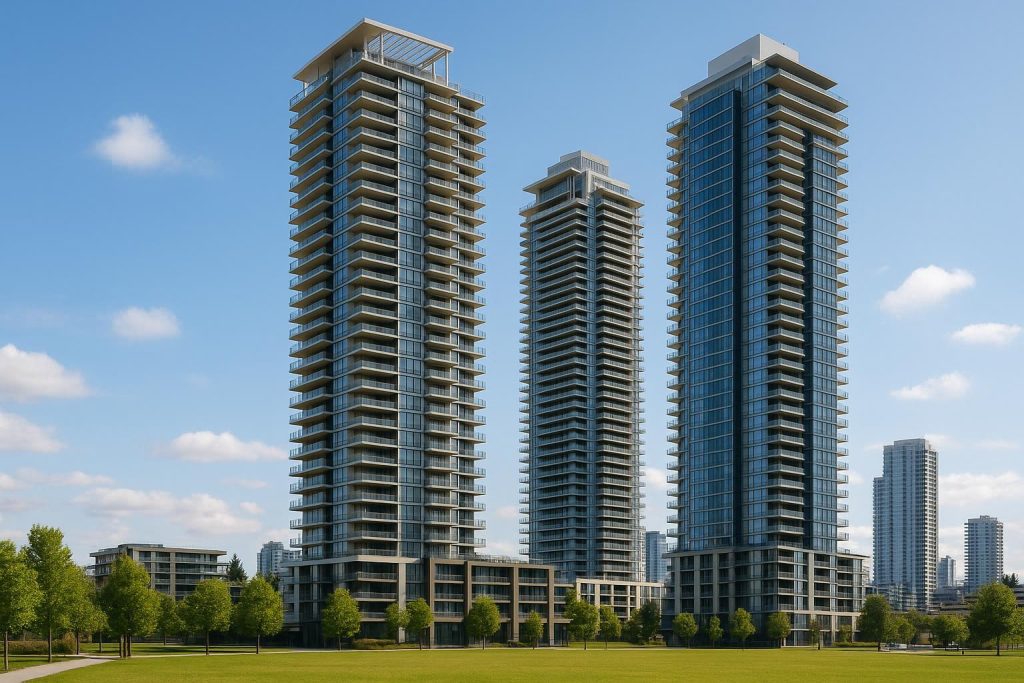
Understanding Condo Prices in Burnaby
Burnaby sits in the heart of British Columbia’s Lower Mainland, just east of Vancouver. With a bustling urban landscape, an array of thriving neighbourhoods, and extensive transit links, the city appeals to a wide range of homeowners and investors alike. As with any real estate market, the cost of a Burnaby condo depends on several factors, such as location, age of the development, proximity to public transit, amenities, and overall market conditions. Below, we delve into the essentials to help you understand what influences condo prices in Burnaby and how you can approach your decision-making process.
1. The Appeal of Burnaby’s Neighbourhoods
The first step in determining condo prices in Burnaby is to look at the different neighbourhoods. Burnaby is composed of distinct areas, each offering a unique vibe, amenities, and local appeal:
- Metrotown: A major commercial hub, Metrotown is known for its shopping centers, entertainment, and access to public transit through the SkyTrain. Condos here tend to command higher prices due to their central location, convenient access to city services, and high-rise skyline offering panoramic views.
- Brentwood: An up-and-coming district seeing significant redevelopment. Brentwood’s newly built towers and shopping centers draw those looking for modern living. Proximity to transit and major highways make it a prime choice among buyers.
- Edmonds: Nestled in southeast Burnaby, Edmonds blends established single-family homes with newer condo buildings. It’s less dense than Metrotown or Brentwood but still has good connectivity to transit. Condo prices can be more accessible here, depending on proximity to SkyTrain stations and local amenities.
- Highgate: An area popular for its balance of convenient stores, cafés, and quiet residential streets. Many mid-rise and high-rise condos populate Highgate, often striking a more affordable note compared to the bustling Brentwood or Metrotown zones.
- Lougheed: Located near a major transit interchange (Lougheed Town Centre station), this area has seen sustained interest from developers. Condo costs tend to reflect strong transit access and multiple new developments catering to diverse budgets.
When exploring listings in any of these neighbourhoods, it helps to think about what you most value—whether it’s living in a walkable community, proximity to downtown Vancouver, or upgrade potential. These characteristics all factor significantly into a condo’s price.
2. Key Factors Affecting Condo Costs
Beyond the neighbourhood, prospective buyers should keep the following aspects in mind. Understanding these will help you gauge a condo’s price and long-term value:
- Age and Condition of the Property: Older buildings might have lower list prices but higher maintenance fees down the road. Newer developments typically come with higher upfront costs, but they often feature modern designs, energy efficiencies, and on-trend amenities.
- Developer Reputation: A condo built by a well-regarded developer can attract a premium. Buyers appreciate thorough planning, consistent quality, and higher resale values. Investigating the developer’s track record can help you weigh the potential benefits of a slightly higher purchase price.
- Amenities: The presence of gyms, co-working spaces, shared outdoor areas, or rooftop lounges can contribute to higher monthly strata fees, but also tends to increase the overall desirability of a condo. Facilities that truly foster livability—like well-maintained gardens or multi-use common areas—can add notable value.
- Transit Accessibility: In a city like Burnaby, closeness to a SkyTrain station can drastically impact both the demand and price of a condo. Buildings within a short walk of rapid transit often command a noticeable price premium over those that require a bus or a car ride to transit hubs.
- Market Trends: The overall real estate market in Metro Vancouver influences Burnaby’s condo prices significantly. Whether the market is experiencing a growth cycle or slight cooling, these trends shape buyer sentiment and pricing strategies.
3. Typical Condo Price Ranges in Burnaby
Prices for a one-bedroom condo in Burnaby typically start in the mid to high $400,000s, though this can vary widely by building and neighbourhood. Two-bedroom suites in popular areas might range anywhere between the $600,000s and over $800,000, particularly in areas undergoing rapid development, like Brentwood. Luxury or high-end properties, especially in prime locations with panoramic views and extensive amenities, can exceed $1 million. These ranges are broad, but they offer a starting point for prospective buyers trying to budget for their new home.
However, it’s important to look beyond listing prices. Additional expenses such as strata fees, property taxes, and potential renovations can all shape the real, long-term cost. A more affordable condo on paper may still carry higher overall costs if the building’s maintenance is insufficient, or if major repair work is likely within a few years.
4. Pre-Sale Versus Resale Condos
Out of a desire for brand-new finishes and the potential for future appreciation, some buyers gravitate toward pre-sale condos directly from developers. In these cases, you typically pay a deposit in stages, with the remainder due at closing once the building is complete. Although pre-sale condos can allow you to lock in a price early, it’s crucial to research the developer’s track record, review the proposed strata budget, and understand the risks of construction delays or market shifts.
Resale condos offer the benefit of established strata management, proven building performance, and, in many cases, immediate occupancy. While you might need to factor in some costs for updates or required inspections, there’s greater clarity about the community’s stability and monthly expenses.
5. Maintenance Fees and Special Levies
When evaluating condo costs, it’s helpful to look beyond the purchase price. Maintenance fees (strata fees) cover building upkeep, amenities, and general operating costs. Fees will typically go up or down according to the property’s age and the range of amenities provided. For older complexes, special levies can occur if major updates are needed, such as roofing, plumbing upgrades, or elevator repairs. As a prospective buyer, inquire about the condo’s contingency reserve fund and upcoming maintenance projects to get a realistic picture of future expenses.
6. Financing Considerations
Securing financing is a big part of the condo-buying journey. Canada’s mortgage regulations can influence how much you’re able to borrow, and the size of your down payment can impact your monthly carrying costs. It’s also worth noting that properties under a certain square footage (often studios or junior one-bedrooms) might pose stricter financing conditions with some lenders. Make sure you or your broker clarifies all requirements to avoid surprises during the mortgage approval phase.
7. Comparing Rent versus Ownership
Deciding whether to buy or continue renting is a common dilemma. Monthly mortgage payments may be comparable to market rents, especially when interest rates are relatively low. The main difference lies in the added ownership costs, such as property taxes, maintenance fees, and potential levies over time. Yet, many buyers treat ownership as an investment opportunity, given that real estate historically has performed well over the long term in the Greater Vancouver area. Ultimately, your decision might come down to how long you plan to live in Burnaby, your comfort level with mortgage and maintenance responsibilities, and your personal financial outlook.
8. The Importance of Long-Term Value
When purchasing a condo in Burnaby, it is crucial to consider how the property will fit into your life for the years to come. Think about whether you anticipate needing more space, how changes in the local economy could affect resale values, and how transit and infrastructure projects might shift buyer demand in the future. While trends come and go, properties in well-connected neighborhoods with stable track records of responsible development tend to hold their value effectively—and can even appreciate beyond your initial expectations.
9. Working with a Reputable Developer
Condos that come from credible, community-minded developers often reflect thoughtful planning and lasting quality. A developer’s approach to purposeful design, sustainable construction, and ongoing management can strongly influence both the short and long-term aspects of condo ownership. Thorough community integration—meaning the building design suits the neighborhood and fosters connection—can also maintain a higher resale value. Gathering information about a developer’s history helps ensure that your investment aligns with your expectations and overall lifestyle preferences.
10. Strategies to Navigate the Market
Because the Burnaby condo market can move quickly, consider these strategies to help you make a balanced and confident decision:
- Budget Mapping: Factor in mortgage payments, down payment requirements, strata fees, property taxes, and contingency savings. A thorough budget analysis helps prevent financial surprises later.
- Independent Inspections: Even if the condo is relatively new, a home inspection can provide insight into any hidden issues. It’s worth the extra time and cost to avoid larger complications later.
- Compare Similar Properties: Explore multiple listings in the same building or area to gain a comprehensive sense of scope, price ranges, and potential trade-offs.
- Ask about Building Reserves: The depth of the condo’s reserve fund and the presence of anticipated levies can affect both short-term and long-term costs.
As you search for your ideal condo, a careful, well-informed approach ensures you find the right home that matches your lifestyle and investment goals.
11. Considering Future Developments
Burnaby continues to see major redevelopment projects, spurred on by ongoing population growth and the pressing need for more housing options. While new developments can bring opportunities for modern, well-designed living, they can also lead to construction-related disruptions or changing neighborhood character in the short term. Balancing your desire for brand-new amenities with the realities of redevelopment can help you select a condo that aligns with your priorities.
12. Engaging with Community-Focused Developers
For those who value an interconnected neighborhood life, working with a community-minded developer can be particularly meaningful. Honoring local context is important for ensuring the new building fits seamlessly into the existing area. Responsible development puts emphasis on inclusive design, long-term livability, and the well-being of both residents and the broader community, which can help sustain or even boost property values over time.
Many prospective condo buyers also appreciate transparency: the best developers and strata councils openly share details on costs, upcoming projects, and improvement plans. Active communication fosters trusting relationships among residents, translating into a healthier, more vibrant condo community.
13. Exploring Other Opportunities
Whether you’re at the stage of comparing different buildings or simply curious about investment opportunities, researching a developer’s other projects can broaden your perspective. If it helps, you can also Explore Our Projects for a glimpse of how various communities come to life under a unified, purpose-driven approach.
Should you have specific questions or wish to learn more about particular properties in Burnaby, feel free to Contact Our Team. A well-informed conversation can often clarify which condo—be it a pre-sale in a bustling hub or a resale offering in a quieter corner of the city—best suits your goals.
14. Making Your Condo Decision in Burnaby
In a thriving real estate market like Burnaby’s, setting realistic expectations and approaching the process methodically will help you feel confident in your final decision. Think about the impact of each influencing factor, from the precise location and age of the building to broader market dynamics. Determine how each consideration aligns with your personal or family needs: Do you anticipate living here for many years, or are you seeking flexibility and potential resale profit? Are you looking for top-tier amenities, or is affordability paramount?
Ultimately, the cost of a condo in Burnaby goes well beyond the listing price. Strata fees, special levies, location advantages, and potential for future appreciation all weave into the bigger picture. By weighing these factors consciously, you can find a space that not only fits your household’s immediate needs but also supports your long-range ambitions—whether that’s building equity, enjoying a comfortable lifestyle close to transit, or putting down roots in a vibrant community.
Through thoughtful analysis and a clear sense of your priorities, you’ll be better equipped to navigate the evolving Burnaby real estate landscape. Whether you’re a first-time buyer or adding to your investment portfolio, an informed approach will make a lasting difference. And if you find yourself seeking additional details or guidance, remember that a knowledgeable real estate professional or reputable development team can offer insight into the subtle dynamics that influence condo pricing in this remarkable city.
