

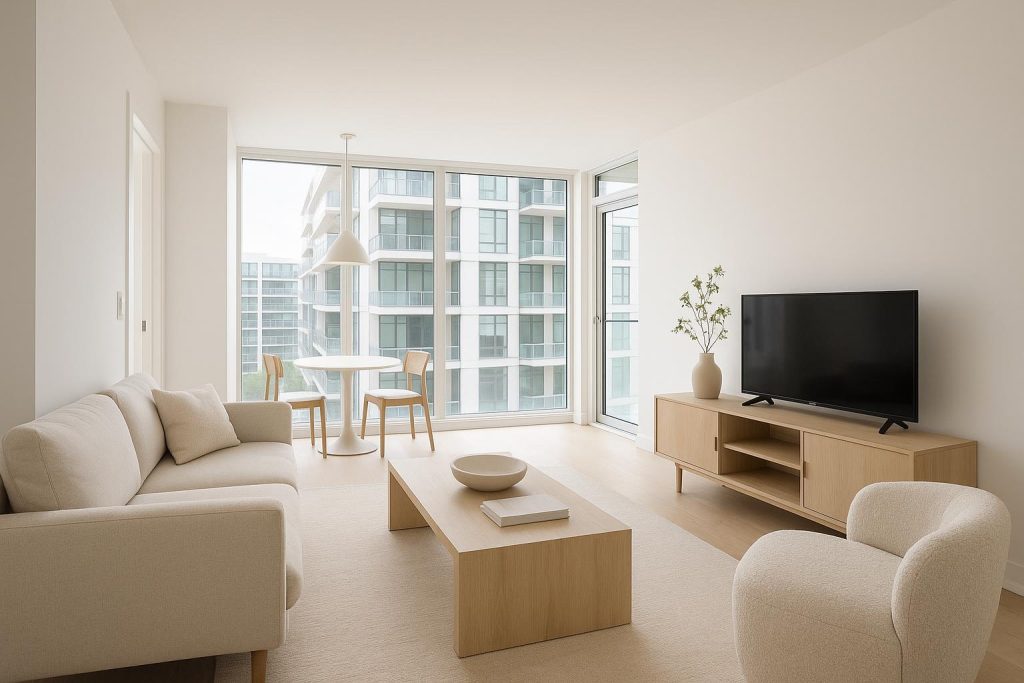
Your Guide to Finding the Right Condo
Condos have become an increasingly popular housing option in many urban areas. They blend the convenience of apartment living with the pride of property ownership. Whether you are a first-time homebuyer, a busy professional seeking an easier commute, or someone looking to downsize, the right condo can bring you both comfort and long-term value. Yet, the condo market can feel overwhelming if you are not sure where to begin. In this comprehensive guide, we will walk you through the key factors to consider as you look for the perfect condo—from location and architectural design to property management and sustainability features. Along the way, we will also touch on tips for evaluating amenities, building culture, and the importance of planning for the future so you feel confident in your final decision.
1. Location and Neighborhood Value
Location stands at the top of almost every house-hunter’s wish list, and for good reason. The right neighborhood makes a huge difference in your daily life. It influences how much time you spend commuting, the amenities within walking distance, and the sense of community that surrounds you. When looking for a condo, it helps to assess the local infrastructure and access to public transportation. You may want to live close to grocery stores, cafes, green spaces, and gyms. If you do not own a vehicle, convenient public transit routes or bike-friendly roads can add to your quality of life.
Some neighborhoods are already well-established, while others are up-and-coming districts where you can find more affordable openings. These fledgling spots often hold great potential for property appreciation over time, making them especially interesting if you care about value. For even more tips about the financial side of condo ownership, take a look at our resource on How to identify undervalued condos?. This can help you spot condo opportunities that might not look obvious at first glance.
2. Assessing the Surroundings
One aspect of a condo’s location is the broader neighborhood’s character. Spend time exploring the streets near your prospective building. Do they feel lively and walkable? Are there parks, libraries, or local festivals that bring people together? A condo is more than just the square footage inside your unit; it is also your extended community. Talk with local residents if possible. They often have insight into what makes the area special or what might be missing. A blend of commerce, dining, and entertainment can offer convenience, while also boosting the overall appeal of the neighborhood for resale or rental potential.
You may also want to think about the future. Urban areas frequently evolve. Infrastructure investments or new community developments might upgrade the neighborhood over time. If you are interested in where the best views or scenic backdrops might be, check out our guide on Where are the best views of Vancouver? if you happen to be searching in that region. Even if you are not in Vancouver, learning about how to judge views can be helpful in understanding the potential beauty a condo could offer.
3. Building Design and Amenities
The design of a condo building can greatly enhance the experience of living there. Some buildings embrace a modern architectural style, with sleek fixtures and bold lines. Others highlight classic design elements or pay homage to local heritage, blending seamlessly with the neighborhood’s existing look. Whichever style you prefer, consider how the design affects daily living. Is there an emphasis on natural light? Are common spaces, like lobbies or lounges, thoughtfully planned or just afterthoughts?
Beyond aesthetics, amenities can influence how you feel about your condo. Look for developments that provide practical niceties such as secure bike storage, well-equipped fitness areas, or shared gathering spaces. These features encourage a sense of community and can boost your quality of life. If you are someone who loves to exercise but hates the commute, having a well-maintained fitness center just steps from your unit can be convenient. Depending on the property, you might also see coworking spaces, rooftop terraces, or multi-purpose lounges that can be used for social events. If you want more ideas on transforming your space, see our tips on How to make a condo look high end?. Simple adjustments to your décor can go a long way toward improving your everyday environment.
4. A Commitment to Sustainability
As more people embrace greener lifestyles, developers have started to integrate sustainability features into condo designs. This might include energy-efficient lighting, advanced insulation, and water-saving fixtures. Some buildings now feature green roofs or electric vehicle charging stations to reduce their ecological footprint. Bike-friendly amenities, recycling options, and layouts that maximize natural ventilation are some ways developers can show their commitment to responsible development.
When you see these thoughtful additions, it indicates that the building is designed for people, not just for profit. Over time, eco-friendly features can also reduce utility costs. In addition, some new or redeveloping neighborhoods emphasize local partnerships, such as community gardens or waste-reduction programs, that further promote a sense of connectedness. For more information about taking an eco-conscious approach to your living space, check out How to make your apartment more eco-friendly?. The article shares ideas you can adopt in your condo, from energy-saving tips to support for local green initiatives.
Some buyers wonder if the presence of advanced or eco-friendly materials might lead to higher costs, but that is not always the case. In many instances, these features can bring long-term savings on energy and maintenance. If environmental responsibility fits your values, paying attention to a property’s green credentials can guide you to a better-quality building.
5. Property Management and Quality of Service
When you live in a condo, you join a community bound by shared spaces and responsibilities. This makes property management an essential component of your buying decision. A trustworthy condo management team will ensure that maintenance tasks, repairs, and even the condo association matters are handled efficiently. Well-managed properties often have clear protocols for everything from scheduling elevator maintenance to addressing safety concerns, so owners do not need to worry about overlooking crucial upkeep.
To gain insight, ask potential neighbors about their experiences with the condo association or strata council. You can also evaluate meeting minutes or annual reports to see how consistently issues are resolved. If you prefer a calm and well-run space, this step is indispensable. By choosing a development that prioritizes property management, you safeguard your investment’s value over time.
6. Culture, Community, and the Social Element
Beyond the bricks and mortar, a condo also represents a micro-community. That sense of belonging can profoundly affect your happiness. Ask yourself what kind of social environment you want. Do you like meeting neighbors in common areas, hosting small events, or collaborating on building projects? Are you seeking a quiet, laid-back environment where everyone values privacy? Identifying your social preferences helps you pick a condo whose culture suits you. To get a feel for the building’s vibe, attend open houses, talk to current residents, or participate in neighborhood gatherings if possible.
Condo communities vary in how they organize social or educational activities. Some have committees that host seasonal gatherings, charities, or communal projects. Others might have few organized events but still foster a welcoming environment. If you thrive on connection, prioritizing a condo building with an active, friendly culture will help you settle in more quickly. Of course, if you prefer a low-key space, look for communities that respect privacy and quiet hours.
7. Budgeting for Fees and Hidden Costs
Financial considerations are key when narrowing down your condo options. Many condos charge monthly maintenance or strata fees to cover shared expenses like landscaping, security, and repairs. Keep in mind that luxury amenities—even if you do not use them—could drive up those fees. If your budget is tight, you might want to avoid buildings with extensive facilities that are costly to maintain. Reviewing the condo’s financial statements and annual budget can offer clues about how fees might change in the future.
A crucial piece of the puzzle involves looking closely at the condo’s reserve fund. This money is set aside for major repairs or capital improvements, such as replacing the roof or upgrading the heating system. A well-funded reserve is a good sign that lower unforeseen costs will arise for unit owners. In contrast, an underfunded reserve could lead to sudden and hefty special assessments. If you want additional guidance on crucial questions to ask before finalizing your purchase, you might also appreciate our resource on What to consider before buying a condo?. It goes deeper into financial evaluations and risk assessments you should keep in mind.
8. Resale Value and Future Potential
While you might be focused on finding a home that suits your current lifestyle, it is wise to look ahead. Even if you envision living in this condo for many years, life circumstances can change. Some condos retain their value more effectively than others, especially in areas with planned redevelopment or strong economic growth. If the building is in a popular or well-connected neighborhood (often described as inclusive, well-connected, or high in livability), there is a higher likelihood your investment will hold or increase its worth over time.
In addition to the location, the condo’s age, design, and upkeep can significantly affect resale value. Newer developments that are responsibly built have the advantage of modern codes, energy-efficient systems, and contemporary design. Older units might require more maintenance but can be situated in prime, established areas. Balancing these elements—location, building quality, and management—helps you choose a condo that fits your lifestyle now and has room to evolve along with you.
9. Timing and Market Insights
Another part of finding the perfect condo is getting a handle on market conditions and timing. In some areas, condos are in such high demand that listings sell quickly with multiple bidders involved. In other regions, there might be more inventory than interested buyers, offering an opportunity to negotiate. Staying updated on local trends helps you know if it is a buyer’s or seller’s market, which influences your strategy for making an offer. You might even want to keep an eye out for older listings or units in newly completed developments that have not attracted as many visitors. Sometimes, these can be hidden gems.
If you are curious whether a penthouse-level condo comes with a different set of price or investment implications, you might enjoy reading Are penthouses more expensive than condos?. It explores how top-floor units relate to value and living experience, which may help you decide if a penthouse option appeals to you.
10. Planning for Your Evolving Lifestyle
A condo can serve you best if it adapts to your shifting needs. For instance, if you expect to work from home more, you may want a second bedroom that doubles as office space or a well-lit corner for a desk setup. If you plan to host regular gatherings, it helps to look for open-concept floor plans or common rooms you can reserve.
Beyond your own needs, consider how the building’s environment might shift in the coming years. Some newer projects are specifically marketed to young professionals, while others aim to attract a mix of families, empty nesters, and more. That can shape day-to-day life in ways you will either love or find constraining. Having a building that welcomes residents of different backgrounds can promote a richer sense of community, which often translates to a more vibrant living environment. On the flip side, a more homogeneous condo population can mean quieter living but fewer chances to meet people in a diverse range of life stages.
11. Practical Steps Before Signing
Once you have sifted through your options, it is time to take methodical steps. Ask for a copy of the condo bylaws or rules to make sure they align with your lifestyle. Review the minutes of recent condo meetings to gauge how conflicts are resolved. Investigate the developer’s track record for delivering quality homes on time. You can often spot red flags by researching how satisfied current and former residents are.
Finally, scheduling tours lets you see a variety of building styles and speak directly with on-site representatives. Take notes or photos to compare each unit’s storage solutions, layout flow, or finishing details. If you have any questions about the building’s overall approach or design, do not hesitate to ask. After all, you are choosing a place to call home. If you still feel uncertain, consider reading about What floor is the safest in an apartment? or What are common apartment layout mistakes? for more specific advice on condo-related questions.
12. Exploring Examples of Thoughtful Developments
To deepen your search, it can be helpful to look at actual condo or rental communities that show the principles discussed here. Developments that prioritize purposeful design, high-quality materials, and community-driven amenities often set a benchmark. If you want to see how these factors come together and gather ideas for your own condo dreams, you might explore the offerings on our Projects or Rentals pages. They illustrate how elements like thoughtful landscaping, well-planned shared spaces, and modern amenities can significantly improve the living experience.
Seeing these projects can also show how different neighborhoods create unique lifestyles. Perhaps you value easy transit access or enjoy being near a fresh produce market on weekends. Conduct your search with an open mind and clear priorities to discover what really matters in your day-to-day life. That knowledge will help guide your condo hunt in the right direction.
13. Moving Forward with Confidence
Finding the perfect condo is a journey of self-reflection, research, and a bit of intuition. By focusing on aspects such as location, building design, sustainability, community vibe, and property management, you set yourself up for a more fulfilling living experience. While it is tempting to think of condos as purely investments or stepping stones, they also represent a home. The right condo should complement your lifestyle today while offering potential for tomorrow. Consider your budget, your desired amenities, and your long-term goals when making your decision.
Do not shy away from asking questions, requesting references, or speaking openly with current residents. By gathering solid information, you can avoid impulsive decisions and feel more assured that you are selecting the condo that best suits your future. From start to finish, the condo search process is as much about discovering what you value as it is about comparing square footage or price points. Take your time, do the research, and trust your instincts. When you do, you will find a condo that not only meets your needs but also fosters a sense of true community and belonging.
