

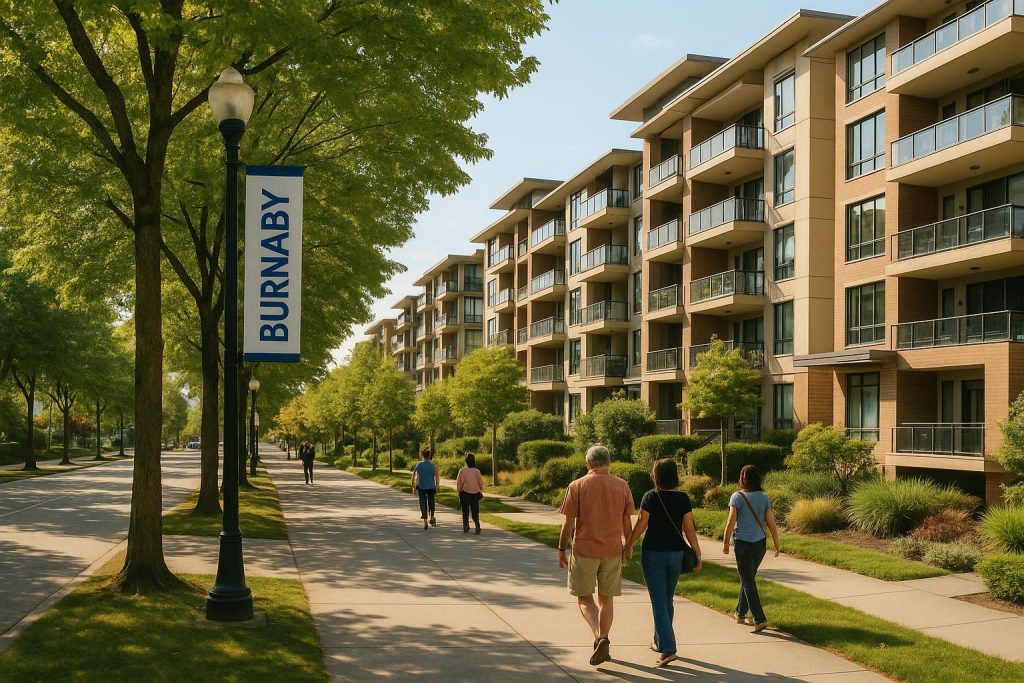
Exploring Burnaby’s Walkability: A Comprehensive Overview
Burnaby is a city with a rich history and a strategic location in the heart of Metro Vancouver. Known for its varied landscapes—ranging from bustling urban centers to tranquil parks—Burnaby has evolved significantly over the years. A key question that often arises from prospective residents, investors, and community stakeholders is whether Burnaby is walkable. In this guide, we’ll examine the factors that define walkability in Burnaby, from its pedestrian-friendly neighborhoods to its robust public transportation infrastructure.
1. Understanding Burnaby’s Urban Layout
Burnaby is geographically diverse, featuring residential zones, commercial corridors, and substantial green space. The city is bordered by Vancouver to the west, New Westminster to the southeast, and Port Moody and Coquitlam to the east. This central positioning in the Lower Mainland means Burnaby is well-connected through a variety of transit routes and thoroughfares, which naturally supports pedestrian circulation. Additionally, many of Burnaby’s major neighborhoods—such as Metrotown, Brentwood, and Edmonds—have undergone careful urban planning that prioritizes community-driven design, inviting layouts, and easy access to essential amenities.
At the same time, Burnaby’s terrain is not uniformly flat. Certain areas feature inclines and hills, which may affect day-to-day walking experiences. Despite that, these topographical features also create opportunities for scenic walking routes, where paths wind through wooded areas or vantage points overlooking the city and mountains. Understanding and appreciating Burnaby’s layout is the first step to realizing how well its neighborhoods can facilitate daily errands or leisurely strolling.
2. The Role of Transit in Walkability
Public transportation plays a pivotal role in supporting a walkable environment. The more convenient the transit options, the more walkable a community feels. Burnaby is served by several SkyTrain stations spanning the Expo and Millennium Lines, providing efficient rail connections between downtown Vancouver and outlying municipalities. In addition, an extensive bus network connects residential streets with major transit hubs. These transit links reduce the need for personal vehicles, allowing residents to walk to and from stations, which fosters a sense of community and independence.
Many people find that living within walking distance of a SkyTrain station or a frequent bus route can transform their daily routines—commutes become simpler, errands more tolerable, and leisure activities less dependent on driving. This synergy between transit and walkability also contributes to a healthier lifestyle and a more environmentally responsible transport model. For those interested in moving to Burnaby or expanding their real estate investments here, proximity to transit can be a major factor in deciding where to live or invest.
3. Neighborhood Amenities and Services
Walkability isn’t just about sidewalks and crosswalks; it’s about having daily resources within an accessible distance. One of Burnaby’s strengths is its abundance of retail, dining, and recreational services located within or near residential clusters. Areas such as Metrotown offer a wide array of shops, grocery stores, and entertainment options reachable on foot. Meanwhile, neighborhoods like Edmonds and the Heights have local markets and small businesses that cultivate a neighborhood feel, encouraging residents to stroll from place to place.
Public amenities such as libraries, community centers, and parks are similarly distributed throughout Burnaby. Most of these amenities are planned with pedestrian access in mind, featuring convenient pathways, traffic-calmed streets, and ample crossing points. This is especially beneficial for individuals who may be new to the city or not reliant on a car. Having easy access to services—like a community center for a swim, or a local café for a quick lunch—supports the perception that Burnaby is a city built for people’s everyday needs.
4. Pedestrian-Friendly Initiatives
Over the years, the City of Burnaby has introduced a range of initiatives to encourage walking. These include maintaining sidewalks, adding bike lanes, and improving lighting where needed. Many streets in Burnaby’s major residential areas are lined with trees to provide shade during the summer, making a walk around the neighborhood more comfortable and enjoyable. The city has also invested in safety measures like well-marked crosswalks, traffic signals at high-traffic intersections, and accessible curb cuts to assist those with mobility challenges.
Beyond infrastructure, there are community-driven efforts such as farmers’ markets and street festivals that promote foot traffic, drawing people out of their vehicles and into the streets to engage with local vendors and organizations. Taken as a whole, these initiatives bolster Burnaby’s profile as a walkable city and demonstrate a clear commitment to ensuring pedestrian needs are met.
5. Walk Scores and Community Feedback
For those seeking a data-driven perspective, walkability can be partially measured through “Walk Score,” a proprietary index that rates neighborhoods worldwide on walkability criteria such as proximity to services, density, and safety. Several of Burnaby’s neighborhoods boast above-average walk scores, reflecting easy access to dining, retail, and public transit. Neighborhoods like the Heights, Metrotown, Brentwood, and Edmonds have particularly strong walkability ratings.
Still, these numbers don’t convey the whole story. Community feedback often adds another layer of depth, reflecting intangible factors like the friendliness of streets, the availability of local events, or a sense of security when out at night. Social media groups, local city forums, and community meetings can be valuable resources if you’re researching which part of Burnaby best fits your walkability needs. By combining quantitative data with local insights, prospective residents can gain a comprehensive understanding of the experience offered by different neighborhoods.
6. Balancing Walkability with Other Transportation Options
While numerous areas in Burnaby are indeed walkable, the city also supports multi-modal commuting. A robust network of biking paths intersects with residential areas, and most buses and SkyTrain stations allow for easy bike storage or onboard transport. This multi-layered approach to mobility is particularly beneficial for individuals whose routines may take them beyond a short walking radius. The synergy of walking, cycling, and taking transit makes it possible to adopt a more car-free or car-light lifestyle.
Many residents and visitors appreciate the freedom to choose how they move from one place to another. This flexibility caters to diverse lifestyles, whether you’re a young professional traveling for work, a family juggling school drop-offs and errands, or an older adult looking for safe, accessible ways to stay active and engaged. Burnaby’s ongoing commitment to alternative transportation projects, such as expanded bike lanes and improved pedestrian crosswalks, strengthens its standing as a mobility-friendly city.
7. Benefits of Living in a Walkable Community
Living in a walkable community like many of those found in Burnaby comes with notable advantages. First and foremost is health: The recommended 10,000 steps per day become far easier to achieve when your grocery store, pharmacy, and favorite coffee shop are a short walk away. This improves cardiovascular health, can help maintain a healthy weight, and generally leads to increased energy levels. Walking also encourages social interaction—by exploring your neighborhood on foot, you’re more likely to chat with neighbors and see familiar faces.
There’s also a clear environmental benefit. Reducing reliance on cars cuts down on both emissions and road congestion. From an economic perspective, you might find yourself spending less on fuel and vehicle maintenance in a highly walkable environment. Lastly, vibrant streets contribute to a sense of place, adding to the cultural fabric of the city by supporting local businesses. In Burnaby, the interplay of stores, eateries, and cultural attractions nestled in centralized areas helps sustain dynamic, people-focused neighborhoods.
8. Tips for Exploring Burnaby on Foot
- Plan Your Routes: Use local maps or online tools to identify the safest or most scenic walking paths. Consider factoring in green spaces, like Central Park or Burnaby Lake, for variety in your routes.
- Leverage Public Transit: If a certain destination is beyond a comfortable walking distance, combine a bus or SkyTrain ride with a brief stroll. This mix of walking and transit keeps you flexible.
- Check Out Community Events: Farmers’ markets, outdoor concerts, and street fairs in Burnaby often block off or repurpose streets for pedestrians, creating prime opportunities for walking tours.
- Stay Mindful of Weather: Burnaby’s coastal climate can be rainy, so invest in a good pair of waterproof footwear and keep an umbrella handy. Even when it’s damp, many people still choose to commute by foot, depending on the area.
By combining some basic planning with the city’s existing infrastructure, you can discover new corners of Burnaby, whether you’re simply picking up groceries close to home or venturing into a different neighborhood for a leisurely day out.
9. Rental Housing in Walkable Areas
With Burnaby’s emergence as a hub for purpose-built rentals, it’s becoming easier to find housing options that place you at the center of pedestrian-friendly hotspots. Purpose-built communities often prioritize walkability by selecting development sites with strong transit access and well-connected sidewalks. For example, if you are seeking a home near local shops, restaurants, and transit routes along Hastings Street, you can explore properties like 4059 Hastings or 4711 Hastings. These options put you right in the midst of established neighborhoods known for their convenience and local charm.
Beyond the immediate benefits of walking to local amenities, purpose-built rentals generally offer professional management and modern design that complement the sense of comfort you get from living in a well-connected neighborhood. Many individuals, from young professionals to downsizers, find that the walkability of a location is a key factor in selecting their next home. By choosing a place that’s close to everyday necessities, you can streamline your lifestyle while also letting go of some car-related hassles, such as parking or traffic stress.
10. Embracing a Walkable Future in Burnaby
Burnaby’s continued growth includes expansions in public transportation, support for community-driven developments, and enhancements to pedestrian infrastructure. These commitments reflect the city’s long-standing recognition that people thrive in environments where walking is both enjoyable and practical. Whether you’re a renter, an investor, or simply curious about the benefits of high-quality urban environments, Burnaby is well worth exploring on foot.
For those interested in learning more about local properties in walkable areas, you can browse our Rentals page. From there, it’s easy to compare neighborhoods and see what potential living spaces resonate best with your lifestyle. Ultimately, walkability is about building stronger communities—places where individuals can interact, shop from local businesses, and fully engage with the urban fabric. Burnaby’s blend of vibrant neighborhoods, reliable transit, and community initiatives offers a great example of how a city can successfully foster a pedestrian-centered way of life.
In summary, Burnaby stands as one of the more walkable cities in Metro Vancouver, thanks to its thoughtful urban planning and extensive transit links. Even with some steeper slopes in certain areas, the city’s investment in sidewalks, crosswalks, and mixed-use developments ensures that walking remains a convenient and healthy choice. If you place high value on a lifestyle centered around easy daily access to amenities without excessive driving, you’ll likely discover that Burnaby fits the bill—helping you connect with the community, support local businesses, and enjoy a balanced, sustainable way of living.
