

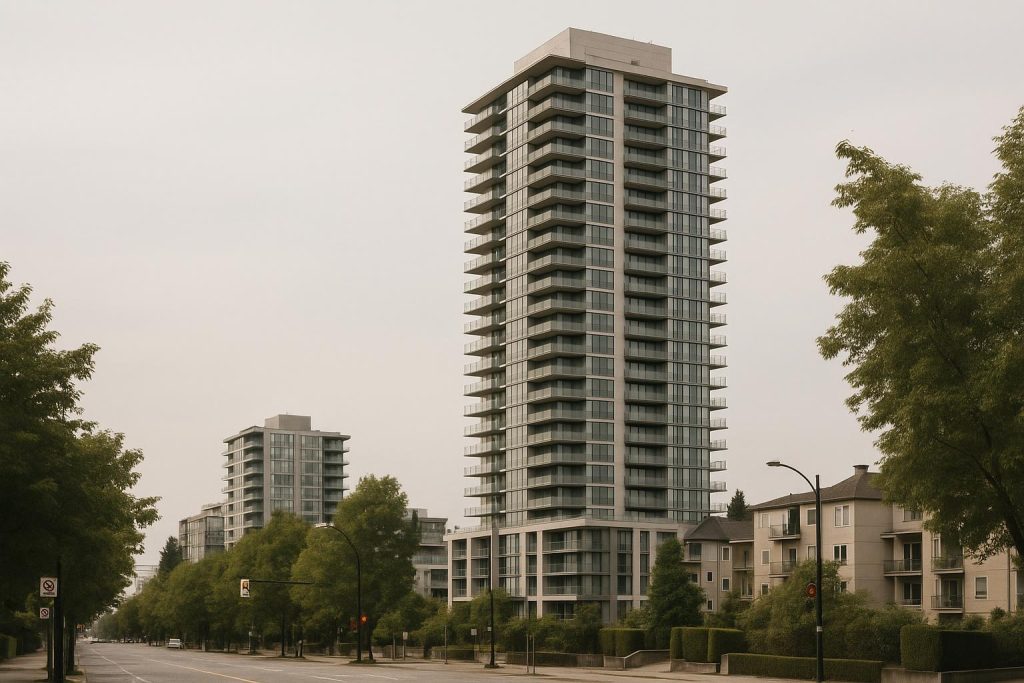
Evaluating the Vancouver Condo Market: Is Now the Right Time to Invest?
Vancouver’s condo market has long been a focal point of conversation in British Columbia’s real estate scene. Whether you’re a first-time buyer eyeing your initial property or a seasoned investor seeking to expand your portfolio, the question often arises: Is it a good time to buy a condo in Vancouver? The answer depends on market conditions, future objectives, and personal circumstances. Below, we explore the key considerations that can help you decide if now is the right moment to purchase a condo in this city.
Understanding Vancouver’s Real Estate Landscape
Vancouver’s real estate market is known for both its high demand and its dynamic nature. Over time, property values have generally trended upward, supported by a strong local economy, steady immigration, and a constant desire to live near the region’s natural beauty and amenities. However, following these broad patterns is only one part of the puzzle. Timing your purchase in Vancouver requires more granular scrutiny:
- Market Activity: Analyze current sales activity, listings, and price fluctuations. A balanced market—where supply roughly meets demand—can offer more negotiating power, while a seller’s market typically features steeper prices and bidding wars.
- Interest Rates: Mortgage interest rates directly affect monthly payments, which can substantially influence affordability. Keep an eye on federal or provincial policy changes that could shift lending costs.
- New Development Trends: Vancouver continues to see new condo projects, reflecting a drive to accommodate various lifestyles and budgets. Projects that incorporate purposeful design and community benefits may hold their value more reliably.
Supply and Demand Factors
High demand for housing in Metro Vancouver has often led to limited inventory, especially in prime central areas. That said, new developments have emerged across different neighborhoods, adding more condo variety. Areas near transit hubs, workplaces, and popular amenities remain consistently sought-after, keeping their property values resilient.
On the supply side, zoning regulations, development timelines, and land availability all impact how many units come to market. If supply remains constrained, purchasing sooner rather than later can be beneficial. However, should a larger number of new units become available, buyers may see more opportunities to negotiate prices or upgrades. Carefully monitoring both local planning initiatives and upcoming developments can offer insights into future availability.
Financial Considerations and Mortgage Rates
No matter the state of the market, personal readiness is vital. If you plan to use a mortgage, consider the following:
- Down Payment Requirements: A higher down payment can lower monthly costs. One popular rule of thumb is to maintain enough cash flow to handle not only the mortgage but also property taxes and condo fees.
- Rate Lock Policies: Some lenders let you lock in an interest rate for a particular period. This can insulate your payments from rising lending rates.
- Contingency Plans: A job change or family circumstance may shift your financial position. Budget for unforeseen events to avoid selling prematurely.
While interest rates have fluctuated in recent years, professionals often stress that overextending financially is a bigger concern than timing the market perfectly. Buying under stable personal conditions usually minimizes risk.
Long-Term Value vs. Short-Term Fluctuations
Condo prices in Vancouver typically follow broader trends in the real estate cycle, which can include short-term dips and spikes. If you intend to live in or hold the property for a longer period, short-term volatility might affect you less. Over the span of several years, property in Greater Vancouver has tended to appreciate. Factors contributing to this include:
- Population Growth: Continuous immigration to Vancouver boosts long-term housing demand.
- Limited Developable Land: Geography constrains expansion, often leading to higher land and home prices.
- Strong Economic Foundations: Vancouver’s key industries—technology, tourism, trade, and film—create steady job growth.
Key Neighborhood Characteristics
In evaluating whether to buy a condo now, your neighborhood selection is just as important as market trends. Vancouver offers diverse atmospheres, from downtown’s high-density urban vibe to quieter areas along the city’s borders. Look for:
- Proximity to Transit: Vancouver’s emphasis on walkability and public transportation can add long-term desirability. Condos close to SkyTrain stations or major bus routes may attract more interest.
- Local Amenities: Consider grocery stores, community centers, parks, and restaurants. Units that offer easy access to daily conveniences often see greater value retention.
- Future Developments: Upcoming municipal initiatives like new parks or transit expansions can boost property values over time.
When assessing a specific building, research the strata’s financial health, maintenance history, and overall governance. Well-managed condo communities can help preserve or enhance your unit’s worth. Meanwhile, frequent special assessments might signal bigger issues within the building, which can affect unit prices.
Alternatives to Buying
In some cases, renting may be the more practical choice, depending on your lifestyle, financial flexibility, or job security. Shorter-term residents who aren’t ready to settle into one place or simply prefer a more flexible living arrangement can explore purpose-built rental accommodations. Purpose-built rentals are planned from the outset to serve as high-quality, professionally managed homes, often maintained more consistently because they are constructed specifically for long-term leasing.
If you’re still weighing the costs, you might compare the monthly mortgage payment to the rent for a condo in the same area. While homeownership can build equity, renting can sometimes offer more breathing room for those between major life stages or who might relocate soon. If you’d like to learn more about purpose-built rental communities, consider reviewing options offered by local developers that are deeply established in the region.
Staying Aligned with Community
Vancouver’s neighborhoods continue to evolve. New residents often bring vibrancy to existing communities, creating a blend of diverse cultures and local businesses. Choosing a place that aligns with your values—be it sustainability, innovation, or accessibility—can make your new home more fulfilling in the long term.
Local developers who prioritize responsible growth focus on blending each project seamlessly into its surroundings. This approach accounts for how buildings can benefit the broader cityscape, from supporting small businesses to maintaining neighborhood character. Over time, well-integrated condo developments tend to sustain stronger resale values, thanks to the sense of belonging and enduring appeal that they foster.
Practical Tips for Making the Decision
While timing the market is always tricky, the following steps can help you make the best decision for your individual goals:
- Create a Long-Term Plan: Map out where you see yourself in five to ten years. If Vancouver is part of your plan, buying can be advantageous for building equity, provided you’re financially prepared.
- Review Your Financial Health: Ensure consistent income, a stable employment situation, and a solid credit score if you plan to secure a mortgage.
- Consult Experts: Consider hiring a local real estate agent, mortgage broker, and possibly a financial advisor who is familiar with Vancouver’s market. They can give targeted advice about specific neighborhoods and opportunities.
- Conduct Thorough Inspections: Enlist certified home inspectors to evaluate the unit and building structure. This will help you avoid hidden maintenance worries.
- Compare the Cost of Renting vs. Buying: Use an affordability calculator or spreadsheet to account for monthly condo fees, property taxes, utilities, and potential mortgage payments.
Looking at Integrated Developments
If you’re exploring new developments, pay attention to features that enhance livability and community cohesion. Projects that include practical amenities—like green communal spaces or thoughtfully designed resident facilities—often stand out to buyers. The presence of commercial or retail spaces in mixed-use buildings also creates convenient daily living, improving walkability and providing growth potential for the surrounding neighborhood.
For examples of projects that prioritize quality design and community engagement, you can explore our Projects. Assessing different layouts, construction quality, and developer track records can guide you toward a purchase that will fit your lifestyle as well as potential future needs.
Positioning Yourself for Success
Ultimately, the best time to buy a Vancouver condo is when you are ready and able to do so responsibly. While understanding market cycles is important, your personal priorities matter even more. Striking a balance between what the data says and what your life circumstances allow will give you the clarity to move forward—or hold off—without regret.
By staying informed of changes in mortgage interest rates, monitoring supply and demand trends, and focusing on a targeted neighborhood that suits your long-term ambitions, you can feel more confident about your decision. Property in Vancouver has historically been a noteworthy investment, but every prospective buyer has unique needs. Taking the time to align your goals, finances, and sense of place is all part of ensuring your new condo feels like a truly worthwhile endeavor.
If you have additional questions about condo development or want to learn more about other housing opportunities, feel free to get in touch. Seeking insights from professionals who understand Vancouver’s unique dynamics can help you navigate this significant step with composure and confidence.
