

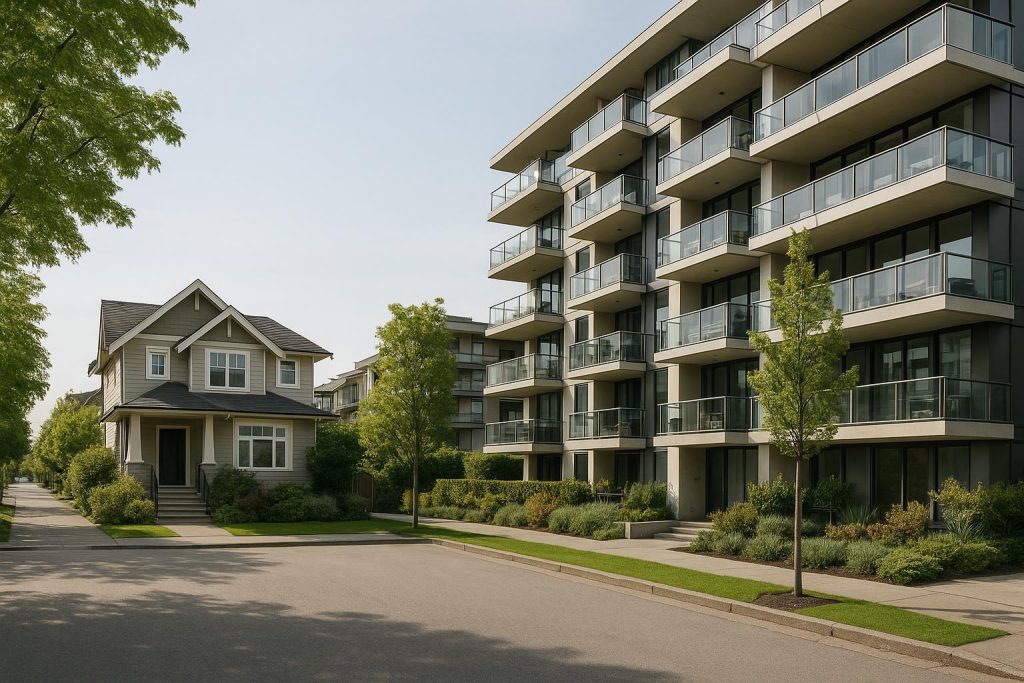
Exploring Condo vs. Single-Family Home Investments in Vancouver
For individuals looking to invest in Vancouver’s real estate market, one of the first decisions is whether to purchase a condo or a single-family home. Each property type has its own benefits, potential returns, and considerations, especially in a region as unique and dynamic as Metro Vancouver. From price points and appreciation potential to maintenance responsibilities and community aspects, there’s a lot to unpack when weighing your options. Below, we outline key factors to consider, discuss potential advantages of each investment type, and offer insights to help guide your decision in a measured, informed way.
1. Understanding Demand in Vancouver’s Real Estate Landscape
Vancouver’s urban environment is known for its cultural diversity, consistently high demand for housing, and geographical constraints that keep land limited. As a result, both condos and single-family homes often retain strong value in the long run. Here are a few reasons the market is so competitive:
- Geographic Constraints: Mountainous terrain, bodies of water, and protected lands limit how far and wide the city can expand, which means a finite housing supply.
- International Appeal: Vancouver’s reputation for livability, walkability, and natural beauty has made it a popular market for both local residents and global investors.
- Urban Intensification: Vancouver is actively expanding high-density developments such as condos and apartment complexes to accommodate population growth and meet long-term housing needs.
Because of these factors, the type of property you pick—condo or single-family—can significantly shape your investment outcomes. Let’s delve into each property type more deeply.
2. Condos: Key Advantages and Considerations
Condos are a popular choice for many buyers who value lower maintenance responsibilities, urban amenities, and closer proximity to transit corridors or city centers. They offer certain perks that make them especially suitable for first-time investors or those who do not want to commit to more substantial property management duties. Here are some specific points to consider when evaluating an investment in a condo:
- Price Accessibility: In many Vancouver neighborhoods, condos often have a lower purchase price than single-family homes. This can make them more accessible to a wider pool of investors, offering a viable entry point into the city’s real estate market.
- Lower Maintenance Responsibilities: Condos typically involve shared maintenance costs through strata fees, reducing the burden of exterior repairs, landscaping, and other upkeep. This can be an advantage if you prefer less hands-on property management.
- Amenities and Security: Amenities in condo buildings might include gyms, common patios, shared lounges, or concierge service, which can attract prospective tenants and enhance the living experience. Security features, such as controlled access, also appeal to some renters.
- Location and Lifestyle: Many condos in Vancouver are situated in lively, well-connected neighborhoods. Their proximity to transit lines, stores, and restaurants can lead to stronger ongoing demand. For renters looking for convenience and shorter commutes, condos are often an ideal choice.
- Strata Regulations: On the flip side, condo ownership comes with adherence to strata bylaws (e.g., regulations on renting out the unit, modifications, or noise standards). While this fosters a sense of consistency, it’s critical to review the strata documents before committing to any purchase.
- Monthly Strata Fees: The costs for building maintenance, landscaping, or amenity upkeep are often passed on to owners. Keep in mind that these fees can increase over time if major upgrades or capital expenditures are required. Checking strata documents for reserve funds and special assessments becomes essential in assessing your long-term cost obligations.
In short, condos can be an excellent choice for investors who value steady tenant demand, lower price points, and less day-to-day property management. For many prospective buyers, especially those looking to scale a real estate portfolio, this can be a more accessible point of entry into Vancouver’s market.
3. Single-Family Homes: Key Advantages and Considerations
Single-family homes in Vancouver carry their own list of features and responsibilities. Although these properties are frequently more expensive to purchase, they often provide a level of independence and flexibility that condos might not. Potential investors looking at detached homes or lower-density areas can explore the following factors:
- Land Value and Appreciation: In many cases, single-family homes in Vancouver benefit from significant land appreciation over time due to the city’s scarcity of land. The underlying value of a home is largely tied to its lot, which can yield compelling returns if held for the long term.
- Greater Control Over Property: Unlike condos, where strata councils have a say in certain renovations or bylaws, owners of single-family homes can make decisions about improvements, expansions, or landscaping without consulting a larger decision-making body. This flexibility can be a valuable advantage if you plan to make enhancements that could increase ROI.
- Privacy and Space: Single-family residences tend to attract families and those seeking more room. If you’re interested in renting out a property, you may be able to command higher rent for a home that offers multiple bedrooms, a backyard, and a more private living environment.
- Higher Maintenance and Costs: Owning a single-family home also brings more responsibilities. You’re not just covering the mortgage—you have ongoing obligations like roof repairs, landscaping, any needed renovations, and all other upkeep without the benefit of shared strata fees. This can be time-consuming if you’re not prepared or if you plan to self-manage.
- Larger Upfront Investment: Because single-family homes usually come with a higher purchase price, the financing requirements may be steeper, along with higher property taxes. This larger capital outlay might limit your liquidity for other opportunities or restrict the number of properties you can hold simultaneously.
Single-family homes are many investors’ image of a traditional real estate investment. They’re often favored by people who think about multi-generational living potential, privacy, and an exit strategy that hinges on robust land value. However, the initial investment can be substantial, and ongoing maintenance can be a hurdle if you prefer a low-touch approach.
4. Rental Demand and Potential Cash Flow
Vancouver has robust and persistent rental demand that can make either condos or single-family homes valuable assets. Still, key differences may influence your cash flow:
- Condo Rental Rates vs. Single-Family Rates: Condos typically attract urban professionals, couples, or students seeking modern amenities and proximity to city amenities. While condos can achieve competitive rents, the net cash flow must account for monthly maintenance fees.
- Family-Oriented Rentals: Single-family homes often appeal to families and tenants who value extra rooms and outdoor space. This can sometimes lead to stable, long-term tenancies, but also higher maintenance costs.
- Ease of Renting: Because of population density, condos near downtown Vancouver or major transit hubs can see quick turnover and high demand. However, well-located single-family homes in desirable school districts can also be in high demand, and typically fetch more in monthly rent.
- Scalability: If you’re aiming to scale your investment portfolio, you might find it easier to manage multiple condos (in terms of tenant turnover and maintenance) than multiple single-family properties. Some investors prefer to diversify across multiple condos to spread out potential risks.
Whether you choose a condo or a single-family home, be sure to research local rental regulations, average rent levels in the neighborhood, and any city-specific policies that affect rental properties (such as licensing or permitting). With Vancouver’s ongoing housing demand, both property types feature real potential to attract reliable long-term tenants.
5. Financing and Investment Strategy
One of the most pivotal factors is understanding your overall investment strategy and how financing structures align with your goals. Take into account the following:
- Down Payments and Mortgage Qualifying: Single-family homes typically require a larger down payment and a more sizeable mortgage. Condos may be more affordable, enabling you to enter the market with less capital. Consult with a mortgage professional to assess what your monthly carrying costs will look like in each scenario.
- Leveraging Appreciation: If you foresee rapid land appreciation or want the possibility of subdividing or redeveloping a larger lot in the future, a single-family home might be more appealing. A condo, however, can still show strong appreciation, especially in prime Vancouver neighborhoods where demand continues to soar.
- Short-Term vs. Long-Term Focus: Different property types align with different time horizons. You may see a condo as a shorter-term hold if you anticipate flipping it in a hot market or using it as a stepping stone. Single-family homes, on the other hand, sometimes favor a longer timeline given the potential for bigger swings in value and higher initial costs.
Ultimately, speak with qualified professionals—such as real estate agents, financial advisors, and property managers—to identify how each property type would integrate into your broader investment strategy. Assess your cash flow expectations, tolerance for maintenance tasks, and eagerness to actively manage tenants or renovations.
6. Community and Lifestyle Considerations
If you’re buying an investment property that you plan to eventually occupy yourself, the question of condo vs. single-family home can also come down to lifestyle. Do you seek the energy and walkability that many Vancouver condo communities offer? Or do you prefer the quieter environment and detached living space of a single-family home? A few lifestyle-oriented questions include:
- Proximity to Amenities: Downtown or central locations typically feature more condo developments. This can translate to walkability and quick commutes.
- Neighborhood Aesthetics: Single-family neighborhoods might include tree-lined streets and yards that hold strong curb appeal for some people.
- Community Engagement: Condo living often involves shared communal spaces. Single-family neighborhoods can create more personal autonomy but sometimes less daily engagement with neighbors.
Potential renters also consider these factors, so keep your target tenant profile in mind as you weigh location, building type, and the community atmosphere.
7. Making an Informed Decision
Investing in real estate is never one-size-fits-all. The ideal choice depends on your finances, investment strategy, and preference regarding hands-on management. Vancouver’s strong housing demand, coupled with limited supply, positions both condos and single-family homes to remain attractive. However, each type brings its own set of responsibilities and potential rewards. If you’re unsure where you stand, consider these final guidelines:
- Evaluate Long-Term Plans: Are you primarily interested in rental income, or are you looking for future development opportunities? Identifying your timeline helps shine a light on which type of property may produce better results.
- Consider Holding Costs: Factor in mortgage payments, insurance, property taxes, strata or maintenance expenses, and potential vacancy periods.
- Research Neighborhood Trends: Certain areas are experiencing rapid condo developments, while others are known for stable family-friendly communities. Vancouver is diverse, so region-specific insights can be invaluable in predicting future appreciation and rental demand.
- Consult Professionals: Professional advice from mortgage brokers and real estate consultants can clarify your capacity for down payments and highlight potential pitfalls in each approach.
In the end, there is no one “better” option for every investor. Some prefer the relative simplicity of condo ownership, while others see the long-term upsides in single-family housing. Both can be promising, provided you carefully weigh the upfront costs and long-range benefits. The most important step is to remain strategic, patient, and thorough in your research, so your choice resonates with your financial goals, desired level of involvement, and vision for the future.
8. Exploring Additional Vancouver Real Estate Opportunities
If you’re interested in expanding your investment portfolio or simply learning more about new developments underway, you can take time to explore projects that align with your long-term vision. There are always new developments and rental communities shaping the local real estate scene, each designed to meet a range of investing and lifestyle needs. Taking time to research what’s under construction or newly completed can provide clues about which neighborhood might become the next hot spot for either condo or single-family opportunities.
Final Thoughts
Choosing between a condo and a single-family home in Vancouver is a significant decision, requiring you to weigh everything from budget and management preferences to appreciation potential and personal lifestyle goals. In a region renowned for its housing demand, either type can be a valuable asset. Analyze the specifics—maintenance, rental demand, timing, and financial feasibility—to ensure you pick the option that aligns with your unique circumstances. Whether you prefer the shared amenities and convenience of a condo or envision the autonomy and long-term growth of a single-family home, a thoughtful approach can make all the difference in your Vancouver real estate journey.
