

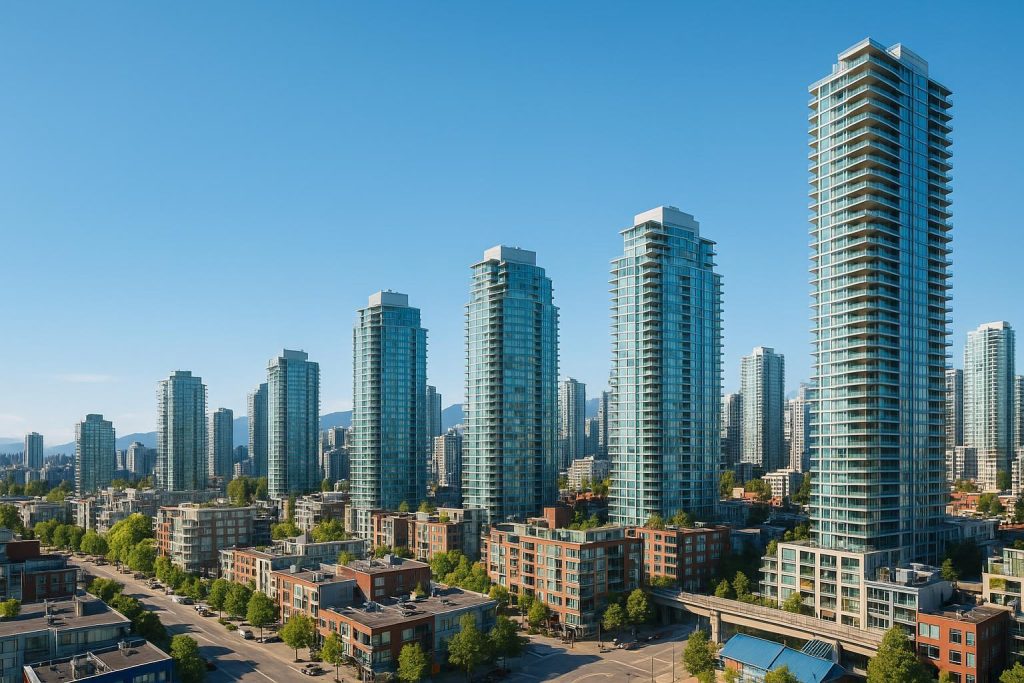
Understanding the Vancouver Condo Market
Many individuals considering real estate ownership in British Columbia wonder whether it is the right time to buy a condo in Vancouver. The city’s housing market attracts attention worldwide, fueled by Vancouver’s exceptional natural beauty, diverse cultural makeup, and robust economy. Yet, as with any urban real estate market, timing a purchase often comes down to personal factors, market indicators, and long-term objectives. In this guide, we will delve into the intricacies of Vancouver’s condo scene, exploring what drives price trends, how to determine if it suits your goals, and what things to consider before purchasing a condo in this vibrant and ever-evolving metropolis.
1. The Appeal of Vancouver Condos
Vancouver’s condo market has grown substantially over the last couple of decades, largely in response to limited land supply, high demand for urban living, and a desire for modern, easily maintained homes. Condo living appeals to a wide range of people, from young professionals seeking convenient access to transit and nightlife to empty nesters looking for a downsized yet thoughtfully designed space. Vancouver’s condos often offer:
- Urban Convenience: Proximity to restaurants, shops, and cultural amenities.
- Transit Access: Many developments are located near bus routes, SkyTrain stations, or walkable corridors.
- Modern Design: Many condo buildings are known for sleek architecture, forward-thinking amenities, and purposeful design features.
- Long-Term Value: The city’s overall growth tends to uphold property demand, although markets can fluctuate.
These advantages, paired with Vancouver’s scenic beauty and global reputation, consistently attract buyers looking for a secure, well-connected home in one of Canada’s most dynamic cities.
2. Factors Influencing the Market
Before committing to a condo purchase in Vancouver, it is essential to examine the core factors shaping local market conditions:
- Supply and Demand Dynamics: Vancouver’s geography and the limited developable land often lead to tight supply in the face of strong demand. New condo projects appear, but zoning policies, municipal guidelines, and building times can restrict how fast these properties come to market.
- Mortgage Policies and Interest Rates: Changing federal lending regulations, plus periodic adjustments in interest rates, can notably affect what prospective buyers can afford. Keeping an eye on both current mortgage rates and government policies will help you gauge how accessible condo ownership is.
- Local Economy: Vancouver hosts a diverse economy powered by technology, film production, tourism, and more. This diverse economic foundation can lend resilience to real estate demand, though broader market surges or recessions can still impact housing prices.
- Investor and Rental Demand: Owing to the city’s high proportion of renters, some condos become lucrative rental investments. Where rental vacancy rates remain low, investors often see stable returns.
- Neighbourhood Trends: Not all areas are created equal. Certain neighborhoods have historically strong appreciation rates, while up-and-coming districts may present great opportunities for early buyers looking to capture future value.
3. Weighing Your Financial Readiness
The decision to purchase a condo is not purely about guessing market timing—it should align with your personal finances and lifestyle. Before you move forward, consider the following:
- Down Payment and Mortgage Pre-Approval: Ensure you meet the lending criteria and have clarity on how much you can borrow. Because Vancouver real estate can be pricey, knowing your exact budget is critical.
- Monthly Costs: Condos bring along recurring fees, such as strata costs, property taxes, and maintenance. Carefully review those obligations in relation to your income.
- Future Plans: If you intend to stay in a condo for multiple years, you may ride out market fluctuations. If your job or lifestyle might prompt a quick relocation, you may wish to consider alternatives, such as renting.
- Cash Flow and Reserves: Owning a condo goes beyond the mortgage. Budget for possible special assessments, repair costs for the building’s common areas, and ongoing maintenance of your personal unit.
Assessing your finances robustly helps ensure that you can handle both the immediate outlay and long-term carrying costs. This practical perspective prevents surprises later and allows you to stretch your investments more confidently over time.
4. Analyzing Market Trends and Timing
Market cycles exist, even in a historically high-demand city like Vancouver. While it can be tempting to wait for a theoretical “perfect time,” no single month or year guarantees a universally optimal purchase window. Instead, weigh the following indicators:
- Price Trends: Evaluate if prices show signs of plateauing, gradually increasing, or decreasing. Look at data spanning several months or quarters, rather than focusing on brief snapshot changes.
- Days on Market: When properties sell more quickly, it can indicate heightened buyer interest. Longer times on market may hint at more negotiating power for buyers.
- Building Quality and Age: In a competitive market, better-constructed condo developments that emphasize longevity, design, and community integration can preserve or increase their resale value.
Ultimately, if you find a condo that truly fits your needs and financial realities, making a well-researched decision might be more beneficial than trying to out-guess the market.
5. Community and Livability
Vancouver prides itself on livability—walkable neighborhoods, ample green spaces, and easy access to the ocean and local mountains. When shopping for a condo, explore the local community:
- Transit Connectivity: Consider proximity to major bus routes or SkyTrain stations—for many buyers, convenient transit is a priority. This also boosts future rental or resale potential.
- Local Amenities: Coffee shops, parks, grocery stores, and health services make a neighborhood comfortable and accessible.
- Long-Term Value: A condo that connects well to daily conveniences may hold its value more consistently, aligning with the city’s push toward responsible development that supports healthy communities.
Being part of a welcoming, well-connected neighborhood can substantially enrich the condo lifestyle beyond the four walls of your unit.
6. Pros and Cons of Condo Purchases
Like any real estate option, there are advantages and disadvantages to purchasing a condo:
- Pros:
- Lower Maintenance: Building management generally handles exterior upkeep, meaning fewer maintenance responsibilities fall on individual owners.
- Amenities: Many modern condo developments may include gyms, landscaped courtyards, or common areas built for socializing.
- Affordability (Relative to Detached Homes): Condos tend to be more affordable than standalone houses in Vancouver, letting more buyers enter the market.
- Cons:
- Monthly Fees: Strata or condo fees are obligatory but help cover building costs and shared spaces.
- Less Control Over Certain Decisions: Condo boards or strata councils can regulate changes to common areas, and owners must abide by set rules.
- Market Vulnerability: Condos, like all real estate, can experience price fluctuations, making it essential to maintain a longer-term outlook.
These considerations underscore the importance of carefully balancing the advantages—like ease of maintenance and high livability—with ongoing responsibilities and collective decision-making.
7. Exploring Alternatives: Renting or Waiting
Not everyone is ready to buy, and Vancouver’s real estate market can cause hesitation for some. Renting can be a valuable option—especially for those who prefer flexibility, need more time to build savings, or simply want to test out different neighborhoods before committing to an area. If you are interested in renting a quality property managed by a professional, feel free to View Available Rentals to see what best suits your needs today. Renting in Vancouver can be a stepping stone that offers insight into long-term real estate decisions.
Waiting is another alternative if you anticipate a shift in financial circumstances, such as a job change or new budget constraints. Assess your long-term vision, and differentiate between short-term market fluctuations and your personal life goals.
8. The Importance of Responsible Development
The conversation around condos in Vancouver involves more than just building size and location. Responsible development ensures that new construction integrates seamlessly with existing communities, respects local character, and offers longevity. When looking for a condo, be sure to research the developer behind your prospective building:
- Track Record: Developers with a history of high-quality work are more likely to deliver well-constructed, community-centered projects.
- Architectural Excellence: Look for thoughtful design that balances aesthetics with everyday functionality, ensuring your condo remains appealing over time.
- Sustainability Features: In Vancouver, environmental stewardship matters. Features such as energy-efficient appliances, responsible water usage, and well-thought-out amenity spaces can be extra draws for buyers and tenants alike.
Opting for a condo built by a professional, community-driven developer can offer reassurance that your potential investment is aligned with your values, adding to peace of mind and longer-term value retention.
9. Balancing Your Investment Goals
While a condo can serve as a personal home, it may also be a critical piece of your investment strategy. Consider whether you intend to hold onto the property for the long run, potentially renting it out in the future. Vancouver’s rental market can bolster property owners when occupancy rates remain healthy and well-managed regulations limit supply. At the same time, your property may appreciate as the city continues to evolve.
By looking at historical patterns, you can form a realistic picture of long-term returns. However, every investment carries risk, and Vancouver’s market can be sensitive to macroeconomic factors, local policy shifts, and buyer sentiment. A balanced approach—one that factors in both upsides and potential downsides—often works best.
10. Navigating the Purchasing Process
To streamline the buying journey:
- Secure Financing Early: Mortgage pre-approval clarifies your budget and can strengthen your negotiating position.
- Research the Building: Read strata documents, learn about building maintenance history, and note any upcoming special assessments.
- Keep a Long-Term Perspective: If you plan to stay put for five or more years, short-term price changes matter less. A longer ownership horizon typically mitigates the ups and downs of the market.
- Engage with Professionals: A trusted realtor or advisor who understands Vancouver neighborhoods and condo developments can bring valuable insights and help you compare properties objectively.
The more knowledge you bring to each step, the more you can move forward with confidence.
11. Considering Your Lifestyle
Every buyer has different priorities. Some crave the buzz of downtown living near restaurants and arts venues. Others favor a quieter, family-friendly environment closer to schools or parks. Vancouver’s diversity means you can choose from multiple neighborhood styles, from bustling city centers to transitional areas with fresh developments. In the end, an ideal condo purchase is one that adapts to your day-to-day life, not just your financial ambitions.
12. Taking the Next Step
Deciding whether now is the right time to buy a condo in Vancouver is intricately tied to your life plans, finances, and interpretation of market factors. For those committed to owning a home and ready to settle in one of Canada’s most sought-after cities, there can be rewarding opportunities, particularly when you combine personal goals with a sturdy financial foundation. On the other hand, it is always wise to contemplate alternatives, such as renting, if they better match your current situation and future plans.
If you are looking to learn more about responsible development approaches, or need guidance on Vancouver real estate, you can always Contact Our Team to ask questions. Whether you choose to buy or prefer to wait, ensuring your decision aligns with your needs and values is crucial. Vancouver’s condo market holds remarkable potential for many buyers, but taking this step requires research, realistic financial analysis, and the willingness to look at the big picture. Whichever path you choose, advancing with clarity and a long-term strategy will help you make the most of life in this iconic coastal city.
