

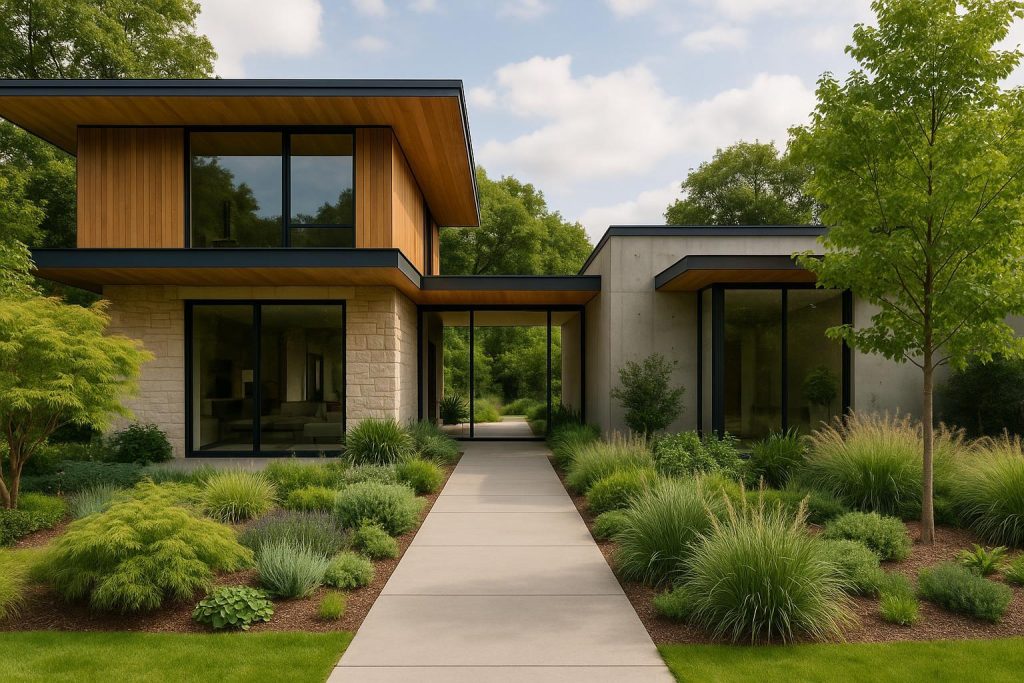
Understanding Sustainability in Exclusive Estate Designs
In today's evolving real estate landscape, sustainability has become an indispensable component of thoughtful development, particularly when it comes to exclusive estate designs. While luxury properties once focused primarily on aesthetic grandeur or technological advances, there is now a growing recognition that true exclusivity also means minimal environmental impact, resource efficiency, and attention to long-term community wellness. This holistic approach goes beyond aesthetics and looks at how design choices affect the surrounding environment and the health of occupants, both now and for decades to come.
The Rise of Sustainability as a Core Priority
Historically, luxury residential projects have been measured by their style, size, or prestige. Over time, however, the conversation around high-end construction has expanded to include stewardship of both local ecosystems and global resources. The term “exclusive estate” no longer implies extravagance alone; instead, it often encompasses energy efficiency, water conservation, responsible sourcing of materials, and community integration. In many modern developments, sustainability is essential to achieving a sense of true exclusivity: a home that is sophisticated but also low-impact, resilient, and forward-thinking.
There are various social and economic factors propelling this shift. Heightened awareness of climate change, a desire to preserve neighbourhood character, and a growing emphasis on long-term value all influence how estates are now designed and built. At the same time, government regulations and community expectations encourage developers to employ smarter building technologies and materials. As individuals demand healthier living environments, the industry must adapt by prioritizing efficient solutions that benefit not just homeowners, but entire communities.
Key Elements of Sustainable Estate Design
Building a sustainable estate involves a network of design elements that work in tandem. Below are several core factors that modern developers often incorporate to ensure an environmentally responsible and people-centric build:
- Energy Efficiency: Estates can reduce their carbon footprint by integrating high-grade insulation, triple-pane windows, and advanced HVAC systems. Efficiency measures also enhance comfort by maintaining more stable indoor temperatures.
- Site-Specific Planning: Responsible developers tailor a building’s orientation, layout, and style to the local environment. This may include using naturally shaded areas, taking advantage of prevailing breezes, or situating the property to harness solar gain.
- Sourcing Eco-Friendly Materials: Utilizing recycled, reclaimed, or locally sourced materials can lessen environmental impact. Builders also pay attention to low-VOC paints and finishes to ensure healthier indoor air quality.
- Water Conservation: Efficient fixtures, irrigation systems, and landscaping tailored to local climate conditions minimize water usage and reduce strain on municipal resources.
- Renewable Energy Integration: Whenever possible, developers integrate renewable energy systems such as rooftop solar panels or geothermal heating. This helps offset operating costs while lowering emissions.
- Ongoing Maintenance and Stewardship: Sustainability doesn’t end once construction is completed. Responsible management, routine checkups, and efficient operations ensure a property remains eco-friendly over its entire lifespan.
Each of these aspects plays a vital role in creating a property that not only meets luxury standards but also lowers its ecological footprint. When executed effectively, homeowners experience a healthier, more comfortable lifestyle, and the larger community benefits from reduced resource consumption and emissions.
Energy Efficiency and Renewable Power
Energy usage is often one of the biggest considerations when planning an exclusive estate. Large homes with extensive amenities can consume significant power if not carefully designed. By integrating renewable energy systems, such as solar photovoltaic panels or geothermal heat pumps, owners can minimize reliance on fossil fuels. Even smaller additions, such as solar water heaters or smart thermostats, can significantly lower a property’s energy demand.
In some cases, developers pursue certifications like LEED (Leadership in Energy and Environmental Design) or other green building standards to confirm their estates meet rigorous energy performance criteria. Achieving such certifications requires attention to detail at every stage, from the building envelope and insulation to lighting systems and mechanical equipment. The resulting spaces not only have a reduced environmental impact but may also qualify for government incentives or cost savings over time.
Moreover, an estate that harnesses renewable energy is often more “future-proof” than one that relies solely on traditional power. As technology evolves, the property can adapt, ensuring generations of residents benefit from stable access to cleaner energy while maintaining a luxurious lifestyle.
Strategic Water Conservation
Water scarcity is a growing concern in many regions, making water-efficient design critical for any forward-thinking estate. Planning must account for bathrooms, kitchens, landscaping, pools, and other facilities. By installing low-flow faucets and dual-flush toilets, residents can significantly curb daily water consumption without sacrificing comfort. Smart irrigation controllers and drought-resistant plant selections help keep outdoor areas lush while reducing waste.
Some developers also implement gray water recycling systems, which capture and reuse water from sinks or showers for non-potable needs like landscaping. Rainwater harvesting is another practice that supports self-sufficiency and resilience in estate settings, especially in climates where rainfall can be stored for drier months. It is this attention to responsible resource management that distinguishes a sustainable estate from one that simply looks impressive.
Choosing Eco-Friendly Building Materials
Material choices can account for a large portion of a building’s overall environmental footprint. Traditional construction often uses new, resource-intensive materials with high levels of embodied carbon. In contrast, sustainable developers look for locally sourced stone or responsibly harvested timber to reduce transportation emissions. Where possible, reclaimed materials from other projects might be integrated to add distinctive charm.
In addition, opting for non-toxic insulation and low-VOC paints, adhesives, and sealants improves indoor air quality. Such choices help limit harmful off-gassing, contributing to a healthier living environment. By investing in high-grade materials designed for long-term performance, developers also minimize the need for frequent repairs or replacements, promoting a sound, resource-efficient structure that lasts for decades.
Minimizing the Environmental Footprint Through Thoughtful Design
Sometimes, sustainability is as much about design as it is about technology. Proper orientation can capitalize on natural light, reducing the need for artificial lighting during the day. Cross-ventilation and well-positioned overhangs help regulate temperature, limiting the need for air conditioning. Incorporating a green roof can add insulation, manage stormwater, and foster biodiversity. Even simple design elements, like using local foliage in landscaping or preserving mature trees on the property, can make a profound difference.
Another essential aspect is the connection between the estate and its surrounding neighbourhood. In community-focused developments, walkability and proximity to public transport encourage more sustainable mobility. Estate design that integrates with local amenities can reduce vehicular reliance, helping to lower long-term emissions. These aspects underscore how a home built on sustainability principles can be beneficial not only for owners but for the wider region.
Long-Term Social and Economic Benefits
Incorporating sustainability into an estate design does more than protect natural resources. It also fosters community goodwill and provides measurable financial advantages. Owners or tenants can enjoy reduced energy bills and lower long-term maintenance expenses. The healthier indoor environments often result in enhanced well-being, which can be a substantial perk for those seeking a luxurious yet mindful way of living.
From a developer's perspective, sustainable features can bolster the property’s market position. In today’s real estate scene, environmentally conscious design can attract buyers or renters who prioritize these values. Over time, this may translate to increased property valuations and stronger investor confidence. When estates are built to be more efficient and environmentally respectful, they typically align well with municipal goals concerning land use, housing supply, or resource conservation. This synergy can expedite approvals, minimize conflicts, and create a positive legacy within the community.
Examples of Real-World Implementation
Several property developers now make sustainability and livability central to their approach. For instance, some firms focus on purpose-built rentals that combine eco-friendly materials, efficient mechanical systems, and design features that reflect the character of the surrounding neighbourhood. By looking at a building’s entire lifecycle — from site selection to the long-term maintenance plan — sustainability is woven into every stage, giving rise to projects that are both high-quality and responsible.
In British Columbia's Lower Mainland, for example, there are developments specifically crafted to enhance the greater region. These accommodations put a priority on local engagement, architectural excellence, and a collective sense of stewardship. They may draw on a network of specialists in planning and construction, ensuring each facet — from local context to tenant experience — is handled with care. If you’re exploring an environmentally conscious community to call home, or simply wish to learn more about how today’s exclusive estates can be more “green,” you can Explore Our Projects for an inside look into how sustainable principles are applied in practice.
Beyond that, it can be enlightening to research available rentals that offer sustainable and community-focused features. For those interested, resources such as View Available Rentals pages may showcase the thoughtful planning and long-lasting value that modern tenants seek in an eco-conscious lifestyle. When sustainability lies at the heart of estate design, it is more than a mere trend — it is a defining characteristic of a home built for the present and future.
Concluding Thoughts
Implementing sustainability in exclusive estate designs is no longer an optional nicety; it is an essential marker of quality, responsibility, and modernity. From energy efficiency to water conservation and luxurious yet low-impact living, intentional development choices benefit homeowners, local communities, and the environment at large. When these elements come together, they deliver a property that stands for far more than visual appeal or market prestige. Instead, such estates align with a vision of building places that nurture people and preserve the planet. Whether you're considering an exclusive new property or simply interested in adopting greener living practices, the shift toward sustainable estates signals a brighter path for everyone.
Sustainable design recognizes that each estate is part of a bigger context — it is a space situated within a neighbourhood and reliant on broader ecological processes. By embracing efficient technologies, durable materials, and carefully considered site planning, developers can craft spaces that embody real exclusivity: a commitment to improving quality of life, both inside and outside the property line. Looking ahead, the demand for such responsible development models only continues to grow, reshaping our collective understanding of what it means to live, work, and thrive in harmony with the environment.
