

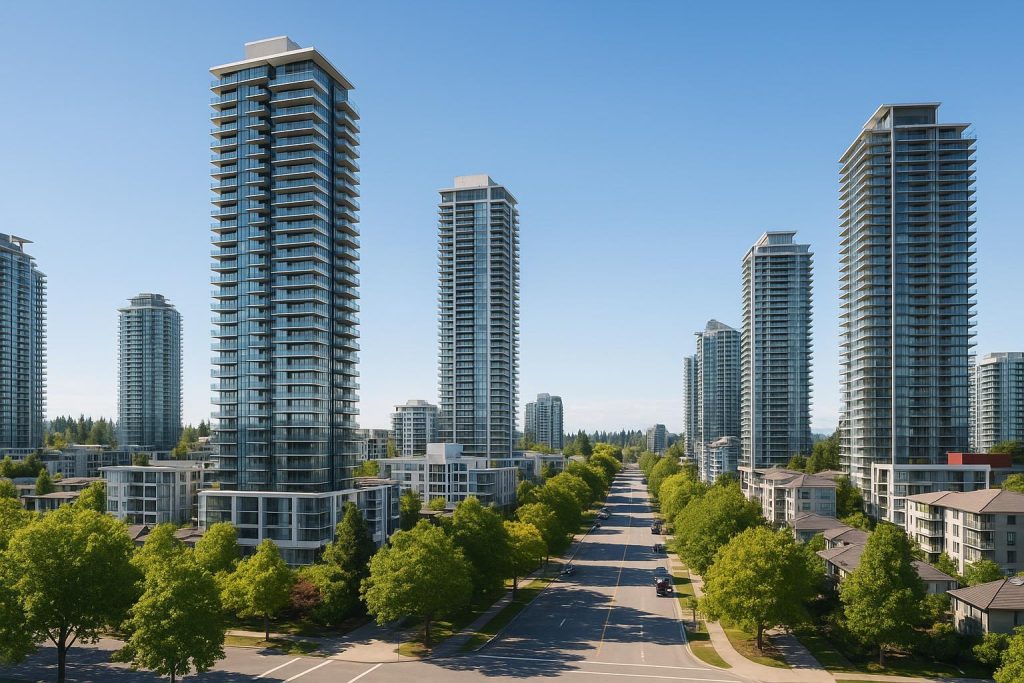
Exploring Investment Opportunities in Burnaby’s Emerging Neighborhoods
Burnaby, a vibrant and fast-growing city in the Metro Vancouver region, has become increasingly attractive to investors seeking long-term stability and steady returns. Opportunities abound in various emerging neighborhoods, each combining transit-friendly infrastructure, well-planned housing developments, and revitalized commercial districts. By taking a closer look at Burnaby’s growth patterns and its focus on mixed-use and transit-oriented expansion, investors can uncover a range of possibilities, from residential rentals to commercial holdings. This guide explores what makes Burnaby’s up-and-coming areas unique, along with practical considerations for those eager to invest.
Why Burnaby Is on the Radar for Real Estate Investors
An important aspect of Burnaby’s appeal is its strategic location in the Metro Vancouver area. With easy access to downtown Vancouver and other commercial hubs, Burnaby benefits from close proximity to major employment centers. In addition to location, Burnaby’s local government has actively encouraged responsible development, prioritizing projects that enhance liveability for residents. This collaborative approach often results in new construction that integrates green spaces, commercial avenues, and convenient public transit options. From an investor standpoint, these positive factors help sustain high demand, whether for rental units, office spaces, or mixed-use developments.
Burnaby’s neighborhoods also exhibit noticeable variety. While some are already bustling districts with established retail and dining, others are starting to transform with the introduction of modern high-rise complexes and revitalized streetscapes. By understanding each neighborhood’s trajectory, investors can make informed decisions on when and where to enter the market. For more specific insights, consider reading our FAQ on what investors should look for when choosing a Burnaby neighborhood. It offers in-depth guidance on how different factors—from local amenities to future city development plans—can influence your investment strategy.
High-Demand Rental Properties in Emerging Districts
One of the most straightforward paths for real estate investors is rental housing. Burnaby’s population growth includes a broad spectrum of people, from young professionals to families and downsizers, all of whom appreciate modern and well-connected living spaces. Designated rental buildings, known as purpose-built rentals, are especially appealing. These residences often feature architectural innovations, energy-efficient systems, and communal amenities that tenants value.
Among the emerging districts, areas near SkyTrain stations command strong rental interest. Easy commutes and a balanced urban lifestyle are significant draws for renters, driving higher occupancy rates and helping maintain consistent rental income. Developments like Edmonds Heights and Collina showcase such opportunities, offering proximity to transit, local cafes, and essential services. Investors often find these developments generate stable returns due to the steady demand from tenants seeking well-connected neighborhoods.
Beyond commuter convenience, many buildings now emphasize sustainable design elements. High-efficiency HVAC systems, environmentally conscious building materials, and modern insulation standards present an added draw. Tenants are increasingly mindful of utility costs and environmental impact, so rentals with green features enjoy broad appeal. Ultimately, by concentrating on high-occupancy potential and modern design, investors can build a robust rental portfolio in Burnaby, especially when focusing on neighborhoods that demonstrate positive long-term growth.
Mixed-Use Developments and Commercial Real Estate
While residential rentals remain popular, commercial real estate in Burnaby’s emerging corridors can also be lucrative. In many up-and-coming neighborhoods, local businesses want access to new customer segments brought in by fresh housing developments. Mixed-use projects that integrate retail, office space, and residential units can offer a diverse tenant mix and multiple revenue streams. From small cafés to professional offices, these spaces draw steady foot traffic, spurred by the rising population around them.
Among Burnaby’s mixed-use corridors, certain hubs near main transit lines enjoy particular attention. Properties located near major bus routes or SkyTrain stations attract businesses that rely on high visibility and accessible commuting options for employees and customers. If you are exploring this area further, you might find our FAQ on where to find the best mixed-use developments in Burnaby useful for your research. This sibling resource highlights the benefits of such properties and identifies potential neighborhoods for commercial investment.
Commercial investments are not limited to big retail footprints. Small storefronts, specialized service providers, and boutique enterprises can flourish in newly developed districts. Over time, as these neighborhoods mature and become even more established, early investors often see property values appreciate alongside increasing foot traffic and recognition.
Transit-Oriented Developments for Stable Returns
Burnaby has long championed transit-oriented development, strategically placing residential and commercial projects near its extensive public transportation network. Areas with easy access to the SkyTrain, major bus loops, or commuter pathways are known for shorter vacancy times, reliable rental revenue, and stronger long-term value.
One hallmark of a transit-oriented property is the emphasis on pedestrian-friendly infrastructure. Buildings often include bike rooms, landscaped walkways, and integrated green spaces. This design fosters a sense of community where residents can move around without depending on cars. In some cases, properties integrate direct connections to transit, such as a SkyTrain entrance or a major bus corridor right at their doorstep. This convenience can help investors achieve higher occupancy rates, particularly among tenants who value walkability and short commutes. If you’re curious about neighborhoods in Burnaby that excel in walkability, consult our FAQ on the most walkable areas in Burnaby for an in-depth look at pedestrian-friendly neighborhoods.
Insight into Modern Multi-Family Housing
Multi-family housing developments are taking shape throughout Burnaby. Whether these developments are composed of townhouses, low-rises, or high-rise rental towers, their primary goal is to provide higher-density living options aimed at different types of residents. Demand remains high among families seeking more space and professionals who desire amenities like on-site fitness facilities and shared communal areas.
In many cases, these multi-family projects sit close to commercial strips, major roads, and schools, giving them a broad appeal. For example, Edmonds Heights stands out for its modern features, energy efficiency, and prime access to the SkyTrain corridor, while Collina offers a similarly appealing combination of design-forward living and convenience. For those looking for new multi-family housing across Burnaby, you can check out our FAQ on where to find new multi-family housing options in Burnaby. It covers popular areas and provides key considerations to keep in mind when scouting for multi-family investments.
Additionally, as Burnaby’s population becomes more diverse, the range of prospective tenants or buyers for multi-family units also expands. This broad tenant pool helps mitigate risk, since vacancies are offset by strong demand. A well-planned multi-family building will typically draw attention due to location, a reputable developer, and thoughtful design that aligns with local community goals.
Neighborhood Revitalization and Property Appreciation
Another factor that draws investors to Burnaby’s emerging neighborhoods is the city’s focus on revitalizing older areas. Through active municipal planning and collaboration with development companies, Burnaby has turned once modest streetscapes into thriving social and commercial zones. This approach often involves upgrading infrastructure, improving roads and sidewalks, and encouraging the construction of new housing. Over time, these improvements encourage more businesses to relocate and more residents to move in, strengthening the local economy.
For investors, this steady revitalization can lead to property appreciation, especially if the initial purchase price is relatively affordable. Keeping an eye on city planning documents or future rezoning proposals can help you forecast which areas might become the next hotspots. In certain instances, well-timed investments can benefit from a considerable uplift in property value within just a few years. If you want to compare how different neighborhoods appreciate or examine the factors influencing property values more deeply, check out our FAQ on how property values vary across Burnaby’s neighborhoods. This information can be crucial for shaping a purchase strategy that aligns with both immediate and long-term goals.
Aligning with Local Demand for Rental Housing
Rental housing demand in Burnaby remains robust for various reasons, such as proximity to schools, job centers, and commercial hubs. Moreover, many younger residents and newcomers are not yet ready for homeownership, either by personal choice or due to market conditions. This climate allows purpose-built rental units to flourish.
For an investor, occupancy rates and rental price trends are important metrics to monitor. Districts nearer to major thoroughfares, or close to growing commercial centers, frequently have higher rent potential. Some areas also experience seasonal spikes in rental applications, particularly if they are near universities or significant business centers. For those comparing prices across different areas, we provide additional detail in our FAQ on how rental rates compare across Burnaby’s neighborhoods. Understanding rental fluctuations can help in fine-tuning your financial forecasts.
Considerations: Budget, Strategy, and Long-Term Value
When evaluating any property, it is critical to consider your overall investment strategy, whether you aim to build long-term rental income or anticipate a future property sale. This requires a thorough evaluation of the neighborhood’s demographics, average rent prices, and historical appreciation trends. Additionally, factoring in any upcoming developments—such as shopping centers, schools, or transit expansions—can help refine your approach to deciding on a property. If you are new to real estate investment in Burnaby, our FAQ on what first-time buyers need to know about the Burnaby real estate market may give you a strong foundation.
If your strategy includes potential renovations or refurbishments, it can be beneficial to explore newer projects where the buildings already meet modern safety and design standards. Alternatively, some investors may opt to purchase older properties in line for rezoning or redevelopment. Though this path can be riskier, it could also lead to considerable returns if you accurately anticipate neighborhood improvements.
Examples of Emerging Burnaby Projects
You can find a range of local developments that exemplify the city’s forward-thinking growth. Aside from Edmonds Heights and Collina, 4059 Hastings and 4711 Hastings are noteworthy examples of rental offerings located close to shops, transit lines, and business corridors. These buildings often feature modern architecture, energy-efficient designs, and a balanced mix of indoor and outdoor amenities.
By focusing on developments that champion thoughtful design and integration with local resources, investors often find that both short-term rental yields and long-term property appreciation can be robust. Prospective tenants often prioritize a combination of comfort and practicality, which these emerging projects aim to deliver.
Striking the Right Balance for a Successful Investment
Ultimately, looking into Burnaby’s emerging neighborhoods requires more than just searching for competitive purchase prices. It calls for a bigger-picture view: How does each building, commercial plaza, or new townhouse complex incorporate community needs? Does the area have a vibrant local economy? How accessible is it via public transit or pedestrian walkways? The answers to these questions usually indicate whether a property can generate stable returns in the near term and maintain or grow its value over time.
Remember, there are several neighborhoods to choose from, and each has its own character and investment potential. If you’re particularly interested in transit-proximate housing, see our FAQ on new townhouse complexes in Burnaby near public transit. If you want to zero in on high-rise condos near major shopping areas, you might explore our FAQ on condo developments near Metrotown. By researching each neighborhood’s profile in detail, you can more effectively align your investments with the lifestyle preferences of different tenants or buyers.
Next Steps for Interested Investors
Investors who are serious about finding the right neighborhood in Burnaby should consider visiting developments in person to gauge the livability, amenities, and community atmosphere. You can also review local bylaws and city planning resources to understand the scope of upcoming improvements. If you’re ready to learn more about active or upcoming projects across the city, visit our Projects page. Exploring the range of completed and ongoing builds can give you a sense of what resonates with the local market and what might be in demand in the future.
In essence, Burnaby’s emerging neighborhoods blend strong fundamentals—like central locations, excellent transit, and modern urban planning—with ongoing revitalization. As you study rental returns, commercial lease opportunities, and the bigger picture of local development, you’ll likely find that this spirited city remains an attractive choice for real estate investment. By focusing on priorities such as easy transit connections, long-term livability, and thoughtful design, you can position yourself wisely in Burnaby’s continuously evolving real estate landscape. Whether you decide on a newly built mixed-use tower or a repositioned commercial storefront, Burnaby has the potential to reward patient investors who appreciate both the community context and the city’s forward momentum.
