

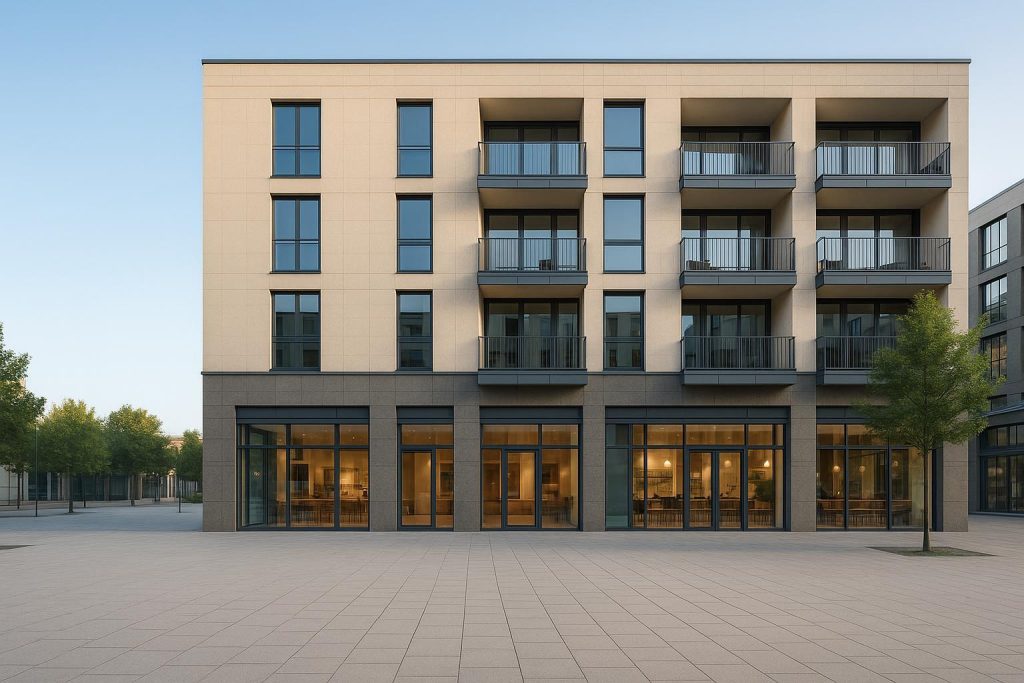
The Advantages of Investing in Spaces that Combine Commercial and Residential Uses
Properties that blend commercial and residential elements, often called mixed-use developments, are increasingly recognized for their broad appeal and potential long-term benefits. By leveraging mixed zoning trends, investors can tap into distinct revenue streams and create more sustainable real estate portfolios. For example, when ground-floor commercial spaces are tenanted, they can offer a consistent source of income that can help offset mortgage costs. Meanwhile, the residential portion may attract a diverse segment of renters or homeowners who appreciate convenient living in proximity to shops, restaurants, and services.
One key advantage of mixed-use properties is how they encourage communal vibrancy. Commercial tenants bring foot traffic and essential services to the area, which in turn makes these developments appealing to residents. This synergy can foster a sense of connection and ensure that the surrounding neighborhood remains active and inviting. From an investor’s perspective, such community-centric planning can help maintain occupancy rates and stabilize property values over the long term. Mixed-use buildings are often designed with flexible layouts that adapt to evolving market conditions, giving investors greater resilience against shifting economic landscapes.
Another benefit is the potential for increased demand, as urban professionals and families alike look for ease of access to business and leisure amenities. This preference for “live-work-play” setups is a driving force across many cities, adding further value to properties that integrate different uses. By catering to multiple needs—whether it’s retail, dining, or residential services—these developments can attract a broader pool of renters or buyers, reducing exposure to market swings in any single sector.
If you’re exploring how to invest in this dynamic real estate segment, it’s helpful to research reputable developers and their track record of successful mixed-use projects. Looking for strategic locations with growing populations can also inform sound decision-making. To learn more about properties that integrate commercial and residential environments, you may wish to explore our Projects or Contact our team to discuss how mixed-use investments could align with your goals. Understanding the advantages—from stable income streams to community-building qualities—can help you make informed decisions for a more resilient property portfolio.
