

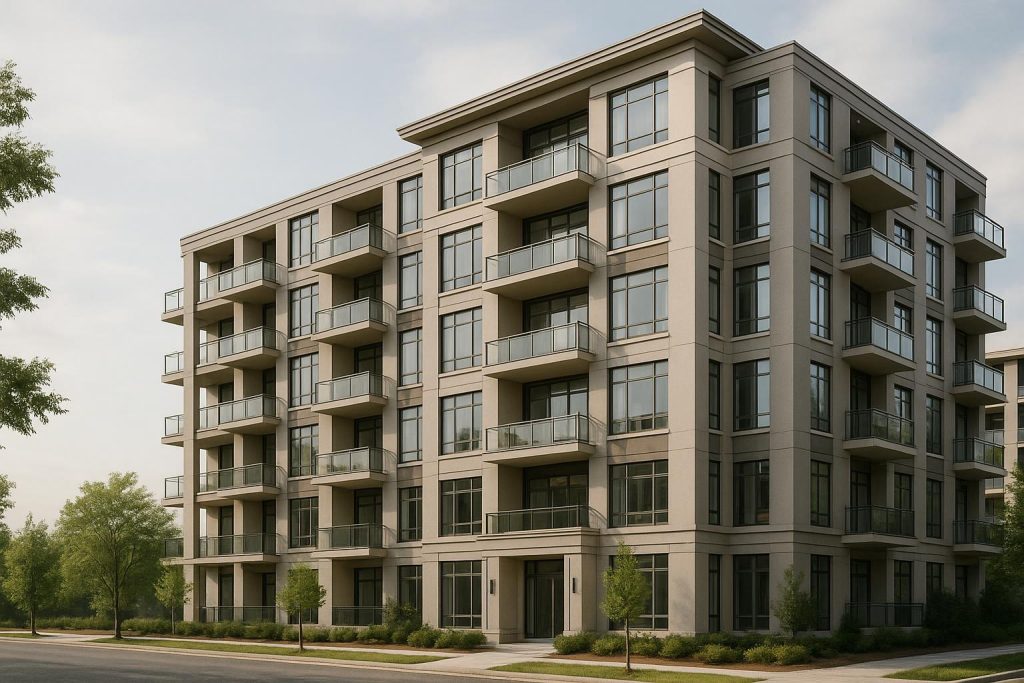
Exploring the Unique Architectural Essence of Boutique Condos
Boutique condos have surged in popularity over the past decade, offering a distinctly personal and carefully crafted living environment that sets them apart from large-scale, high-rise developments. While the word “boutique” has long been used in hospitality and retail to connote intimacy and attention to detail, the same concept applies when it comes to multifamily housing. Residents are drawn to these smaller structures for their quieter ambience, refined finishes, and emphasis on community connection. Below is a thorough examination of the key design features that make boutique condos shine, along with insights into how they differ from typical high-rise buildings.
1. Building Scale and Personalized Space
The first thing most people notice about a boutique condo is its smaller scale. Instead of housing hundreds of units, these developments typically include a limited number of residences, often in the dozens rather than the hundreds. For residents, this means fewer crowded hallways, less noise, and a sense of belonging that can be harder to find in a sprawling tower. With fewer total units, developers have the freedom to allocate more square footage to each home, or to create shared areas that aren’t simply “plug and play” but truly designed for comfort and visual appeal.
In a larger tower, floorplates tend to repeat, one on top of another, with only minor variations. Boutique buildings, on the other hand, are often planned and designed to provide distinctive layouts for different floors or wings—resulting in apartments and condos that feel more custom. Each suite might have a unique flow or vantage point, ensuring that residents receive a living space that feels truly theirs. If you are curious about the typical sizes of these residences, you may want to explore discussions on what is the typical unit size range in boutique condo buildings? for a more in-depth perspective.
2. Architectural Quality and Premium Finishes
Because they cater to individuals who value craft and design, boutique condos tend to incorporate high-quality materials such as natural stone, hardwood, and artisanal tilework. This approach goes beyond the basic finishes typically offered in cookie-cutter high-rise developments, bringing elements of luxury and comfort into everyday life. It’s not unusual to find custom cabinetry, designer lighting fixtures, and well-placed accents or architectural flourishes that catch the eye in a boutique building.
Developers who specialize in smaller-scale residences can dedicate a larger portion of their budget toward interiors, such as upgrading kitchen counters and adding refined details to bathroom vanities. Even the exterior design often benefits from extra care, incorporating distinctive facade treatments, ornamental landscaping, and cohesive palettes that blend with the surrounding neighborhood. Beyond just the aesthetic, these quality choices enhance durability. Because many of these condos are built with a long-term vision, materials are chosen not only to look good but to support the building’s integrity for years.
3. Emphasis on Livability and Community Connection
One of the greatest assets of a boutique condo is its ability to foster genuine connections among neighbors. Within a more intimate development, people tend to interact more frequently—whether it’s a quick conversation in the lobby, a friendly hello in the hall, or a shared moment on the rooftop patio. Amenities are often intentionally smaller but more personalized, including thoughtfully designed lounges, landscaped terraces, or multipurpose community rooms. Instead of sharing a large, generic gym with hundreds of people, residents might enjoy a well-proportioned fitness space that meets real needs without becoming overrun.
When it comes to amenities like gyms or rooftop spaces, smaller developments can offer surprisingly functional options. They may not feature an Olympic-sized swimming pool, but they often create cozy, inviting communal environments. For more about this topic, consider reading How do smaller condo buildings handle amenities like gyms or rooftop spaces? to explore real-world examples of how developers get creative in designing shared facilities that spark interaction—without overcrowding.
4. Thoughtful Sustainability and Local Integration
It’s increasingly common for boutique condos to highlight energy efficiency and responsible development practices. Because of their smaller footprint, these buildings can integrate features like green roofs, high-performance glazing, and efficient heating and cooling systems without sacrificing design elegance. The limited project scope allows developers to concentrate on local sourcing and incorporate landscaping that celebrates natural diversity—adding an extra layer of sustainability to the space.
When a building is designed with the neighborhood in mind, it’s more likely to mesh well with the local culture and environment. Boutique condos are often found in walkable areas where residents can stroll to nearby shops, restaurants, or green spaces. Rather than dominating a skyline, these structures settle into a community context, reflecting a sense of harmony with the surrounding block or district. For instance, you might see brick facades that pay homage to the area’s heritage buildings, or a landscaping choice that mirrors greenery found in the local parks. If you’re curious about whether boutique condos appear in quieter suburban enclaves or busy downtown centers, you might find Are boutique condos usually situated in quieter areas, or can they also be found in downtown neighborhoods? insightful for your search.
5. Quiet Ambiance and Personalized Privacy
While every multi-unit building must contend with noise in some capacity, boutique condos typically place a premium on soundproofing and privacy. With fewer units, developers can more easily employ advanced construction techniques such as enhanced wall insulation, thicker glass, and specialized floor underlays. The smaller number of residents also means fewer sources of collective noise to begin with. Whether it’s the hustle of busy downtown traffic or a bustling corridor, a thoughtful boutique design can reduce everyday disruptions, creating pockets of tranquility within the urban fabric.
Individuals and families drawn to this kind of ambiance often appreciate the ease of stepping out onto a terrace and feeling connected with the neighborhood—without being overwhelmed by it. Privacy, however, doesn’t mean isolation. Boutique condos strive to balance personal space with the notion of a close-knit residential community, something that can be appealing to anyone who wants to know their neighbors but still enjoy a peaceful home.
6. Versatile and Distinctive Layouts
In large high-rises, units often follow uniform floor plans and standard dimensions, largely because mass production keeps construction costs predictable. Boutique developments, in contrast, tend to embrace variety in floor plans to accommodate different lifestyles. This could manifest in loft-style layouts, dual-level suites, or integrated office spaces perfect for remote workers seeking an efficient home environment—a feature that has gained tremendous relevance. Rather than one-size-fits-all, these developments pay attention to how each room flows, how natural light enters, and how residents might want to use and personalize the space.
Additionally, in a boutique setting, a buyer or renter might have more influence over the final product. Some projects offer the option to select from a range of finishings, fixtures, or even interior layouts, allowing future occupants to imprint their own style. This approach can be quite appealing, especially for individuals who see real estate as an investment in both a personal and a financial sense. If you’re wondering how the investment perspective stacks up with boutique condos, you may want to read Are boutique condos a strong long-term investment compared to bigger developments?
7. Construction Processes and Their Effect on Design
High-rise towers often rely on modular building strategies, using repeated elements to expedite construction. Boutique projects, with fewer units, can integrate more flexible approaches. Builders and architects frequently collaborate in real-time to address local conditions—including site-specific constraints like slopes, existing trees, or heritage architecture next door. This nimble construction process can produce buildings that blend seamlessly into their surroundings, rather than standing out as monolithic structures.
Managing a smaller job site can also lead to quicker completion times. Developers, architects, and contractors coordinate on a more personalized scale, which often translates to higher attention to detail. If you’re curious about how these processes diverge from large-scale building projects, consider reviewing How does the construction process for boutique condos differ from large-scale developments? for deeper insights into timelines, planning, and the unique craftsmanship behind smaller developments.
8. Amenities That Reinforce Community
An essential difference between boutique condos and their larger counterparts lies in the creative presentation of community facilities. While big high-rises might boast theater rooms, oversized lounges, or expansive rooftop gardens—often with dozens of people competing for space—boutique buildings take a more curated approach. The communal spaces come in smaller footprints but are carefully equipped with quality furniture, tasteful art, and enough room for intimate gatherings or social events.
This focus improves the utilization of the amenity area. Residents are not just “sharing a large space,” but experiencing a space designed to foster neighborly interactions. Lounges often resemble a cozy living room rather than a multi-purpose hall. Rooftop terraces may be lined with greenery, comfortable seating, and ambient lighting—inviting residents to unwind at the end of the day, quietly read a book, or host a casual barbecue. The convenience of having well-maintained, aesthetically pleasing communal areas steps from your doorway can enhance overall livability.
9. Blending Modern Life with a Human Touch
In a high-density tower, management can sometimes feel impersonal, resulting in residents struggling to navigate bureaucracy for maintenance requests or community events. On the other hand, boutique condos generally come with a more personable approach. Whether managed by a dedicated on-site team or an engaged off-site property management group, feedback loops and interactions can be quicker and more responsive.
This attentiveness extends to how developers select on-site service providers, vet building materials for sustainability, and orchestrate occupant experiences. As a result, many boutique condo residents end up feeling more than just tenants or owners—they see themselves as stakeholders in a shared environment. This sense of shared responsibility and ownership can help reduce conflicts, keep common areas pristine, and create a supportive community environment that fosters well-being.
10. Integration of Neighborhood Identity
You’ll often find boutique condos in vibrant locations known for local charm—be it an up-and-coming district with eclectic shops or a historically significant block near city landmarks. Instead of erecting a massive tower that overshadows the existing streetscape, these developments use a lighter touch to harmonize with surrounding architecture. Materials, color palettes, and facade styles may correlate with longstanding neighborhood aesthetics. In some cases, public art or facade treatments are included to reflect local heritage.
Positioning the building in a walkable, well-connected area ensures that residents fully engage with what the neighborhood offers—public transit, cultural spaces, parks, and local businesses. Certain boutique condos also include ground-floor retail or office space to merge convenience and community. This strategy is a hallmark of design that respects urban integration and can be seen in projects that seamlessly meld residential living with commercial vitality. If you’re curious about how mixed-use environments mesh with a boutique concept, have a look at Can boutique condos also be part of a mixed-use development?
11. Association Dues and Operational Costs
With fewer units to share the expense of amenities, operating costs can sometimes be slightly higher when compared to a larger building with more contributing residents. However, boutique condo owners often see the value in paying for carefully maintained, high-quality amenities and personalized service. These intangible benefits can create a more satisfying living environment. Decisions about building repairs or upgrades may be made more nimbly, since neither the property manager nor the homeowner association (HOA) is dealing with an unwieldy tower. For a more detailed breakdown, you can check Do boutique condos typically have higher HOA fees than larger complexes? if this is an area of concern.
In many boutique settings, the transparency between neighbors and the management team fosters a cooperative dynamic. Maintenance or improvement plans can be approached in a more collaborative fashion, and residents may even form committees to oversee or plan for the future of the property—a level of involvement that some find rewarding in itself.
12. Future-Proofing: Why Boutique Condos Remain Appealing
Many prospective homeowners prioritize finding a place where they can thrive over the long term. Because of their smaller scale, boutique condo developments can be more agile in adapting to shifts in design trends, sustainability standards, and connectivity demands—think building-wide Wi-Fi integrations or electric vehicle charging points. Developers of boutique buildings often remain more closely invested in the life cycles of their properties, ensuring they keep pace with market changes and resident expectations. Those seeking family-friendly layouts in a smaller building might explore Are boutique condos a viable option for multi-family living? for more insights.
Also, the sustained appeal of boutique condos is rooted in quality over quantity. Instead of competing with tens or hundreds of identical units, each unit stands out for distinctiveness. Whether viewed from an investment perspective or a commitment to personal enjoyment, a well-designed boutique condo can hold its value and remain timeless, thanks in part to the careful selection of finishes and design features that do not date as quickly as lower-tier, mass-produced options often do.
13. The Experience: Living Well in a Smaller Community
Ultimately, the experience of residing in a boutique condo is one defined by human-scale design, well-crafted details, and a more immediate sense of ownership and pride. It’s a living style that prioritizes livability, architectural harmony, and subtle luxury—without venturing into the realm of excess or clutter. Residents often describe a feeling similar to living in a tightly knit neighborhood, where one can easily acknowledge faces in the hallway or lounge, yet still enjoy peace and privacy when they retreat inside their home.
This balance between community interaction and personal retreat can be hard to replicate in a high-rise. Boutique buildings allow you to forge genuine connections with neighbors and simultaneously carve out your personal sanctuary, ideal for those who appreciate modern living but don’t love the commotion that comes with densely populated complexes.
14. Next Steps: Learning More and Exploring Your Options
For some people, the proximity to neighborhood amenities, combined with premium indoor finishes, makes boutique condos an irresistible choice. For others, the potential investment value—particularly in areas with limited future development space—adds to the appeal. Whether you’re a first-time buyer, a downsizer aiming for a more intimate community, or a real estate investor looking for stable, long-term potential, boutique condos offer a perspective on living that resonates with individuality and mindful design.
If you’re ready to take a closer look at thoughtfully designed boutique residences, feel free to Explore Our Projects. Each of our developments highlights the personal touch and architectural excellence that define boutique-style living, reflecting our belief that design should genuinely improve people’s lives. You can also View Available Rentals if you’re searching for a home that offers community-driven design and a refined residential atmosphere. If you’re curious about other aspects of boutique condos—like why homeowners might prefer certain layouts over those in bigger towers—read Why might some homebuyers prefer a boutique condo layout over a bigger tower? to gain more insight.
By focusing on craft, community, and comfortable scale, boutique condos stand out as a specialized real estate option. Their approach is about appreciating the synergy of form and function, combining modern living with architectural details that tell a story. From the facade that respects the local streetscape to the well-appointed interior that balances privacy and shared living, these developments deliver an experience that transcends the ordinary, making boutique condos a compelling choice for discerning homebuyers and renters alike.
