

Designing the Future of Vancouver Condos: Leading Trends and Insights
Modern Vancouver condos continue to evolve, reflecting the city’s reputation for livability, sustainability, and innovative design. For many, a new condo is more than just a place to stay — it's part of an energized urban lifestyle that values community, nature, and efficiency. The following trends define the heart of modern condos in Vancouver and show how builders increasingly respond to changing needs through thoughtful architecture, purposeful amenities, and responsible building practices.
1. Emphasizing Natural Light and Scenic Views
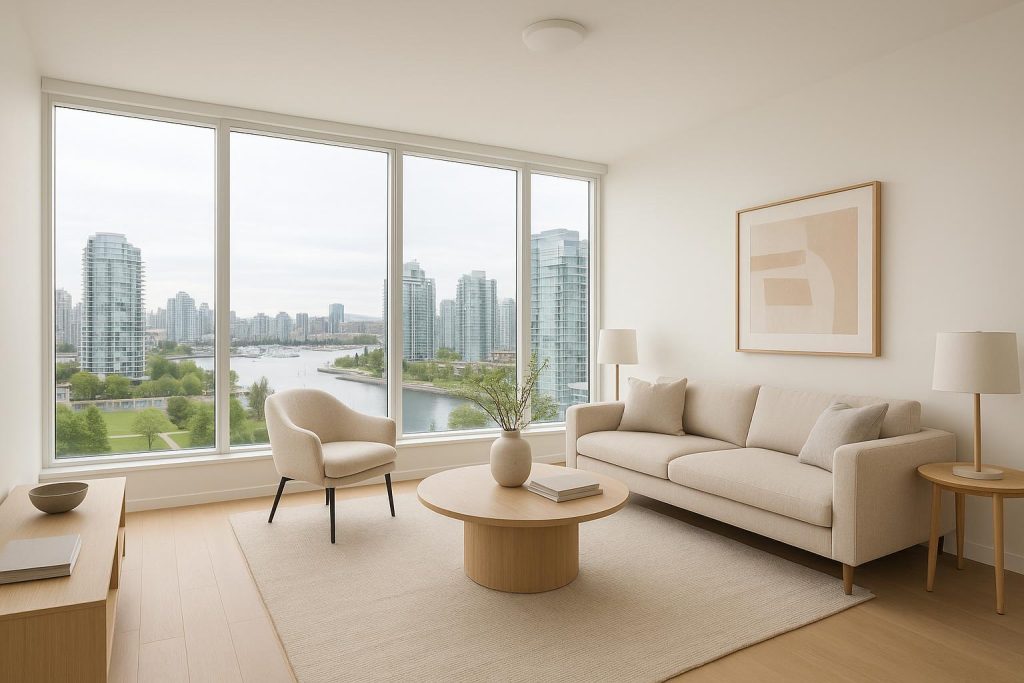
One of the most defining elements of modern Vancouver condos is the abundant natural light. Developers realize that floor-to-ceiling windows create an airy ambiance while maximizing breathtaking views of the city, nearby mountains, or ocean. These windows also act as a bridging point to the outdoors — a particular asset in Vancouver, given its scenic landscape. In many condos, carefully placed balconies or patios encourage residents to spend time outdoors, even if they live many floors above street level.
Wherever possible, open-concept layouts further enhance natural light flow. By blending the living, kitchen, and dining areas, sunlight can filter from one end of a unit to the other, crafting a warm and inviting environment. This design approach not only brightens interiors but also nurtures a connection to the city’s surrounding geography. Whether you look out over the water or at the skyline, large windows ensure you never feel closed in by urban density. Taken together, these features transform what might otherwise be a simple apartment into a welcoming and light-filled home.
2. Sustainability and Eco-Conscious Building Methods
In Vancouver, sustainability isn’t just a buzzword — it’s an expectation. Modern condos across the region frequently feature eco-friendly materials, energy-efficient appliances, and green roofs. Today’s developers know that homeowners and tenants want to reduce their carbon footprint while enjoying a healthier living space. Technological innovations, including solar panels and advanced heat-recovery systems, can be incorporated into a building’s infrastructure, helping to cut utility costs and minimize environmental impact.
Moreover, green roofs and rooftop gardens bring both aesthetic and functional benefits. These landscaped areas not only expand outdoor living spaces but also offer practical perks, such as improved insulation and better stormwater management. Many developments now include rainwater harvesting systems that feed verdant courtyards and gardens, illustrating a holistic commitment to responsible development. If you’d like to explore how these features come to life, consider learning more about how new condo developments incorporate sustainable building practices. This FAQ highlights innovative ways Vancouver’s real estate sector continues to push the boundaries of eco-conscious design.
3. Flexible Spaces for Modern Lifestyles
The concept of multifunctional space is fundamentally changing condo layouts in Vancouver. Instead of rigidly dividing the interior into specific rooms, architects use smart design to allow for flexible configurations. Sliding walls, movable partitions, and modular furnishings make it easier to transform living areas into workspaces, dining rooms, or even extra sleeping areas for guests.
This flexibility is especially valuable for those who need a practical home office. As remote and hybrid work setups become more common, having a workspace that merges seamlessly with other living areas can be a game-changer. Families seeking condo living also benefit from these design improvements. If you’re curious about family life in downtown condos, you can visit our related FAQ on whether modern downtown condos are suitable for families. You will learn about the practical considerations, communal areas, and amenities that support a variety of household sizes.
4. Community-Focused Amenities and Shared Spaces
Residents often seek condos that deliver more than four walls; they want social connection and a sense of belonging. Developers respond to this need by providing carefully crafted common areas. Rooftop lounges, expansive lobbies, coworking zones, and landscaped courtyards foster interaction among neighbors. The goal is to ensure that even in a dense urban environment, people feel part of a supportive network.
Many new Vancouver condos take it one step further, incorporating shared kitchens, multi-purpose rooms, or workshop studios. These spaces encourage the sharing of skills and resources. With the city’s emphasis on health and wellness, state-of-the-art gyms and yoga studios are increasingly common, empowering residents to stay active together. These amenities underscore a commitment to livability, ensuring that community-minded development stands at the heart of modern condo projects.
5. West Coast Modernist Aesthetics and Natural Materials
Vancouver is known for its West Coast sensibility, and this identity becomes evident in condo design. Wood, stone, glass, and other natural materials take center stage, reflecting a broader architectural movement that favors clean lines, open sightlines, and minimal ornamentation. The key is balance: neutral palettes and natural textures are blended with sleek finishes, resulting in a refined yet welcoming aesthetic.
Condos often acknowledge Vancouver’s mountainous backdrop with angular profiles and airy, transparent facades. Interiors echo nature by integrating wood accents against bright or neutral walls. At ground level, building exteriors might feature local stone elements or green landscaping. Ultimately, the aesthetic result is modern, but it retains a calm, grounded appeal reminiscent of the city’s coastal location. This design philosophy ensures condos feel timeless; they aren’t simply eye-catching structures but places that evoke a deeper sense of place.
6. Livability and Responsible Development
Livability is a guiding principle in Vancouver’s emergence as a world-renowned city. In practical terms, this means well-thought-out building features, such as bike storage and easy access to transit, which encourage lower carbon footprints and active lifestyles. Commonly, condos are placed in walkable neighborhoods near shops, parks, and community centers. Finding a development that prioritizes responsible growth is often a key consideration for those who are buying or renting.
To see how these ambitions come to life in various Vancouver neighborhoods, you might be interested in our FAQ on which Vancouver neighborhoods are seeing the most new condo growth. Understanding where and how new buildings are placed helps prospective buyers or renters pick a location that aligns with their lifestyle and values. Many individuals considering the real estate market also look at long-term investment potential. For more insights on that front, we recommend reading about how to assess a modern condo’s long-term investment value.
7. Balancing Private and Shared Spaces
As Vancouver’s urban density increases, the interplay between private comforts and communal experiences becomes more critical. Developers aspire to offer enough in-unit tranquility while still fostering opportunities for neighborly interaction. Strategically positioned balconies and windows provide private outdoor space, whereas rooftop terraces and shared amenity floors give residents another layer of social engagement.
Additionally, some condo buildings feature communal seating nooks in hallways or quiet courtyards between structures. These transitional areas encourage informal chats and invite more serendipitous neighborly exchanges. Striking a balance between privacy and connectivity is a hallmark of modern design, recognizing that a thriving residential community involves both communal bonds and personal retreat.
8. The Rise of Multi-Purpose Lobbies and Lounges
Lobbies used to be primarily functional areas — a place where residents might pick up mail or greet visitors. Today, they have transformed into lively living rooms, offering comfortable seating, Wi-Fi, and sometimes even a small café or working station. Architects pay close attention to these spaces as the first impression of the building, ensuring the interior design resonates with the overall aesthetic while welcoming residents home.
It’s increasingly common to see flexible lounge areas that adapt to residents’ needs throughout the day. Mornings might find remote workers camped out at tables with laptops, while evenings could see social gatherings or building events. These multipurpose lobbies function as the social equivalent of a neighborhood main street — welcoming, active, and connected. This user-centric approach signals that condos are more than just private dwellings; they are places where people can come together and share experiences.
9. Security, Technology, and Peace of Mind
An aspect of modern condo living that doesn’t always get the spotlight is technology integration to elevate safety and convenience. New developments often feature secure access systems, strategically placed cameras, and built-in smart home automation to assist with energy monitoring or temperature control. For many people, advanced security features offer peace of mind and show how the building’s design accounts for both comfort and well-being.
Alongside security, integrated technology can also streamline day-to-day life. For instance, digital booking systems for amenity rooms and guest suites make reservations simple, while secure package lockers reduce the chance of delivery theft. These details might seem small, but they can make a big difference in quality of life. Developers who embrace user-friendly technology demonstrate a forward-thinking approach that meets the demands of today’s digitally connected residents.
10. Urban Connection and Future-Focused Design
Vancouver’s ambitious goals for affordable housing, transit development, and environmental stewardship shape how condos are planned and constructed. Proximity to public transportation remains key, as does the inclusion of bicycle parking and shared vehicle programs. This kind of future-focused design targets residents who not only appreciate convenience but also care about the city’s broader goals of reducing congestion and pollution.
Creating condos that adapt over time strengthens both the building’s value and its relationship with the community. By planning for future infrastructure changes, developers can ensure that their projects remain relevant decades from now. Higher-density living doesn’t need to be overwhelming or purely commercial in feel. It can be shaped by sustainable, livable, and inclusive design choices that hold timeless appeal.
11. Examples of Real-World Developments
When done thoughtfully, modern condo projects blend style with substance, demonstrating how architecture can enhance daily life. By using regionally sourced materials, focusing on natural ventilation, or crafting purposeful gathering areas, developers pave the way for responsible urban growth. Vancouver’s skyline may be dotted with glass towers, but the differences in design quality and community orientation set certain projects apart.
Seeing these concepts in action is one of the best ways to understand their value. If you want a deeper look into how these trends shape cohesive, sustainable communities across the city, feel free to explore our projects. This resource highlights different building styles, varying approaches to amenities, and how each development aligns with Vancouver’s distinct neighborhoods. You can witness how careful design merges modern amenities and shared spaces with an emphasis on livability and the urban landscape.
12. Key Takeaways for Prospective Buyers and Renters
Before finalizing a purchase or lease, consider how these design trends align with your priorities. Ask yourself if a building supports a sense of community, offers flexible living spaces, and caters to your desired environmental standards. Vancouver’s condo market is diverse; there is no shortage of options, but not every building embodies these modern principles. By focusing on natural light, sustainability, community features, and future-ready technology, you can find a home that matches your lifestyle.
Prospective investors may also want to look beyond curb appeal and aesthetics, assessing whether a condo’s design choices will remain viable and attractive five or ten years from now. This includes confirming that the building management is attentive to ongoing maintenance, which is crucial for retaining value. If you want to explore the investment side further, the FAQ on assessing a modern condo’s long-term investment value is a helpful resource.
In short, modern Vancouver condos illustrate how sustainable, forward-thinking developments can reshape the urban experience. Through gentle integration of nature, emphasis on communal living, and a thoughtful blend of aesthetics and function, these homes point to a new standard in high-density living. They capture the city’s progressive spirit, offering comfort and connection in spaces that are both refined and inherently human.
