

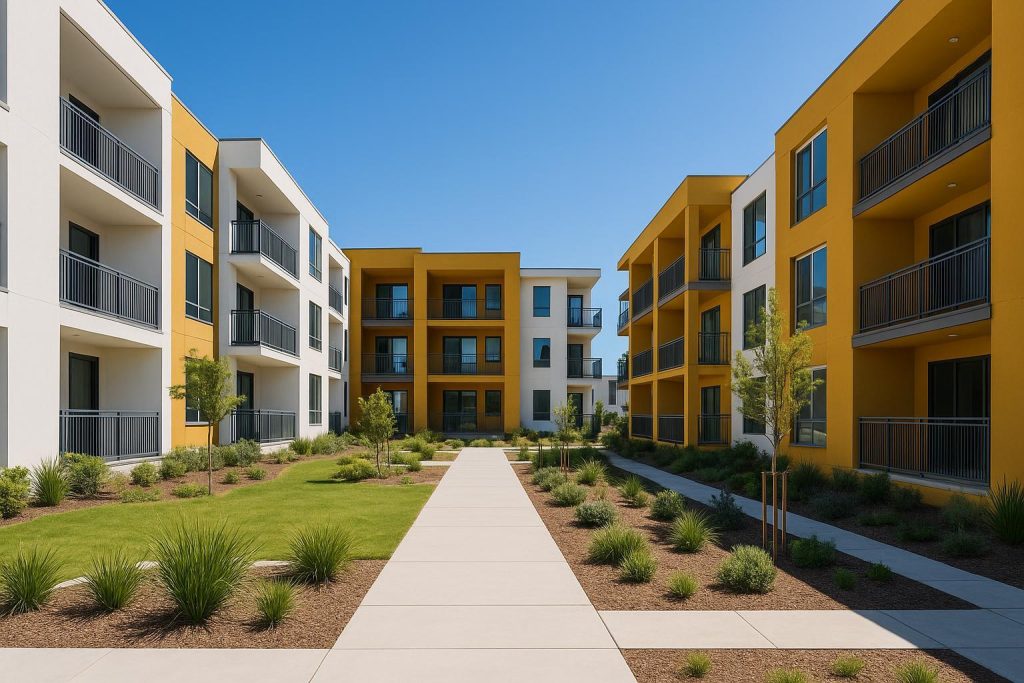
Understanding Modern Multifamily Communities
Multifamily communities are residential developments that bring together multiple households under one roof or in a connected collection of buildings. Typically constructed as apartments, townhomes, or condominiums, these developments may vary in size and style, but they share a common theme: They encourage a sense of community while respecting individual privacy. Multifamily living has become a significant aspect of today’s housing market, especially in bustling urban areas where land is limited and housing needs are ever-growing. This option also appeals to people seeking a more collaborative and vibrant environment—one that places an emphasis on social amenities, professional management, and collective well-being.
Defining a Multifamily Community
A multifamily community is any residential complex or building designed for more than one family or household. Within this setting, each household occupies its own independent unit, whether that unit is a suite within a larger apartment complex or a townhouse in a cluster of buildings. Though individual units remain private spaces, residents frequently share common areas such as hallways, lobbies, gyms, and outdoor courtyards. These shared elements are cared for by property managers, homeowners’ associations, or other professional enterprises whose job is to ensure everything remains up to standard.
The appeal of a multifamily community often lies in its balance between personal autonomy and communal living. It allows people to enjoy their own living space while also granting them access to amenities they would otherwise not have in a single-family home. Much of the draw stems from convenience: on-site maintenance, indoor or outdoor recreational facilities, and proximity to commercial centers or transit hubs. Since many multifamily developments are designed around the idea of a ‘neighborhood within a neighborhood,’ they tend to reflect modern living needs, focusing on practicality and ease.
Key Characteristics and Diverse Housing Options
Not all multifamily communities look the same. Some are high-rise apartment towers in city centers with sweeping views, while others are garden-style layouts or small clusters of townhomes. Yet, several unifying characteristics can be identified across most multifamily developments:
- Variety in Unit Layouts: A wide range of floor plans and unit sizes cater to different household sizes and lifestyle preferences. From studios designed for individuals to three-bedroom apartments that suit small families, there is typically something for everyone.
- Shared Amenities: Modern multifamily communities often include amenities such as fitness centers, outdoor spaces, coworking lounges, and more. These facilities promote interaction and community-building while providing everyday conveniences to residents.
- Professional Management: A hallmark of many multifamily properties is the presence of on-site or readily available management teams. They handle maintenance, address tenant concerns, and oversee the upkeep of common areas.
Individuals and families find these offerings appealing because it removes many of the burdens that come with homeownership—like repairs, landscaping, and exterior maintenance. However, it is ultimately a matter of personal preference. Some people desire the self-sufficiency of single-family homes, while others thrive in a multifamily environment. If you are curious about how these property types compare, you may find it helpful to explore our FAQ on what is the difference between single family housing and multifamily housing?.
Appeal to Different Lifestyles and Stages of Life
One of the most striking benefits of multifamily communities is their adaptability. These developments aren’t exclusively for one demographic group. Young professionals gravitate to multifamily living for its convenience, urban appeal, and opportunities for networking. Meanwhile, downsizers or empty-nesters might appreciate the manageable space, minimal maintenance, and social environment. Families often enjoy a strong sense of community, with neighboring parents and children forming close bonds through shared play areas or educational events hosted within the complex.
Recent years have seen the rise of remote work, increasing the demand for amenities that support work-from-home setups. Many multifamily communities feature dedicated coworking lounges, high-speed internet, and private meeting rooms. This adaptability makes them a reflection of modern urban living, supporting a range of lifestyles under a single umbrella.
Community and Connectivity
Community-building lies at the core of multifamily living. The sense of connection typically emerges from shared spaces and routines. Whether you bump into neighbors in the fitness center or greet them in a lively lobby, you are more inclined to engage in everyday interactions. Many communities also organize resident events, from holiday gatherings to casual potlucks, creating opportunities for people to connect and foster genuine relationships.
This environment also encourages cooperation in areas that matter most—like safety and general well-being. Larger complexes often employ security measures such as surveillance systems or controlled-access entry points, which can heighten peace of mind. For residents, it’s a harmonious balance: your home is private, but you’re also part of a collective that can support each other. If you want to learn more about how privacy balances with shared amenities within these communities, you may explore our related FAQ on how do multi-family buildings balance privacy with shared amenities?.
Shared Responsibilities and Professional Management
Effective property management can make all the difference in a multifamily community. Reputable developments often maintain on-site management teams that oversee landscaping, cleaning of shared hallways, general upkeep, and repairs. Instead of navigating separate channels for each issue, residents have a clear point of contact, which makes handling concerns simpler. Broadly speaking, this system ensures that the building—and the broader living environment—remains well-maintained.
If you’re in the market to invest, comprehensive property management has another perk: it protects the building’s long-term value. Regular maintenance is conducive to stable rental income and satisfied tenants, which is good for residents and investors alike. If you want to dive deeper into the management side of things, be sure to check out our FAQ on how to manage a multifamily property?.
Investment Potential of Multifamily Communities
Beyond their appeal to residents, multifamily communities hold significant potential for investors. By encompassing multiple units under one roof, they often provide a balanced stream of rental income. Vacancies can be mitigated across multiple units, reducing risk compared to a single-family rental, where one vacancy can halt income entirely. In regions with housing shortages, multifamily developments help satisfy that demand. Investors who choose projects in prime or well-serviced areas often see consistent interest from prospective renters.
Project location, design, and amenities all factor into the level of return. Because of these variables, many ask: “How do I know if a multifamily is a good investment?” That is a very reasonable question, and we offer a dedicated resource in our FAQ titled How to know if a multifamily is a good investment?. You will find that investment strategies extend beyond location, delving into topics like tenant turnover, external market conditions, and how well the property’s amenities fit local demand.
If you want a broader view of overall returns, you may also want to read about what is a good return on multifamily investment?. Knowledge of potential net operating incomes and capitalization rates can help you decide whether such developments align with your financial targets. Moreover, for those curious about the long-term feasibility of these types of properties, you could explore our FAQ on is a multifamily development still a good investment?.
Sustainability and Long-Term Value
Modern multifamily communities usually place a strong emphasis on sustainability. They tend to follow green-building standards and use efficient methods to optimize energy and water usage. Larger buildings can implement recycling, composting, and other eco-friendly practices more easily than smaller stand-alone properties. This focus on sustainability not only benefits the environment but can also reduce ongoing operating costs, which is beneficial for renters and owners alike.
Additionally, multifamily developments cater to people wanting to live in well-connected, walkable neighborhoods with decent public transport. This makes the concept of a ‘car-free lifestyle’ more feasible, reducing both the carbon footprint and transportation-related costs. Over time, as more cities encourage higher-density housing, the environmental logic in favor of multifamily communities grows more compelling. To see what local governments do to foster or encourage such projects, consider reviewing our FAQ on do local governments encourage multifamily housing?.
Comparing Multifamily to Other Housing Styles
Multifamily housing often shares some traits with condominiums. Yet, while condos can be owned individually, multifamily developments are frequently owned and operated by a single entity. The structure of control and maintenance can differ significantly. If you find yourself pondering the specific contrasts, you can learn more by visiting our FAQ on what is the difference between multifamily and condo?.
Similarly, you might hear about mixed-use projects. These developments blend residential, commercial, and sometimes retail spaces into one cohesive project. While multifamily living is primarily about residential units, a mixed-use complex weaves in workplaces, shops, or restaurants, aiming to nurture a mini-economy under one roof. Each type has its own advantages, ranging from convenience to potential investment returns.
Finding a Multifamily Community That Fits
If you are in the process of finding a new home, multifamily communities can be an appealing option. But how do you pick the right one? Here are a few considerations:
- Location: Does the neighborhood align with your daily routines and needs? Is it near workplaces, schools, groceries, or public transit lines that matter to you?
- Amenities: Look for elements that will enhance your day-to-day life, such as a fitness center, communal lounges, or good security measures. If you’re curious to learn more about amenity possibilities, we invite you to check out our FAQ on what are the amenities of an apartment complex?.
- Community Atmosphere: Different developments have their own vibe. One may emphasize social events, while another prizes quiet and peaceful living.
- Management and Maintenance: Understanding how the property is managed can give you an idea of potential living experiences. Quality management typically fosters a safe and well-kept environment.
For those looking to invest rather than rent or buy to occupy, it’s also wise to evaluate the property’s financial fundamentals. That might include analyzing rental demand in the area, local vacancy rates, and how stable the neighborhood is in terms of long-term growth.
Evaluating a Multifamily Property
Whether you want to purchase a multifamily building or simply rent an apartment there, some considerations remain the same. Look at the structure’s condition, the reliability of utilities, and the responsiveness of management. For a deeper dive, see our FAQ on how do you evaluate a multifamily property?. Factors such as cash flow potential, cap rates, and your personal or business goals will guide your decision. Even the best-located building might not be the right fit if it does not meet your selection criteria, so take the time to review both tangible and intangible elements.
Keep in mind that the right multifamily opportunity often depends on personal objectives. For instance, if your main goal is to secure a stable, long-term income stream, you might focus on well-maintained properties in established neighborhoods. If you prioritize capital appreciation, you may look to areas poised for redevelopment or rapid growth. Ultimately, the key is striking a balance that aligns with your unique financial strategy and lifestyle preferences.
When Multifamily Living Helps Address Housing Shortages
Many urban markets are experiencing housing shortages, driving rent prices up and leaving limited options for middle-income families. Multifamily developments can provide a partial solution. By placing multiple households in a single complex, more housing can be provided without requiring large swaths of land. If you’re curious about the broader role these developments can play in tackling regional housing deficits, consider visiting our FAQ on does multifamily housing help with shortages?.
Local governments often recognize these benefits, offering incentives or streamlined approval processes for multifamily projects in high-demand areas. These policies can include density bonuses, expedited permitting, or other measures designed to encourage responsible housing growth. That said, the availability of these incentives can vary greatly depending on the city. Some neighborhoods may have zoning restrictions or regulations that slow down such developments.
How Vittori Developments Fits In
Vittori Developments concentrates on building thoughtful projects that bring long-term value to both residents and local neighborhoods. Our focus on purpose-built rental properties reflects an understanding of the region’s housing needs. We aim to foster communities that are safe, inclusive, and designed for people from all stages of life. This means shaping residential spaces that balance privacy and sociability, as well as ensuring easier access to local conveniences.
If you might want to see examples of multifamily developments, feel free to explore our Projects. For those searching for a new home, you can always view our available rentals to gauge the diverse options we provide. From contemporary residences in comfortable communities to well-connected apartment complexes, we strive to accommodate varying needs and lifestyles. We believe in a calm, assured approach toward every development, letting the architecture and community design speak for itself.
Next Steps and Learning More
The journey to finding or investing in a multifamily community is a process with multiple steps. You want to understand the local market, figure out your priorities (whether that’s location, design, or amenities), and evaluate the building or complex that catches your eye. Asking the right questions up front can save you from disappointments further along. You might also find it valuable to consider exploring our FAQ on what to look for when buying a multifamily, especially if you’re an investor or a first-time buyer.
It also helps to stay informed about relevant regulations, such as zoning rules or local policies designed to promote high-density communities. If you are a prospective resident, you may appreciate these measures because they can result in a stable living environment and robust local services. If you still wonder about the broader scope of multifamily development, you might also read what is a multifamily development? for further clarity.
A Lasting Trend in Today’s Housing Market
As cities grow and society evolves, multifamily communities continue to adapt. They merge convenience, community, and a professionally managed living experience. With the expansion of flexible work arrangements and the rising emphasis on environmentally responsible development, these communities address critical housing concerns while shaping more connected, vibrant neighborhoods.
Whether you are a renter who loves the idea of accessible amenities or an investor seeking to diversify your portfolio with resilient assets, multifamily communities offer something for everyone. Their long-term staying power is anchored in their ability to transform an ordinary residential building into a shared space that resonates with collective energy and inclusive design. From day-to-day convenience to potential financial gains, there are ample reasons why multifamily developments remain a prominent fixture in housing markets worldwide.
If you are interested in discovering more about multifamily living or have specific questions regarding available properties, you are welcome to reach out to our team. We strive to provide transparent and timely information for renters, investors, and anyone else curious about modern housing solutions. Wherever you are in your journey—whether you’re seeking your next home or looking to invest in purpose-built developments—multifamily communities stand as a valuable, flexible option in today’s ever-evolving real estate landscape.
