

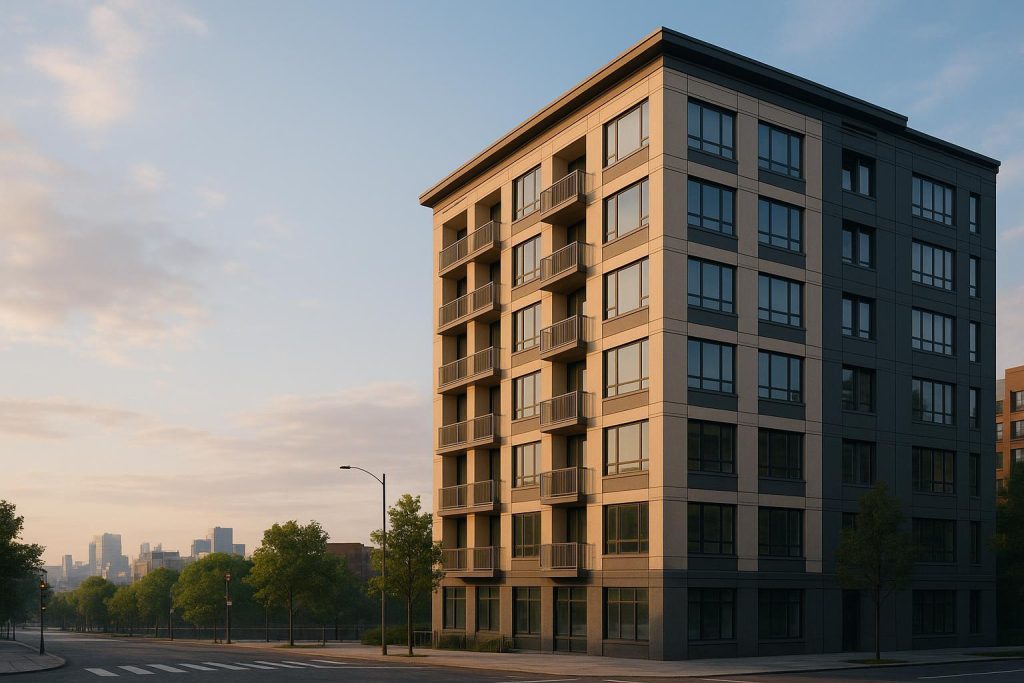
Understanding Multifamily Development
Multifamily development is a term that describes the planning, construction, and management of residential buildings designed to house multiple separate households within a single structure or complex. Typically, these properties offer rental housing options, though some may be structured as condominiums in certain markets. Multifamily development can include everything from small-scale apartment buildings to more extensive projects featuring hundreds of units. In many urban areas, these developments help address growing housing needs and can offer residents a secure, professionally managed place to call home.
Defining the Core Concept
At its essence, multifamily development focuses on creating living spaces for several households within one building or a series of connected buildings. Rather than each household occupying a standalone home on a separate piece of land, residents share the overall structure. Modern multifamily complexes are often designed to foster a sense of community, with attractive common areas, convenient amenities, and flexible floor plans that meet contemporary living standards.
These developments can vary significantly in size and scope, from compact low-rise buildings with only a handful of units to towering high-rises accommodating dozens of floors and hundreds of tenants. In many cities, multifamily projects are evolving in response to changing preferences—placing greater emphasis on sustainability, reliable property management, and integration within well-connected neighborhoods.
Common Multifamily Structures
Multifamily developments come in various shapes and sizes, often determined by the area’s zoning regulations, market demand, and overall design goals. Below are some typical examples:
- Low-Rise Apartment Buildings: Typically one to three stories high, these developments tend to blend into residential neighborhoods. They often focus on creating a comfortable, community feel for tenants.
- Mid-Rise Complexes: Often ranging from four to eight stories, these structures may include amenities such as rooftop patios, fitness centers, or shared green spaces.
- High-Rise Towers: Usually found in dense metropolitan areas, high-rises maximize vertical space, offering numerous units with access to shared facilities like recreation rooms and parking structures.
Some projects also integrate mixed-use components, such as retail or commercial spaces on the lower floors. This mixed-use format can provide residents and the surrounding population with daily conveniences like cafes, grocery stores, or coworking facilities, all within walking distance.
Why Multifamily Development Matters
Multifamily development plays a central role in addressing the housing needs of growing cities, including places experiencing high population influx or rising rental demands. By using land more efficiently, these projects can offer numerous advantages for both renters and the surrounding community:
- Increased Housing Supply: Constructing multifamily buildings allows developers to deliver many homes at once, helping alleviate some of the pressure on housing markets.
- Diverse Rental Options: Purpose-built multifamily developments often include various layouts and unit sizes, accommodating a wide range of lifestyles, from young professionals to families.
- Neighborhood Revitalization: When thoughtfully designed, these developments can upgrade underutilized or aging lots and transform them into vibrant living spaces that attract new businesses, services, and community vitality.
- Economies of Scale: Managing multiple units within a single building enables certain cost efficiencies. This can improve the feasibility of offering desirable amenities, professional maintenance, and reliable property management—all of which typically benefit tenants.
Key Principles Behind Purpose-Built Rentals
Not all multifamily developments are created equal. Some properties are rented out as a secondary use, such as individually owned condos or suites offered on short-term leases. Purpose-built rentals, by contrast, are specifically developed to provide stable, long-term housing for renters. These projects are designed from the outset with the intention of responsibly serving residents. When executed properly, purpose-built rentals embrace livability and community, emphasizing features that are essential to modern life:
- Efficient, well-planned interiors that support comfort and functionality.
- Enhanced attention to amenities like shared social spaces, fitness areas, or community lounges.
- Professional property management ensuring consistent maintenance and transparent communication with tenants.
In high-demand cities, purpose-built rentals can be crucial in offering stable housing that aligns with affordability and urban growth goals.
Livability and Long-Term Value
Livability remains at the forefront of successful multifamily development. Well-considered projects aim to enrich the day-to-day lives of tenants through subtle but impactful design choices. For example, balconies, shared courtyards, or on-site multipurpose rooms can encourage a sense of belonging. By creating desirable units and communal spaces, developers can establish properties that enhance the broader neighborhood.
Moreover, multifamily developments have the potential to retain or increase their value over the long term. This is partly because rental properties, especially those managed professionally, can provide more predictable cash flow over time. Modern, energy-efficient construction also benefits both tenants and investors, as operational costs may be reduced through sustainable building practices. When executed responsibly, these properties often remain attractive to a wide range of audiences—from young professionals to downsizers—contributing to overall neighborhood stability without sacrificing design excellence.
Community-Driven Development
A growing number of developers approach multifamily projects with a community mindset. Rather than prioritizing rapid turnaround or short-term gains, these companies examine the social and economic environment around the land they develop. They work closely with local stakeholders, including municipal partners, to ensure that they address pressing issues like housing shortages responsibly. By investing in the entire development lifecycle—from site acquisition and design to ongoing asset management—such developers can maintain consistent quality and demonstrate accountability.
This sense of collaboration often results in projects that blend more seamlessly into existing areas. Well-integrated buildings can preserve a neighborhood’s character while introducing new opportunities for growth, employment, and services. For those seeking rental housing in dynamic urban contexts, community-driven developments can provide a stable, well-managed home while supporting the region’s broader housing needs.
Challenges and Considerations
While multifamily developments bring many benefits, there are also challenges associated with them. Municipal regulations can affect the feasibility of any project, potentially requiring intricate approvals and planning steps. Developments must balance density with open space, ensuring that new buildings align with local architectural requirements and safety codes. Additionally, issues of affordability arise when markets become overheated; keeping rental rates within realistic ranges can help ensure that local communities benefit from new housing stock.
Sound project management plays a significant role. Complex variables—from investor requirements to construction timelines—must be carefully orchestrated. Successful developers often plan proactively, incorporating solutions for parking, noise mitigation, and waste disposal from the earliest design phases. Finally, hitting sustainability targets can be difficult but essential; greener developments often use environmentally friendly materials, incorporate efficient heating and cooling systems, and provide easy access to public transit corridors. A well-rounded approach helps long-term projects align with evolving regulations and community expectations over time.
A Look at Responsible Development
Responsible development goes beyond simply constructing buildings and collecting rents. It focuses on the triple bottom line: social, economic, and environmental well-being. For example, a responsible developer might ensure that the project’s design reduces a building’s ecological footprint while offering comfortable, durable homes. They often engage community members during the planning stages, hold public consultations, and share project updates transparently. In doing so, they build the trust needed to foster stronger long-term relationships with tenants, investors, and city officials alike.
This emphasis on integrity and transparency is increasingly important in areas facing housing pressures. By aligning with municipal policies that encourage densification and efficient land use, developers can build multifamily properties that address real housing needs while preserving or even enhancing local character. When development teams demonstrate reliability, they can set a precedent for thoughtful urban growth, benefiting both residents and the broader community.
Enhancing Neighborhoods Through Design
One of the hallmarks of thoughtful multifamily development is design that fits the local context. Whether it’s reflecting the architectural history of a neighborhood or incorporating green-building strategies, a good project balances function and style. Features like bike storage, retail access, or landscaped communal areas can make a significant difference in a place’s livability. For developers equally focused on the future, these elements mean the property can adapt over time and continue to add value.
Urban planners and municipal leaders often encourage inclusive design, especially in vibrant, evolving areas. By creating open spaces, walkable sidewalks, and street-level amenities, multifamily developments can contribute positively to the daily experiences of tenants and neighbors. Forethought in the design process can reduce tension as developments proceed, demonstrating a commitment to long-term community well-being.
Exploring Real Examples
If you’re curious about how multifamily developments look in practice, you can explore current and recent projects to see how structures, amenities, and community features come together. For instance, some development firms offer purpose-built rental properties that meet high standards of design, livability, and management. One way to gain insights is to review established and upcoming projects that illustrate different scales of multifamily housing. To see an example of how thoughtfully planned rentals might appear, you can Explore Our Projects and learn about specific buildings.
The Growing Need for Multifamily Homes
Increasing population density in many metropolitan regions drives substantial demand for multifamily properties. As large urban centers extend outward, housing development must remain responsive to the needs of both current and future residents. Multifamily projects can expand housing supply in tight real estate markets, often at more accessible price points than single-family homes, while leveraging municipal infrastructure to support sustainable growth. The ability to house more people on a smaller land footprint can also be a boon to transit networks, city resources, and local businesses.
Amid these trends, developers who integrate long-term vision, reliable project delivery, and high-quality design are increasingly recognized for their role in shaping modern living. For renters, multifamily homes that are well-built, well-managed, and mindful of community values are more than just structural solutions; they form the foundation for stable, welcoming neighborhoods.
Conclusion
Multifamily development is a vital component of urban life, providing a housing solution that meets demand in regions where space and affordability are pressing concerns. By constructing buildings that accommodate multiple households, developers are able to optimize land use, create inclusive rental opportunities, and foster environments conducive to long-term well-being. Key considerations—such as thoughtful architectural design, collaboration with local stakeholders, and a deliberate focus on social and environmental obligations—help ensure that these developments serve individuals, families, and entire neighborhoods effectively.
Whether you’re a renter looking for a comfortable apartment, an investor seeking stable returns, or a city official aiming to address local housing shortages, the value of multifamily development cannot be overstated. As cities continue to grow and evolve, multifamily developments shaped by responsible, community-minded planning will likely remain a cornerstone of modern urban living for decades to come.
