

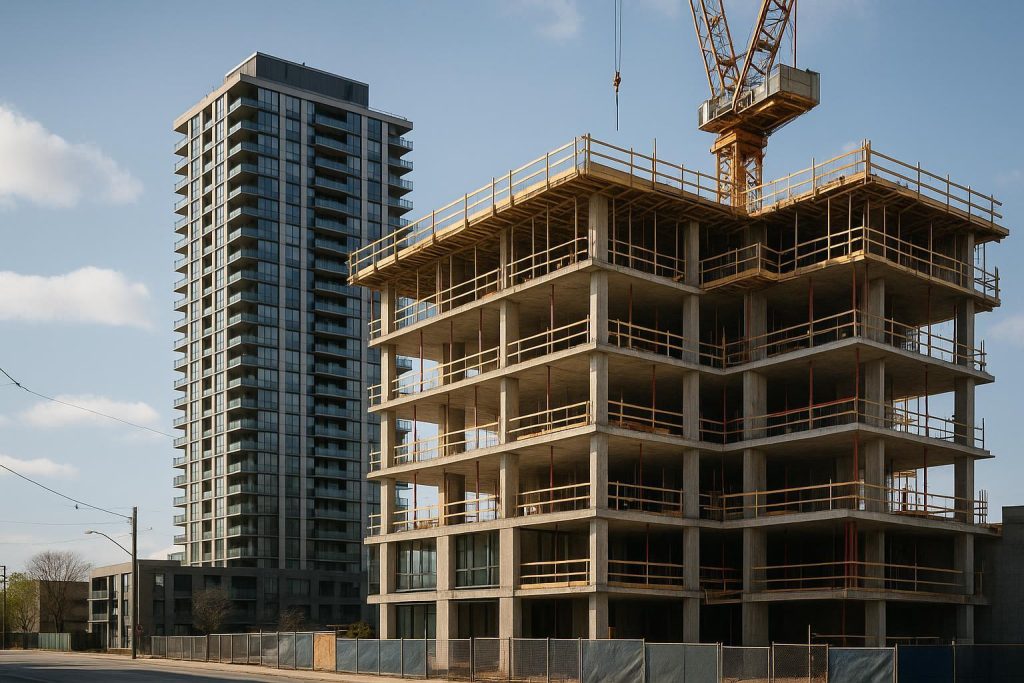
Understanding Resale vs. Presale in Real Estate
In real estate, the terms resale and presale often come up in conversations with prospective buyers, renters, and investors. Each type of property offers unique advantages and considerations. Understanding what sets them apart can help you make a more informed decision, whether you’re purchasing a home to live in, seeking an investment property, or simply exploring the housing landscape. In this guide, we’ll delve into the differences between resale and presale real estate, cover helpful tips, and highlight some factors to keep in mind if you’re evaluating which path to take.
Defining Resale Properties
A resale property is a home that has already been owned and lived in (or rented out) by previous occupants. In other words, it’s not new construction, and the title has already changed hands at least once. When you see an existing house or condominium on the market, that listing is typically categorized as a resale.
Resale properties can encompass a wide range of housing types—detached homes, row houses, condos, and more. They also vary significantly in age and condition, from older heritage homes to units that are only a few years old. Because these homes have a history, buyers and investors often have more tangible information about the property, including comparative market data, previous sales records, and neighborhood statistics.
Advantages of Resale Properties
- Immediate Ownership: When you buy a resale property, you typically gain the right to move in or lease it out soon after closing, provided all conditions have been met. This can be especially appealing if you need a home in the short term.
- Established Neighborhoods: Many resale homes are located in mature areas with an existing sense of community. You can evaluate the neighborhood’s schools, amenities, public transportation, and character before finalizing a purchase.
- Complete Knowledge of Property Condition: With resale properties, a professional inspection can reveal existing issues. Buyers can then negotiate accordingly or make an informed decision about renovations and improvements.
- Predictable Market Comparisons: Historical pricing data is typically available for older homes. You can benchmark your potential purchase against comparable properties in the area to determine fair market value.
Considerations and Potential Drawbacks
- Maintenance and Renovation Costs: While a resale may have character, older properties can come with higher maintenance costs. Systems such as roofing, plumbing, or electrical might need updates sooner.
- Less Customization: You inherit any renovations or design choices made by the previous owner. Changing the interior often involves additional cost and effort.
- Competition in Popular Areas: In high-demand neighborhoods, desirable resales can attract multiple offers. This can lead to bidding wars and higher-than-expected final sale prices.
Defining Presale Properties
A presale property (also called a “pre-construction” property) is one that’s purchased before the building is completed, or even before construction begins in some cases. Buyers usually rely on architect renderings, floor plans, and show suites to visualize their future home or investment unit. Purchasing presale often requires a deposit well in advance of completion, with the rest of the purchase price due once the property is ready to occupy.
Presale properties are commonly offered in condominium or townhouse developments, but the concept can apply to detached homes as well. From the developer’s perspective, presales can finance the early stages of construction. From a buyer’s standpoint, presale investments can allow for modern features and potential value appreciation before the project is completed. However, there are unique considerations that come with purchasing something that hasn’t physically been built yet.
Advantages of Presale Properties
- Brand-New Construction: Presale purchasers can look forward to moving into a home with modern layouts, updated appliances, and contemporary design. The property often meets the latest building codes and energy-efficient guidelines.
- Customization Options: Many developers offer customization packages. Buyers might select kitchen finishes, flooring materials, paint colors, and more—an enticing factor for those who want a personalized home from day one.
- Potential for Appreciation: In markets with rising property values, buying at presale can provide the chance to secure a home’s future price at today’s rates. If the neighborhood becomes more desirable or the market appreciates in general, buyers may gain equity before they even move in.
- Warranty Coverage: Presale properties typically come with coverage on major systems and structural elements for a set period, providing peace of mind for new homeowners.
Considerations and Potential Drawbacks
- Waiting Period: Construction timelines can vary, with completion sometimes taking several years. Buyers need patience and the financial flexibility to manage a deposit for an extended period.
- Market Fluctuations: While buyers hope for appreciation, market conditions may change before the home is finished. If property values drop or interest rates rise, it can affect financing or the property’s valuation.
- Limited Visualization: Buyers rely heavily on floor plans, renderings, and show suites to gauge what they’re purchasing. This can be challenging for anyone who prefers to walk through the actual space before committing.
- Potential Delays: Construction setbacks are not uncommon. Material shortages, permit processes, or unexpected site conditions might postpone the anticipated move-in date.
Key Differences Between Resale and Presale Properties
Both resale and presale properties exist on the same spectrum of real estate options, but they serve different buyer profiles and come with distinct timelines and cost implications. Here are some overarching contrasts:
- Timing of Possession: With resale, you can typically take possession shortly after the purchase closes. Presale requires waiting for the construction completion date.
- Risk and Market Exposure: Presale buyers are exposed to fluctuations in the market during the construction period, while resale buyers pay a price closer to the property’s current market value.
- Property Condition: Resale properties might need renovations or repairs due to normal wear and tear. Presale units, on the other hand, are brand new upon occupancy.
- Negotiation Factors: Resale negotiations often revolve around the existing home’s condition, needed upgrades, or comparative data from similar properties. Presale pricing typically focuses more on the development’s location, amenities, and future growth potential.
Who Might Prefer a Resale Property?
Resale properties tend to appeal to people who value moving in sooner and prefer a more established context. This option may be ideal for:
- Families seeking neighborhoods with proven school district rankings and local amenities.
- Buyers who want to see their property in person, gauge its condition, and potentially move in within a few weeks or months.
- Investors looking for an immediate rental income stream or quick property turnover.
- Individuals who want more insight into a home’s historical data, including previous sale prices and local market trends.
Who Might Prefer a Presale Property?
Presale properties often attract buyers who are excited about new construction and willing to wait for a future move-in date. It can be particularly appealing to:
- First-time homeowners seeking modern designs and the latest amenities.
- Those planning ahead who aren’t in a rush to move, such as renters on a flexible lease or individuals currently living with family.
- Buyers who appreciate selecting finishes and customizing aspects of their new home.
- Long-term investors betting on market growth, who see the potential in getting in early on a development.
Financing Considerations
One of the most critical points when choosing between resale and presale is financing. For resale properties, you’ll likely need a mortgage approval that coincides with the closing date, which is often within a few weeks or months. Lenders assess the property in its current state, along with your income, credit, and other financial details. Your mortgage rate and terms are typically set near the time of purchase, so you have relatively short-term clarity on how much your home loan will cost.
In contrast, presale properties can involve multiple payments leading up to the final completion, commonly known as deposit structures. This may be broken down into installments over months or years. While this setup can help some buyers budget, it also adds complexity if personal finances or lending rates change. Some financial institutions offer mortgage pre-approvals that last for an extended duration, but if the construction is delayed, you may need updated approvals. Additionally, if interest rates rise significantly between when you sign the presale contract and when the home is ready, your carrying costs could increase relative to early estimates.
Thinking About Long-Term Investment Value
Whether you’re hoping to live in the property for many years or planning to rent it out, understanding the long-term investment potential is essential.
- Resale In Established Areas: A resale unit in a popular, centralized neighborhood can hold steady value if there’s proven demand. If the area is known for strong households, good schools, and consistent real estate trends, you might see stable appreciation. However, potential for major value gains might be more moderate if the neighborhood is already near peak desirability.
- Presale In Growing Corridors: If you purchase presale in an up-and-coming area with future infrastructure improvements (parks, new transit lines, community amenities), you could see value growth over the construction period and beyond. Careful research into municipal plans can reveal whether new developments will add convenience and desirability to the location.
From the Perspective of a Developer
As a real estate development firm focused on thoughtfully planned housing, new construction and well-managed rentals offer certain advantages that align with long-term community building. While traditional presales often cater to individuals seeking property ownership, purpose-built rentals also play an important role in many urban markets. These rentals share a similar planning horizon as presales: both involve design, planning, and construction phases before occupancy. However, a purpose-built rental property remains under a single ownership structure and is dedicated to providing stable and secure rental housing rather than units for sale.
This approach can appeal to individuals who decide not to buy—whether resale or presale—and instead look to rent in a modern, well-connected community. Depending on your priorities, renting could mean you gain flexibility to move or travel, minimize some risks associated with real estate markets, and avoid certain upfront costs. Whether you plan to purchase eventually or prefer the convenience of a professionally managed rental, there are distinct paths available to meet varying goals.
Where to Go From Here
In the end, choosing between resale and presale properties is a balance of timing, finances, lifestyle, and preference. Evaluate how quickly you’d like to move, your appetite for market risk, how hands-on (or hands-off) you wish to be with renovations and design, and whether you prize personalization above immediate possession.
If you’re still exploring your options in rental or ownership, you might find it helpful to learn more about specialized developments that focus on community-minded design. At Vittori Developments, we place a strong emphasis on livability, urban integration, and long-term value. Many people who want the feel of new construction but don’t necessarily wish to buy a presale condominium find that a purpose-built rental home in one of our developments is an attractive alternative.
By reflecting on the differences between resale and presale—and acknowledging there is no one-size-fits-all choice—you can clarify the type of home or investment you truly need. Whether you pursue a resale with established charm or look forward to a presale’s brand-new amenities, taking time to consider your budget, lifestyle, and risk tolerance will help you make a well-informed decision. Real estate is a substantial commitment, and understanding the nuances of each property type stands as the gateway to a smoother, more confident journey.
