

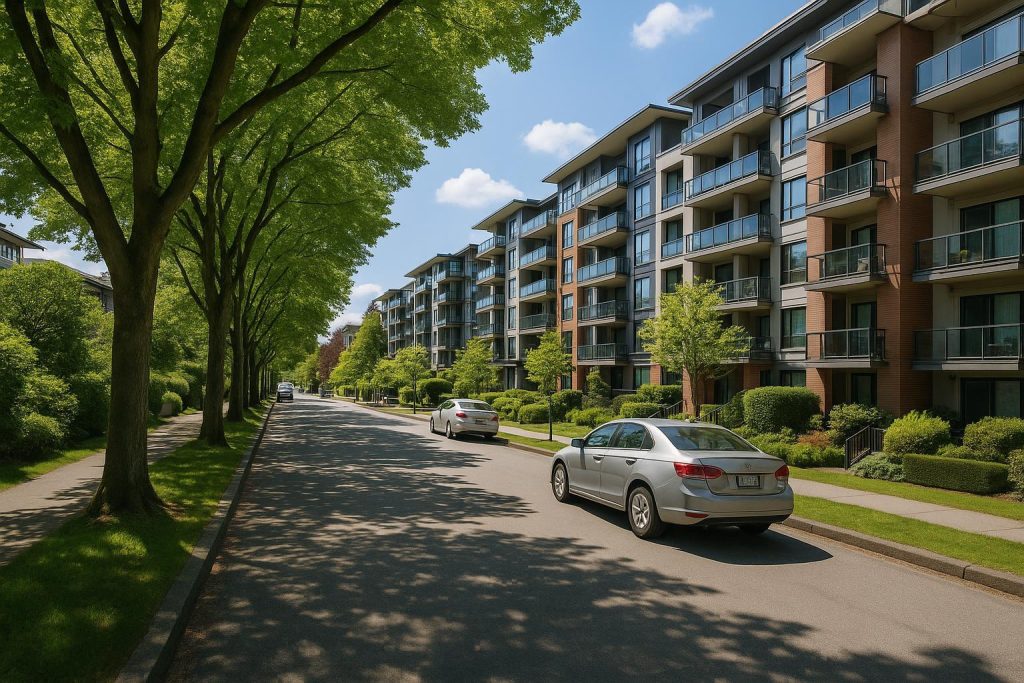
Exploring Safe Places to Call Home in Vancouver
Vancouver consistently ranks among Canada’s most desirable places to live, thanks to its stunning mountain views, ocean access, vibrant neighborhoods, and robust public amenities. When considering a move, one of the top questions prospective residents ask is: “What is the safest part of Vancouver to live in?” The answer often depends on individual circumstances, priorities, and personal comfort levels. However, there are several ways to evaluate safety and identify neighborhoods that match your needs.
Below, we’ll explore an in-depth look at safety considerations in Vancouver, offer insights into how to analyze local crime data, and highlight neighborhoods that commonly receive praise for their security and livability. This guide also discusses general tips for renting or owning in Vancouver’s safest areas and provides suggestions on how to find the right match for your lifestyle.
1. Understanding the Concept of “Safest” Neighborhoods
Safety can be measured in a variety of ways. For many people, it refers to an area’s crime rate. Others may define “safe” in terms of pedestrian-friendly streets, well-lit public spaces, or a strong sense of community and neighborly support. While official crime reports are often used as a benchmark, day-to-day experiences can also inform your perception of a secure neighborhood. For example, you might consider factors like:
- Local Amenities: Areas with frequent foot traffic, nearby stores, cafés, or local businesses can create a feeling of safety due to “eyes on the street.”
- Walkability & Lighting: Well-lit sidewalks and crosswalks can make people feel more secure, especially during evening commutes.
- Community Programs: Neighborhood associations or local watch groups can help deter petty crime and promote community engagement.
- Emergency Services Response: Quick access to police, fire, and ambulance services is essential. Areas closer to emergency service stations may receive faster response times.
As you research, remember that “safest” can vary by individual preference. Some people prioritize peace and quiet, whereas others feel safer in a more bustling environment.
2. How to Research Neighborhood Crime Data
If you’re new to Vancouver, you may not have firsthand knowledge of local trends. Fortunately, there are resources available to help you form an objective view:
- Vancouver Police Department Statistics: The VPD publishes crime maps and neighborhood statistics that show trends over time.
- Local News Outlets: While news sources can sometimes focus on more dramatic stories, they can still add context to community happenings and specific incidents.
- Community Forums & Groups: Local social media pages or neighborhood associations can give you real-world, anecdotal insights from people who live there.
Cross-referencing multiple sources can help you gain a balanced perspective, while also considering your personal safety checklist for living in a new area.
3. Notable Areas Known for Safety
Vancouver’s overall crime rates are relatively stable compared to other major cities, but a few neighborhoods continually come up in discussions around safety and security:
- Arbutus Ridge: Located on Vancouver’s West Side, Arbutus Ridge is a primarily residential neighborhood with tree-lined streets, detached homes, and a calming atmosphere. Many families and long-term residents choose this area for its peaceful vibe and proximity to high-ranking schools, parks, and community facilities.
- Dunbar-Southlands: South of Arbutus Ridge, Dunbar-Southlands is also a family-oriented neighborhood with well-kept properties and low-density housing. It offers easy access to the University of British Columbia (UBC), which contributes to a blend of academic and community life. Although somewhat removed from the downtown core, Dunbar’s smaller commercial area provides a safe, village-like setting.
- Kerrisdale: Another West Side neighborhood, Kerrisdale has a quaint, small-town feel and is known for its slower pace. The low crime rates and tidy business district offer a comfortable spot for residents of all ages. Its pedestrian-friendly streets make it an attractive choice if you’re looking for a safe, walkable community with a variety of local grocery stores, bakeries, and coffee shops.
- West Point Grey: Situated near beaches, large parks, and prestigious schools, West Point Grey is well-loved for its residential charm and relatively low crime statistics. It’s also close to the University Endowment Lands, which is renowned for its vast green spaces and hiking trails. This neighborhood’s tranquil nature draws many families and longtime Vancouver residents.
- Shaughnessy: Known for its large, historic homes and lush boulevards, Shaughnessy sits in central Vancouver on the city’s West Side. It has a reputation for being quiet, preserving a sense of old-world charm combined with modern amenities. Because many of the homes are single-family properties, neighbors tend to establish lasting relationships, contributing to a sense of residential cohesion.
Each of these neighborhoods has its own distinctive character, so it’s worth exploring them to determine which one aligns with your lifestyle. While West Side neighborhoods are often praised for their relaxed environment and minimal street crime, keep in mind that property costs can be higher than in other parts of the city.
4. Central and Downtown Areas
Though Vancouver’s downtown core and adjacent neighborhoods like Yaletown and Coal Harbour can appear more crowded, these districts also prove relatively safe by comparison to many urban centers. They benefit from a consistent police presence, are well-lit, and have a high density of shops, restaurants, and residents who are out and about at many hours. People who feel safer in dynamic neighborhoods with ample activity may prefer central locations with frequent foot traffic.
Mount Pleasant, located just east of downtown, used to be primarily industrial, but it has evolved over the years into a popular place for younger professionals. It can be considered secure for those who appreciate an artsy scene paired with an emerging tech presence. However, like any urban setting, it’s wise to remain alert and mindful of common sense precautions.
5. Safety and the Surrounding Areas
Those who are willing to extend the search beyond Vancouver proper will find excellent suburban options as well. For example, Burnaby is an adjacent city offering many quiet, family-friendly neighborhoods plus robust shopping, parks, and community centers. It’s also home to various reputable rental developments. If you are interested in areas just outside Vancouver’s boundaries that still offer convenient transit links into the city, Burnaby might be a strong contender.
In fact, individuals looking for modern, purpose-built rental communities in the Burnaby region can explore current listings for stable, long-term housing opportunities. For instance, you might find options through local development groups dedicated to creating rental properties that combine security with community. Should you want to see what new projects are available, you can visit Rentals to look at well-managed spaces near quieter corridors of the region. Taking advantage of specialized developments can allow you to benefit from professional management and a secure residential environment.
6. Tips for Choosing the Right Neighborhood
Apart from focusing on a neighborhood’s crime rates, there are steps you can take to improve your overall safety and happiness wherever you decide to live:
- Visit at Different Times: Walk or drive through potential neighborhoods during weekdays, evenings, and weekends to observe street activity and noise levels.
- Talk to Local Residents: Strike up conversations with neighbors; ask them about their experiences and sense of safety in the area. Nothing beats firsthand accounts.
- Prioritize Commute and Transit: Even a safe neighborhood can feel less secure if it requires lengthy, difficult commutes. Verify how accessible public transport is, especially if you plan to work in downtown Vancouver.
- Check Building Security Features: If you’re renting an apartment or condo, ask about security cameras, controlled-access entries, and any protocols for guests or deliveries.
- Verify Lighting and Visibility: Ensure that walkways and common areas are well-lit, especially if walking at night is part of your routine.
7. Renting vs. Owning in a Safe Neighborhood
High-demand areas in Vancouver can come with elevated real estate prices. Renting in established neighborhoods with lower crime rates can be an excellent way to experience life there without committing to a home purchase. When renting, look for professionally managed properties that take steps to maintain security and address tenant concerns promptly. Property management companies often ensure everything from routine maintenance to the installation of essential safety features.
If you’re considering buying a home, you will want to do some additional due diligence, such as commissioning home inspections and verifying that the property is up-to-code. In Vancouver, older homes and brand-new developments exist side by side, so pay particular attention to the quality of construction and how it may relate to your comfort level and budget.
8. Community Involvement: A Key to Preservation
One factor that’s sometimes overlooked is the importance of community involvement in maintaining safety. Areas with strong neighborhood associations or organized events often foster closer connections among residents, which can help reduce petty crime and encourage neighbors to look out for each other. Whether you’re living in a condo downtown or a house in a quieter part of the city, taking part in local initiatives—like community cleanups, block parties, and neighborhood watch programs—can enhance the sense of security.
9. Balancing Proximity and Peace
Where you decide to live within Vancouver ultimately depends on your lifestyle preferences. A vibrant, fast-paced setting might feel safe to someone who likes hustle and bustle, while a quiet neighborhood might be more appealing to families or retirees concerned with avoiding late-night disturbances. For those who want to find a blend of convenience and serenity, neighborhoods slightly removed from the dense downtown (such as Arbutus Ridge or Kitsilano) can offer a middle ground, pairing proximity to major thoroughfares with a calmer residential atmosphere.
10. Helpful Resources and Next Steps
As you narrow down your search for a safe neighborhood in Vancouver, consider taking these next steps:
- Arrange a Walking Tour: Many neighborhoods host walking tours or have local groups that will guide you around, offering a firsthand look at key areas. A brief stroll around local parks, cafés, and transit stops can reveal how safe you feel.
- Consult Crime Maps: Data is readily available through official channels. Review crime maps to see the prevalence of incidents like break-ins, vehicle theft, or other issues that matter to you.
- Ask About Building Management: If you are looking into rental buildings, speak directly with property managers about security measures and tenant guidelines. A well-managed property can significantly enhance the sense of personal safety.
- Look for Purpose-Built Rentals: These developments are often designed specifically for longer-term residents. Purpose-built communities tend to emphasize resident safety, offer structured amenities, and cultivate well-lit surrounding areas.
If your search leads you into areas adjacent to Vancouver, such as Burnaby, you can explore Rentals to browse properties that reflect attention to security, accessibility, and comfort.
11. Key Takeaways on Safe Vancouver Living
Vancouver is well-regarded for its high quality of life, scenic landscapes, and progressive urban planning. While no city is without its challenges, Vancouver has many neighborhoods considered safe and welcoming. By combining crime statistics with personal observations and conversations, you can identify areas that align with your specific definition of safety. Remember these final points:
- Gather current data on crime rates and trends, but balance that data with your own impressions from exploring the neighborhood.
- Consider the pros and cons of a more bustling environment versus a quieter, residential-centric area. Both can offer safe experiences, depending on your personal mindset.
- Investigate professionally managed properties for added peace of mind—good property management can be a major contributor to your comfort and sense of security.
- Look beyond city limits if you’re open to the surrounding region. Neighboring municipalities like Burnaby also feature noteworthy safe areas and strong community amenities.
- Stay connected. Whether you’re renting or buying, a friendly, engaged community can make any location feel more secure.
Ultimately, the safest place to live in Vancouver depends on your individual needs and the kind of environment that makes you feel most comfortable. By doing your research, you’ll be well on your way to finding a neighborhood that offers the right mix of security, accessibility, and community spirit.
