

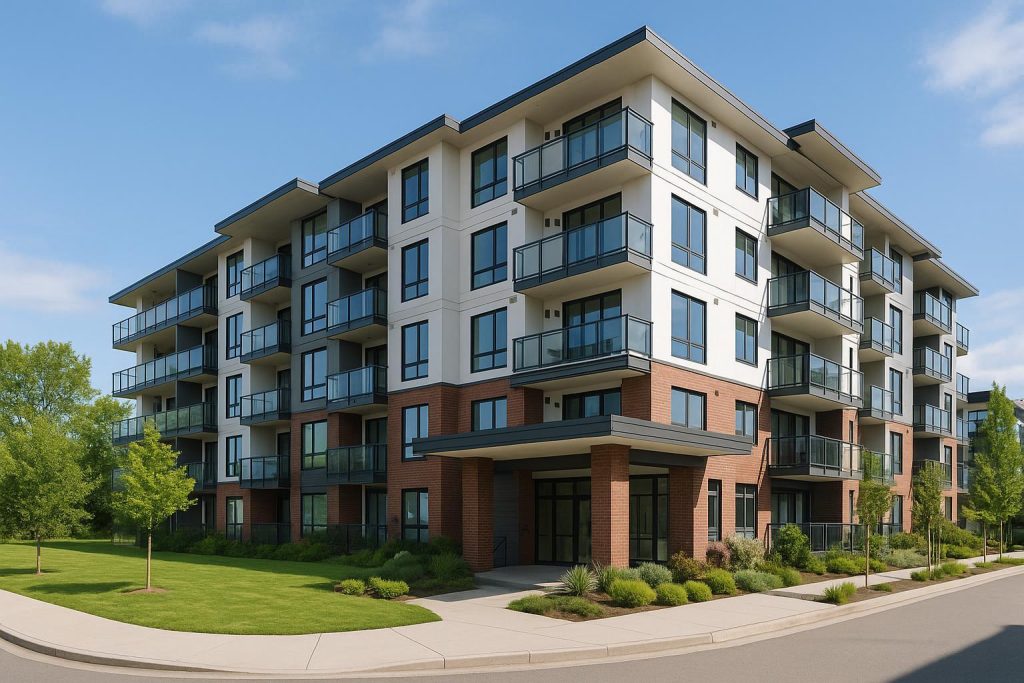
Why Burnaby’s Multi-Family Housing Deserves Your Attention
Burnaby has emerged as a dynamic hotspot in Metro Vancouver for multi-family housing, drawing people who want to be close to the city center while maintaining a more relaxed pace of life. In recent years, the region’s commitment to balanced growth, thoughtful design, and cohesive community planning has put it in the spotlight. While some may assume the larger metropolitan area is more desirable, Burnaby offers its own compelling benefits, anchoring its neighborhoods with modern amenities, excellent access to transit, and a thoughtful approach to sustainable growth. Below, we explore how Burnaby’s multi-family developments stand out—and why so many people are drawn to plant roots in this thriving city.
Proximity and Connectivity
One of Burnaby’s most significant advantages is its prime location. Although the city forms part of the Greater Vancouver area, it feels like its own unique enclave, offering convenient commutes without the intensity you often find in the downtown core. Busy professionals appreciate that, in many parts of Burnaby, you can reach downtown Vancouver in about 20 minutes by SkyTrain or car. This factor alone makes multi-family living in Burnaby attractive to those wanting proximity to major employment hubs while still enjoying a more relaxed atmosphere once they get home.
Additionally, Burnaby has a well-developed public transportation system that continues to expand. This includes multiple SkyTrain stations, interconnected bus routes, and dedicated biking lanes. These transit links make day-to-day travel easier for residents who prefer to avoid the costs and environmental impact of car ownership. For those seeking the right mix of location and convenience, consider reading Where can renters find a good blend of location and convenience in Burnaby? to gain added insights.
A Thoughtful Approach to City Planning
Growth is a constant theme in Greater Vancouver, and Burnaby is no exception. But what sets this city apart is how carefully and intentionally it manages new developments. The municipality consistently prioritizes livable density over unchecked building. This means new projects and multi-family residences go hand in hand with thoughtful urban design, public consultation, and robust municipal guidelines.
In a multi-family context, developers often incorporate amenity spaces that improve quality of life for residents. Shared workspaces, meeting rooms, and fitness centers in apartments are no longer a luxury—they’re fast becoming the norm in this city. If you’d like a closer look at how shared facilities play a role in shaping local apartment life, visit Do new developments in Burnaby include shared amenities for apartment residents?.
Complete Communities: Beyond High-Rise Towers
Multi-family housing in Burnaby is not just about towering buildings. The goal is to foster complete communities that bring residents, services, and local businesses into close proximity. Much of Burnaby’s housing has ground-floor commercial units, offering grocery stores, cafes, or urgent care clinics just steps away from people’s front doors. By integrating residential and commercial spaces, developers aim to enhance walkability, reduce reliance on cars, and build stronger connections among neighbors.
These well-rounded communities also tend to include a range of housing options. While Burnaby is known for its sleek towers near Metrotown or Brentwood, many developments also feature mid-rise or low-rise complexes that add variety to the local architectural landscape. This ensures that everyone—families, young professionals, and retirees—can find a suitable layout and ambiance.
Green Spaces and Recreation
While many urban centers struggle with crowding, Burnaby has notable parklands, forests, and lakes woven throughout the city. Preserving green space is more than a zoning afterthought; it’s at the core of the city’s identity. Multi-family residents benefit from close access to parks such as Central Park, Burnaby Lake Park, and Deer Lake Park, where walking trails, picnic spots, and water activities abound. The well-maintained landscaping of many local developments further adds to this sense of calm and connection with nature.
These green spaces aren’t just scenic—they encourage a more active and engaged lifestyle. Whether you love outdoor sports, morning jogs, or simply enjoying a serene environment, Burnaby’s parks help foster a sense of balance between urban living and nature. All these features contribute to a healthier quality of life and underscore the city’s attention to livability in every dimension.
Transit-Oriented Living
Burnaby has embraced transit-oriented development, placing many of its multi-family buildings near SkyTrain stations and major bus routes. This design strategy shortens commute times and supports a car-free lifestyle. It boosts foot traffic for local businesses and helps maintain a vibrant street life after working hours. Residents enjoy the synergy of living in a bustling, walkable area, with easy access to their workplaces, schools, and leisure activities.
In many of these neighborhoods, you can step out of the building, hop on the SkyTrain, and be downtown in under half an hour. The same station gives you easy transfers to other suburban areas. This approach offers real convenience for individuals and families who value time. At the same time, it promotes responsible development by reducing congestion on roadways, improving air quality, and fostering a more cohesive urban framework.
A Commitment to Eco-Friendly Construction
Sustainability has quickly become a defining feature of Burnaby’s multi-family projects. Developers understand the value in catering to eco-conscious residents who want modern design without sacrificing environmental stewardship. You’ll often find features like energy-efficient HVAC systems, LED lighting, and high-performance insulation built into these projects from the start. Some developments even incorporate bicycle storage facilities and charging stations for electric cars, encouraging greener modes of transportation.
Burnaby’s dedication to sustainable practices also aligns with broader city initiatives, including waste management programs, green building requirements, and support for local produce and farmers’ markets. If you’re curious about the many ways modern apartments now cater to eco-friendly lifestyles, read How do modern Burnaby apartments cater to eco-friendly lifestyles?. These community-wide efforts reinforce a culture of responsibility, ensuring that living here means you’re part of a forward-thinking environment.
Diverse Housing Choices for All Lifestyles
Another standout quality of Burnaby is the diversity of its residential offerings. Whether you’re a recent graduate searching for your first place, a family in need of more space, or you’re downsizing for the sake of simplicity, Burnaby has a range of structures and unit sizes. Many multi-family projects include a mix of one-bedroom, two-bedroom, and three-bedroom suites, each with a smart layout and modern finishes. By planning a variety of floor plans, Burnaby encourages a sense of inclusivity, ensuring that people across various socio-economic and demographic groups can find a home that best suits them.
If you’re looking for a specific type of multi-family rental property, check out some of the local listings at Edmonds Heights or Collina, each offering their own distinct atmosphere. You’ll find contemporary living solutions designed for everyday comfort while supporting a sense of community and belonging.
Quality of Life and Community Amenities
What also distinguishes Burnaby is its strong investment in public amenities. Cultural centers, libraries, and recreational facilities thrive here, introducing people to a robust array of activities ranging from local art exhibitions to sports leagues. These community amenities provide an added layer of social connection, supporting families, seniors, and young professionals looking for a well-rounded experience outside their immediate residences. In some cases, multi-family buildings themselves supplement these amenities with rooftop terraces, landscaped courtyards, and shared lounges, effectively blending private and public spaces.
Because convenience and modern design are closely tied to property value, Burnaby’s approach to amenity-driven development has also made it an appealing choice for investors interested in stable, long-term returns. Even those who don’t invest might benefit, as the overall reputation for quality in Burnaby can help sustain market values over time. If you’re examining whether to buy or rent, or if you want to evaluate the potential gains in owning a property, What are some key factors to consider before investing in a Burnaby apartment? outlines several points that prospective buyers often weigh.
Consistency in Building Standards
Developers in Burnaby tend to uphold high standards when it comes to engineering, design, and materials. This doesn’t simply mean visually appealing facades and polished interiors. It extends to structural integrity, minimizing noise transfer between units, and selecting finishes that endure the test of time. Many multi-family buildings use innovative construction methods that incorporate seismic resiliency, keeping pace with evolving safety requirements in British Columbia.
In addition to these physical attributes, building managers and developers often consider the social implications of the spaces they create. Some developments foster a sense of community through design elements such as shared rooftop patios or communal kitchens, encouraging residents to live together more cohesively. In many ways, these design strategies are about more than architecture; they’re about shaping healthy neighborhoods that stand strong on the values of connection and well-being.
Accessibility and Inclusivity
Burnaby has made strides in ensuring that new developments meet or exceed accessibility guidelines. Wider hallways, step-free entrances, and ample elevators make life easier for people who use wheelchairs or have mobility challenges. From a multi-family standpoint, this inclusivity means that neighbors across a range of age groups and physical abilities can comfortably share the same building.
It’s not just about meeting codes and regulations. Many newer developments incorporate accessible features out of respect for community needs, forging inclusive places to live. This sense of universal design benefits young parents who depend on strollers, older residents looking to age in place, and anyone who appreciates residences that prioritize ease of movement.
Local Expression and Culture
Burnaby is a tapestry of different cultural influences, and this diversity shows in the city’s festivals, restaurants, and public events. Multi-family buildings here often reflect that multicultural atmosphere, with communal spaces utilized for gatherings, cultural workshops, or seasonal celebrations. By weaving local identity into the built environment, Burnaby fosters a more vibrant, closely knit community that welcomes newcomers and longtime residents alike.
This cultural richness extends beyond festivals to everyday life. Stroll through many local shopping districts and you’ll notice an array of grocery stores, specialty shops, and eateries representing various global cuisines. This gives the city a welcoming feel and ensures that daily experiences in Burnaby—like picking up groceries or going out for a meal—can become opportunities to connect with the broader world.
Investing in the Future
Securing a multi-family home in Burnaby signifies not just a decision about where to live today, but also a commitment to the city’s future promise. Municipal policies encourage sustainable growth, preserve and expand green spaces, and maintain high standards for new buildings. These guidelines act as guardrails that keep development thoughtful and beneficial for everyone.
Whether you aim to settle down for the long run or are considering a property investment, Burnaby fosters a sense of stability. Property values in the city have historically trended upward, reflecting the growing demand for well-located, meticulously designed homes. And as municipal improvements persist—be it new schools, enhanced libraries, or infrastructure upgrades—the city’s multi-family sector is likely to remain a resilient and attractive option.
Finding Your Next Home or Project
If you’re intrigued by Burnaby’s ability to balance modern design and neighborly warmth, you can explore both current and upcoming developments at Explore Our Projects. Alternatively, you might prefer checking View Available Rentals for a look at specific multi-family properties. Options like 4059 Hastings or 4711 Hastings can offer immediate access to Burnaby’s conveniences. By browsing the listings, you’ll see firsthand how sustainability and quality are woven into local developments.
It’s also worth noting that many multi-family properties are designed with future improvements in mind. Developers are continuously adapting fresh technologies and innovations. So even if you decide to move in or invest later, Burnaby’s multi-family sector is poised to keep evolving in a positive direction.
The Bottom Line
Burnaby’s multi-family housing scene stands out for good reason. It combines strategic location, robust public transit, smart urban planning, and a genuine sense of neighborly cohesion. Thanks to the city’s focus on complete communities, zoning, and green spaces, these developments do more than provide modern places to live. They offer a way of life that embraces sustainability, culture, and connectivity.
Whether you’re weighing an investment, searching for your next home, or simply trying to understand the region’s real estate dynamics, Burnaby showcases how multi-family living can feel both cosmopolitan and community-oriented. With ongoing improvements, inclusive design features, and plenty of recreational opportunities, there’s a lot to appreciate about setting down roots in this forward-thinking city.
