

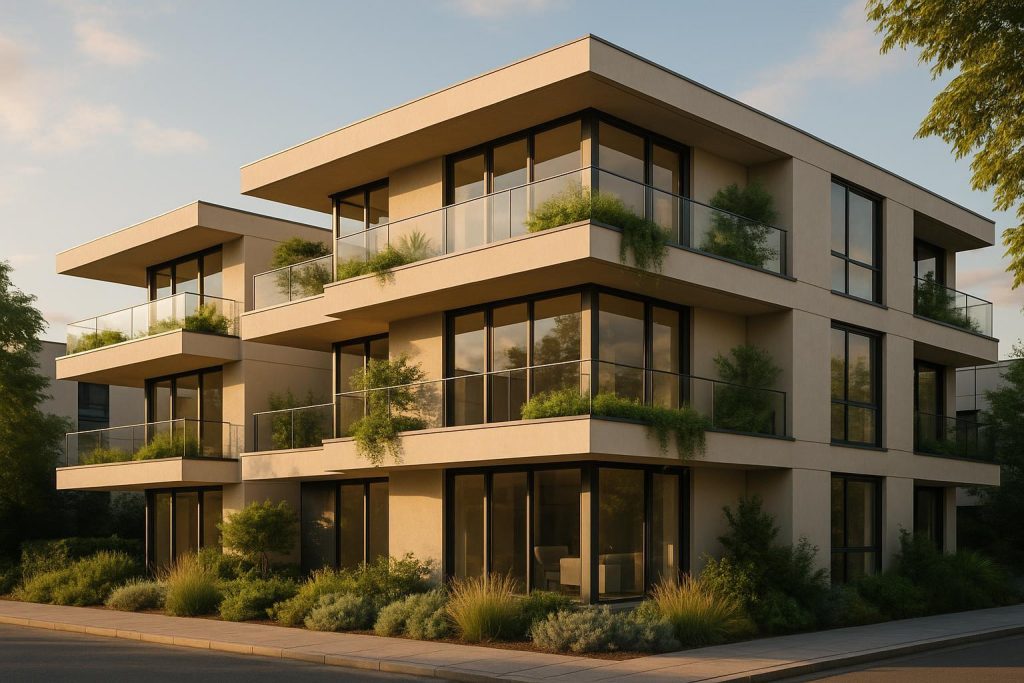
Key Considerations for a Modern Multi-Family Housing Project
Modern multi-family housing projects have evolved significantly in recent years, shaped by the growing demand for high-quality, well-managed, and community-focused rental or ownership opportunities. Before deciding on a place to live or invest, it is essential to look beyond superficial features and examine what truly defines a forward-thinking multi-family housing project. Below are some key considerations that can help you identify a property designed for long-term value, livability, and resilience.
1. Purpose-Built and Thoughtfully Planned
When evaluating a modern multi-family housing project, one of the first things to consider is whether it was conceived from the ground up as a multi-unit residence. This notion of purpose-built construction means that every stage—from design to execution—focuses on the specific needs of multi-family living. Purpose-built buildings often feature:
- Dedicated layouts: Floor plans that maximize privacy, natural light, and ease of movement within and between units.
- Durable materials: Construction choices that support long-term use and reduce the need for frequent repairs or replacements.
- Community cohesion: Common areas and shared amenities that bring residents together while preserving personal space.
When a project is specifically designed for multi-family living, it demonstrates an understanding of how people actually use shared spaces. Complexes not originally built for multi-family purposes may lack proper soundproofing, efficient parking configurations, or comparably robust utilities, leading to dissatisfaction in the long run. In a purpose-built setting, the developer’s commitment to community-minded design becomes evident in convenient layout choices and a focus on long-term value.
2. Quality Construction and Design Excellence
Quality construction is a hallmark of any successful multi-family housing development. This can be seen in both the architectural vision and the technical management of construction. It’s best to look for a team that has a track record of delivering durable, well-structured buildings that perform effectively over time, whether through energy efficiency or thoughtful layouts. Strong projects emphasize:
- Timeless design: A building that ages gracefully, avoiding architectural choices that become a burden to maintain or update.
- Energy-efficient solutions: Strategic use of insulation, advanced window glazing, or energy-efficient heating and cooling systems that keep utility costs manageable.
- Functionality and beauty: Interiors that not only look inviting but also serve everyday needs through practical storage, sensible flow of rooms, and adaptable communal areas.
Good design balances aesthetic appeal with the practical realities of urban living. Developers who emerge from a tradition of community-driven development often ensure that streetscapes, landscaping, and building materials harmonize with the neighborhood’s character. When these elements come together, residents enjoy spaces that feel welcoming and integrated into the broader community.
3. Livability and Amenities
In modern multi-family housing, livability extends well beyond just having four walls and a roof above your head. Today’s renters and owners often expect amenities that help them maintain a balanced lifestyle. While the specific offerings can vary, some popular amenity considerations include:
- Thoughtful common spaces: Rooftop lounges, quiet gardens, or multi-purpose rooms where residents can gather, socialize, or work.
- Recreational facilities: Fitness centers, walking paths, or other opportunities to stay active close to home.
- Convenient services: Onsite property management offices, secure package delivery areas, and dedicated maintenance teams that respond quickly.
Amenities should be designed for people. In other words, they shouldn’t be afterthoughts or superficial add-ons; they should genuinely enhance the daily living experience. This includes thoughtful integration of natural lighting and shared outdoor spaces that encourage social interaction and a sense of community. Projects with such resident-centric features often see improved tenant satisfaction and retention.
4. Community Integration and Neighbourhood Connectivity
A strong connection to the surrounding community is crucial. Multi-family housing does not operate in a vacuum; it flourishes when it is well-connected to local amenities, public transit, schools, and cultural or commercial hubs. When viewing prospective developments, ask questions about:
- Transit access: Is the property near a reliable public transportation network or major roadway that simplifies commuting?
- Walkability: Are there shops, services, or recreational spaces within close walking distance?
- Local character: Does the architecture fit within the established neighborhood fabric, and does the developer engage positively with local stakeholders?
Projects that align with responsible development involve more than just erecting a building. They collaborate closely with municipal partners and community members to address local needs. Doing so helps ensure the final outcome fosters inclusivity and improves the quality of life for both residents and neighbors.
5. Reliability Through Management and Maintenance
For many residents—particularly those seeking rentals—reliable management is a top factor. Whether you are looking to invest or to move in, make sure you understand the property’s management philosophy. A well-managed multi-family project often includes:
- Responsive support: An approachable property management team or designated contact for resolving repair and service requests.
- Long-term stewardship: A commitment to routine maintenance and timely upgrades that keep the community well-maintained.
- Transparent communication: Regular updates, open meetings, or newsletters that help residents stay informed about ongoing improvements or policy changes.
Successful developers emphasize trust and delivery. They see management as an ongoing relationship instead of a transactional distance. By carefully screening building operations, you can determine whether the development team prioritizes a sense of resident well-being and fosters a stable living environment.
6. Sustainability and Future-Proofing
Sustainability remains an important element of modern multi-family development. This mindset focuses on lowering environmental impact, easing energy consumption, and creating healthier living environments. Look for features such as:
- Green building certifications: Development teams that integrate recognized standards for sustainable design practices or energy efficiency.
- Efficient resource use: Onsite water management, solar panels, or high-efficiency appliances can safeguard the environment and lower costs over time.
- Adaptability: Spaces that are flexible enough to adapt to future technology or meet changing resident needs.
Future-proofing is equally significant. As urban centers evolve, so do the lifestyles of the people who live there. Buildings that keep pace with technological advances—in internet connectivity, electric vehicle charging, or advanced building controls—will stand the test of time and remain trusted residential options.
7. Transparent Planning and Entitlement Processes
The development and entitlement phases can offer deep insights into a project’s overall reliability. A responsible developer will approach city planners, neighborhood groups, and other stakeholders early in the process, working openly to address concerns. Whether it’s ensuring adequate parking or providing open green space, the best multi-family housing projects often reflect a proactive and inclusive approach to local input. Transparency also fosters community trust, which reverberates throughout the residence once it opens its doors to new occupants.
8. Track Record of Delivery
It’s one thing to make promises, and quite another to deliver results consistently. Before finalizing any decisions, consider the developer’s or owner’s track record in completing projects of similar scale. Examine both their operational expertise and their reputation for working with local municipalities or community organizations. Reputable development firms detail their accomplishments, demonstrate how they have integrated into neighborhoods positively, and show how they maintain long-term oversight of the buildings in their portfolio.
For example, Vittori Developments in Metro Vancouver engages in rigorous upfront planning to ensure each project meets high standards for design, sustainability, and stewardship. If you would like to see some concrete examples of how a committed approach influences individual properties, you can explore our projects to learn more about completed and ongoing developments.
9. Scalability and Phasing
Some multi-family housing projects are completed in a single phase, while others evolve over several. If you are considering a larger development, look for clarity on how each phase will be implemented, whether the site plan will remain consistent with initial objectives, and how the community’s fabric evolves as further buildings or amenities are introduced. Developers who demonstrate a coherent long-term vision generally craft phased expansions with minimal disruption to existing residents and businesses, ensuring continuity and consistent quality.
10. Value That Lasts
Ultimately, a modern multi-family housing project should deliver value in multiple ways—offering safe, attractive homes, promoting a sense of community, and integrating seamlessly with the surrounding neighborhood. Value includes tangible aspects like solid construction and reliable property management, but it also encompasses intangible qualities—feeling proud of where you live, connecting with neighbors, and participating in a more inclusive and vibrant neighborhood. Look for developments that openly discuss their dedication to a long-term vision. This outlook is the key to ensuring that your chosen residence remains a positive environment for many years to come.
Moving Forward
A well-executed multi-family housing project brings together thoughtful planning, enduring quality, and reliable management. By focusing on purposeful design, you help create a sense of belonging that goes beyond any one building. When all these elements align—design excellence, sustainability, good community connections, and dedicated operations—it’s likely you’ve found a worthwhile place to build a life or invest with confidence.
If you’re interested in learning more about modern multi-family living or discovering high-quality rental opportunities, view available rentals to explore developments that reflect these principles in action. By doing your due diligence and prioritizing these core features, you can find a multi-family housing project that stands out for all the right reasons.
