

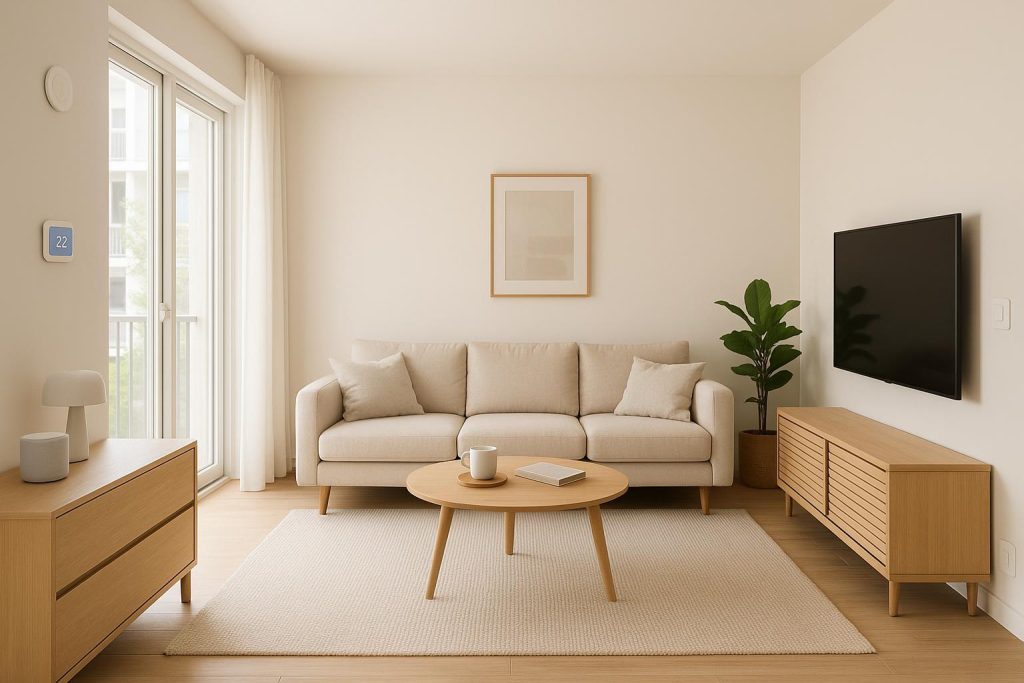
Embracing Smart-Home Technology in Modern Apartment Living
In a world where technology increasingly shapes our daily lives, newly developed apartment buildings are showcasing integrated solutions that promise greater comfort, security, and efficiency for residents. From energy-saving thermostats and motion-sensing lights to robust digital security systems, smart-home technology is rapidly becoming part and parcel of contemporary living environments. If you are curious about what these innovations can offer, or you're exploring a move to a new community, understanding the key features can help you make an informed choice that aligns with both your present lifestyle and future needs.
1. Smart Thermostats for Precise Climate Control
One of the most popular features of modern smart-home technology is the programmable, learning-based thermostat. Traditional thermostats might only offer basic temperature settings, but their smart counterparts take climate management to the next level. These devices learn your habits—such as when you typically leave for work or return home—then automatically adjust the temperature to suit your routine. By closely tracking your preferences, a smart thermostat helps conserve energy, which can translate into lower utility bills.
Remote app access is also extremely convenient: if you return from traveling and your apartment is too cold in winter or hot in summer, you can adjust the climate as you make your way home. The ability to maintain an ideal ambiance on your own schedule is empowering, especially in urban settings where tenants often have varied work hours and lifestyle demands. Beyond comfort, many smart thermostat models generate insightful energy reports, letting you see exactly where and when you use the most energy—an invaluable tool for improving efficiency in the long run.
2. Keyless Entry and Enhanced Security
Gone are the days of rummaging for keys in your bag or pockets. With modern keyless entry systems—ranging from numeric keypads and fobs to Bluetooth-based locks—residents can quickly, securely, and seamlessly access both individual apartments and common amenities. This streamlined access not only saves you time, but it also provides a higher degree of security. Lost or stolen keys can be easily deactivated, eliminating the need for expensive hardware replacements.
Building managers are also able to monitor entry logs in real-time, ensuring that only residents and authorized guests can enter. This heightened visibility can foster a sense of safety, as suspicious activity is more easily identified. In situations where maintenance staff or a trusted friend needs temporary access to your apartment, you can issue a short-term code, revoking it later to protect your privacy. For many multifamily residences, keyless entry sets the tone for a secure, future-oriented living environment.
3. Motion-Sensitive and Energy-Efficient Lighting
Efficient lighting solutions are another hallmark of newly built apartment communities. In many shared corridors, lobbies, and recreational areas, sensors detect occupancy, automatically turning lights on when someone enters and off when the space is empty. This cuts down on wasted energy and extends the lifecycle of the bulbs, all without compromising on safety.
Within individual apartments, smart lighting systems can be as advanced or as simple as you prefer. Some allow you to customize brightness levels, color temperature, or even integrate with your daily schedule—gradually brightening in the morning for a more inviting wake-up, or dimming softly in the evening to help you wind down. It's not just about brightness; proper lighting can play a significant role in promoting health, comfort, and a sense of well-being. Combined with energy-saving bulbs like LEDs, these lighting systems create a living space that is both welcoming and efficient.
4. Connected Appliances for Modern Convenience
Step into the kitchen or laundry area of a smart apartment, and you'll often find Wi-Fi-enabled appliances designed to streamline busy routines. From ovens that preheat remotely to washing machines that notify you when the cycle is finished, connected appliances relieve some of the daily friction that comes with household management.
Smart refrigerators might include sensors that track what you have available and even suggest recipes based on the foods nearing expiration. Dishwashers can often be scheduled to operate during off-peak hours, saving on energy costs. These thoughtful capabilities go beyond novelty: they help residents remain organized and reduce waste. For example, an alert when you're low on certain staples can prevent last-minute grocery panic. Combined with broader smart-home systems, connected appliances are especially attractive for individuals who balance hectic work schedules with household responsibilities.
5. Building-Wide Internet Infrastructure and IoT Integration
High-speed internet is as much a necessity as warm running water for most modern apartment dwellers—and newly developed buildings frequently equip their units with robust connectivity, ensuring that smart devices can function properly. However, some communities take it further, designing entire properties to support the Internet of Things (IoT). This means more advanced interconnectivity between lighting, HVAC systems, security cameras, and building management platforms.
For example, a centralized system might integrate a building’s heating, ventilation, and air conditioning with real-time occupancy data to optimize comfort and efficiency. In addition, some communities implement digital signage in shared areas that updates residents on local events or building announcements. Residents may also have a companion mobile application that draws data from multiple sources, enabling them to manage lighting, lock doors, and control the thermostat all in a single place. This level of interconnectedness stands out as one of the defining features of future-focused multifamily developments.
6. Community Amenities Elevated by Smart Technology
Modern apartment living isn't just about what's inside your home. Common areas and shared amenities increasingly integrate smart-home innovations that benefit everyone. For instance, fitness centers might include digital sign-in kiosks or interactive workout equipment connected to personalized fitness apps. Lounges and co-working spaces often feature screens that can be wirelessly synced with your devices, making group work sessions or streaming presentations a breeze.
Some properties also use smart systems to simplify daily tasks. Automatic package lockers, for example, notify you by text or email when your delivery arrives. You then retrieve your package at a time convenient to you, using a secure code. This not only helps protect parcels from theft but also saves staff and residents the hassle of manual tracking. The collective benefit is evident, fostering a sense of convenience and community engagement throughout the property.
7. Digital Security and Peace of Mind
Enhanced security configurations are a major draw for those eyeing new apartment developments. Beyond keyless entry, many buildings embrace technology like video doorbells, remote-access camera feeds, and smartphone alerts for unusual activities in or around units. The same app that controls your home's lighting may also dispatch notifications when someone presses your doorbell, or if a sensor detects movement in a restricted area.
This multi-layered approach offers peace of mind for residents who work away from home or travel regularly. You can check in on your apartment in real time, ensuring that deliveries, visiting guests, and unexpected knocks at the door are all accounted for. Communal spaces also benefit from integrated security cameras that help deter potential intruders. By merging these systems with swift communication channels, building managers can quickly respond to any issues, which results in a safer and more harmonious environment overall.
8. Sustainability as a Central Focus
With today's push toward environmental responsibility, modern buildings are increasingly designed with sustainability at the forefront. The adoption of smart-home features plays a vital role in reducing wasted energy and conserving resources. For example, smart thermostats curtail excessive heating and air conditioning usage, while motion-sensitive lights prevent unneeded illumination in unoccupied areas. Some developments incorporate solar power stations or green roofs supplemented by advanced monitoring systems, allowing the building to track real-time energy generation and consumption.
High-efficiency appliances and water-saving fixtures are also becoming the norm, working in tandem with green-building certifications that emphasize low-impact construction materials. Tenants who are environmentally conscious can track personal usage stats for electricity or water, prompting more mindful habits. By combining these features with well-thought-out public transportation access or bicycle storage areas, many modern developments seek to cultivate a responsible lifestyle. This approach to design acknowledges that renters today increasingly value eco-friendly homes as much as they do comfort and style.
9. Seamless Community Interaction
One of the often-overlooked perks of smart-home integration is its ability to strengthen community connections. Some buildings implement digital forums or resident apps where neighbors can share local tips, plan social gatherings, or coordinate building-wide events. Virtual bulletin boards might display announcements about movie nights, volunteer opportunities, or local business promotions. This fosters a layer of connection that goes beyond simply living in the same building.
Meanwhile, management teams can use these platforms to keep residents up to date on routine maintenance schedules, emergency alerts, or policy changes. In turn, residents can provide feedback, report issues, or request repairs in a matter of seconds. In an age where immediacy matters, a well-structured digital community space promotes transparency, accountability, and communication. And as the building evolves, so too can features of these apps—many of which are designed for ongoing software updates, ensuring the platform remains relevant even as technology advances.
10. Package Lockers and Delivery Innovations
The rise of online shopping has made secure and efficient package handling essential in apartment living. Smart lockers serve as a reliable interface between couriers and residents. Instead of worrying about your packages disappearing from a common hallway, you can rest assured they remain locked away until you collect them. Tenants typically receive a unique code or QR scan upon delivery, which acts as the key to open the locker door.
This is not just about convenience; it helps reduce operational overhead for building staff as well. Once a package is scanned in, the locker knows exactly which resident it belongs to, eliminating miscommunication or lost deliveries. Beyond lockers, some buildings take package management a step further by installing secured drop-off areas monitored by cameras, adding an extra layer of protection. With such features in place, you can better trust that your deliveries—ranging from essential groceries to important documents—will arrive safely.
11. Planning for Future Upgrades
Smart-home technology evolves quickly, and that evolutionary pace is often a concern for those committing to long-term leases or making a home in new developments. Recognizing this, many forward-thinking apartment buildings are designed for seamless system upgrades. Walls may include extra conduits for future cabling, and building-wide networks often support firmware updates for existing hardware, ensuring that thermostats, locks, and cameras remain at the cutting edge without requiring expensive renovations.
This future-proof mentality reflects a willingness to adapt as resident expectations and technologies shift over time. For instance, if new energy-saving features or advanced home automation protocols emerge, well-prepared buildings can implement them with minimal disruption. The ultimate goal is to ensure that a newly built apartment community remains relevant for years to come—always finding ways to refine comfort, bolster security, and reduce environmental impacts.
12. Identifying the Right Smart-Home Fit for You
Not every resident will use every feature a building provides, and that's part of the appeal of a customizable smart-home setup. Some prefer focusing on energy savings through automated climate control or lighting schedules, while others prioritize improved security through keyless entry and real-time camera alerts. If your primary concern is convenience, integrated appliances or building-wide management apps might top your list.
When exploring newly built apartment communities, ask detailed questions about how these features work. For example: Does the building offer a single interface for multiple systems, or do you need a separate app for each device? Are there monthly fees associated with certain technology packages? Is there round-the-clock support if hardware malfunctions? Understanding these practical aspects ensures you choose a home that genuinely aligns with your lifestyle, rather than adding unnecessary complications.
13. Where to Experience These Innovations
If you're eager to see these smart-home features firsthand, it's often helpful to visit a development that emphasizes forward-looking design. Building tours or model unit walk-throughs can reveal how lighting, climate controls, appliances, and security measures integrate cohesively. Video demonstrations or product outlines on a building's website can also help clarify operational details. For more inspiration, you can check out projects that incorporate modern design and technology or view available rentals to find a space that suits your needs.
As an example, some of the newly developed rentals under select companies may already feature these cutting-edge technologies, making them excellent reference points for what's possible in the world of smart-home living. Whether it's dynamic climate tuning or intuitive keyless access, these innovations are helping reshape the definition of comfortable, secure, and community-minded apartment living.
14. Bringing It All Together
Smart-home technology in modern apartments is much more than gadgets for the tech-savvy. It represents a broader shift toward housing that values efficiency, sustainability, and resident well-being. By working in tandem—through connected appliances, security innovations, customized climate control, and integrated community apps—these features create a lifestyle that is more convenient, more collaborative, and more supportive of financial and environmental responsibility.
If you are searching for a newly developed building or simply want a peek into the direction apartment living is headed, keep an eye out for these smart features. Ask the right questions about energy management, future-proofing, and the degree of control you have over your space. Ultimately, whether you're a dedicated technology enthusiast or just someone who appreciates a streamlined routine, smart-home systems can significantly elevate the experience of modern rental living. By choosing a building that matches your priorities—be it peace of mind, sustainability, or community engagement—you'll be better positioned to enjoy a home that truly adapts to your life.
