

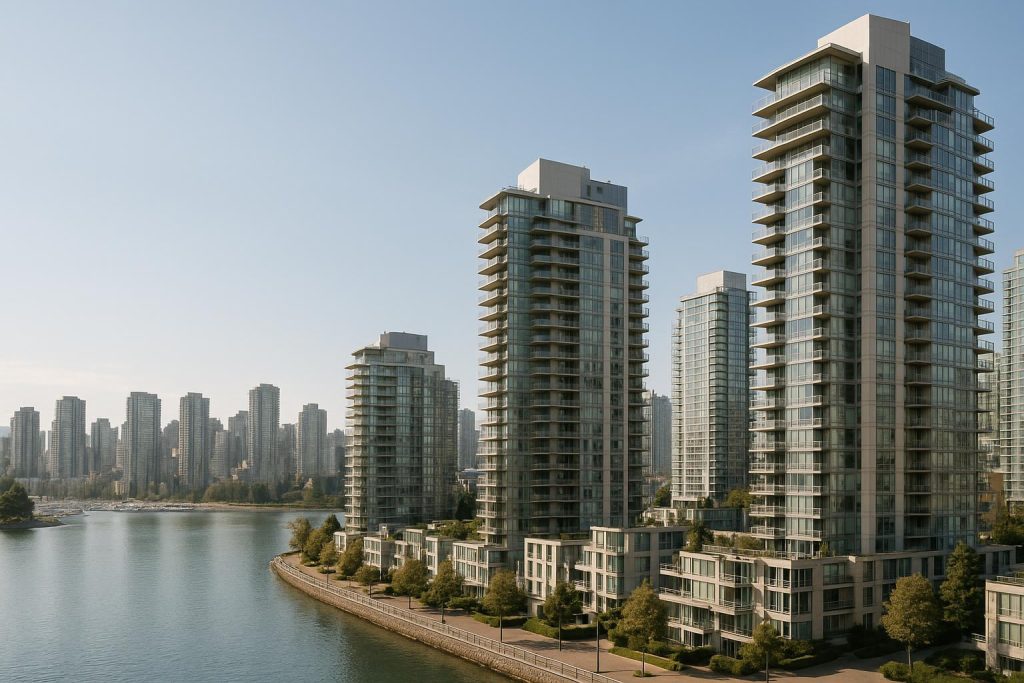
A Detailed Breakdown of the Steps to Buy a Pre-Sale Condo in Vancouver
Purchasing a pre-sale condo in Vancouver can be an exciting opportunity for those seeking long-term value and the chance to shape their future home. Unlike buying an existing condo, securing a pre-sale means you commit to a property still under construction or in the planning stages. This unique process offers benefits such as flexibility in design selections and the possibility of property value appreciation over time. Below is a thorough step-by-step guide that highlights each key milestone you can expect from start to finish.
1. Research the Local Market and Explore Developer Options
Before plunging into the world of pre-sale condos, begin by researching the local Vancouver real estate market. This well-connected city features diverse neighbourhoods, each with its own character, amenities, and long-term growth potential. By focusing on thoughtfully planned developments, you can discover communities that prioritize livability, quality, and modern design.
While exploring your options, do not overlook the importance of a developer’s track record. A trusted developer can translate to better construction quality, a responsible approach to community integration, and higher assurance about completion timelines. In communities with significant housing pressures, choosing a purpose-built home by a reliable developer can mean less worry about potential delays.
2. Understand the Benefits of Pre-Sale Construction
Securing a unit ahead of construction offers a variety of perks. One attractive aspect is design customization. For those who value a cohesive, personalized environment, pre-sale buying allows them to select finishes, color schemes, or specific layouts that fit their unique lifestyle. It also means that your future home—often built with long-term value in mind—will have a modern aesthetic tailored to your preferences. By selecting a floor plan that meets your needs, you invest in convenience and comfort ahead of time.
Additionally, some buyers are drawn to new-construction condos because of the potential for price appreciation. If the market remains stable—or continues on an upward trend—your condo may be worth more by the time you officially take ownership. For those curious about value considerations, be sure to see our related FAQ on whether buying a pre-sale condo can lead to better property value in Vancouver. This can give you a clearer idea of how market forces and time can impact your investment.
3. Review the Developer’s Disclosure Statement
Before committing to any pre-sale condo, it is prudent to review the developer’s disclosure statement. This detailed document should include building specifications, construction timelines, projected completion dates, unit entitlements (e.g., parking, storage), and anticipated fees. If you have not navigated such a statement before, you might find it complex. In British Columbia, these disclosures are legally required to ensure transparency.
A key component of your due diligence is verifying that the building amenities align with your vision of a quality, inclusive community. Consider features like common gardens, gym facilities, amenity lounges, or bike storage. Any of these may boost long-term enjoyment and help shape a comfortable living experience in Vancouver. Because thoroughness is essential, take a look at our sibling FAQ on what to focus on in a disclosure statement for additional assistance.
4. Understand the Deposit Structure and Financing Requirements
One hallmark of buying a pre-sale condo in Vancouver is the deposit structure. Typically, you can expect to pay around 5% to 20% of the purchase price, usually in scheduled increments. This deposit is often placed in a trusted account—following local regulations—until the project is completed. British Columbia also provides a rescission or cooling-off period to protect buyers if they choose to withdraw. This timeframe can be a valuable safety net if you change your mind soon after signing the purchase contract.
Simultaneously, you will want to investigate financing options. Many banks, mortgage brokers, and credit unions may offer pre-approval for new-construction projects, but the guidelines can differ from those for an already-completed home. Securing a mortgage pre-approval at this early phase can help you understand the scope of your budget and streamline the next steps.
5. Anticipate Additional Costs
It is crucial to note that finalizing a pre-sale agreement often goes beyond the basic sale price. Buyers may need to account for closing costs, such as property transfer tax or legal fees, when the condo’s construction is complete. Some pre-sale transactions also involve Goods and Services Tax (GST), which is assessed on new homes in Canada. If this concept is unfamiliar to you, reference our related guide, Are there extra costs associated with pre-sale condos in Vancouver?, for additional clarity on the topic.
Being transparent with yourself about all expenditures is essential to avoid surprises. While it might seem like you are only paying a deposit and a mortgage, keep in mind that you may also have monthly condo maintenance fees once you take ownership. All of these items will influence your total long-term cost of ownership. Making room in your budget for these factors leads to a more stable financial outlook.
6. Prepare for the Construction Phase and Timelines
Once your deposit is secured and your contract is in place, the next related step is waiting out the construction timeline. Pre-sale buyers often experience anywhere from several months to multiple years before their unit is complete. It depends on the development’s scale, building approvals, or any other site-specific factors. If you are curious about typical wait times, our FAQ on how long it takes before moving into a pre-sale condo explains how timelines can vary in Vancouver.
During this period, it is vital to stay in contact with your developer or sales representative. They can keep you updated on project milestones that may affect your possession date. Meanwhile, keep track of anything that might influence your mortgage qualification—such as changes in employment or credit—for when the final closing date nears. In short, clear communication and ongoing financial diligence are essential parts of a smooth experience.
7. Review the Purchase Contract Thoroughly
Your purchase contract is not just a formality—it sets out details like which interior finishes are included, whether you have parking or storage entitlements, and your obligations regarding completion and closing costs. Take time to read every clause. For those new to homebuying or to Vancouver’s real estate market, it is recommended to engage a lawyer or a real estate professional who can review the contract with you. By confirming every detail is correct, you reduce the risk of unexpected fees or misunderstandings.
Within this contract, note specific terms regarding design upgrades or changes you have requested along the way. Some developers allow a certain number of alterations to your unit’s layout or finishes. These requested changes might come with additional fees or a different deposit structure. Also, double-check the anticipated completion date. If the developer states an estimated date, see if there is flexibility should construction be delayed by unforeseen events.
8. Conduct a Final Walk-Through as Completion Nears
As you approach the estimated completion date, most developers will schedule an official walk-through, also known as a deficiency walkthrough. This step is crucial: it is your chance to verify that your new condo unit matches the standards and specifications outlined in your purchase agreement. You can check for any defects or unfinished tasks that need immediate attention. This is also an excellent time to test the appliances, plumbing, windows, and doors to ensure everything works properly.
If potential corrections or adjustments are noted during this walk-through, the developer usually documents them and sets a timeline for fixing them. Attending this inspection with a professional or someone you trust can also give you a second set of eyes for spotting issues. Once satisfied, you can give your approval of the unit’s condition, and the project progresses to the next step.
9. Finalize Your Mortgage and Closing Costs
When you are within a few weeks of taking ownership, you will complete your financing arrangements. This includes pulling together your mortgage documentation, verifying your deposit amounts, and making sure you have sufficient funds for closing costs. Be mindful that lending requirements could shift if your personal financial situation has changed since you received pre-approval, so keep those potential changes in check.
Before you sign the final paperwork, you may want to consult a notary or a real estate attorney to confirm your legal obligations. They will generally guide you through paying any necessary taxes, such as property transfer tax and GST if applicable, and ensure the transfer of ownership is recorded with the appropriate authorities. By carefully orchestrating these final administrative tasks, you can enjoy a more seamless transition into your new home.
10. Take Possession of Your New Condo
Once all contractual obligations are fulfilled and the unit is deemed move-in ready, you will take formal ownership. Though this milestone represents the end of the purchasing process, it is just the beginning of your experience living in a new condo community. If quality of life and sense of neighbourhood matter to you, be sure to investigate how your development promotes an inclusive, community-driven environment. Modern developments often incorporate features such as green spaces, social lounges, or nearby transit accessibility, all of which support a more enjoyable living experience.
Those seeking additional rental options or future investment opportunities might want to explore other properties. You can explore our Projects for a sense of the kinds of residential environments being developed in Vancouver, or contact us if you have questions about evolving neighbourhoods and upcoming opportunities.
Helpful Tips and Considerations
- Budget Accordingly: Always estimate possible extra costs, such as ongoing maintenance fees, that can impact your finances over time.
- Stay Organized: Keep deadlines, emails, and contracts easily accessible. This helps you remain well-coordinated while the project heads toward completion.
- Stay Informed of Market Shifts: Vancouver’s real estate market can fluctuate. Keeping an eye on changes may help you adjust your strategies or confirm your investment choices.
- Understand Potential Wait Times: Being prepared for a construction timeline that can range from one to three years is part of the process. A bit of patience tends to pay off when the final product aligns with your vision.
- Explore Related FAQs: If you want more clarity on costs or investment benefits, remember to check sibling guides like potential extra fees or property value trends.
Final Thoughts
Buying a pre-sale condo in Vancouver is more than a property transaction—it is a commitment to a future home that emphasizes livability, quality construction, and modern conveniences. By conducting thorough research, understanding essential documents like the disclosure statement, preparing for financing and additional fees, and working closely with trusted professionals, you can enter into this process with clarity and confidence. Ultimately, the reward is the opportunity to own a home in one of Canada’s most dynamic cities, with the comfort and satisfaction that come from a place designed with your preferences in mind. For even more insights on timing, you can explore our FAQ on typical wait times, ensuring you remain prepared for each stage of your purchase journey.
Whether you are new to Vancouver or a longtime resident seeking a change, the path to owning a pre-sale condo can be a rewarding one. From understanding the deposit structure to finalizing your mortgage, each step aims to give you confidence in your investment. As you navigate these stages, remember the importance of carefully reading contracts, budgeting effectively, working with reputable developers, and maintaining open lines of communication. With this combined effort, you can look forward to enjoying a thoughtfully designed space in a well-connected community, building a foundation for the future you envision.
