

Sustainable Amenities in Modern Multi-Family Living
Environmentally conscious multi-family housing encompasses a wide range of thoughtful features and amenities intended to reduce ecological impact, conserve resources, and support healthier lifestyles. By weaving sustainability into architectural design, operational systems, and community programs, developers are creating neighborhoods that better serve people as well as the planet. Below, we take a closer look at the most common and impactful amenities you might find in eco-friendly multi-family residences, illustrating how they work together to promote a balanced, resource-conscious way of living.
1. Energy-Efficient Building Features
Energy efficiency is often the foundation of sustainable multi-family development. By intentionally designing buildings that use less power, designers minimize both residents’ utility costs and the overall community’s environmental footprint. Common components include:
- LED Lighting: Many green buildings integrate LED bulbs throughout common areas and residential units. LEDs consume significantly less energy than traditional lamps and can last for years before needing replacement. They provide high-quality illumination while reducing electricity demands.
- High-Performance Insulation and Windows: Proper insulation—together with double- or triple-pane windows—ensures buildings maintain stable indoor temperatures with minimal dependence on heating and cooling systems. This approach not only contributes to energy savings but also provides a more comfortable living space.
- Efficient HVAC Systems: Sustainable builds typically feature heating, ventilation, and air conditioning (HVAC) systems that regulate indoor temperature using less energy. Advanced HVAC units optimize airflow, help prevent wasted electricity or gas, and maintain improved air quality.
- Smart Appliances: From refrigerators to washers and dryers, most energy-conscious housing includes sleek, high-efficiency models. These appliances are often ENERGY STAR® certified, meaning they meet or exceed guidelines for energy conservation. Over time, these small improvements add up, significantly cutting greenhouse gas emissions.
2. Water Conservation Strategies
A prime focus of environmentally conscious housing is reducing water usage where possible. Many multi-family developments employ an array of water-saving features to meet this goal:
- Low-Flow Plumbing Fixtures: Faucets, showerheads, and toilets designed to minimize water flow while maintaining performance can greatly reduce daily consumption. Dual-flush toilets are likewise popular, since they allow residents to select different flush volumes based on need.
- Drought-Tolerant Landscaping: Some communities incorporate native and drought-resistant plants as part of landscaping efforts. By choosing vegetation adapted to local climates, these developments need far less supplemental watering, thus conserving significant amounts of water over time.
- Rainwater Harvesting Systems: Select properties may be equipped with cisterns or barrels that capture and store rainwater for later use in irrigation. This practice lowers reliance on conventional water supplies and helps mitigate stormwater runoff by collecting rain that would otherwise flow into municipal drains.
These conservation measures combine to create a cohesive approach that emphasizes responsible use of one of our planet’s most precious resources. In practice, these features not only preserve natural water reserves but also help residents save on utility expenses in the long run.
3. Sustainable Transportation Options
Green developments frequently aim to reduce the carbon emissions tied to transportation—especially in urban areas where transit alternatives can make a big difference. By focusing on pedestrian- and bicycle-friendly amenities, as well as infrastructure for low-emission cars, eco-conscious properties empower residents to adopt cleaner travel habits. Typical features include:
- Bicycle Storage and Maintenance Areas: Many multi-family buildings now house dedicated bicycle storage facilities, sometimes supplemented with repair stations or lockers. Providing safe, accessible storage encourages year-round cycling, helping to cut back on vehicle pollution.
- Electric Vehicle Charging Stations: As electric cars become increasingly common, developments equipped with on-site chargers help residents make the switch to greener transportation. Easy access to charging encourages more households to adopt electric vehicles, which in turn reduces fossil fuel use.
- Proximity to Public Transit: Eco-friendly communities often place residents close to bus lines, rapid transit stops, and other alternative transportation nodes. This streamlined access makes commuting without a personal vehicle more convenient, lowering the collective carbon footprint.
4. Green and Communal Spaces
Communal areas are essential in multi-family housing, but in environmentally conscious properties, these spaces serve more than just social needs. They are often designed or landscaped to boost energy efficiency, support biodiversity, and connect residents with nature. Some examples of green and communal zones include:
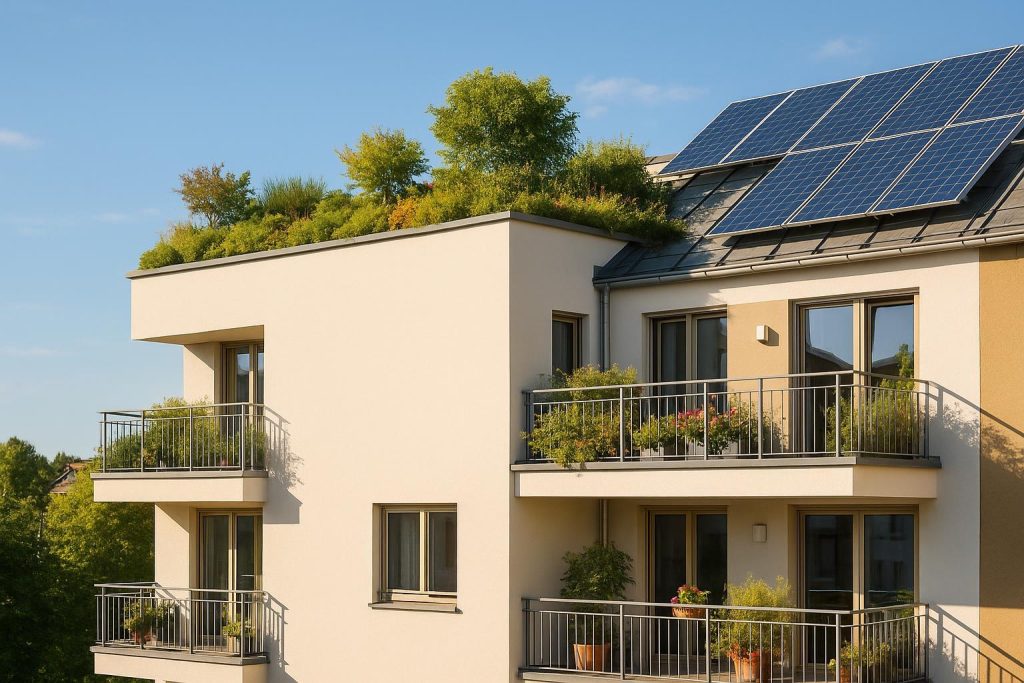
- Green Rooftops and Rooftop Gardens: Topping buildings with vegetation helps naturally insulate ceilings, reducing energy needed for heating and cooling. Rooftop gardens can also provide fresh produce if residents choose to grow herbs or vegetables, offering a unique amenity that promotes healthy living. In addition, these green roofs support local wildlife, such as pollinators, and reduce stormwater runoff.
- Courtyards and Open-Air Lounges: Many eco-conscious properties feature internal courtyards, terraces, or atriums. These areas allow for better ventilation, encourage healthier airflow, and infuse natural light into shared spaces. Large windows or open layouts are often used to maximize awareness of and connection to the outdoors.
- Community Gardens: Whether located at ground level or on a rooftop, communal gardens offer residents a shared space to grow plants and herbs. Tending to small vegetable plots can boost neighborhood wellbeing, strengthen interpersonal connections, and create a shared sense of ownership over green spaces.
These outdoor facilities serve not only as pleasant gathering spots but also contribute substantially to the environmental benefits of the overall property. Committed landscapers often look for ways to incorporate pollinator-friendly plants or local species that require minimal maintenance and no chemicals that might harm surrounding ecosystems.
5. Responsible Waste Management and Recycling
Reducing landfill-bound waste is a major priority in any sustainable housing development. Many green buildings provide several on-site resources that make it simpler for residents to cut down on waste and boost recycling or composting rates. Common measures include:
- Recycling Stations: Ample space for separate recycling receptacles in communal areas encourages occupants to sort recyclables properly. Clear signage, conveniently located bins, and routine collection can all help keep recyclable materials out of landfills.
- Composting Facilities: Some communities introduce on-site compost bins or pick-up services that transform organic kitchen scraps and yard waste into useful fertilizer. By reducing the volume of organic matter tossed in standard trash, composting cuts down on methane emissions and creates a valuable byproduct that can nourish gardens.
- Bulk Storage and Community Sharing Initiatives: Storage rooms or communal areas may be set aside for sharing items rarely used (like tools or seasonal gear). By centralizing these resources among residents, the community lessens the frequency of disposable or duplicated purchases, effectively decreasing waste down the line.
6. Healthy Indoor Environments
One of the most appealing aspects of living in an eco-friendly building is improved indoor air quality. A holistic approach to healthy indoor spaces means minimizing pollutants and optimizing ventilation. Here are key strategies:
- Non-Toxic Building Materials: Low- or zero-VOC (volatile organic compound) paints, sealants, and adhesives help maintain healthier indoor air quality. By eschewing chemicals commonly found in conventional building products, developers protect occupant health and safety.
- Effective Ventilation Systems: High-quality HVAC features that enhance circulation ensure consistent fresh air intake. Proper ventilation reduces allergens, airborne pollutants, and moisture that can lead to mold or other problems.
Altogether, these elements help ensure an environment that supports physical well-being for everyone who spends time in that space—good news for residents and visitors alike.
7. Community Engagement and Educational Programs
In truly sustainable developments, responsible design goes hand in hand with resident participation. When neighbors share resources and knowledge, it sparks momentum toward greener, healthier living across the entire community. Many multi-family properties introduce interactive events or training sessions to encourage involvement, such as:
- Composting Workshops: Groups interested in food waste reduction can learn firsthand how to compost and keep the cycle going in communal garden spaces. This shared learning fosters collaboration among residents and strengthens bonds through a sustainable group goal.
- Green Building or Recycling Orientations: Some communities plan orientation programs focusing on how their eco-features work—making it easier for residents to use recycling bins properly or adopt water-saving habits.
- Neighborhood Harvest Events: Where rooftop or community gardens exist, building managers may host or encourage harvest gatherings that help people connect with locally grown produce. These events highlight the direct value of caring for the environment and promote healthier lifestyles overall.
8. Holistic Design and Livability
True sustainability examines both environmental and social aspects. While energy savings and water efficiency are priorities, these communities also aim to cultivate a welcoming ambience that stands the test of time. Building layouts are often structured to provide easy access to natural light, fresh air, and gathering areas. Hallways and shared lounges might be designed to encourage interaction among neighbors, relieving a sense of isolation. Meanwhile, where possible, developers focus on integrating the property seamlessly into the broader urban fabric—incorporating features like ample sidewalks, safe walking paths, and connections to nearby parks or trails.
This comprehensive approach ensures that residents do not simply live in a place with eco-friendly features but also benefit from a thoughtful, enduring community that values inclusivity, long-term value, and a shared sense of belonging.
9. Examples of Innovative, Sustainable Builds
For those curious about practical applications of these principles, exploring real-world projects can provide insight into how amenities successfully combine form and function. Some sustainable developments showcase net-zero energy designs, incorporate solar panels, or experiment with emerging materials that further lower carbon footprints. Others focus on thoughtful ways to create social spaces for residents while still relying on minimal energy usage.
If you would like to see how green building concepts can come to life, feel free to check out our Projects page. It demonstrates real examples of how multi-family communities adopt an eco-focused mindset to promote health, comfort, and efficiency.
Building a Greener Future
Environmentally conscious multi-family housing is more than a passing trend—it is backed by a growing recognition of the importance of responsible development. By emphasizing energy efficiency, water conservation, sustainable transportation, healthy indoor air, and programs that engage the entire community, these developments point the way toward a more harmonious relationship with the environment.
Whether you are choosing a place to rent, planning to invest, or simply interested in designing a greener lifestyle, the amenities found within these forward-thinking communities can help you align your values with your living or development choices. The key is an integrated approach, where structural efficiency, communal features, and resource-conscious operations coalesce into a holistic model of urban living. As more people embrace these elements, sustainable multi-family developments will continue to evolve, forging neighborhoods where ecological stewardship and livability naturally go hand in hand.
