

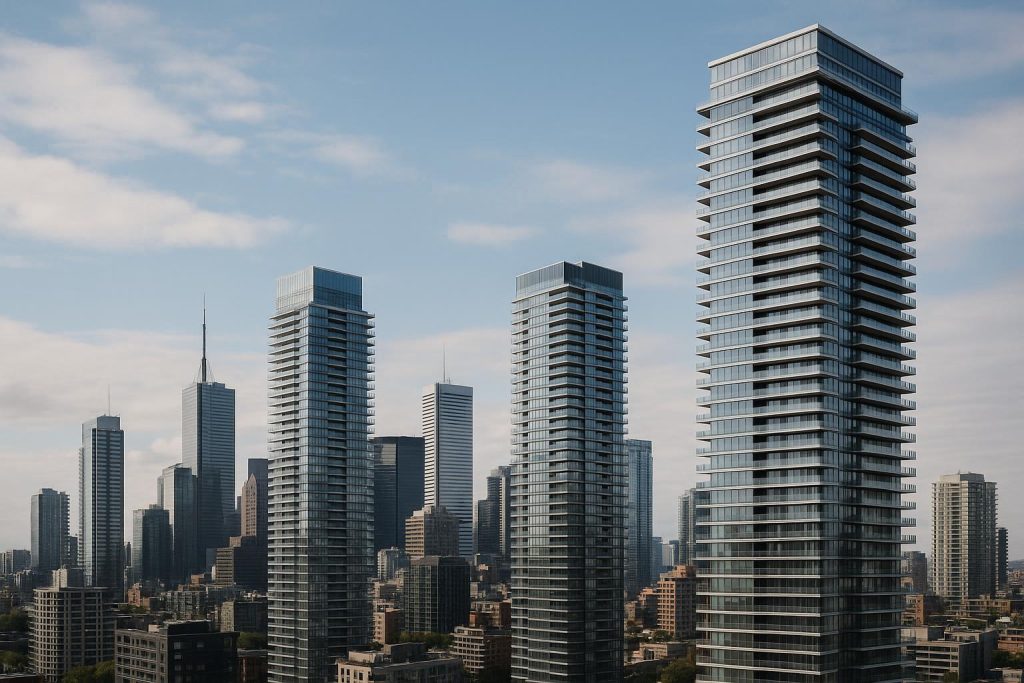
Discover Downtown Neighborhoods with Promising Condo Appreciation
When considering purchasing a condo in a thriving urban environment, many buyers and investors inevitably ask whether certain downtown neighborhoods tend to have higher condo appreciation over time. While no real estate market is entirely predictable, specific factors consistently influence the likelihood of long-term value growth. These factors range from proximity to key transit hubs and robust business districts to the availability of modern infrastructure and local amenities that cater to a wide demographic. By taking these elements into account, you can make a more informed decision about which downtown pockets might reward you with the greatest appreciation potential.
The Appeal of Vibrantly Developed Downtown Cores
Downtown cores are often the epicenter of cultural activities and urban convenience, boasting everything from dining options and entertainment venues to major employers within walking distance. Many urban centers continuously invest in the social and economic capacity of their downtown neighborhoods, spurring considerable interest from professionals, families, and retirees alike. This convergence of diverse buyers can help drive up property values over the long term. When you see ongoing developments, significant public planning initiatives, and the arrival of new businesses, it generally signals a neighborhood on an upward trajectory with the potential for steady condo appreciation.
Moreover, downtown areas typically feature robust infrastructure, including hospitals, universities, and cultural landmarks. Neighborhoods that host such institutions tend to attract stable demand, as people often want housing close to educational or medical facilities. The result is a self-sustaining market where condos remain in high demand and can command higher resale values in the long run.
How Transit Accessibility Influences Appreciation
Being near transit stations and major bus routes is a key driver of condo appreciation. Easy accessibility to public transportation appeals to a wide spectrum of potential condo owners—commuters, students, and retirees looking for car-free living options. When a neighborhood has reliable, high-capacity transit lines, residents benefit from reduced commute times and increased convenience. As a result, properties located near these transit points frequently achieve stronger value gains over time.
This focus on connectivity often prompts local officials to invest in beautification projects and pedestrian-friendly corridors. By creating comfortable walkways, bike lanes, and tree-lined streets that encourage a sense of community, neighborhoods become more livable. Ultimately, that higher livability factor fosters stronger competition among buyers searching for a convenient, walkable, and well-developed downtown residence—again supporting the possibility of elevated returns over the long term.
Identifying Historic Trends and Future-Proofing Your Purchase
Before committing to a particular property, investigate a neighborhood’s historic appreciation patterns. Reviewing data spanning multiple real estate cycles can give you a better understanding of how condo values have fared during both economic upturns and downturns. If a downtown neighborhood has consistently outperformed broader market averages, that’s often a reliable indicator of future potential.
Pay attention to municipal plans and recently published urban development reports. Projects that promise new community centers, significant transit expansions, or improved commercial corridors can substantially uplift nearby property values. Even smaller-scale enhancements—such as installing public art or creating designated green spaces—can improve local quality of life, thereby boosting condo demand. By staying alert to upcoming changes, you position yourself to choose an area that could see higher-than-average condo appreciation.
In addition, engaging local real estate experts and reviewing sales data from reputable agencies can help you zero in on emerging opportunities. Tracking price-per-square-foot trends across different downtown neighborhoods puts concrete numbers behind your decision-making process. This data-based approach, combined with anecdotal insights from neighbors, can help you build a balanced perspective on a given area’s growth trajectory.
Proximity to Business and Entertainment Hubs
Thriving business districts exert a strong influence on condo appreciation. Areas close to large corporate headquarters or tech hubs often benefit from the steady influx of professionals seeking homes within walking or short-commute distance. Similarly, neighborhoods near major stadiums, theaters, or arts venues draw residents looking for an active urban lifestyle. The high demand for such properties often sustains or increases condo prices, reinforcing their attractiveness to buyers and investors.
Entertainment hubs also cultivate vibrant restaurant scenes, cafes, and cultural sites that make city living more appealing. This, in turn, generates a healthy, ever-present demand for housing. Younger professionals, families that value convenience, and even empty nesters gravitate toward these lively locales. By targeting a neighborhood recognized for its entertainment advantages, you may see stronger long-term returns on your property investment.
Community Environment and Walkability
When weighing the appreciation potential of condos in a downtown area, don’t underestimate the value of walkability and a well-integrated community environment. Streets with well-maintained sidewalks, adequate lighting, and inviting public spaces encourage residents to stay, socialize, and explore the neighborhood, thereby infusing local businesses with stable foot traffic.
Neighborhoods that offer easy access to shopping districts, farmers markets, and essential services may have an edge in terms of condo popularity. Because many people prioritize walkability and convenience in their daily lives, properties that are just steps away from groceries, entertainment, and wellness facilities typically remain in high demand. This consistent interest can keep valuations healthy and facilitate potential resale or long-term value growth.
Diversity of Buyer and Renter Profiles
Another factor contributing to some downtown neighborhoods’ higher appreciation is the diverse range of demographics they attract. When urban spaces cater to both owners and renters—especially those with varied lifestyles, professions, and ages—they enjoy a steady stream of potential residents. A community that appeals to young professionals starting their careers, families seeking convenient child-friendly amenities, and retirees looking for a low-maintenance urban setting can sustain occupancy rates even during market fluctuations.
This broad appeal can also bolster resilience to market volatility. For instance, when you have a balanced mix of permanent residents and short-term professionals, a downturn in one demographic group may be offset by ongoing interest from another. As a result, condo values in these diverse areas often demonstrate more consistent appreciation over time.
The Influence of Purpose-Built Developments
Purpose-built developments with well-structured services—like secure lobbies, shared amenities, and well-planned layouts—can be especially attractive to discerning buyers. If you find a neighborhood where developers have incorporated thoughtful design and robust property management strategies, the overall experience of living there tends to be elevated. This premium environment often justifies stronger resale prices.
In some cases, purpose-built projects are specifically designed to reflect a neighborhood’s prevailing character, whether modern, historic, or a blend of both. These condos often feature architectural merit, energy-efficient infrastructure, and welcoming common spaces that cultivate a sense of belonging. Such well-crafted environments typically hold their value and benefit from more consistent demand than generic developments lacking a cohesive vision.
Should you wish to explore new and upcoming purpose-built projects with promising long-term potential, see our Projects page. Here, you can discover properties designed with a focus on community-minded planning, quality construction, and enduring appeal—attributes that can help sustain strong condo appreciation.
Why Market Research Matters
Navigating the landscape of downtown real estate requires informed decision-making, especially when you’re aiming for long-term value appreciation. While anecdotal evidence can guide your initial search, reliable data sources help you spot real trends. It’s worthwhile to consult local real estate indexes, price records, or interviews with real estate agents about how different neighborhoods have evolved.
Historical price trends, planned infrastructure updates, and changes in local employment rates are all essential factors to examine. Researching how quickly condos sell in a given area can also be a revealing metric. Rapid condo turnover might indicate a desirable community, while slow sales could signal lower demand or overpricing. With the right mix of local insights, official market reports, and professional guidance, you’ll lay the groundwork for a strategic purchase.
Balancing Personal Lifestyle and Future Returns
Though appreciation potential is a big motivator, it’s equally vital to consider your personal lifestyle needs. If you plan on living in your condo rather than renting it out, make sure the neighborhood’s daily realities align with your preferences. Factors like evening noise levels, school districts, or even the presence of nearby grocery stores will affect your comfort and overall satisfaction with the property.
When you strike a balance between personal enjoyment and investment goals, you’re more likely to feel confident about your decision. A well-chosen downtown condo can simultaneously serve as a comfortable home and a valuable asset, offering both immediate livability and the potential for robust appreciation over time.
The Role of Local Organizations and Community Initiatives
Another intangible influence on property values is the presence of active homeowners’ associations, community groups, or local business councils dedicated to neighborhood improvement. These organizations initiate projects like installing art murals, hosting block-wide events, or improving public green spaces, all of which enhance a sense of community connectivity and maintain the area’s attractiveness. A neighborhood that invests in itself tends to foster stability and secure higher property values.
Likewise, developers and city planners often coordinate efforts to ensure that downtown neighborhoods remain inviting and prosperous. The introduction of fresh construction—residential buildings, coworking spaces, or artisan retail shops—can infuse an area with energy and modern flair. By evaluating these initiatives, you can gauge whether the neighborhood’s direction aligns with your vision of future value.
Preparing for Changes in Market Conditions
Even the most promising downtown neighborhoods are not immune to shifts in the broader real estate market. Economic downturns, rising interest rates, or unexpected policy changes can temporarily disrupt local property values. However, strong downtown communities tend to fare better than less-populated or underserved areas because they have a more diversified demand base.
Staying vigilant about overall economic indicators and the health of local industries can help you anticipate when conditions may become more challenging. Maintaining a long-term perspective generally serves you better than trying to time the market. Neighborhoods with a proven track record for incremental, steady growth and strong fundamentals are likely to weather short-term fluctuations effectively.
Final Thoughts on Spotting High-Appreciation Neighborhoods
Ultimately, finding the right downtown neighborhood with track records of stronger condo appreciation involves a blend of diligent market research, personal insight, and community awareness. Investigate the factors that make certain areas shine: walkability, proximity to transit, robust commercial presence, cultural attractions, and purposeful local investments. If the neighborhood’s infrastructure, demographics, and future projects align with your objectives, it’s probable you’ve identified a place where condo values are set to increase steadily over time.
While no neighborhood can guarantee perpetual value increases, the tips outlined here can help you recognize regions that historically sustain growth and show few signs of slowing down. By taking a strategic approach—balancing historical data with your everyday lifestyle needs—you can enjoy both the perks of urban living and the potential for long-term appreciation. If you’d like to learn more about projects designed with a forward-thinking mindset, feel free to explore our Projects for some prime examples of purpose-built communities in well-connected downtown settings.
